Proof
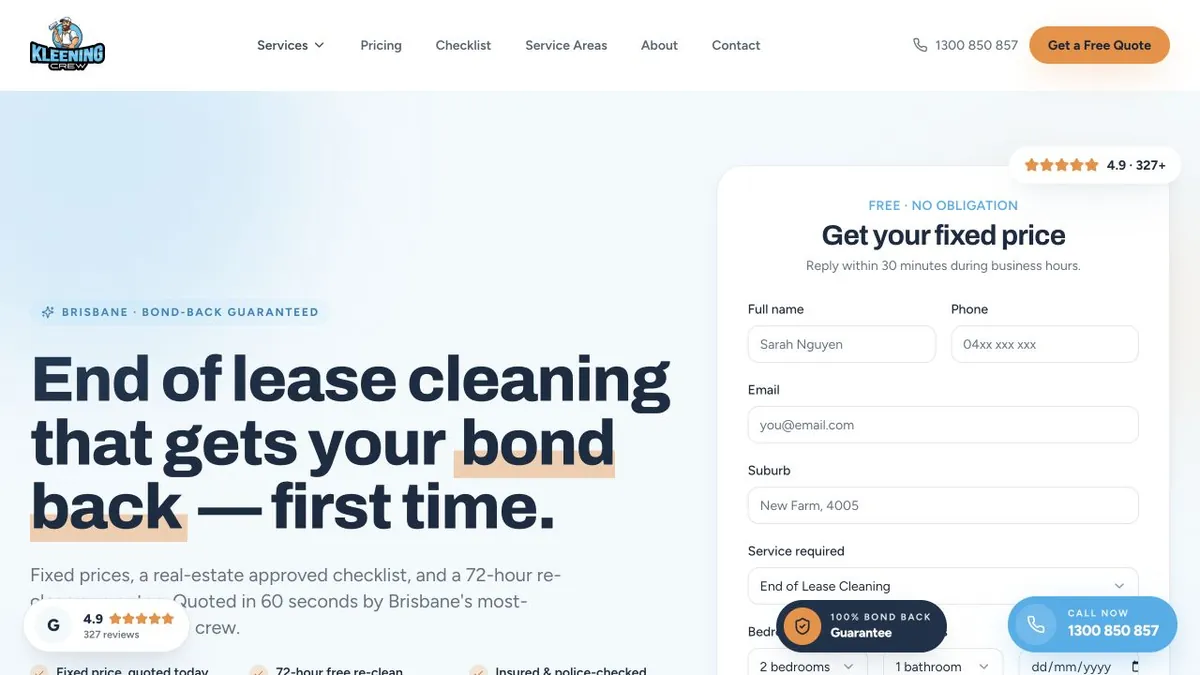
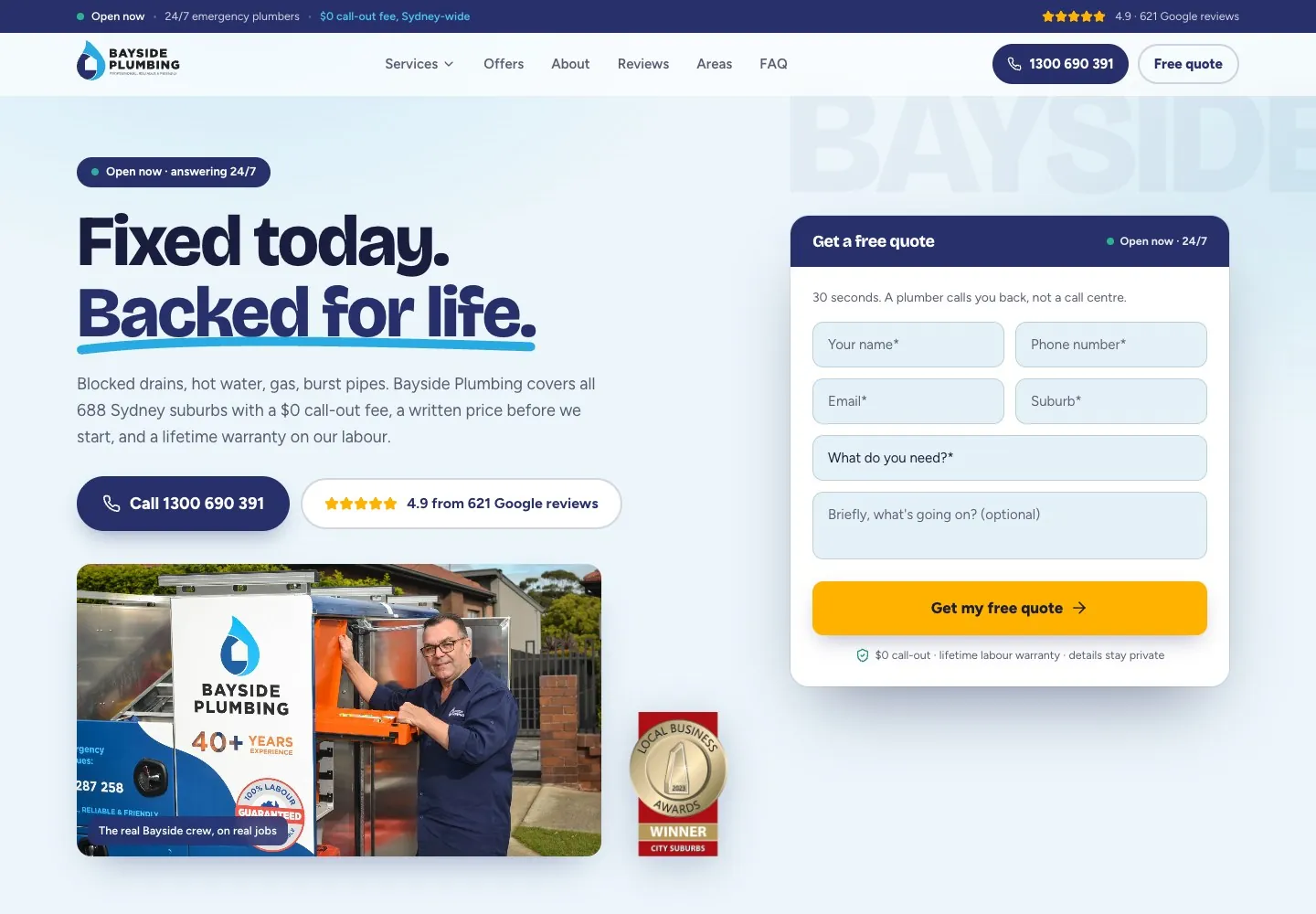
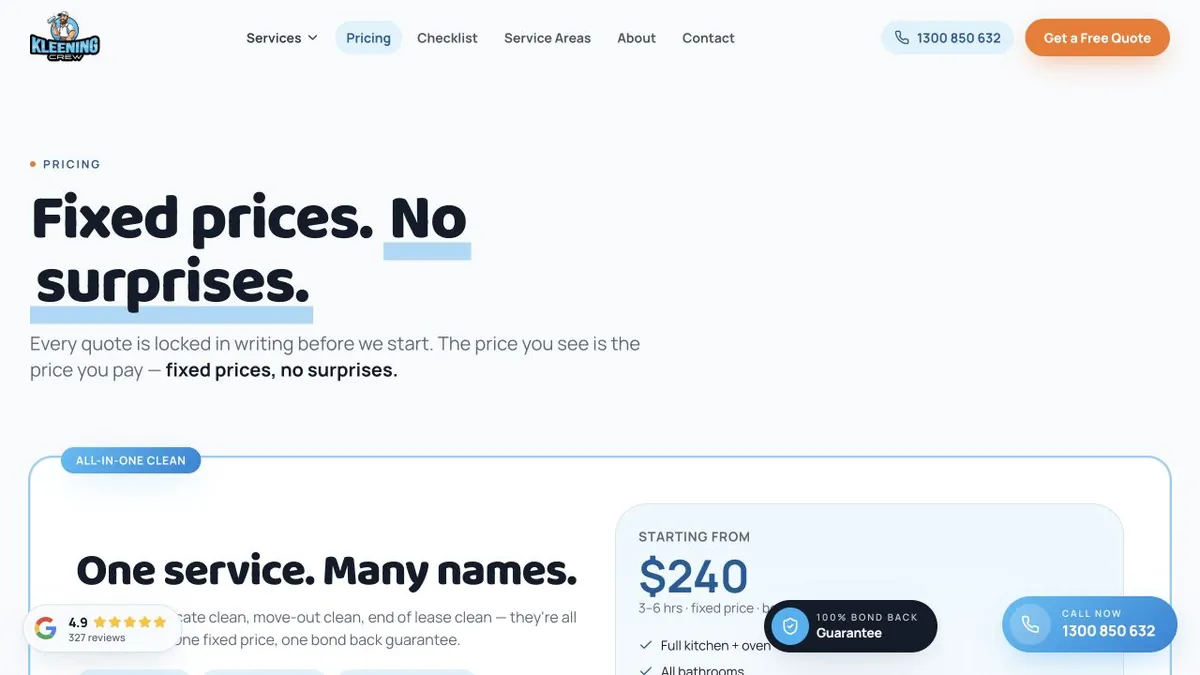
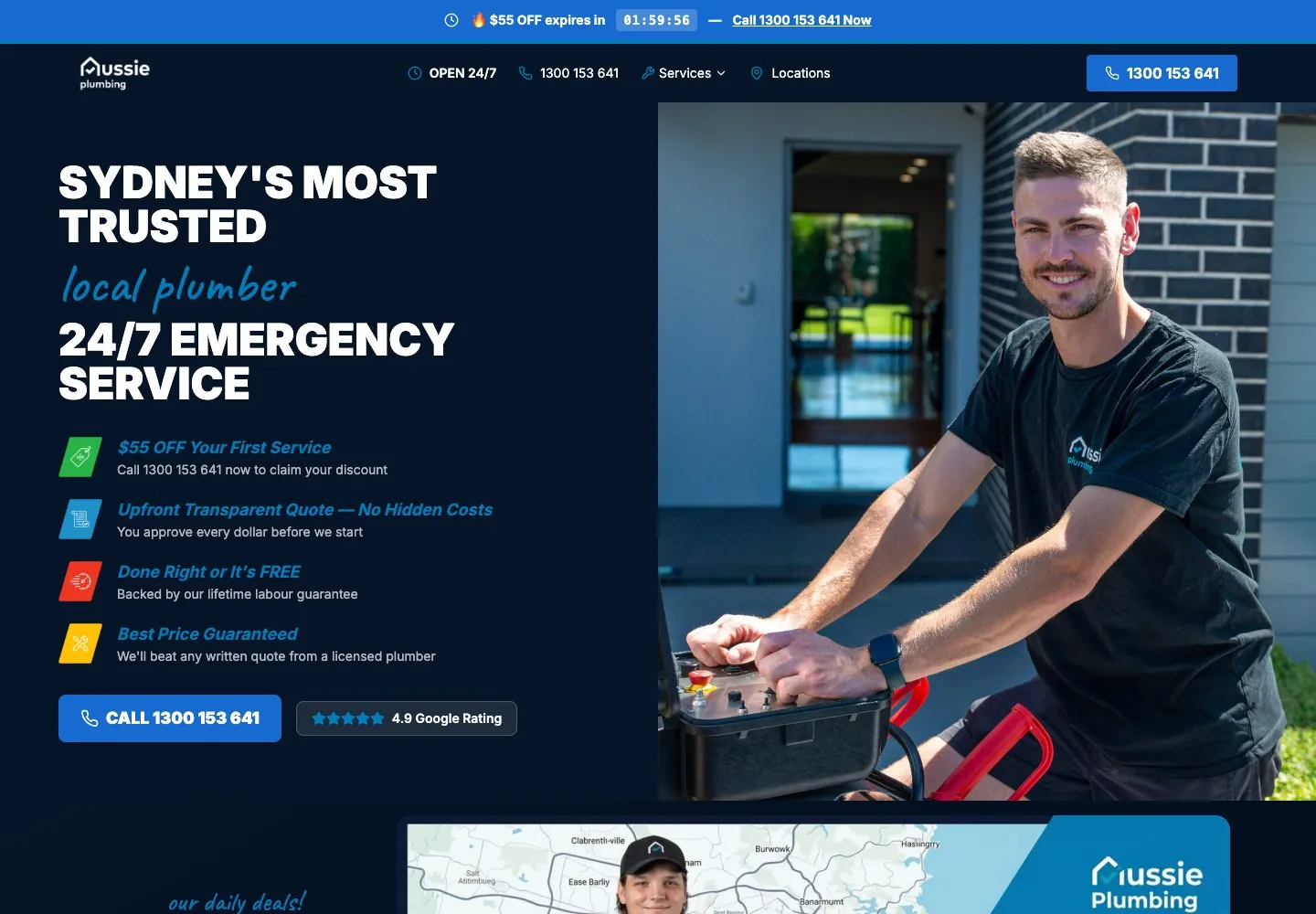
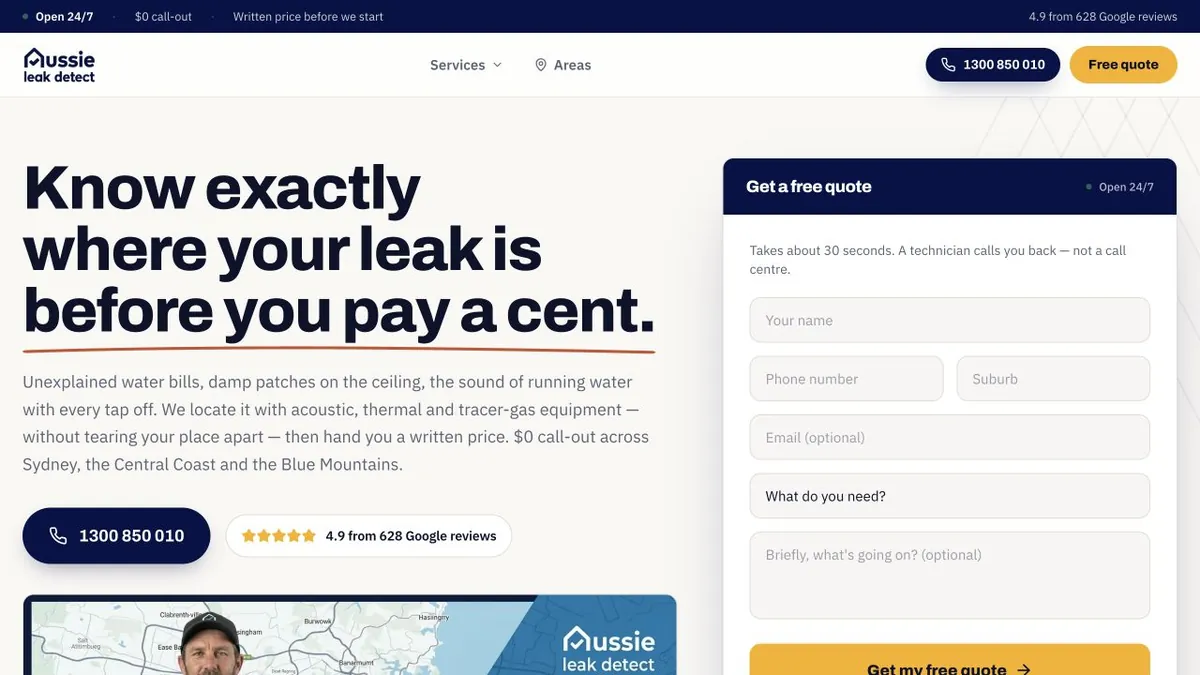
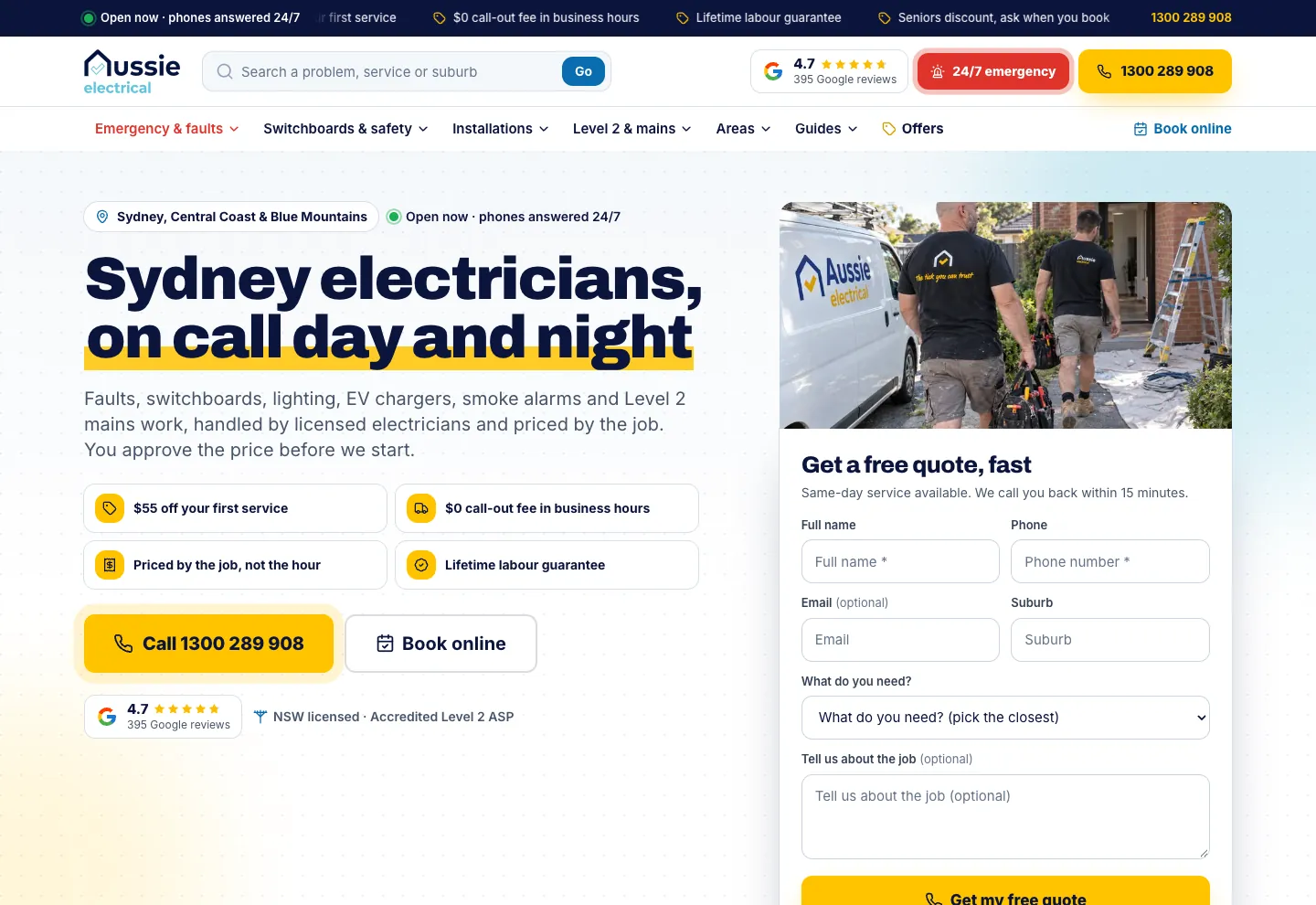
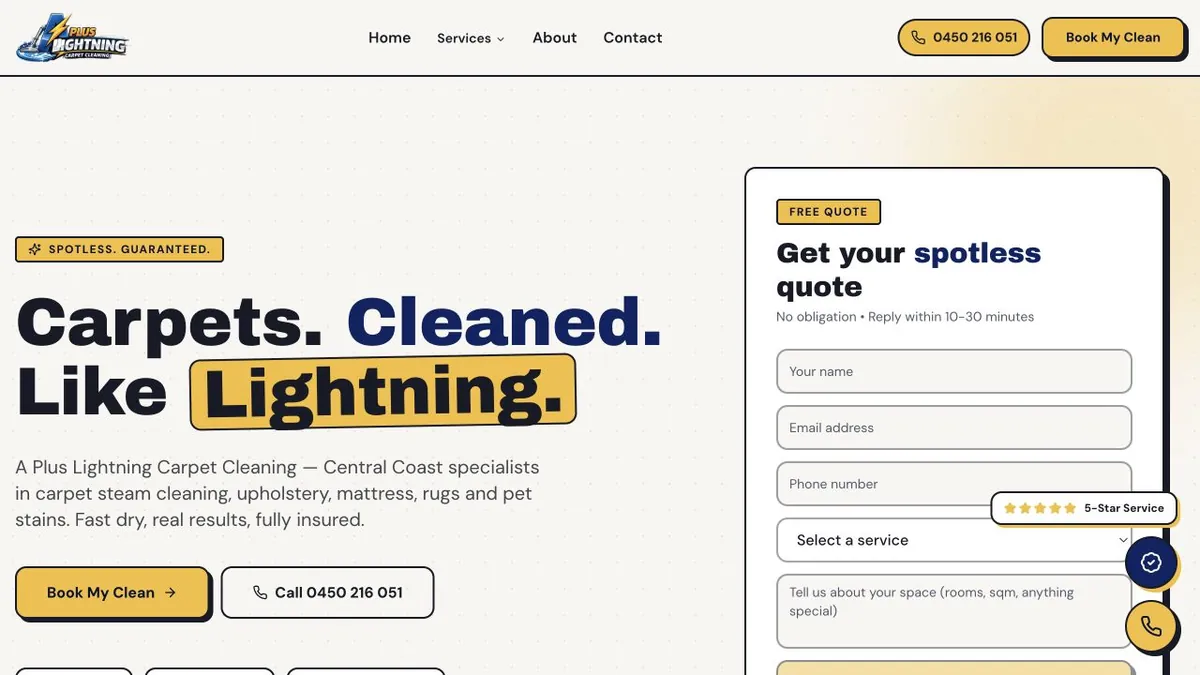
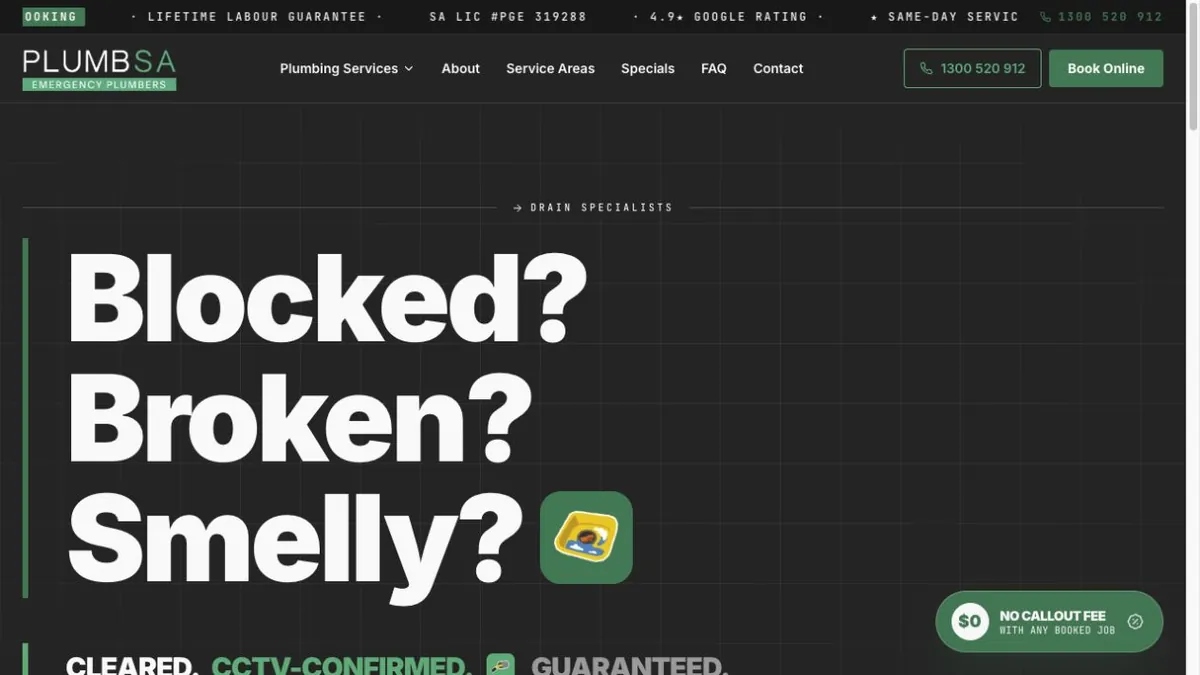
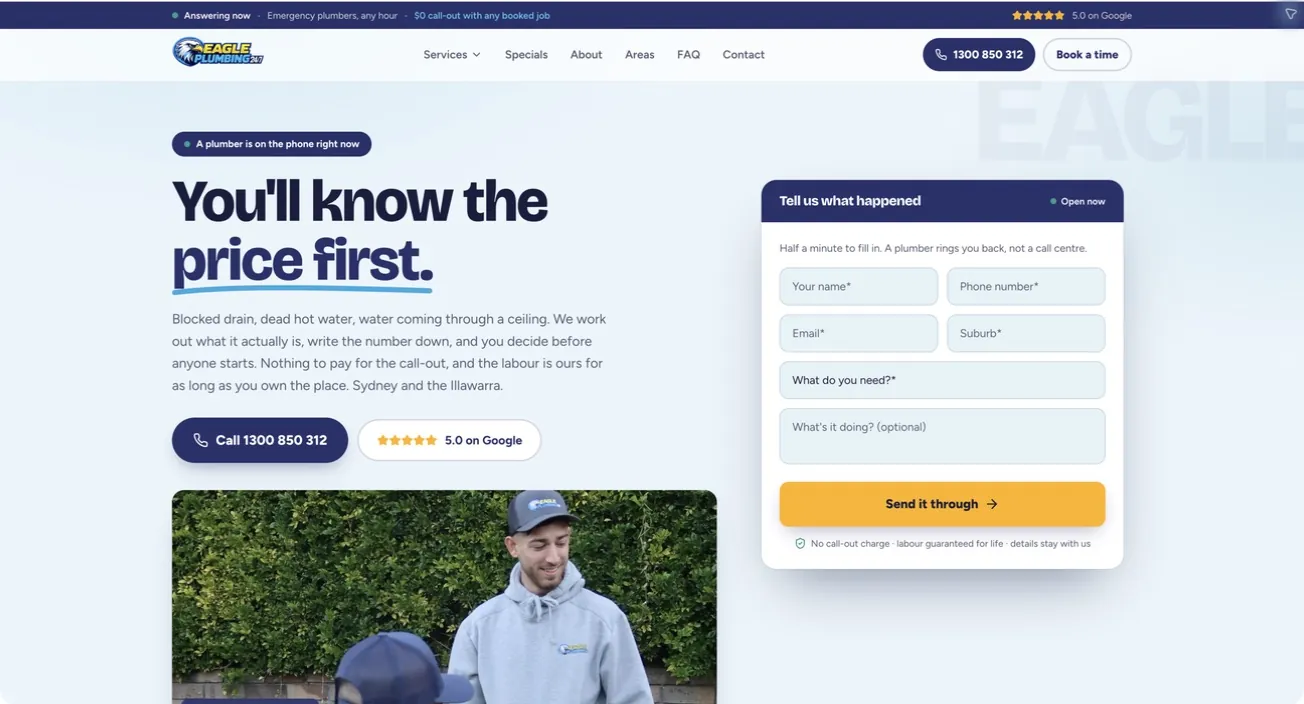
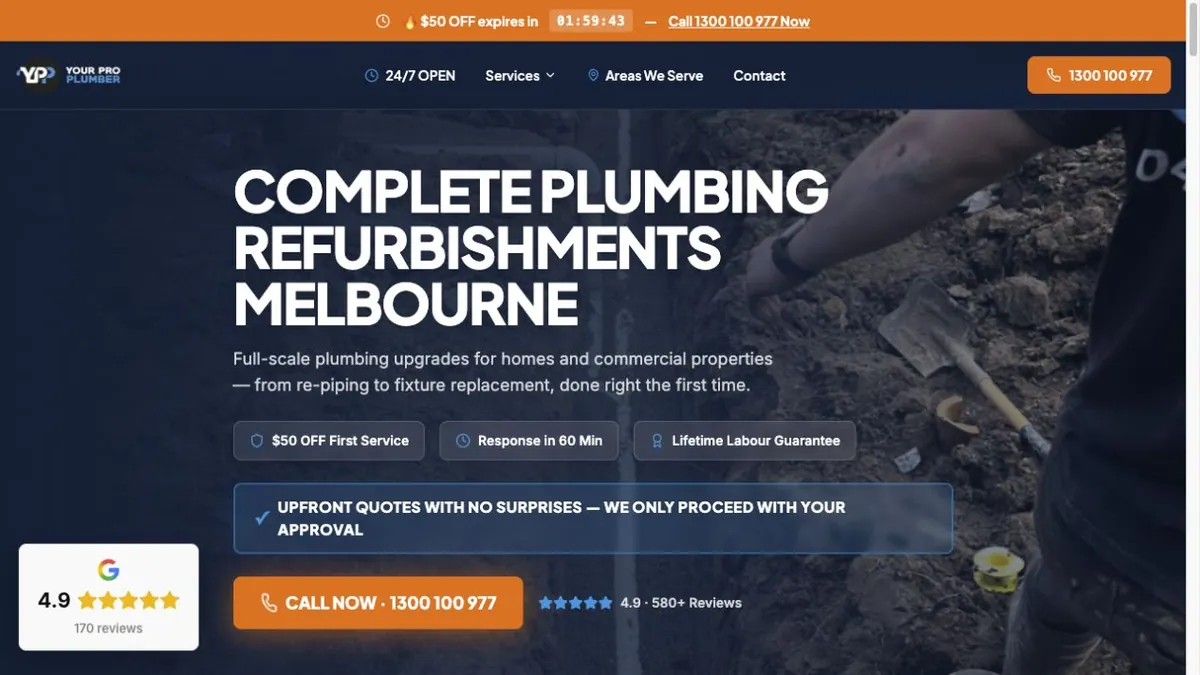
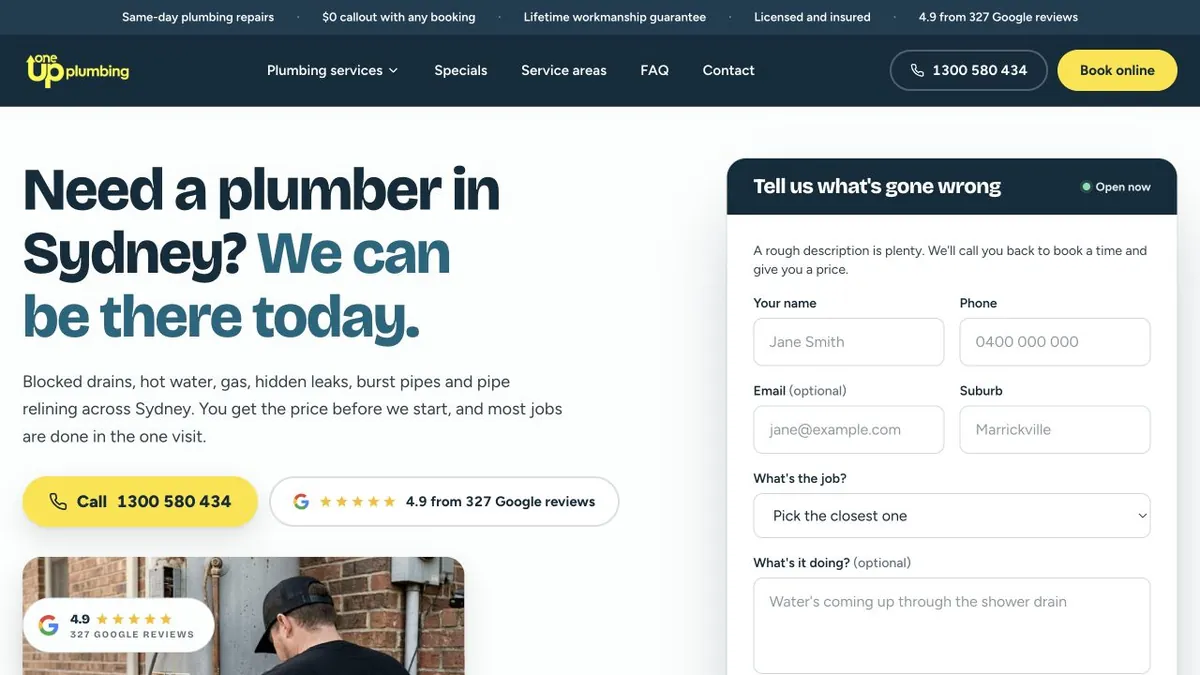
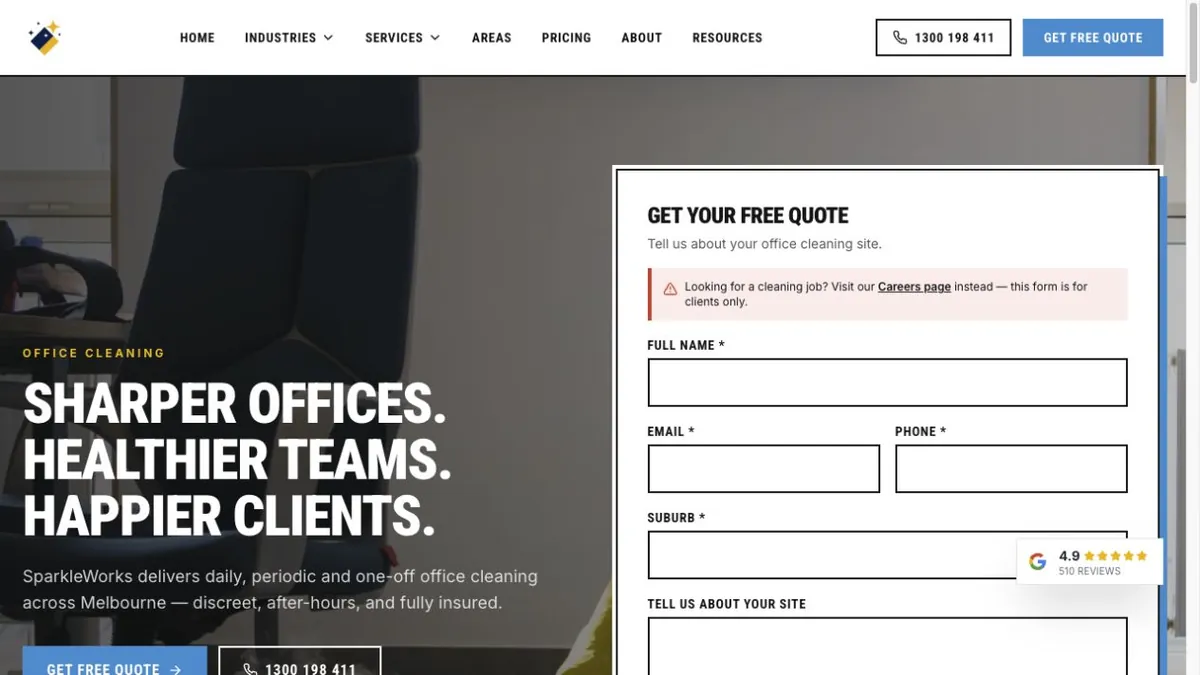
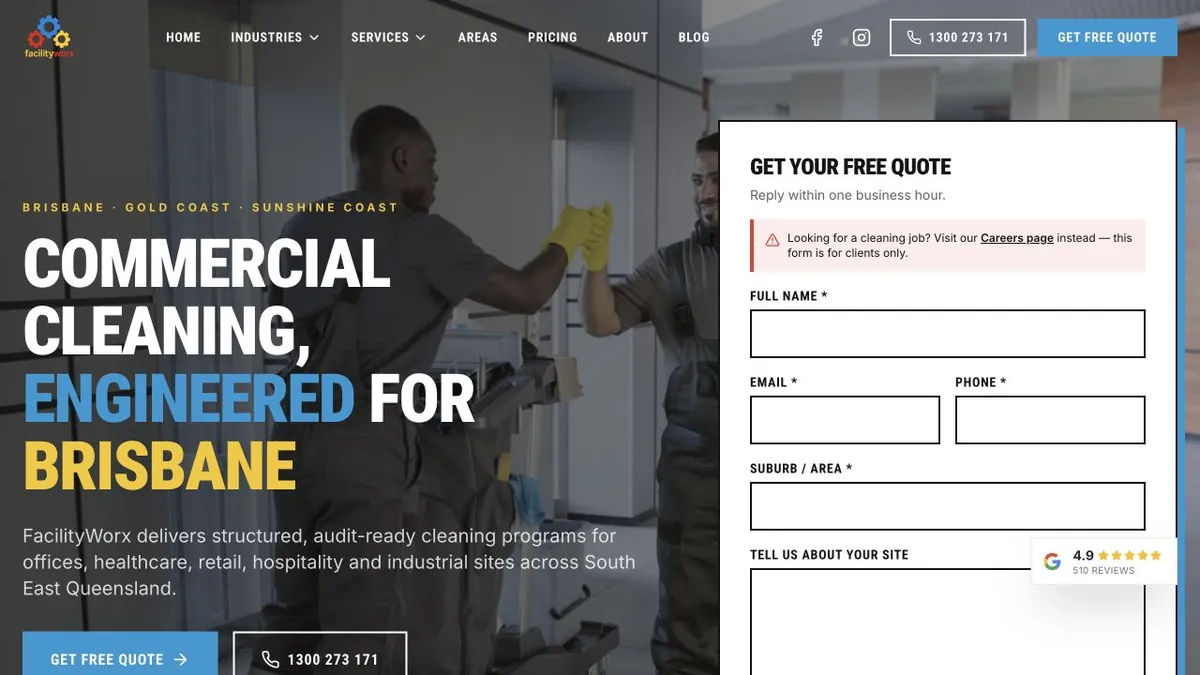
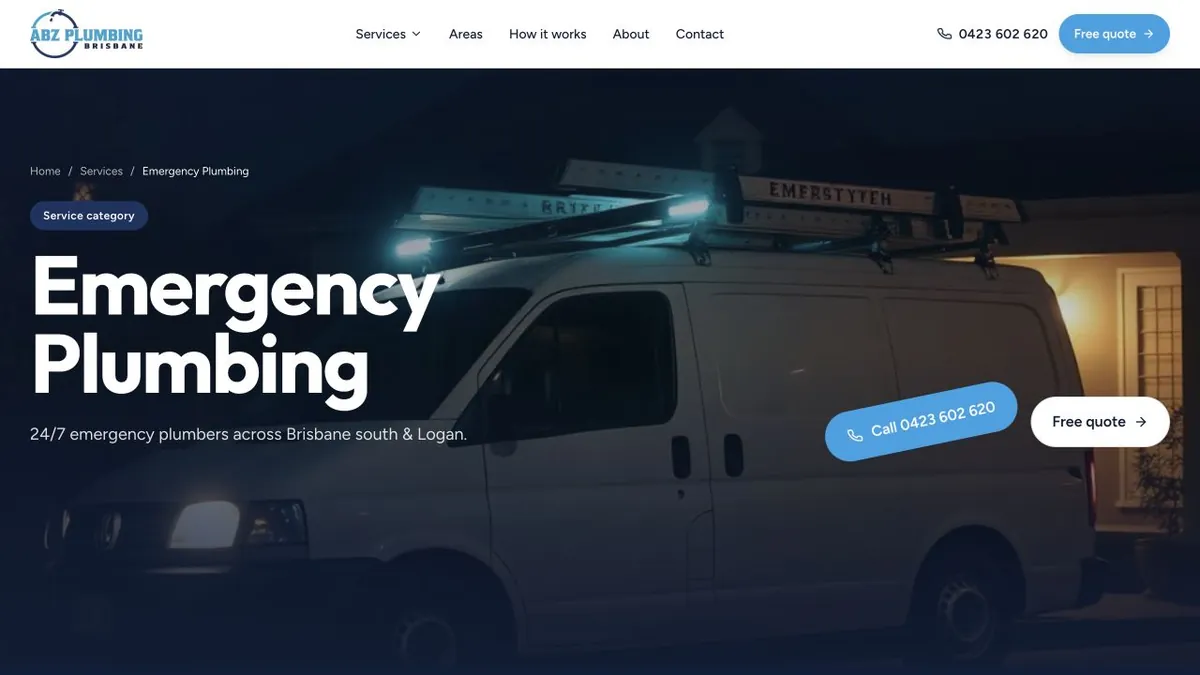
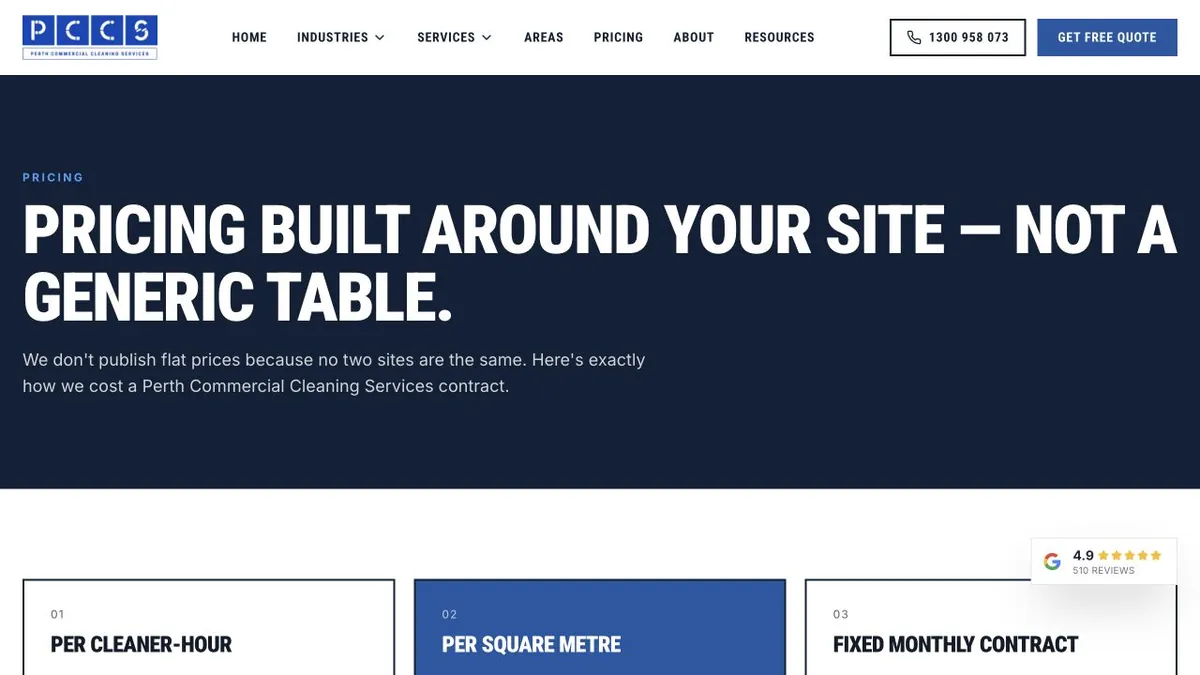
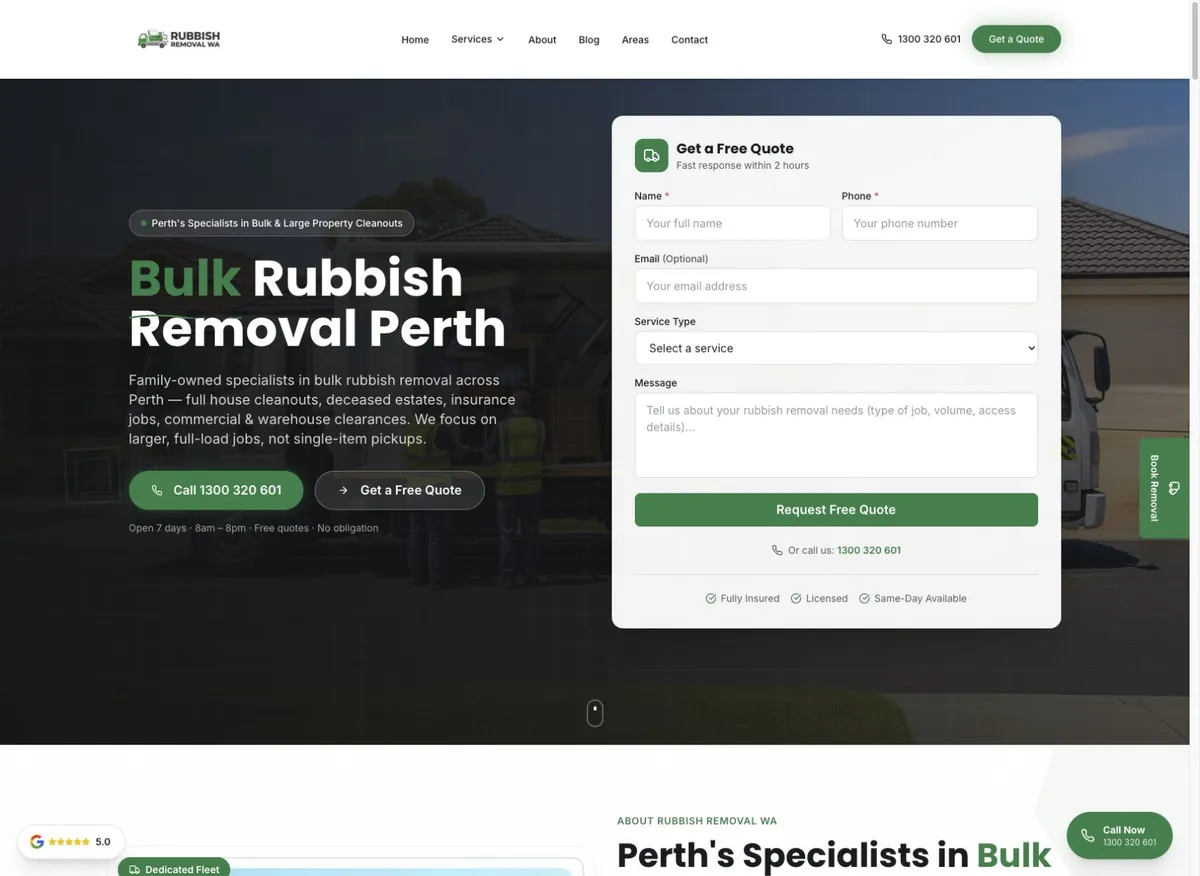
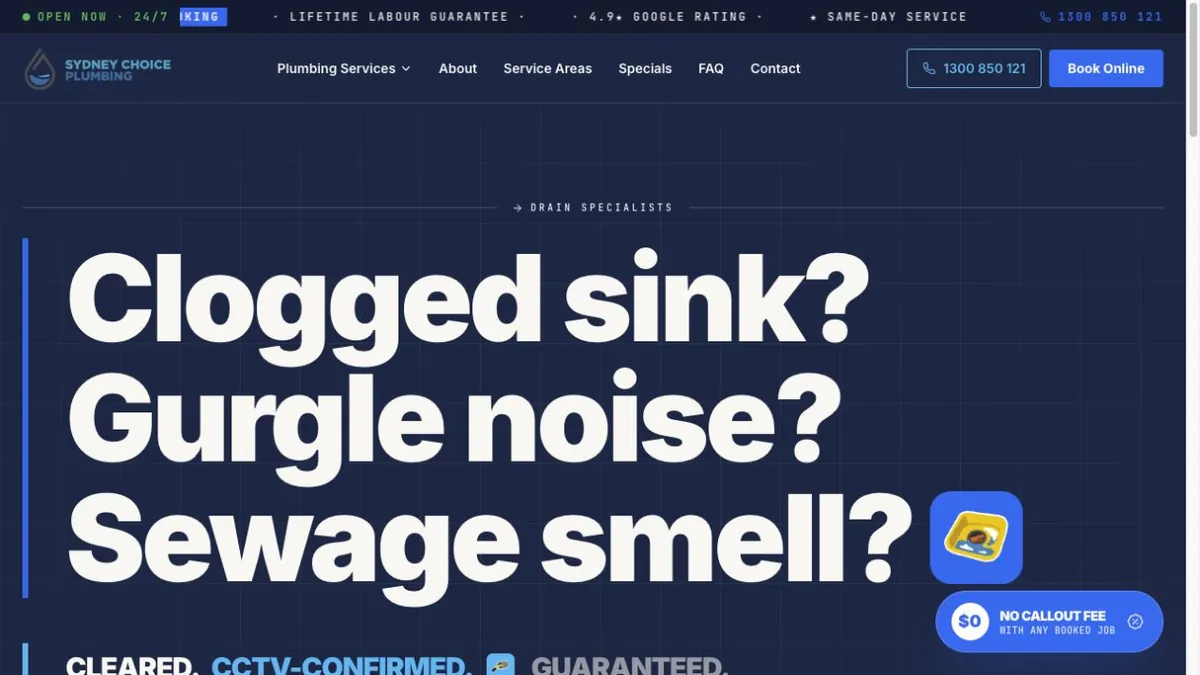
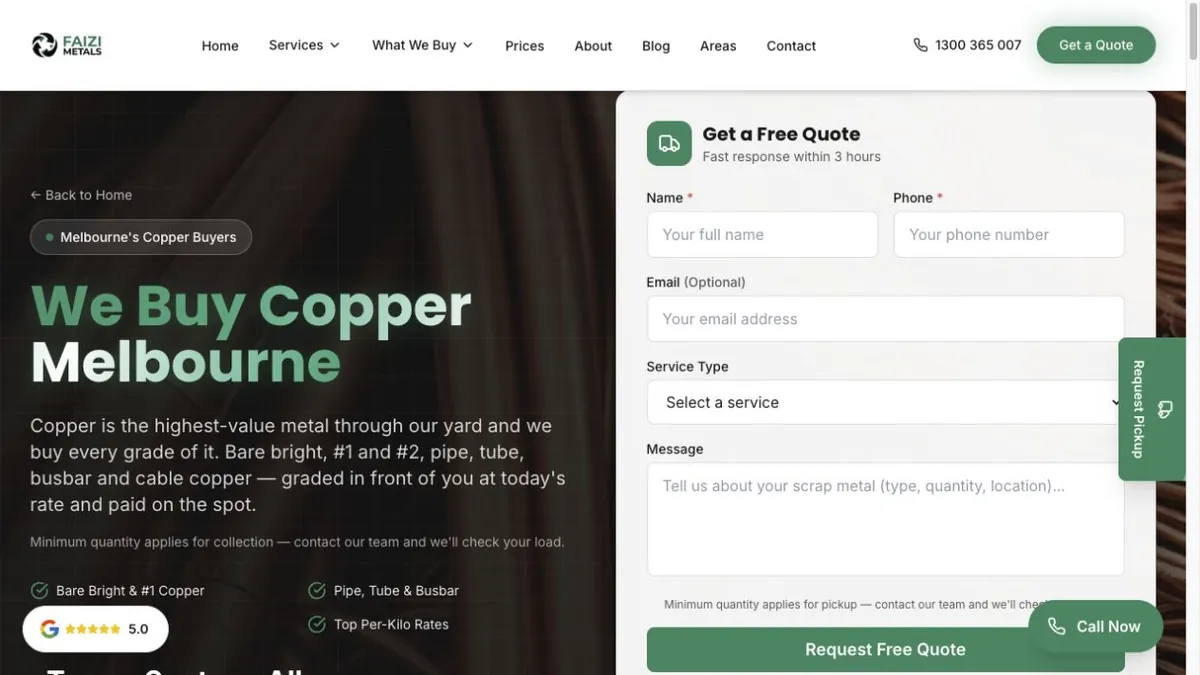
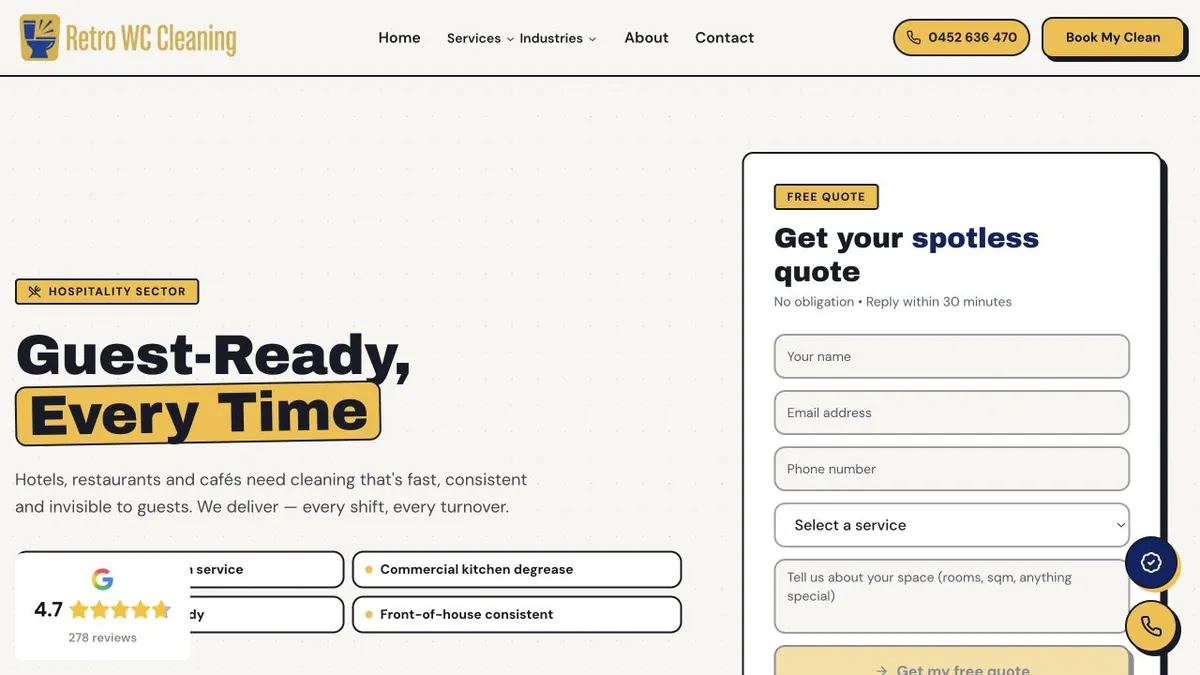
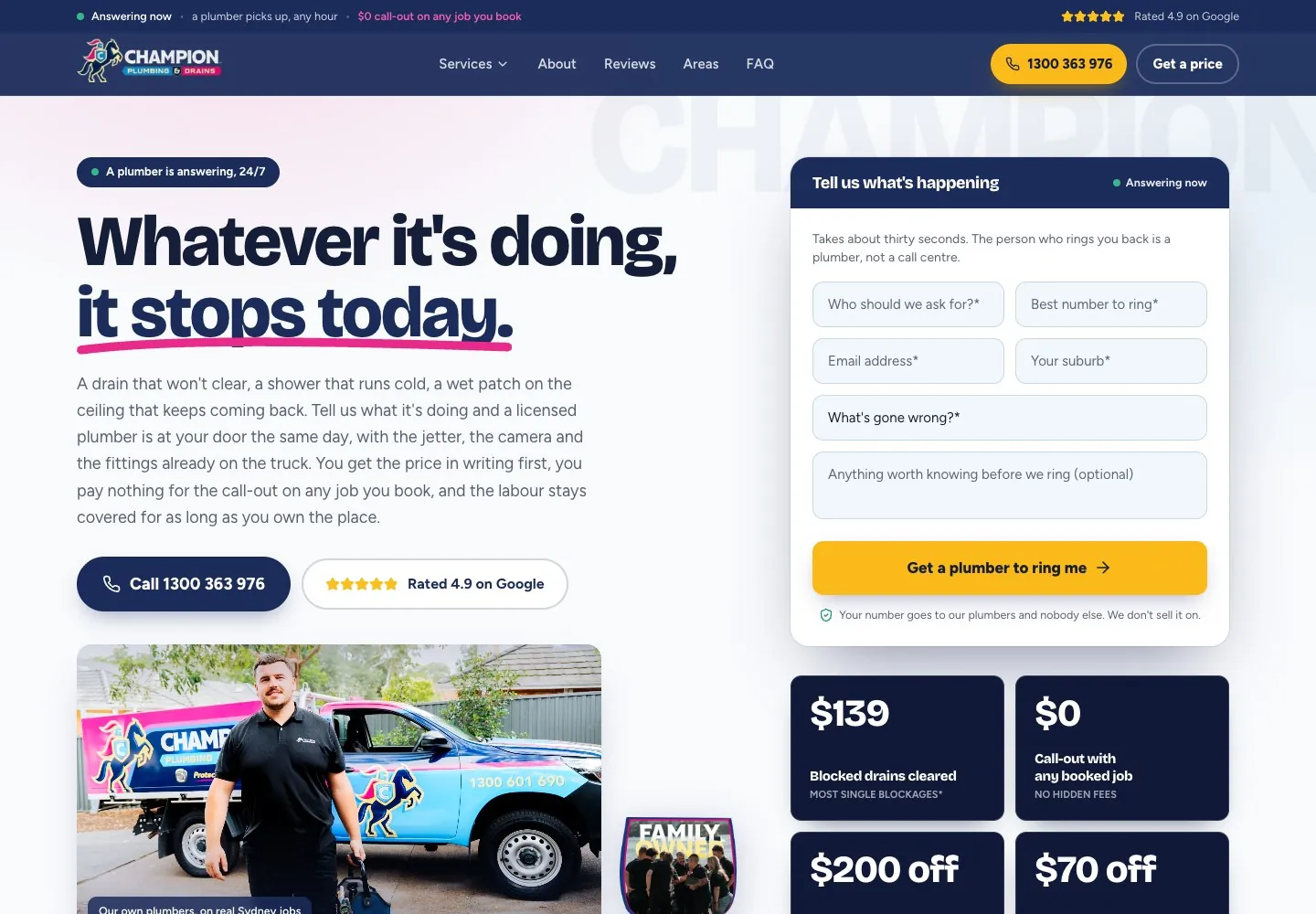
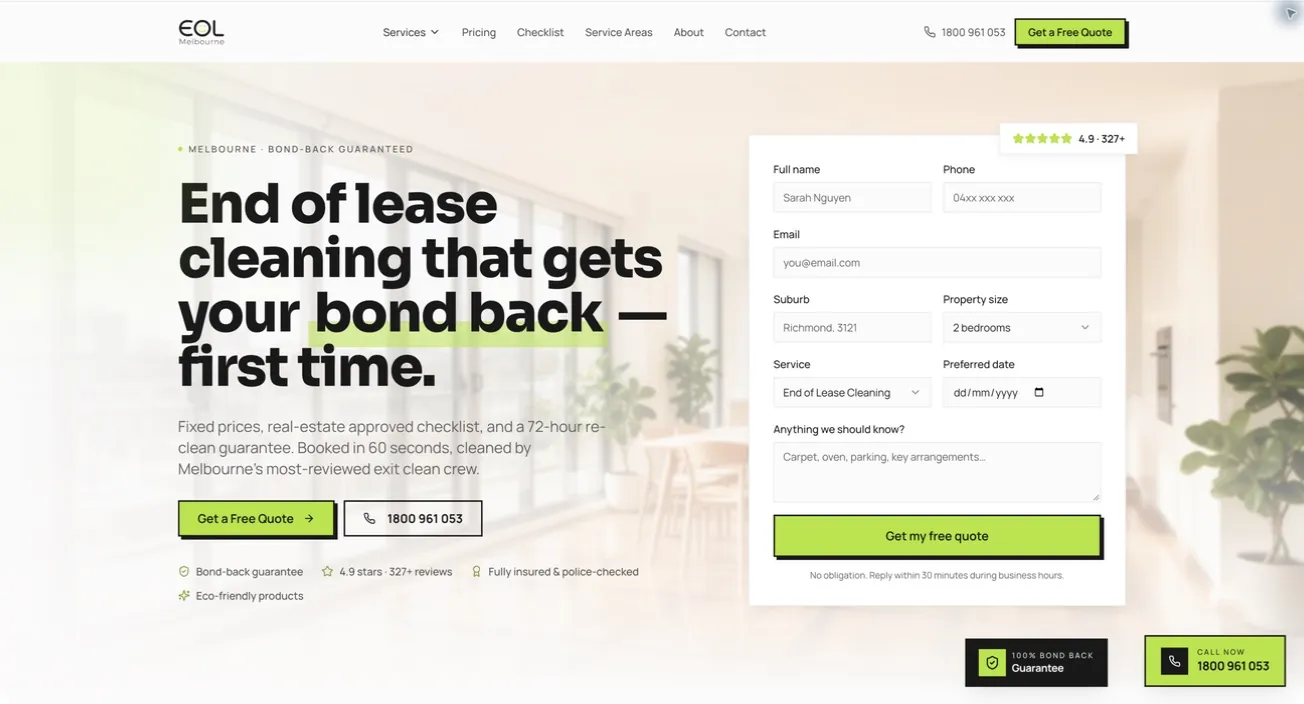
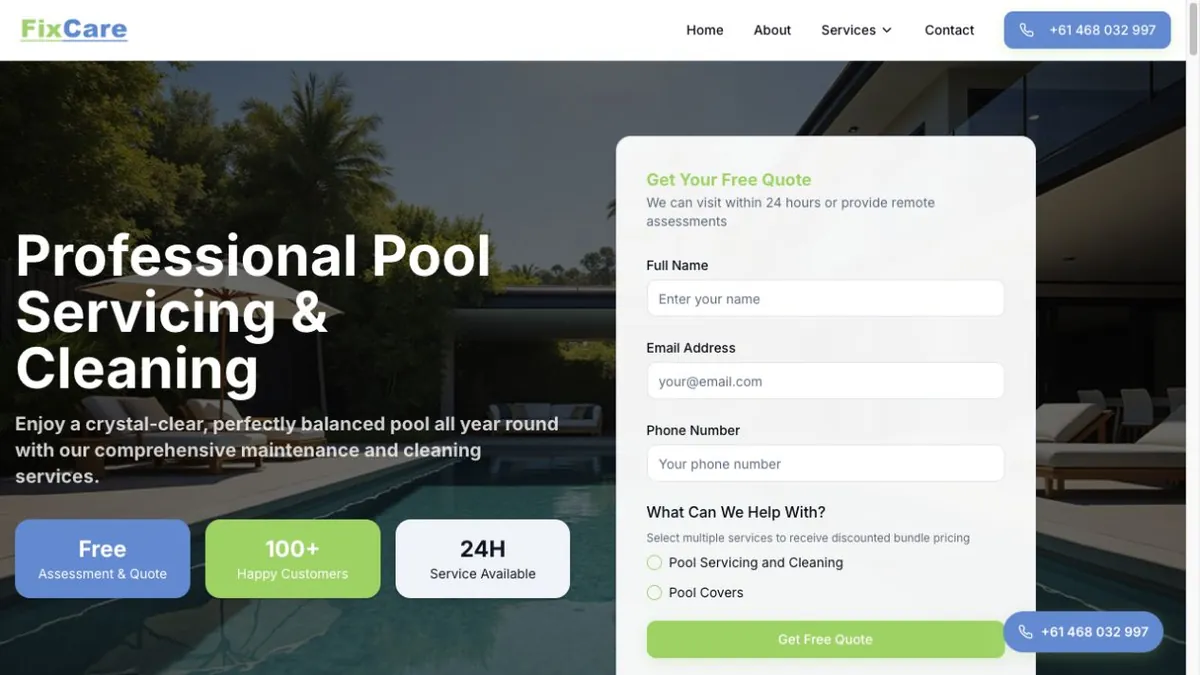
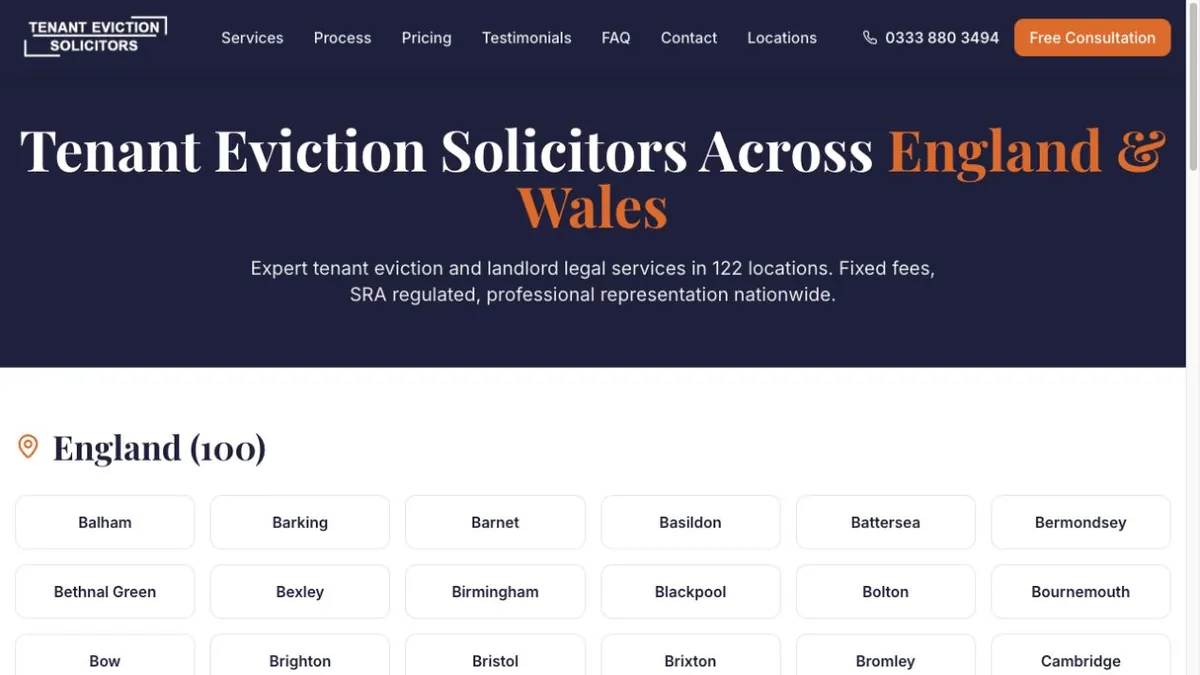
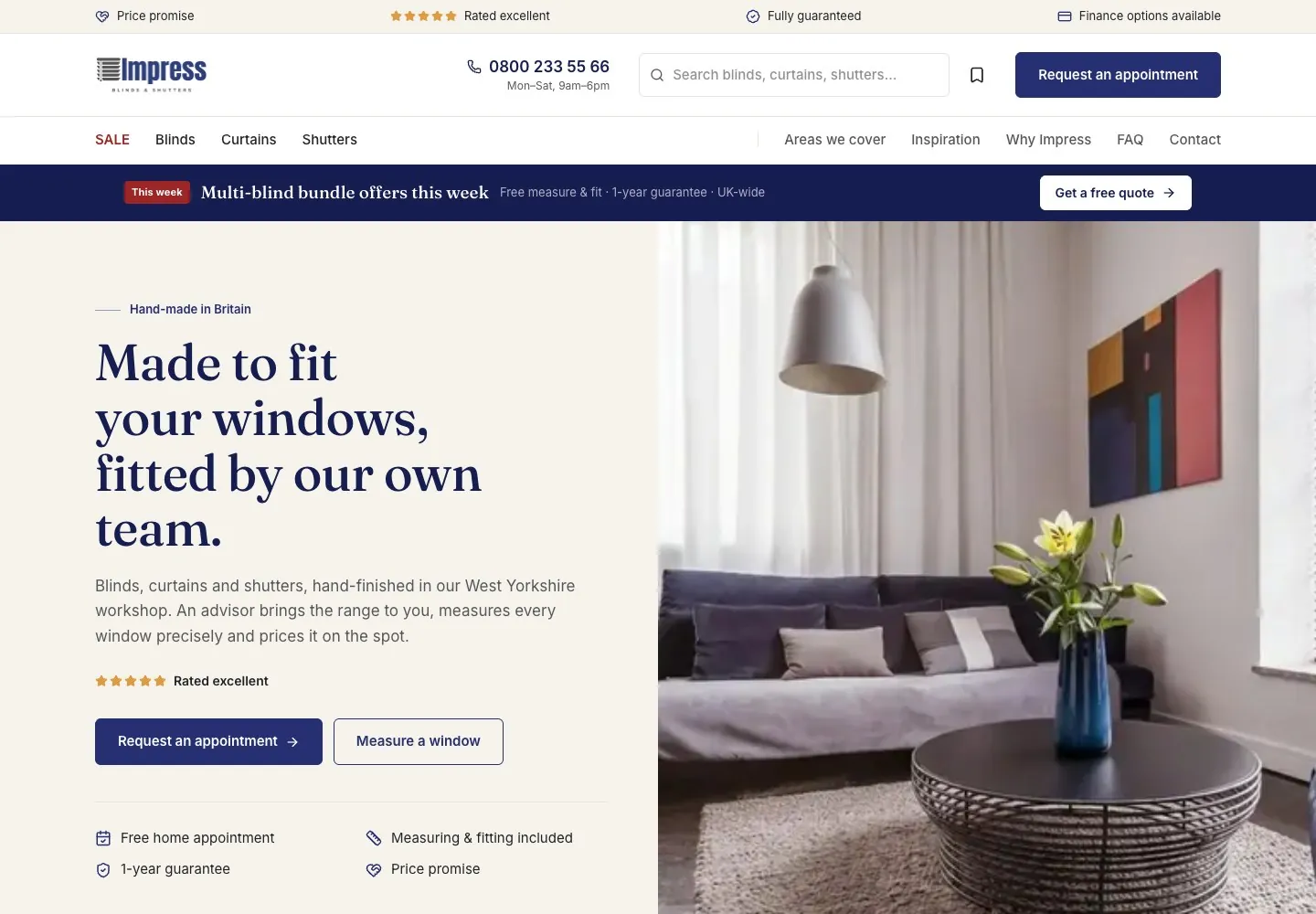
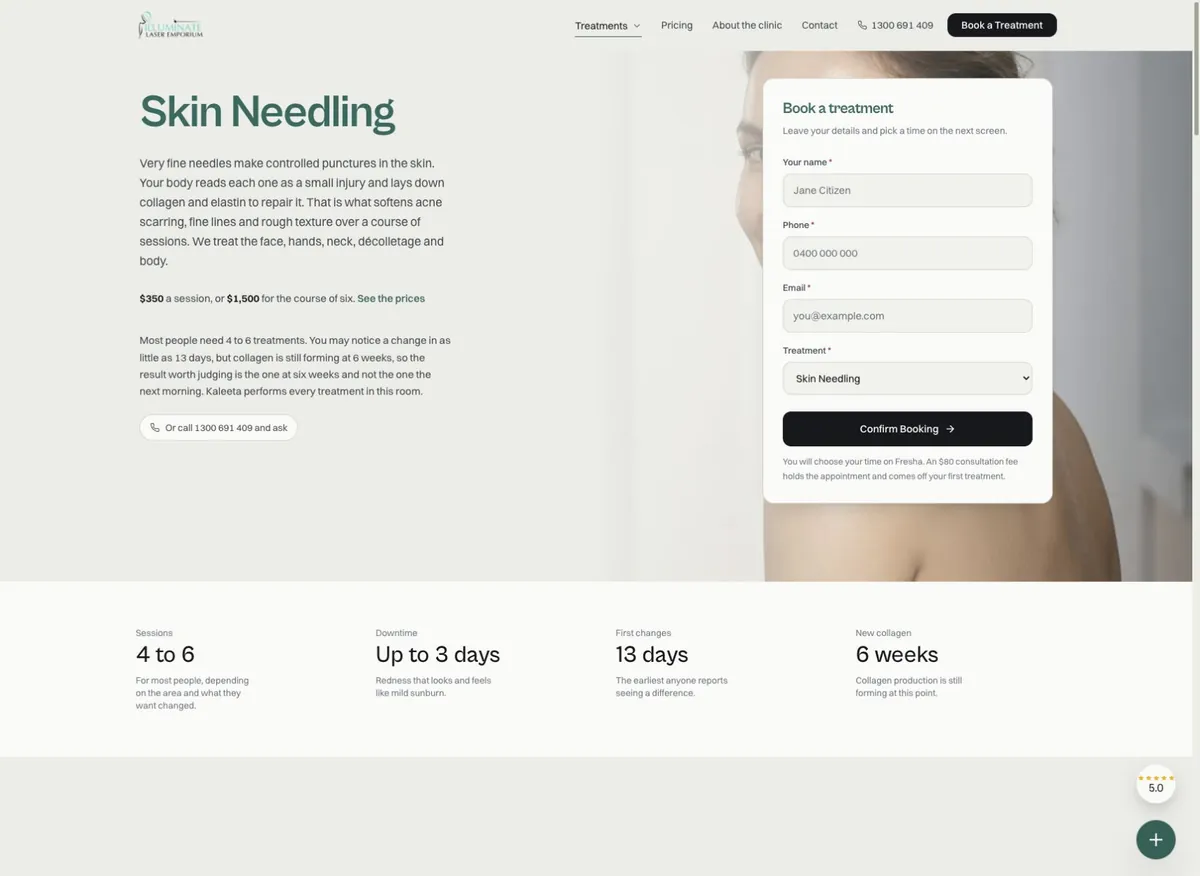
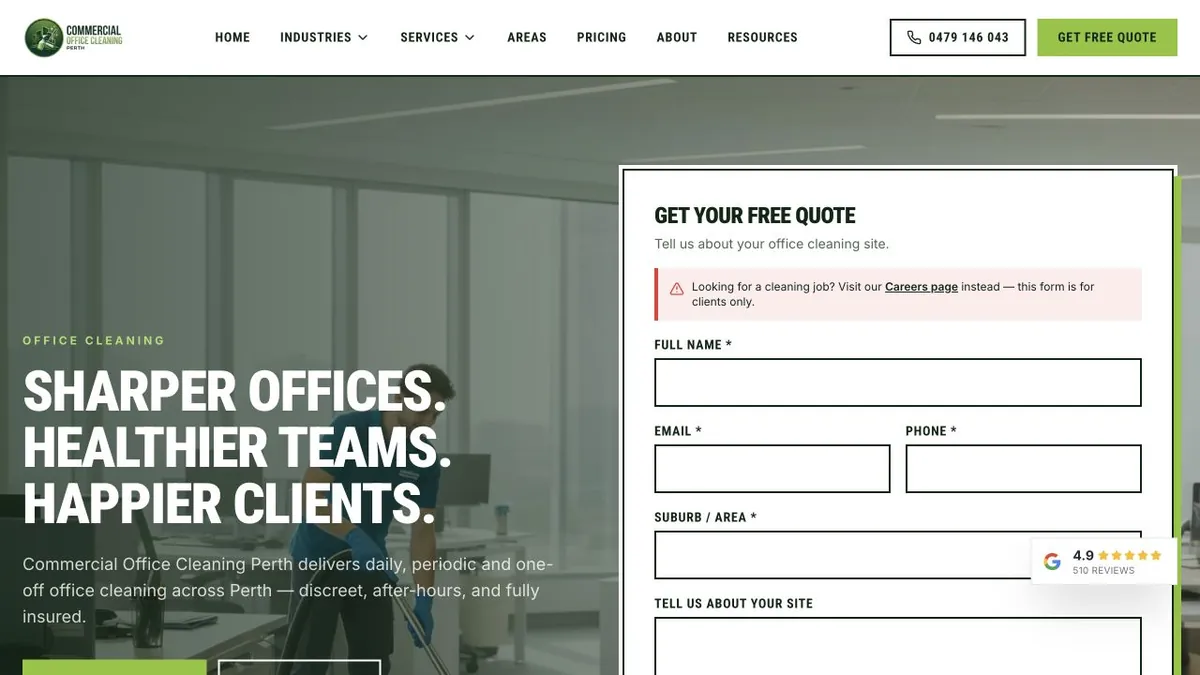
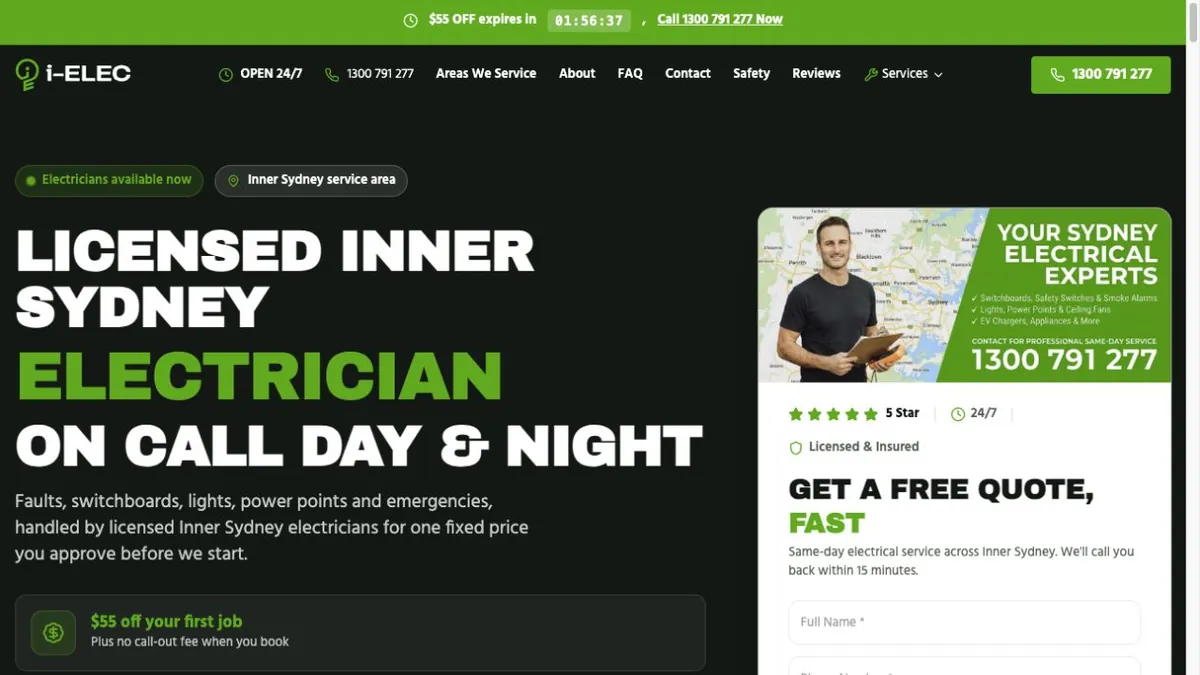
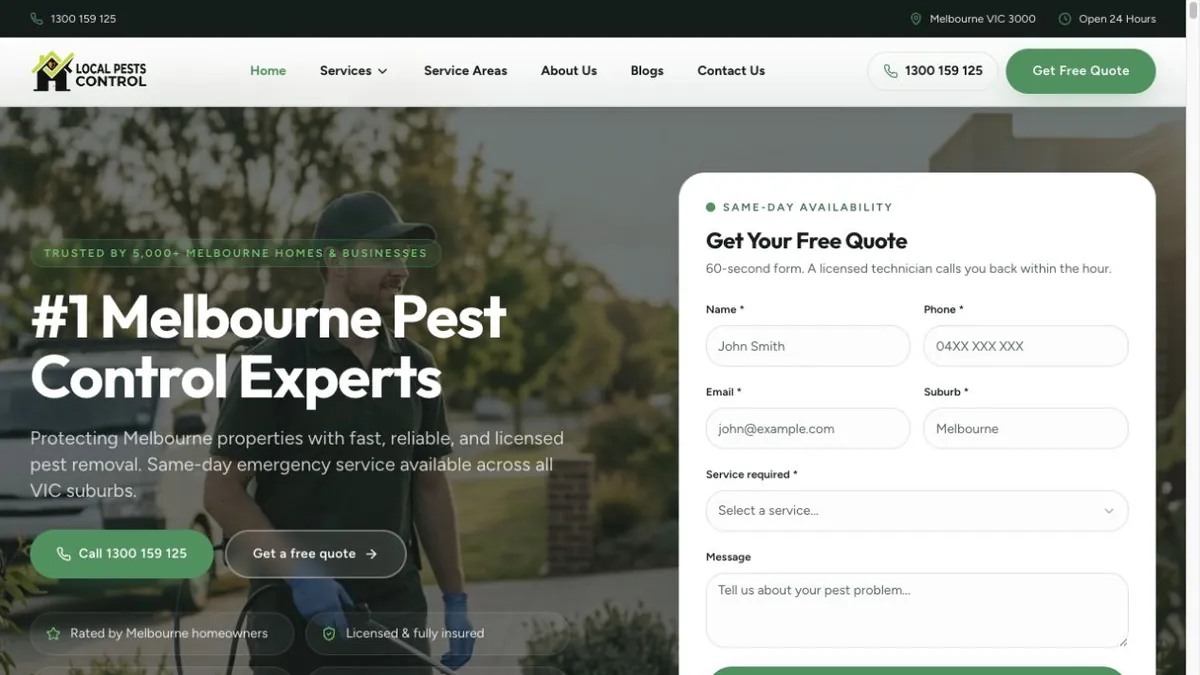
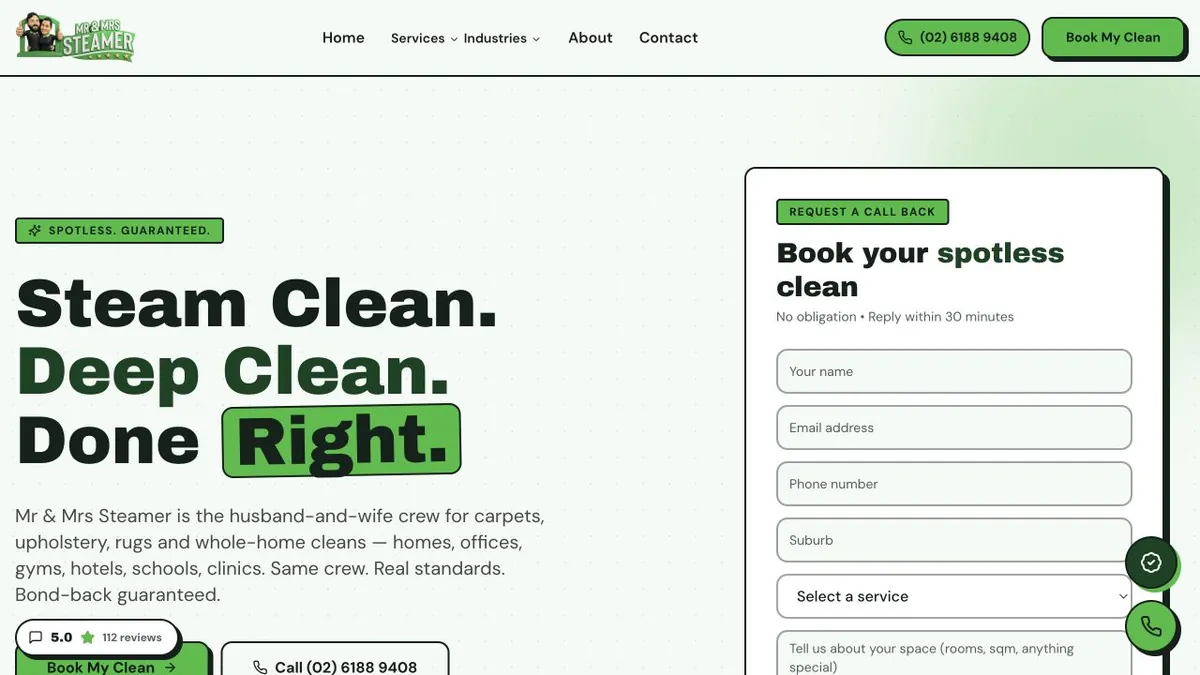
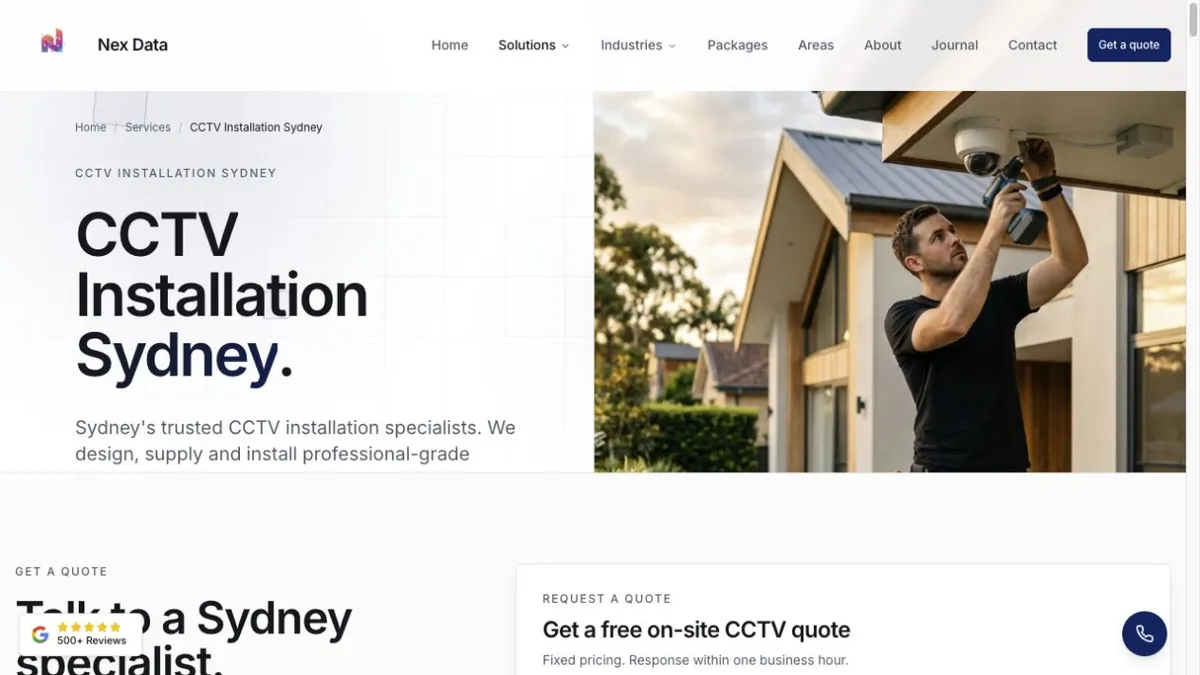
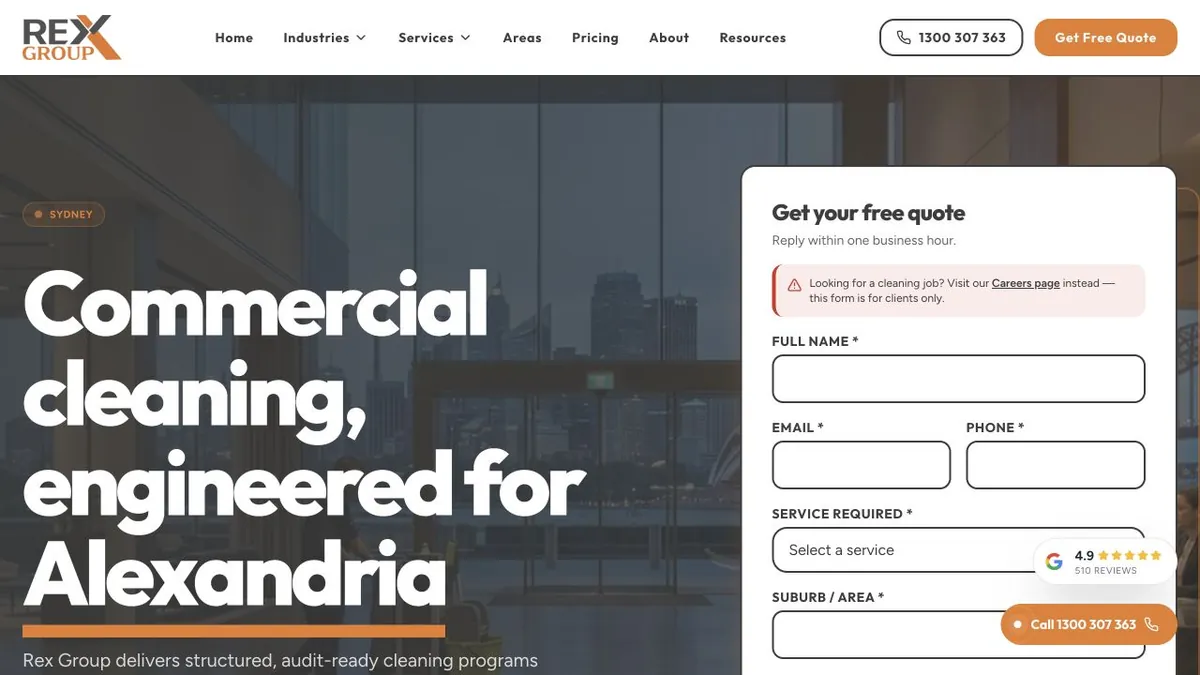
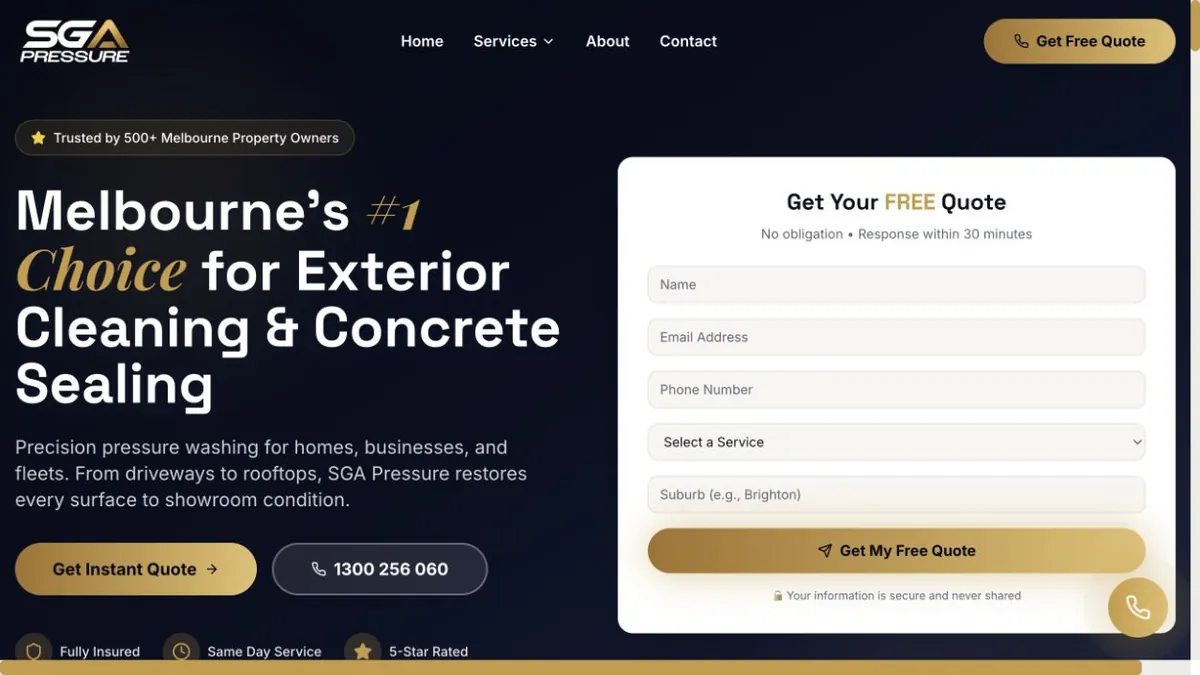
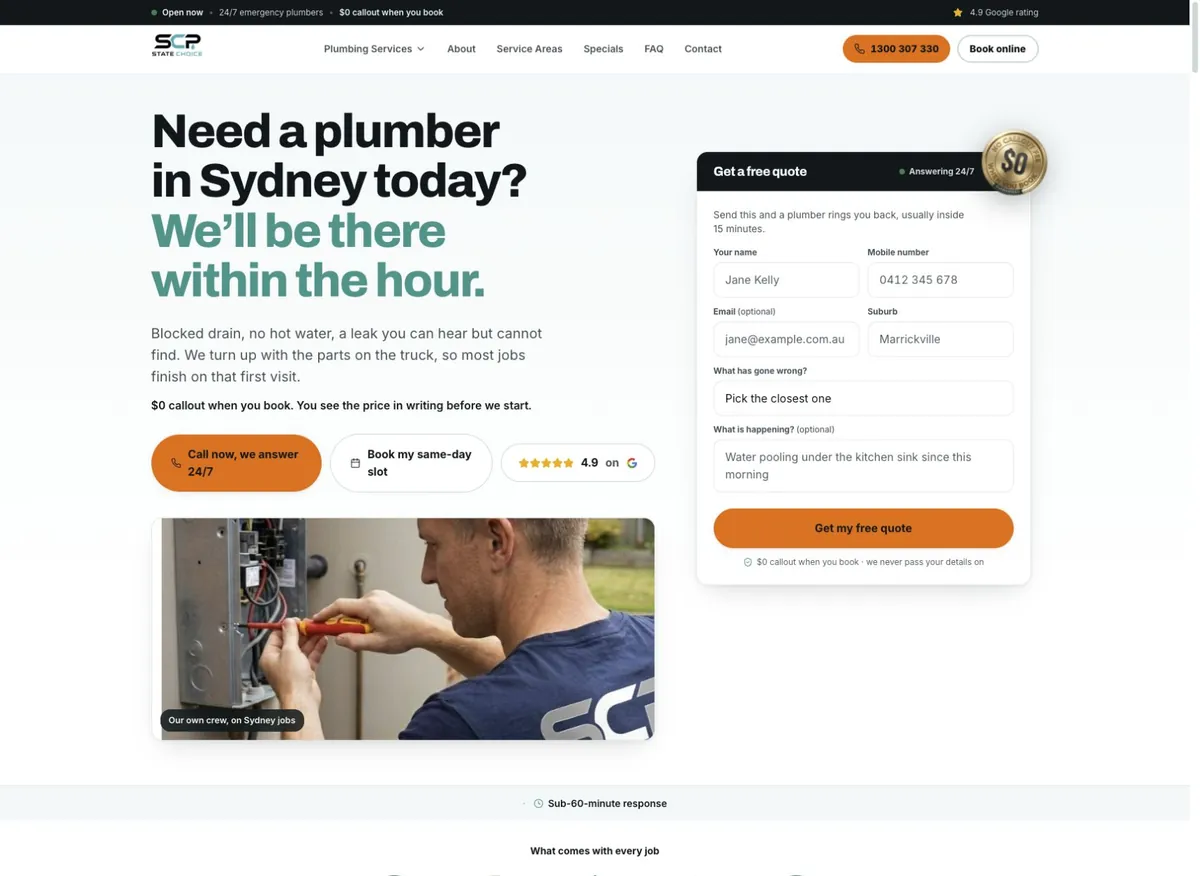
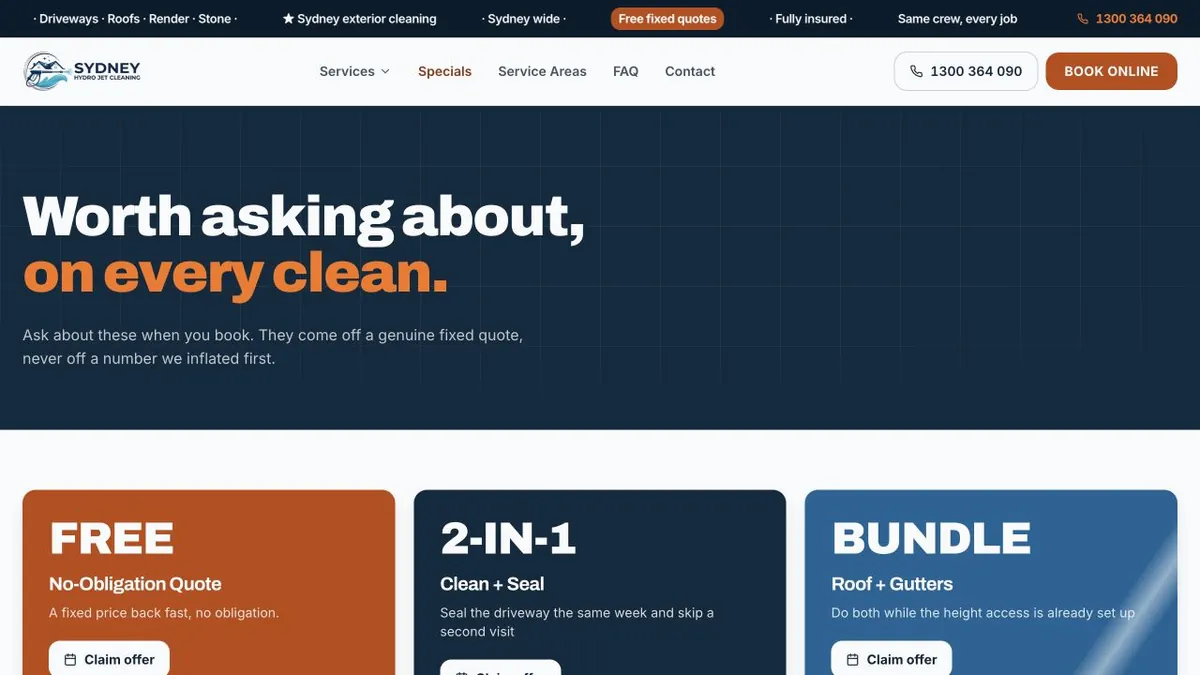
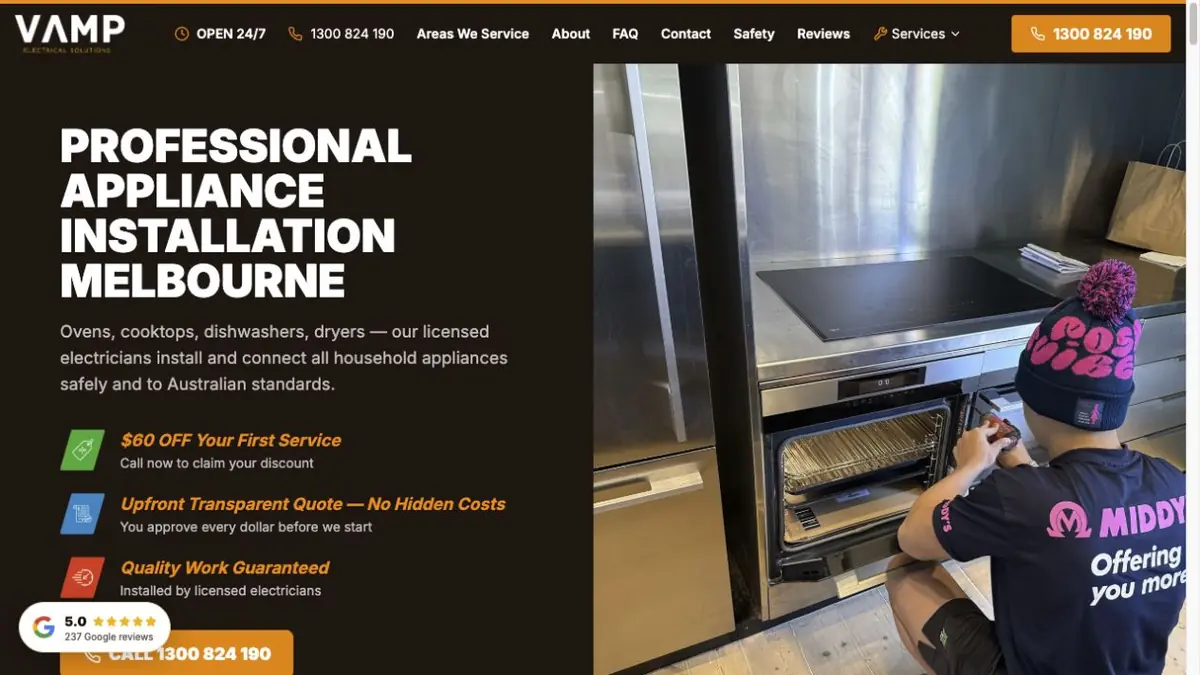
    Impress Blinds — cost per enquiry down 62.63%, $23.6 to $8.82SLS Solicitors — cost per enquiry down 58.48%, $84.64 to $35.14FixCare Property — cost per enquiry down 56.36%, $35.24 to $15.38Rubbish Removal WA — cost per enquiry down 53.18%, $71.02 to $33.25Floral Cakery — cost per enquiry down 49.82%, $13.83 to $6.94ILLUMINATE Laser Emporium — cost per enquiry down 48.54%, $138.65 to $71.35Aussie Plumbing — cost per enquiry down 41.96%, $117.75 to $68.34Sydney Fence Painting — cost per enquiry down 33.68%, $136.62 to $90.61Alliance Plumbing — cost per enquiry down 29.6%, $81.26 to $57.21Gridless Build Solutions — cost per enquiry down 29.16%, $78.16 to $55.37FacilityWorx — cost per enquiry down 23.62%, $157.13 to $120.01Cornerstone Roofing — cost per enquiry down 20.47%, $41.71 to $33.17A council finance platform — 194 of 194 requirements metA council finance build — 14 weeks to UAT, −34% 10-yr costA cultural institution — $634K of $750K kept workingA council platform — $470,106 built vs $503,262 SaaSA federal agency — n=5,000 prevalence survey at ±1.4%A civic mural — 36 concepts for a 71m × 9m wallA regional shire — 32-page visitor guide, 3 weeks earlyA shire council — one platform retiring 8 of 9 vendorsA pressure washing business — 138 jobs at A$20.43 eachA pressure washing business — 21.20% conversion rateA carpet cleaner — 53 jobs in 15 days at A$24.92 eachA roofing company — 68 quote requests in 35 daysA CCTV installer — 39 qualified leads in 15 daysA fence painter — 36 jobs in 24 days, quotes by day 3A maintenance business — live in 8 weeks, 3 stacks gone41 numbered clauses, published in full5.0 across every Google review$120M+ in media under management250+ active engagements across five countries

    Google Search campaigns Search is where buying starts.

    It is the only advertising where your customer starts the conversation. They have a problem, they type it, and at that moment you are either on the page or you are not. We build the account that puts you there, and we keep it honest about what a job actually costs.

    138 jobs in 41 days at A$20.43 each · Pink Flamingo, an end-of-lease cleaning business in Melbourne · Full breakdown in the case study

    Inside the account

    Seven ways a
    Search account leaks.

    None of these are exotic. They are what we find in almost every underperforming account we open, and not one of them shows up in a cost-per-click report.

    • Broad match, running without a net

      Broad match lets Google decide what counts as your keyword. With no negative list behind it, within a week you are paying for job ads, DIY videos, the wrong trade and the suburb you don't drive to.

    • One ad group holding every service

      A plumber bidding on blocked drains, hot water and gas fitting from a single ad group runs one ad for three different customers. It fits none of them, and the click price says so.

    • Ads written from the homepage

      Headlines that say the business name three times and never repeat the words the person actually typed. Google rewards the match; so does the reader.

    • Half the ad left empty

      Sitelinks, callouts and structured snippets blank. Your ad takes up a third of the space a competitor's does at the same bid, and the top of the page goes to whoever bothered to fill theirs in.

    • Every conversion counted the same

      A newsletter signup and a A$4,000 job in the same column. Smart bidding then optimises toward whichever is cheapest to get, which is never the job.

    • The search terms report never opened

      It is the single most useful screen in the account — the actual words people typed — and in most accounts we take over, nobody has opened it in months.

    • Location and schedule left at default

      Ads running at 3am with nobody to answer the phone, and targeting set to 'presence or interest', which quietly serves people who merely read about your city.

    The ad, actual size

    Thirty characters to earn the click.

    A responsive search ad is a fixed, unforgiving shape. Everything a stranger learns about your business before deciding whether to click has to fit inside it — and every character is a decision somebody made.

    • 30

      characters per headline

      The whole promise, in about five words. Most of the work on an account is here.

    • 15

      headlines per ad

      Written for the search they answer — never recycled across the account.

    • 90

      characters per description

      Proof, not adjectives: the guarantee, the response time, the licence, the price.

    • 4

      descriptions per ad

      Two are pinnable. The rest stay free so Google can test what lands.

    • 15

      characters per display path

      A hard cap. Go one over and Google rejects the ad without giving you an obvious reason why.

    • 20

      sitelinks per campaign

      The ceiling. Filling them is free real estate; leaving them empty is not neutral.

    So we write for the search, not for the brand guidelines.

    Headlines repeat the words the person typed, because that is what they are scanning for. Descriptions carry proof rather than adjectives — the licence, the response time, the guarantee, the price. Pins go only on the claims that are fixed, so the rest can be tested against each other.

    Then we go back and read what Google actually served, which is regularly not the combination we expected. That check is the difference between writing fifteen headlines and knowing which three are doing the work.

    Three real accounts

    Pink Flamingo · 41-day period

    A$20.43

    Cost per job booked

    138 jobs from A$2,819.92 of ad spend

    Pink Flamingo · Search

    21.20%

    Click-to-job conversion rate

    Measured on booked jobs, not form loads

    Cleanetic Perth · 15-day period

    53

    Jobs from a brand-new account

    A$24.92 cost per job · no conversion history at launch

    Figures are from live client accounts and are dated in each case study. They are what those campaigns did, in those markets, at those budgets — not a forecast for yours.

    Ten things happen on a Search account. Here they are, in order.

    This is the part most agency pages keep vague, and it is the only part that decides whether the money works. So it is written down.

    1. Sort the searches by what the person wants

      “Emergency plumber Richmond” is a customer. “How to unblock a drain” is a reader. One becomes a keyword, the other becomes a negative before it costs you a cent. Every term we find gets put in one bucket or the other, on purpose.

    2. Choose the match settings deliberately

      Every keyword gets a setting chosen for what that term has already proved, rather than one blanket setting rolled across the account. The looser settings have to earn their place with real conversion data and a negative list strong enough to hold them.

    3. Start pre-negated

      Plumbing, electrical and cleaning each have a negative-keyword bank our team maintains by hand, built from the accounts that came before yours. A new account in that trade inherits it on day one. You are not paying to learn what we already know.

    4. Build the structure around the search

      Built tight enough that the keyword, the ad and the page all say the same thing. That alignment is most of what Quality Score is measuring, and Quality Score is what decides whether you pay more or less than the business beside you.

    5. Write the ads for the search

      Fifteen headlines and four descriptions, written for the search rather than lifted from your homepage. Anything that has to stay exact — a licence number, a legal line, an offer — is held in place, and the rest is left free for Google to test. Then we read what Google served, which is rarely what we expected.

    6. Fill every asset

      Sitelinks, callouts, structured snippets, call, location, price and lead-form assets. Each one is more of the page occupied by you and less by whoever is bidding against you.

    7. Set geography and hours honestly

      Presence targeting, so you pay for people who are actually in your service area rather than people reading about it. Suburb, postcode or radius. And an ad schedule that matches when somebody answers the phone.

    8. Track each conversion as itself

      We count calls over sixty seconds, form submissions, bookings, live chats and purchases separately, and put a value on each. Until somebody gets that right, the bidding chases whatever is cheapest, and cheap is rarely the job you wanted.

    9. Clean the search terms every working day

      We read what people typed, negate the waste, and give the terms that produced customers a place of their own. It is the least glamorous job on the account and the biggest single lever on cost per job.

    10. Move the bidding when the data earns it

      Manual CPC while a brand-new account has nothing to learn from — that is not a preference, it is what works — then a conversion-based strategy once there is enough history to trust it. Budget follows whatever is producing customers this month.


    Step 09, with your own hand.

    $0 refused of $3950 of 12 terms

    Real search terms from accounts we run, anonymised — no client is named. Every one of them took money and booked nothing. Sweep across them with a mouse, or tab to one and press space, to refuse them. That is the daily clean, and it happens every working day.
    How an engagement runs

    The first ninety days, honestly.

    1. Week 0

      The audit and the first call

      Thirty to forty-five minutes on what you sell, who buys it and what a customer is worth. Then we open the account — or your competitors' ground, if you don't have one — and write down every leak.

    2. Week 1

      The build

      Keywords, negatives, ad groups, ad copy, assets, landing pages and tracking. A second strategist reads all of it. Nothing is live and nothing has spent.

    3. Day one

      You press go

      We build every campaign paused so you can read the whole thing first. You switch it on when you are ready, not when we are.

    4. Days 1–14

      The clean

      The busiest fortnight we will ever have on your account. Search terms read daily, waste negated, early winners promoted, ad copy iterated against what is actually being served.

    5. Weeks 3–6

      The account finds its shape

      Enough conversion data to see which parts of the account carry the load. Budget moves toward them, bidding strategy is reconsidered, and the parts that never made sense get restructured or stopped.

    6. From there

      Rhythm

      Weekly optimisation, reporting on a fixed cadence whether the news is good or bad, and a proper conversation each quarter about where the next block of budget should go.

    We build every campaign paused, every time. You read the build before a dollar moves — that is a rule we hold ourselves to, not a favour.

    SoudCoh Compound™

    Search accounts live or die on two of the six stages.

    Compound is how our team works on any account — six stages every change passes through. A Search campaign puts most of its weight on these two.


    • Sweep

      Waste is found daily, named, and priced.

      The daily search-term clean is this stage, running on your account. We negate the waste, promote the winners, and put both in a dated record — so “we optimised the campaign” is a list you can open, not a sentence in an email.

    • Countersign

      Nothing reaches a live account with one name on it.

      A second person reads every keyword, negative, bid change and ad rewrite before anyone pushes it. Search is the channel where a single careless negative can switch off your best-performing ad group, which is exactly why it gets two names.

    FAQ

    Search campaigns, answered.

    Cost, timing, contracts, who owns the account, reporting, and what happens when a campaign is not working.

    The first call is free and there is no deck.

    Talk to us about your account

    They do different jobs and plenty of accounts run both. Search captures intent expressed in words — a service, a problem, a suburb — which makes it the workhorse for calls, bookings and quote requests. Shopping answers a product query with an image, a price and a review before anyone clicks, so it carries the load for online stores. If you sell services, start with Search. If you sell products, we run Shopping alongside it and let the search term data decide where the budget goes.

    Two separate numbers. Your ad spend goes to Google, and what it needs to be depends on how competitive your keywords are and how many jobs you want — the smallest companies we work with invest a minimum of A$3,000 a month, and our largest clients run multiple eight figures a month across paid channels. Our management fee is separate and scales with the work. There is no one-size-fits-all answer, which is why the first call is free: you get a real number for your situation before you commit to anything.

    Search ads can produce calls and form submissions within hours of going live, because you are meeting demand that already exists rather than creating it. The first two to four weeks are an optimisation period — we are reading search terms daily and cutting waste. Accounts usually settle into their best rhythm around 60 to 90 days, once there is enough conversion data to bid confidently. Pink Flamingo booked 138 jobs in 41 days; Cleanetic booked 53 in its first 15 days on a brand-new account. Your industry, competition and budget all move that timeline.

    No long-term lock-in. We would rather keep the work because it is producing than because a contract says you have to stay. What we do ask for is enough runway to be fair to the account — a Search campaign judged on its first ten days is being judged during the part where we are still cutting waste out of it. The terms are put in front of you in plain English before anything is signed.

    We own and run the account, because the build is proprietary methodology refined across 250+ engagements — bidding architecture, negative-keyword libraries, audience stacks and conversion tracking. You get full-visibility reporting on performance and spend at all times, and on long-term marketing agreements ownership and handover options are available to discuss. You will never be in the dark about what is in the account or what it is doing.

    We tell you, in the report, in plain English, and we change what we are doing. A campaign that is not producing gets restructured, repointed at a different set of searches, or stopped. If the honest answer is that paid search is not the right channel for your business right now, we would rather say so than keep billing you for it. What we will not do is let it run quietly and hope it comes good.

    We report on a fixed cadence, good news or bad. Every report says what you spent, what it produced, what we changed and why, and what we are doing next — written in the language you use about your own business rather than platform jargon. You can also see live performance and spend for yourself at any time. If a number moved, you will find out from us before you find out from your bank statement.

    We start from what your customers type, not from a volume list. Competitor analysis, search volume data, your own past enquiries and intent mapping all feed in. We begin with the high-intent terms that indicate someone is ready to buy, then expand outward as the account accumulates conversion data. Just as importantly, we decide up front which searches we are refusing to pay for — those become negative keywords before the campaign goes live.

    Exact match shows your ad for that search and its close variants — the tightest control and usually the best cost per job. Phrase match catches the search plus words either side of it, which is how you find the phrasings you had not thought of. Broad match lets Google interpret the keyword widely; it can find genuine new demand, but only with strong negatives and real conversion data behind it. We use all three, in that order of trust, and the search terms report decides what moves where.

    Quality Score is Google's 1–10 rating of your expected click-through rate, your ad relevance and your landing page experience. It matters because it moves what you pay: two businesses can bid the same amount and pay very different prices for the same position. It is mostly a measure of whether the keyword, the ad and the page all say the same thing — which is why the structure underneath an account matters more than the bid sitting on top of it.

    Yes to both. We write the ad copy for the search it answers, and never recycle it across the account. And we strongly recommend a dedicated landing page rather than sending paid traffic to your homepage — the page has to answer the ad's promise in its first screen. If your site cannot do that yet, we build the page. It is part of the same job, not an extra.

    Yes — by suburb, by postcode, or by a radius around your premises, and we use presence targeting so you are paying for people who are actually there rather than people reading about the area from somewhere else. It works the same way in any city we run: Sydney, Perth, Brisbane, Adelaide, Canberra, and outside Australia in the UK, the UAE, Saudi Arabia and New Zealand.

    Further reading

    The single most expensive mistake on this page gets its own briefing — why a working account starts paying more for every lead. And because none of it counts if the conversions are wrong, the one mis-fired tag that inflates every number you report is worth ten minutes before you touch a campaign.

    Get the keyword audit

    We read ninety days of your search terms, price the waste, and show you the keywords your competitors are holding that you are not. Yours to keep either way.

    No pitch deck. No upsell. A real conversation and a written list of leaks.