
Start with the reason for contact
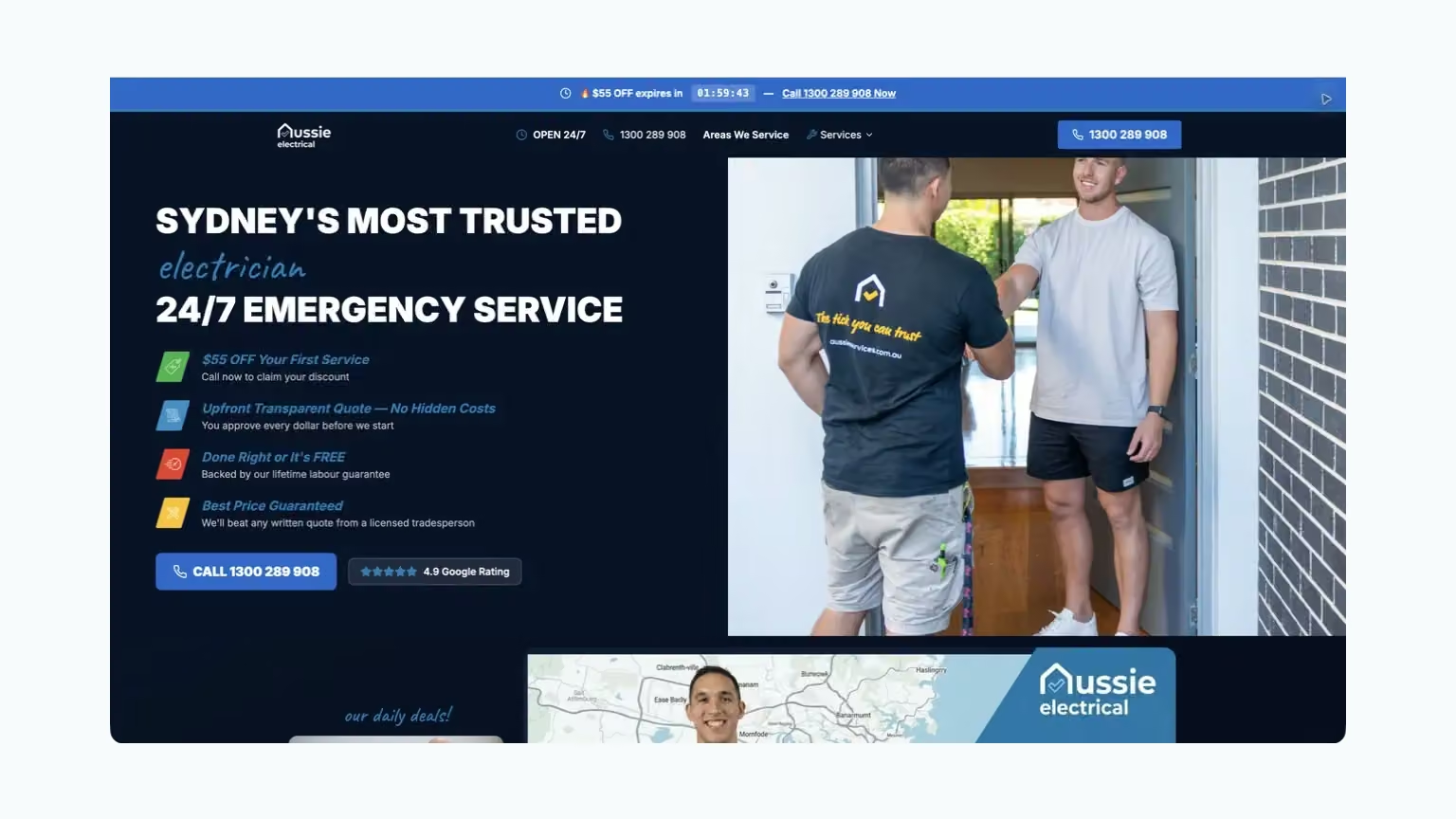
The Aussie Electrical campaign case describes a service-led approach to electrical enquiries. Its website case study combines an urgent phone route with service information for people planning work. This gives both kinds of customer a recognisable place to begin.
A person reporting no power is usually trying to establish how to get assistance. Someone considering a switchboard or lighting change needs to explain the property and intended work. A single broad message can introduce the company, but these distinct needs deserve clearer destinations and enquiry choices when the range becomes more detailed.
Keep urgent wording accurate
If a page invites an urgent call, make sure the business can provide the response being described. Telephone availability, assessment and attendance are different commitments. Avoid presenting a specific arrival time as universal when distance, workload or the nature of the request can affect it.
The website should help a customer contact a qualified professional, not encourage electrical troubleshooting to complete a form. Ask for a description of what they have observed and where assistance is needed. Leave instructions involving equipment, wiring or live electrical systems out of a marketing enquiry journey.
Give planned work enough explanation
Installation and upgrade enquiries often need more context than an urgent call. A visitor may be comparing options or working through a renovation plan. The page can explain the service, the kinds of property information useful for a quote and what happens after the request is submitted.
This does not require a technical manual. Relevant imagery, a clear inclusion outline and practical questions can help someone understand whether they have reached the right service. A planned-work page should not rely entirely on emergency language, just as an urgent service page should not bury the phone choice beneath a long discussion of renovation options.
Make the first request fit the service
Collect the suburb, the kind of work and a brief description. For planned work, an optional photograph or preferred timing may help if the business can use it. For an urgent conversation, make phone contact easy to find and explain the request process honestly.
The AUS Electrical & Data Services website is another example of service-focused content and contact design. Its service pages keep the subject clear and provide a consistent way to enquire. Check whether the questions on your page collect the details your team needs for that particular job.
Read results by the kind of work
Urgent calls and planned installations can have different outcomes. A customer may need work outside the service area, seek availability the team cannot provide or be collecting information for a later project. Record those reasons clearly rather than combining all unbooked requests into a single lead-quality problem.
When a particular category attracts unsuitable enquiries, review that message and page first. If an urgent offer brings planned-work questions, the service boundary may be unclear. If suitable calls arrive when nobody can respond, the issue may be timing. The same overall enquiry total can conceal these very different situations.
Keep advertising connected to delivery
Before expanding a campaign, agree the work the business wants more of and its ability to take it on. An increase in urgent enquiries affects the day differently from more planned quotes. The owner should be able to explain how the new demand fits the roster and service area.
Review the confirmation message after each kind of enquiry. A planned-work form can explain that the team will review the details and discuss the next step. A phone option should connect to the intended contact route. Test both paths from a mobile device and check that the wording does not imply a confirmed attendance merely because contact was initiated. This small review keeps the customer's expectations aligned with the response the electrical business is actually offering.
Electrical marketing becomes more practical when its brief separates those customer needs. Use the cases to inspect clear service presentation, then shape the campaign around the real work, locations and response the business can provide. The aim is a relevant conversation with realistic expectations, followed by an assessment of the work actually accepted.