




































































    Proof
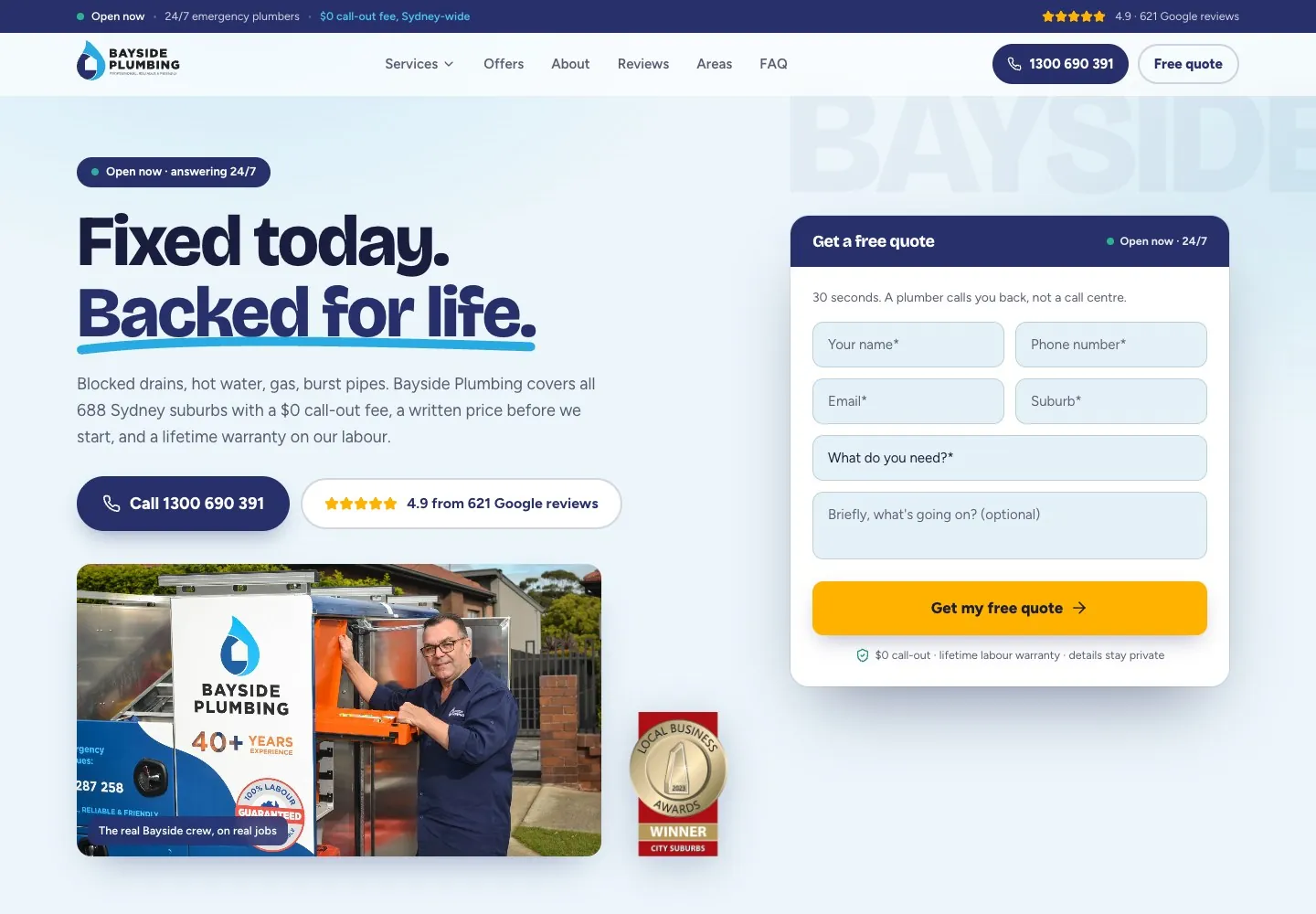
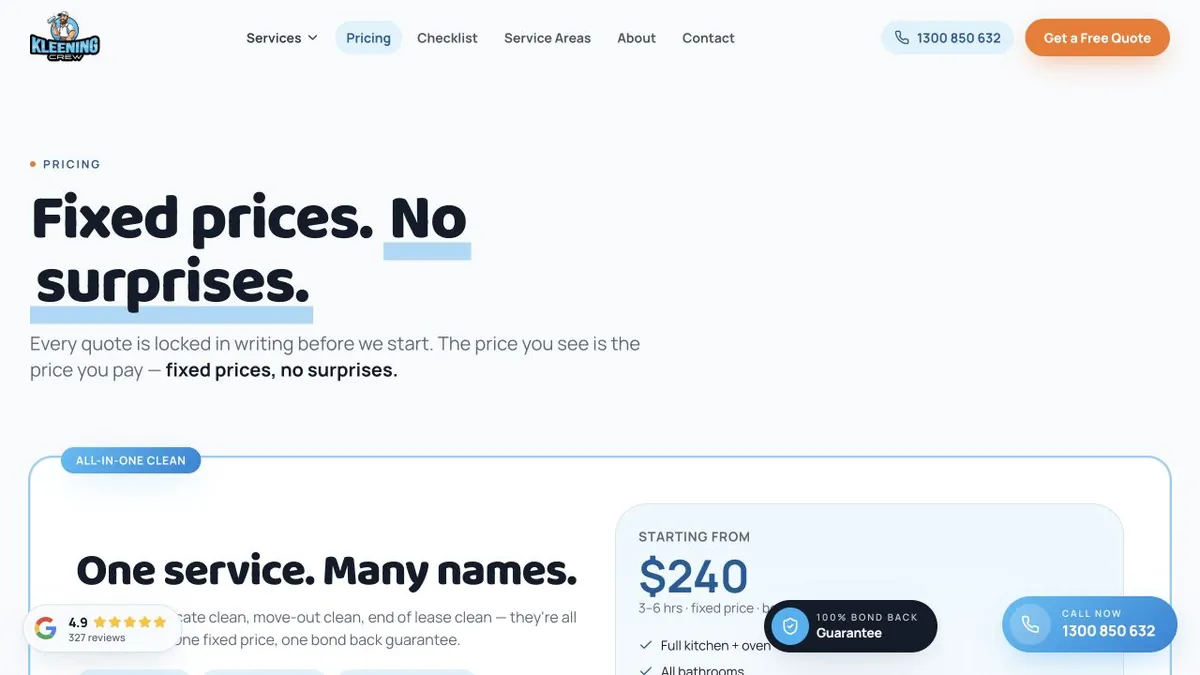
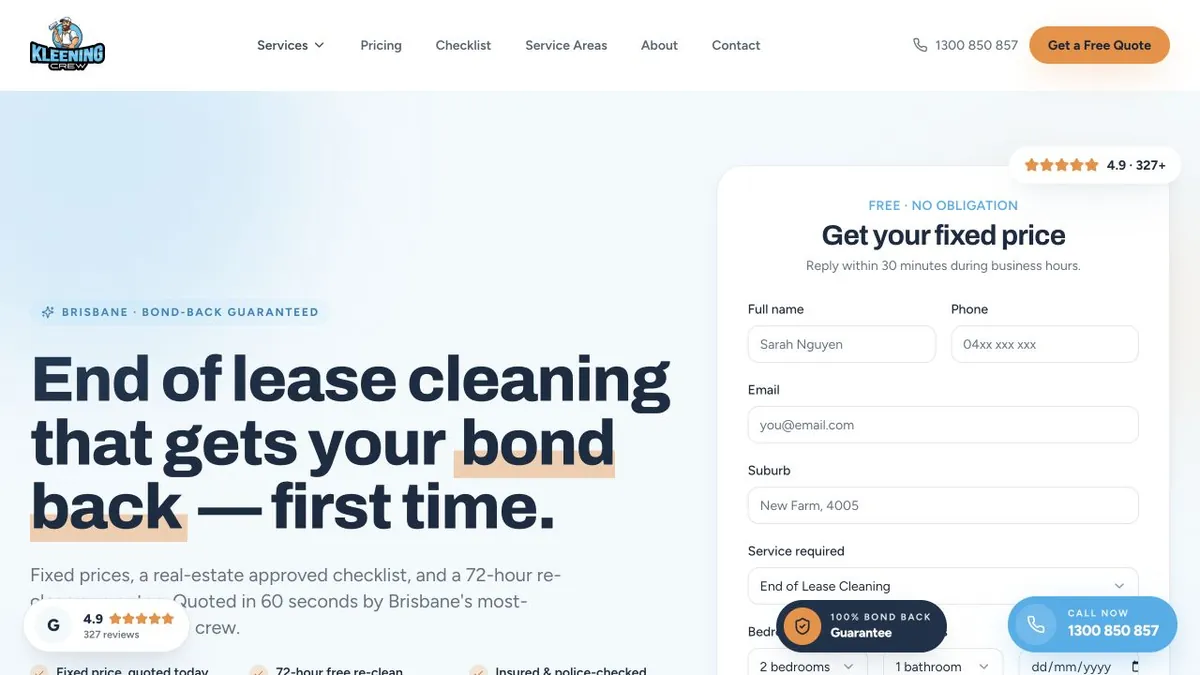
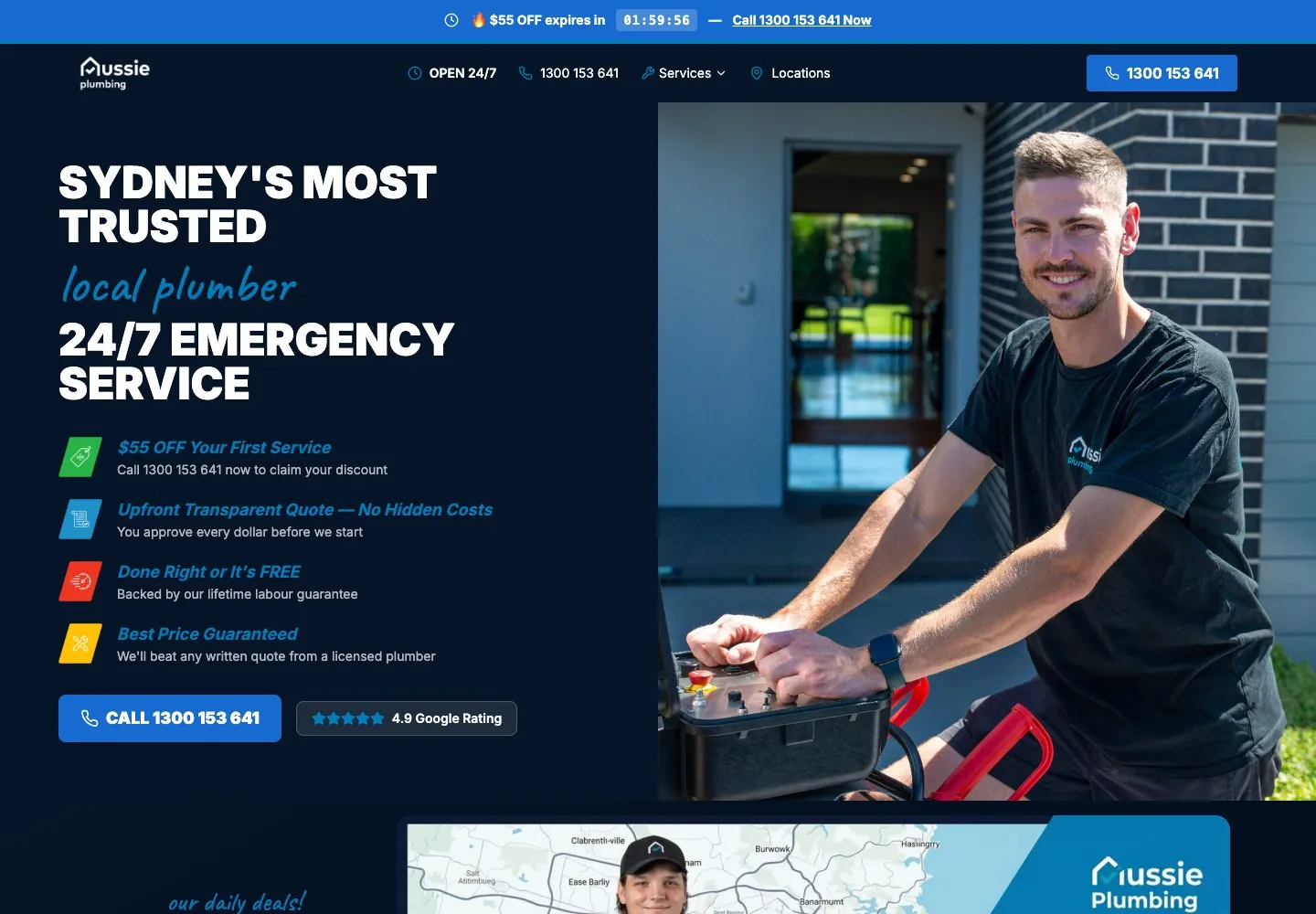
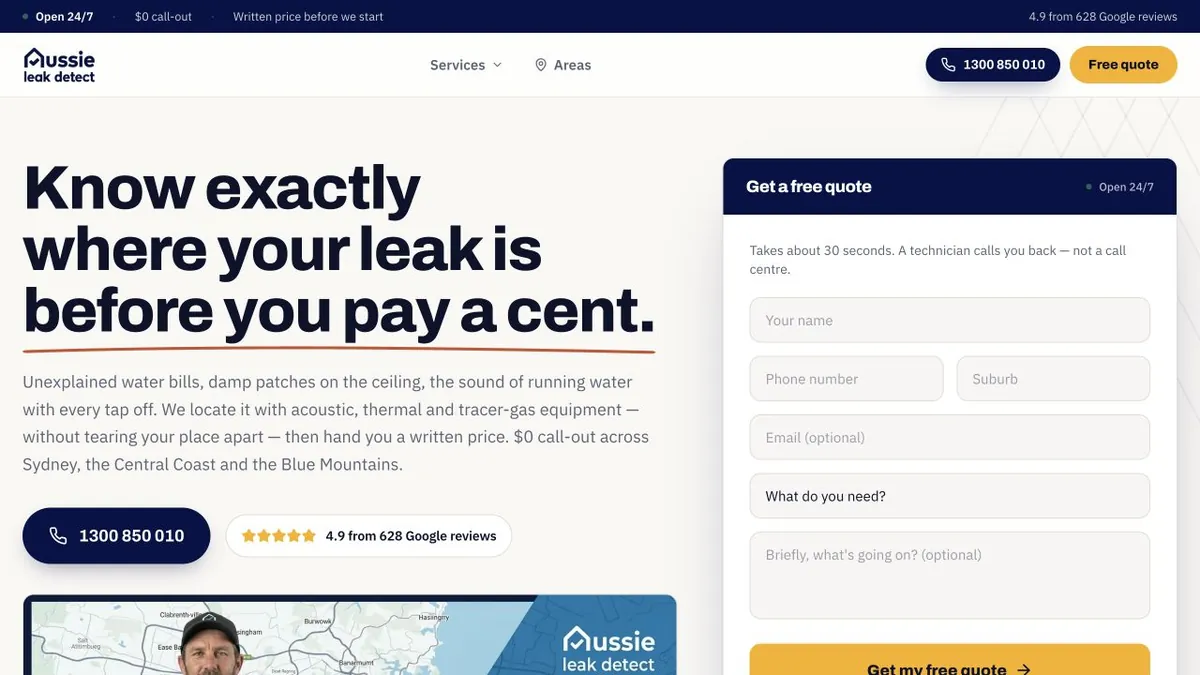
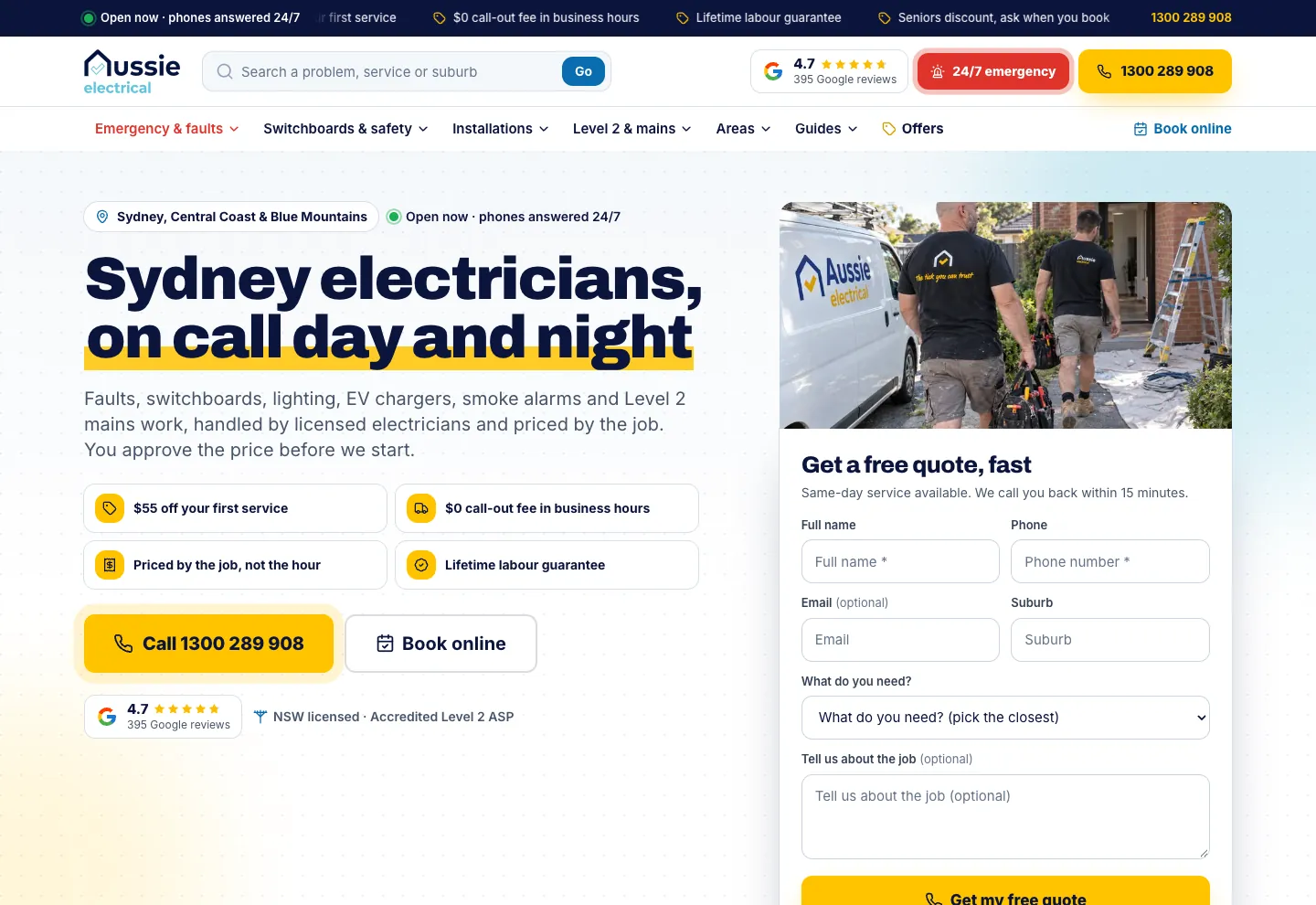
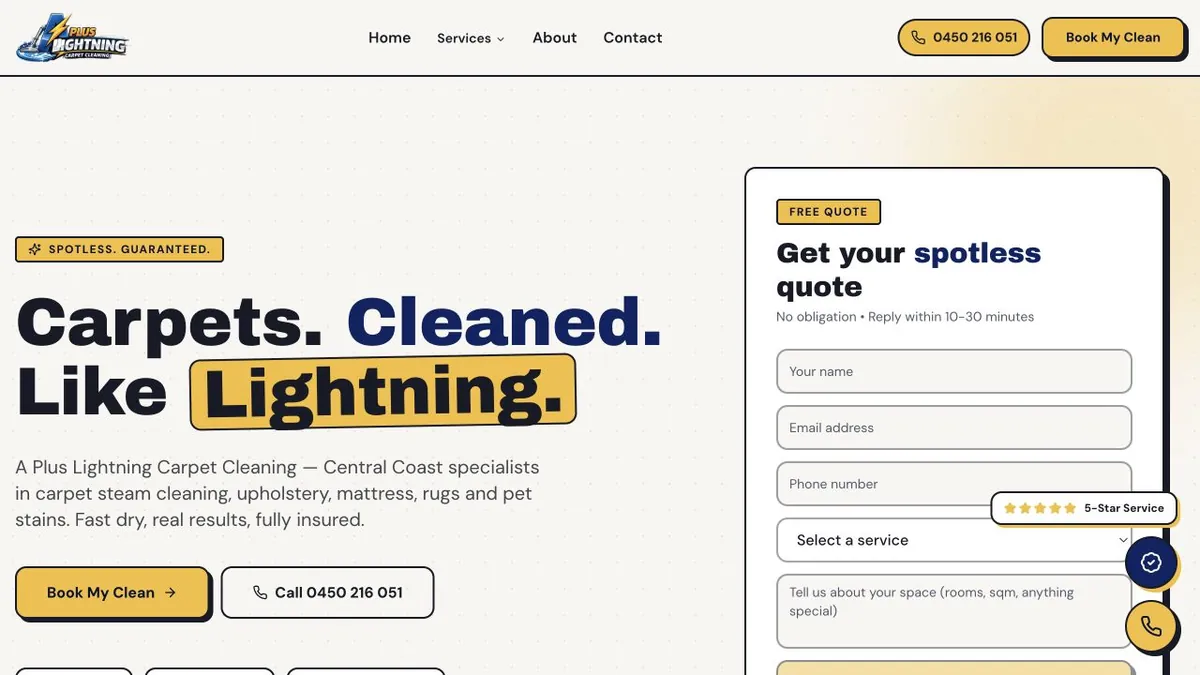
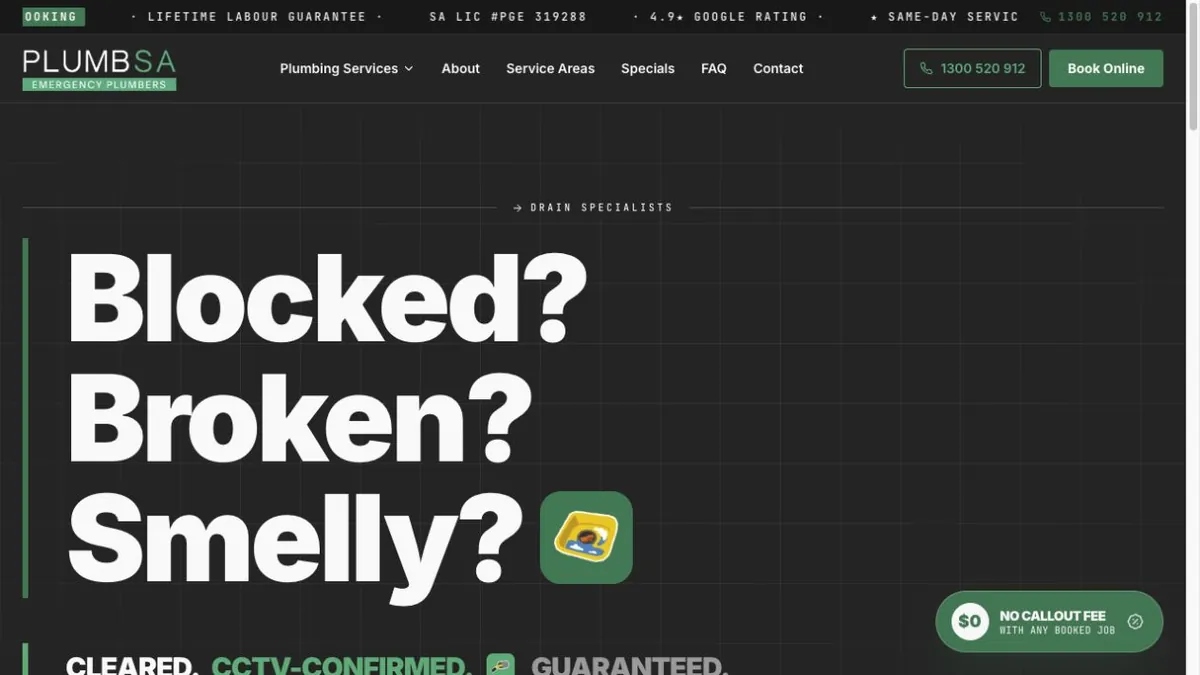
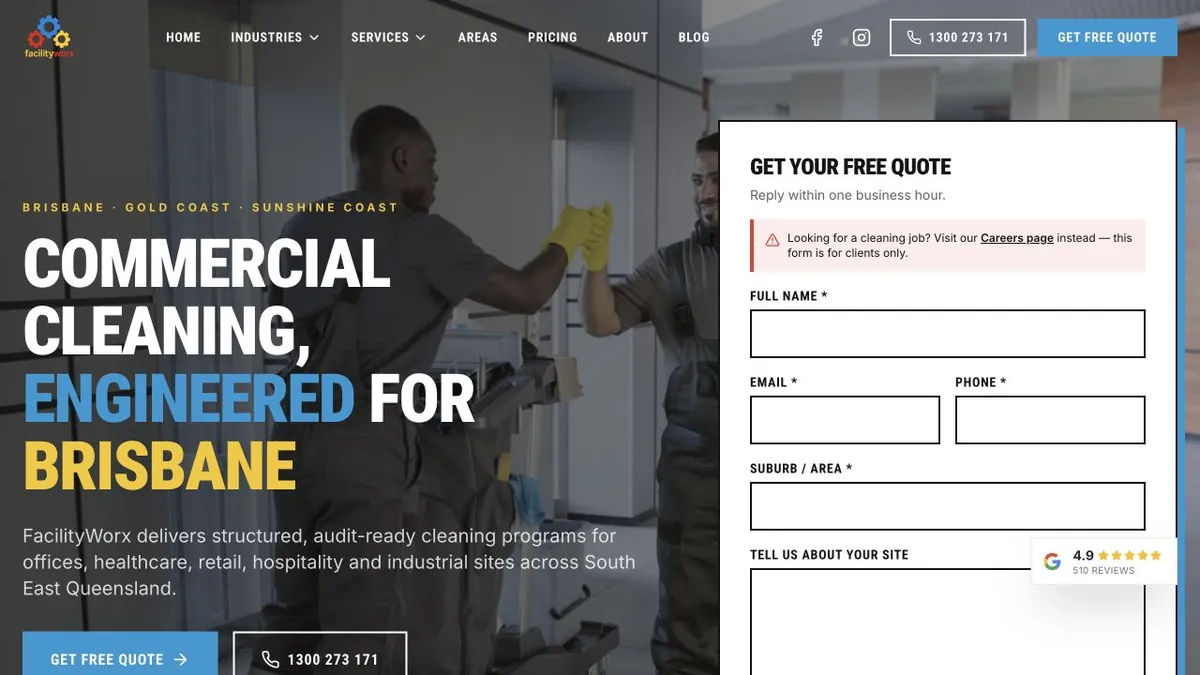
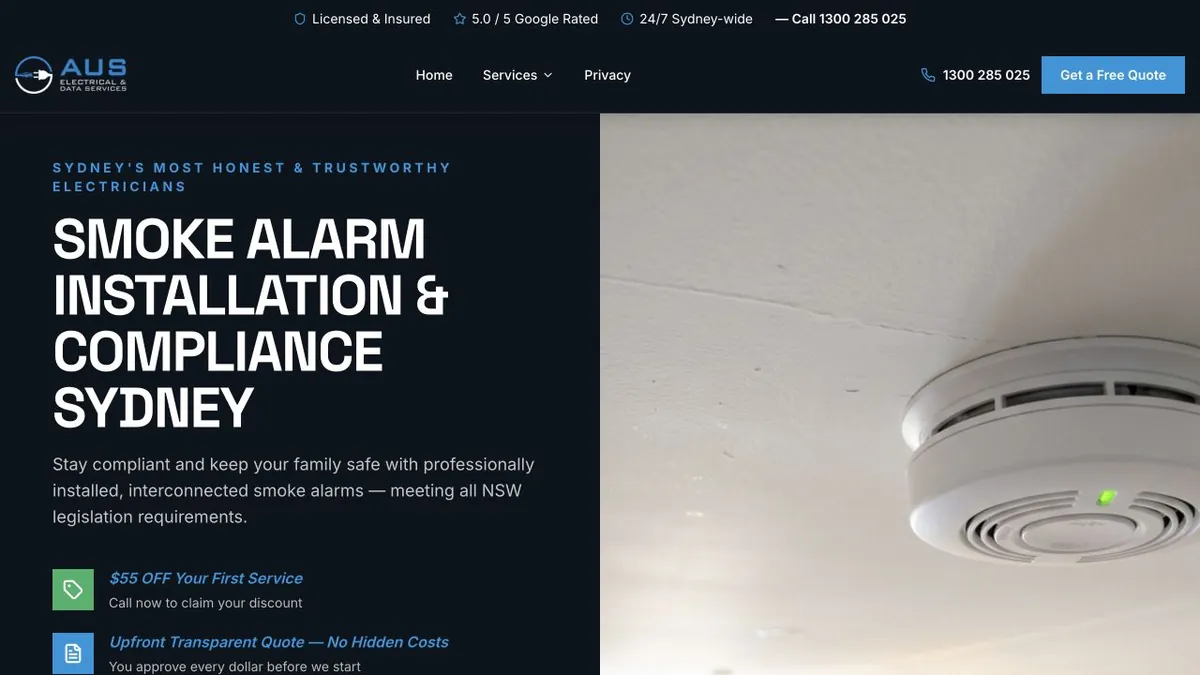
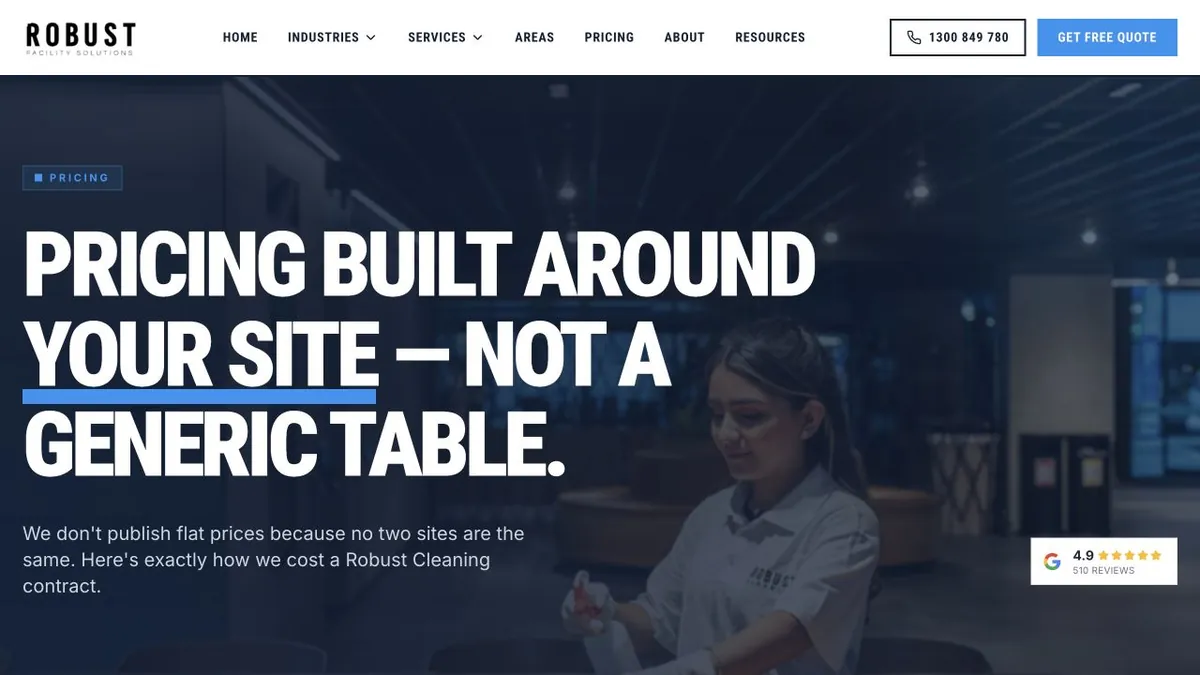
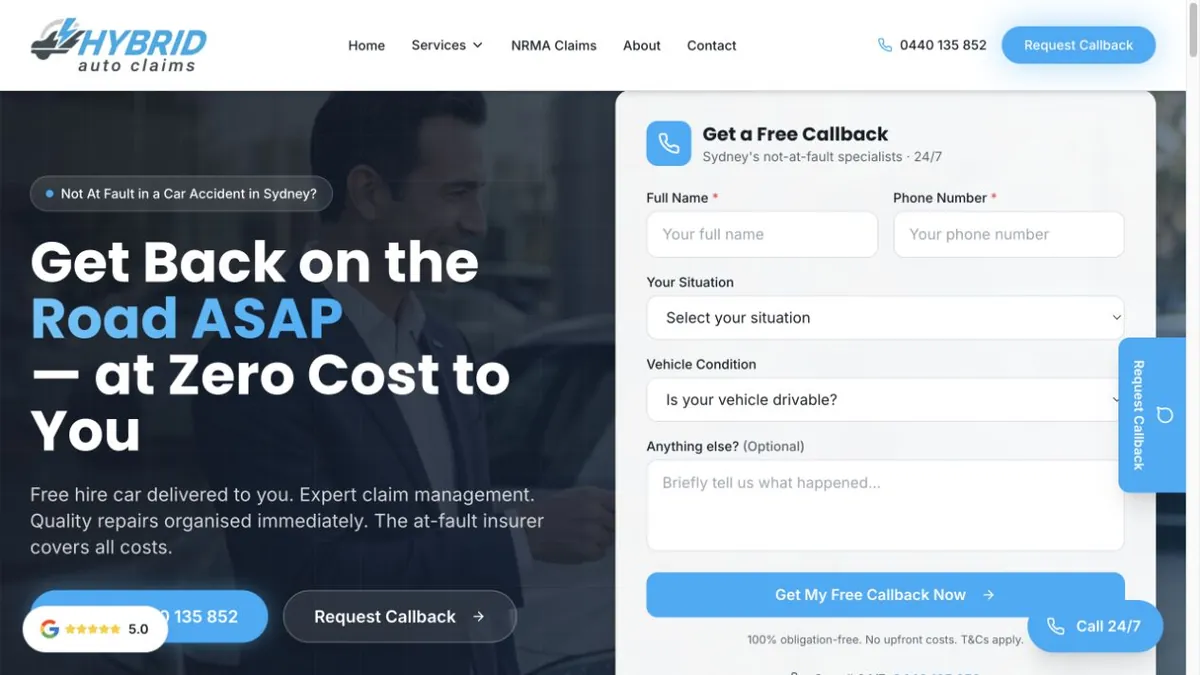
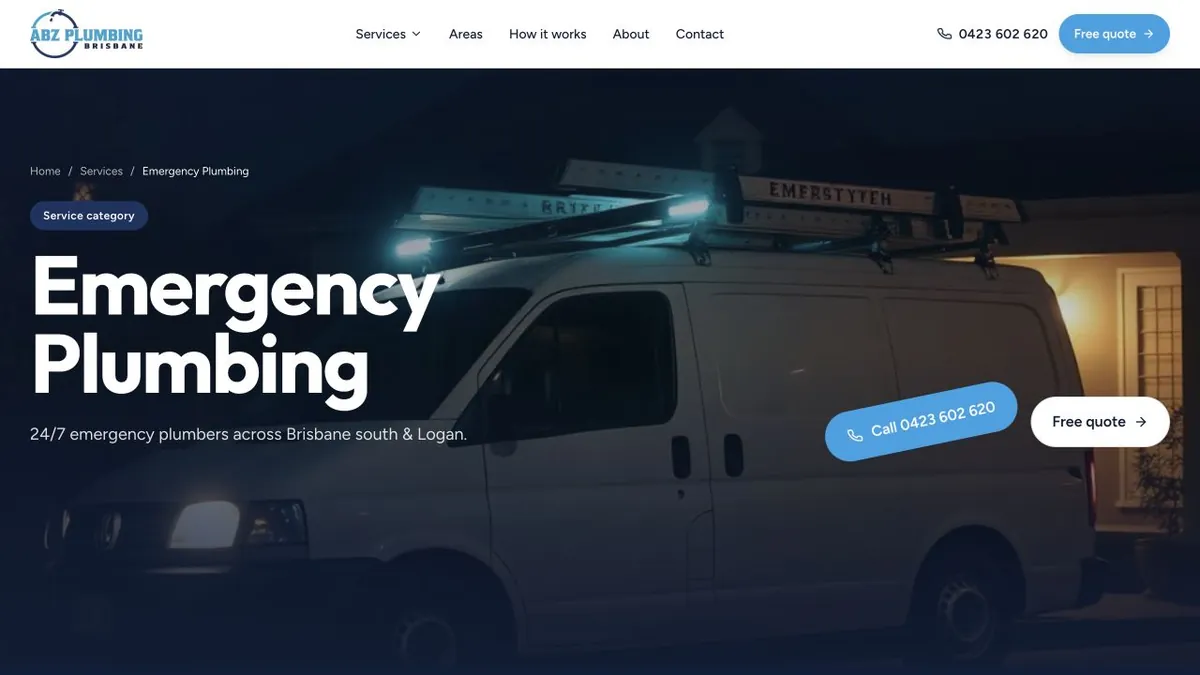
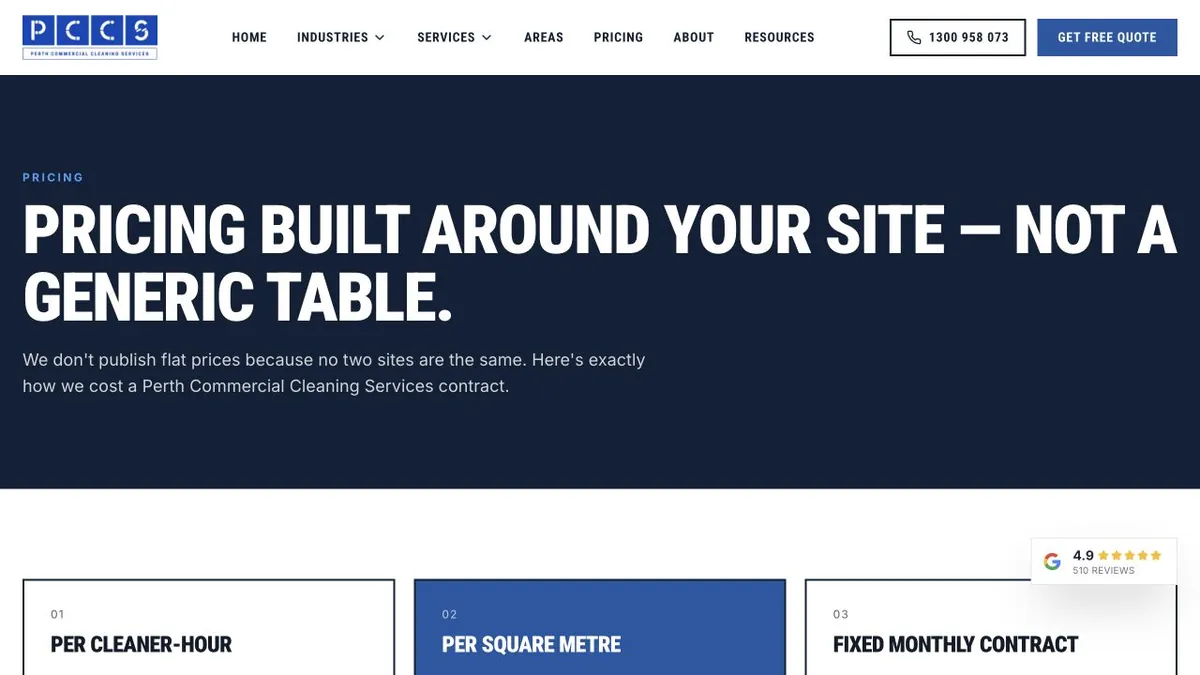
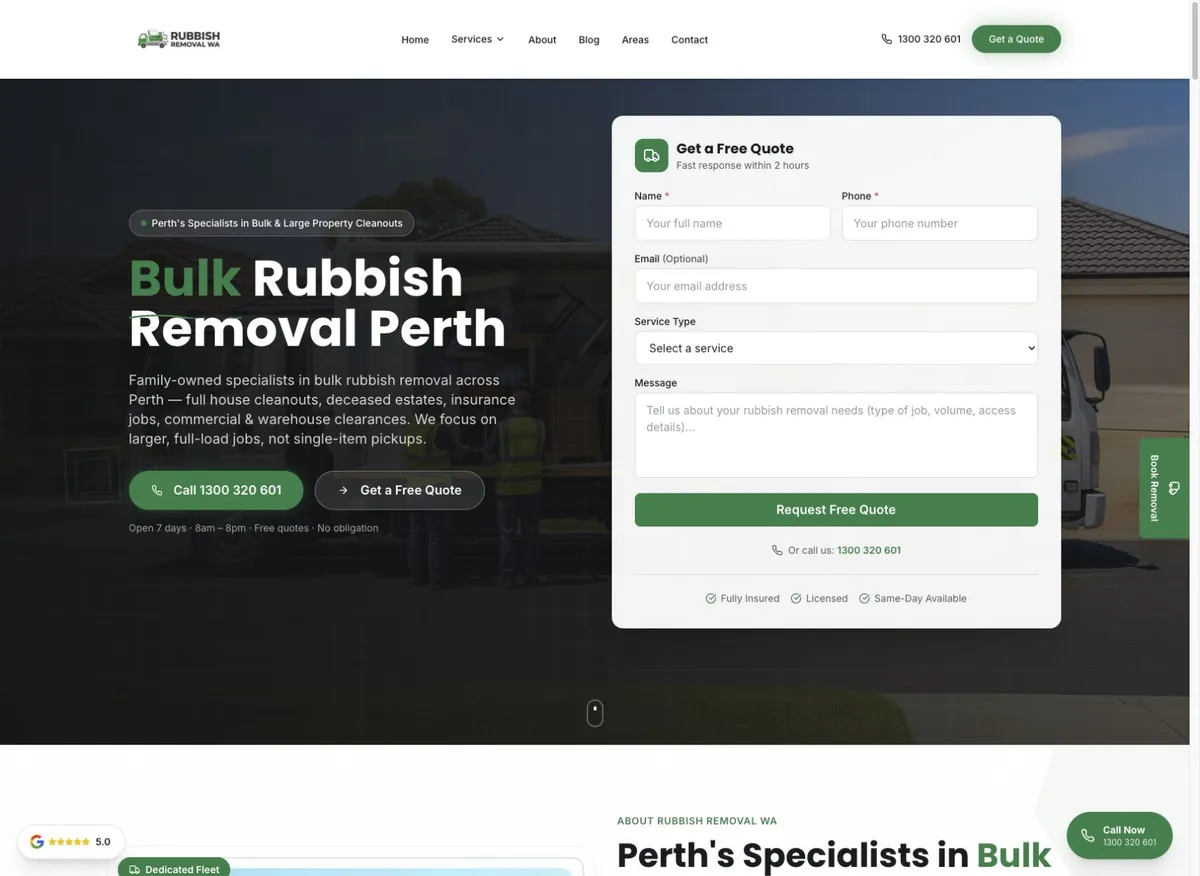
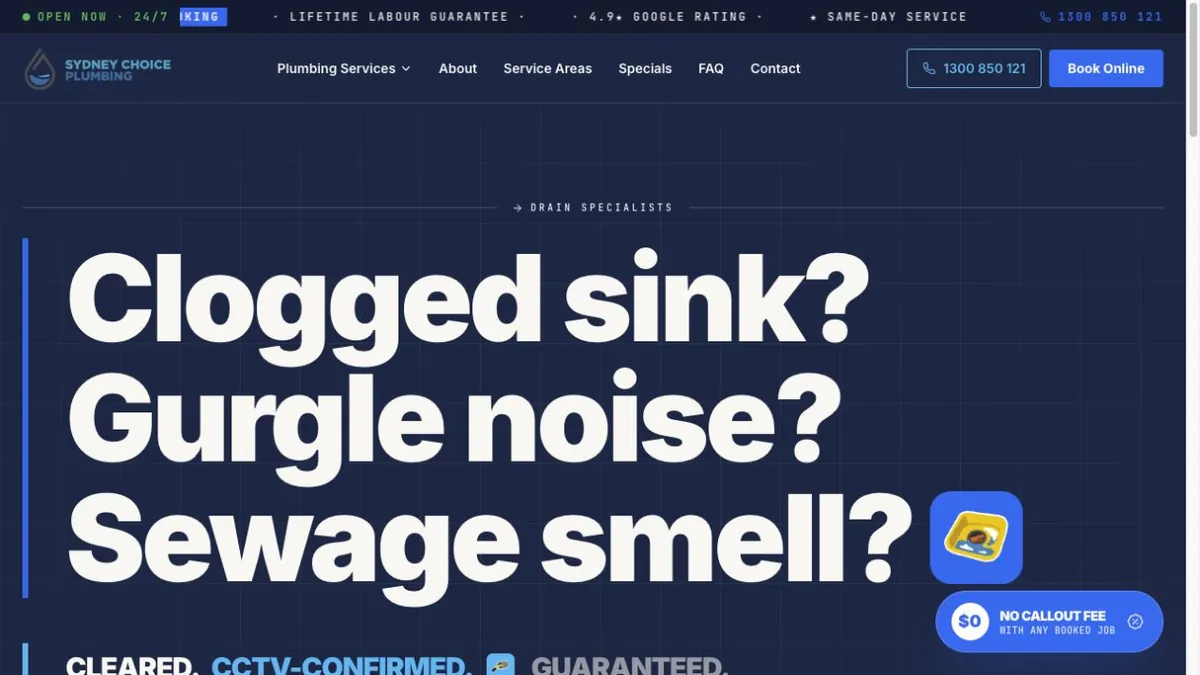
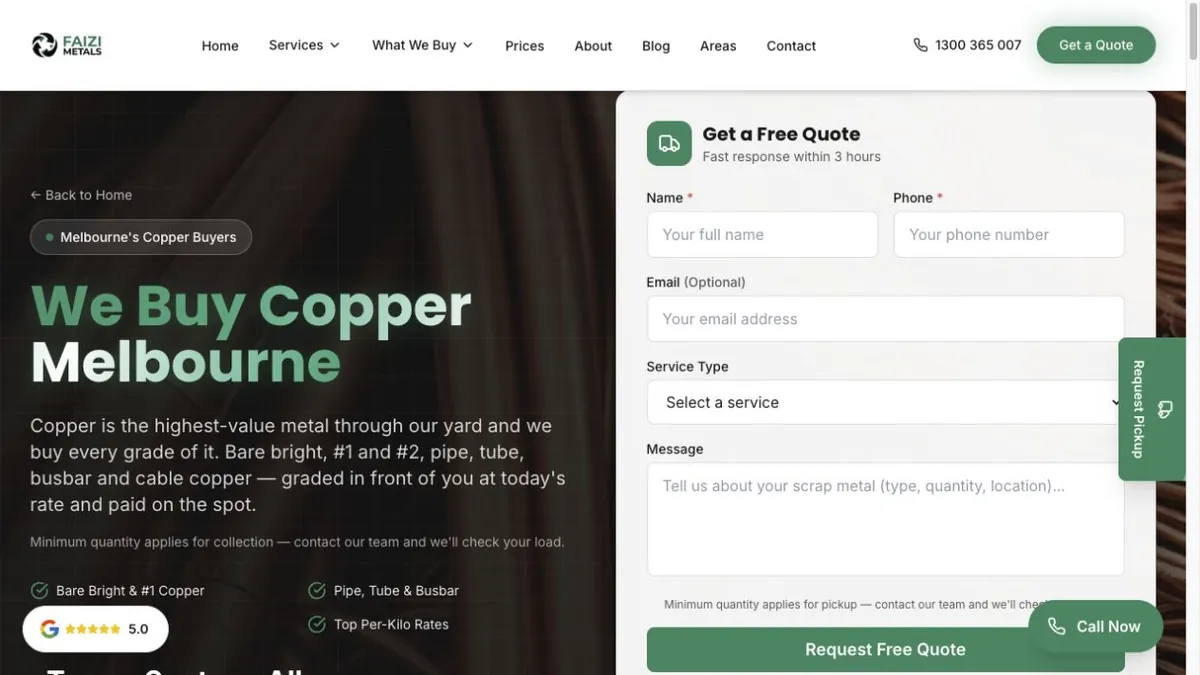
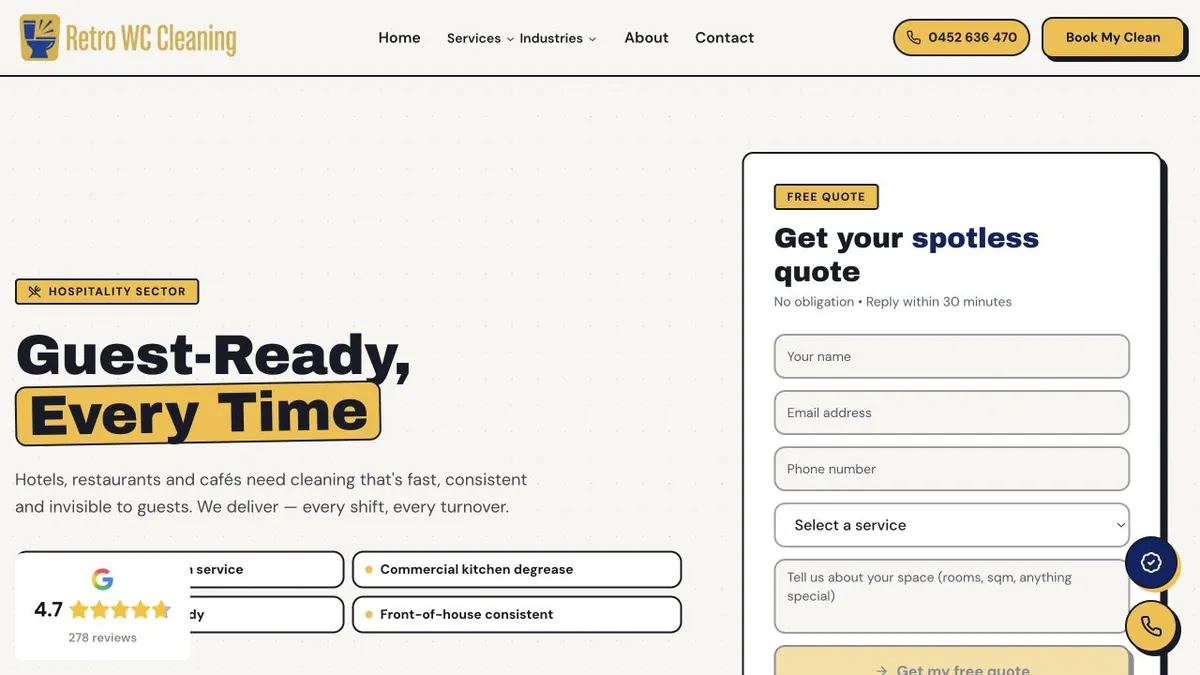
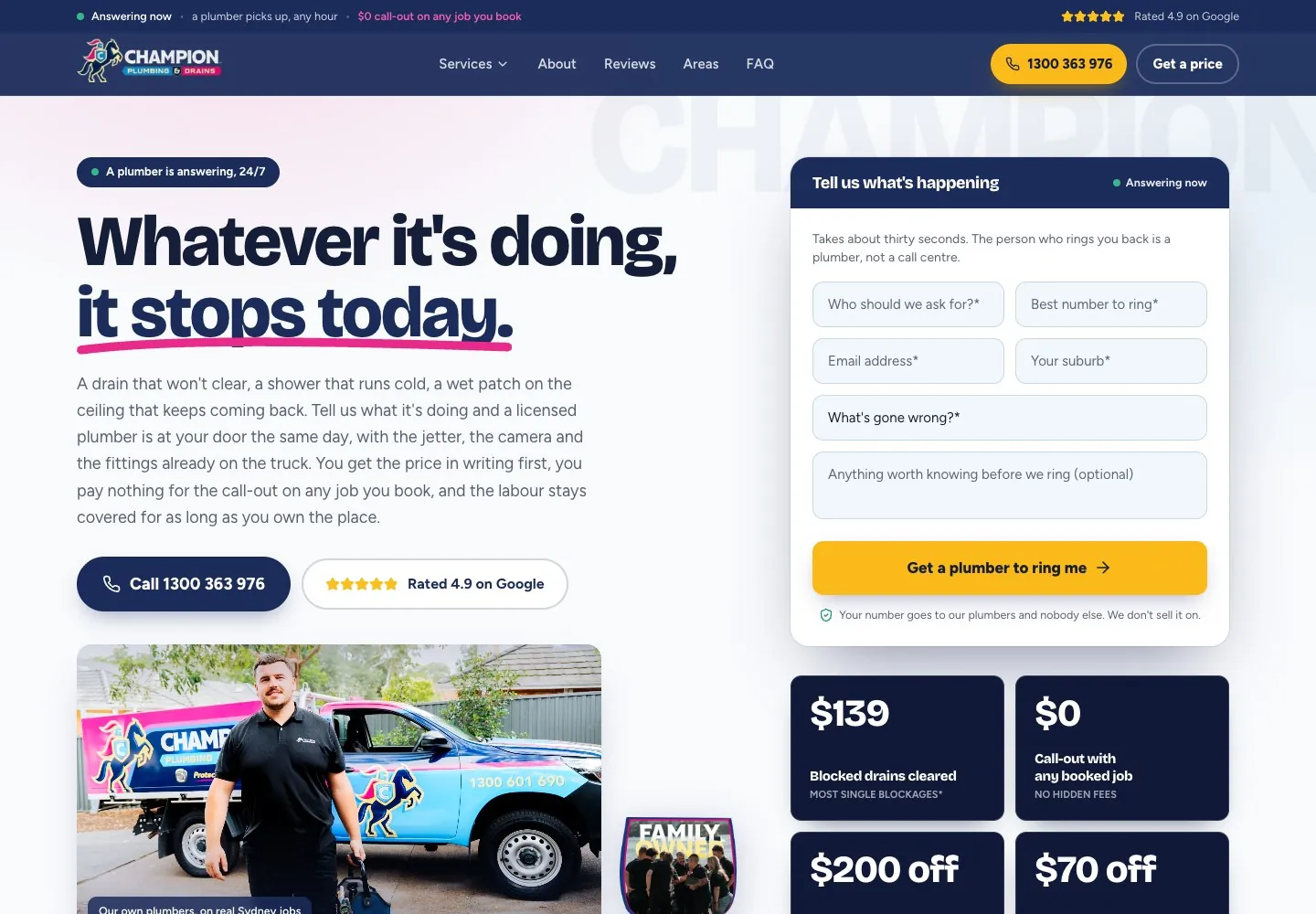
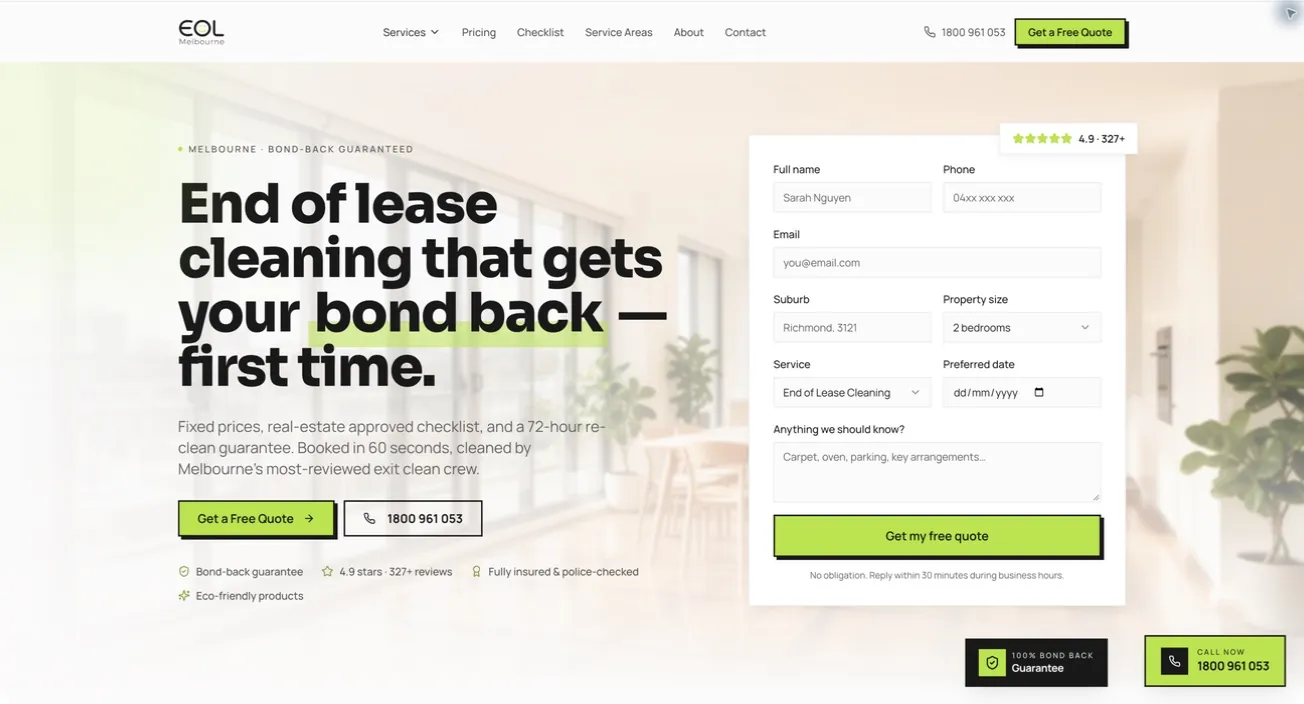
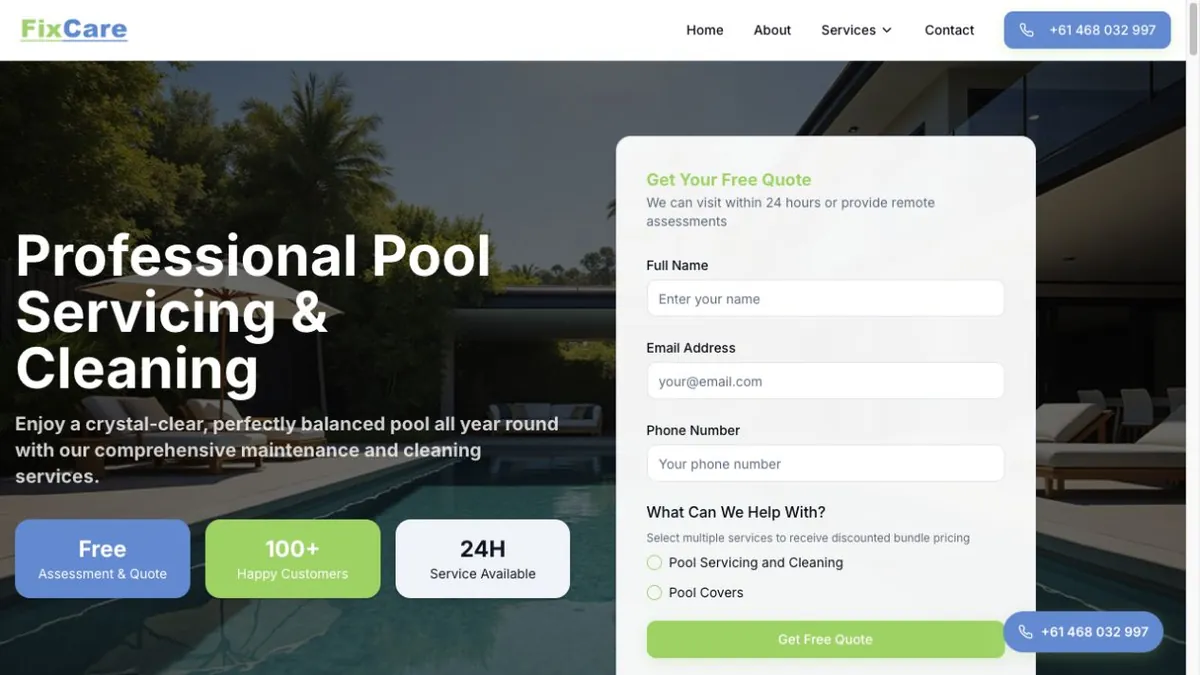
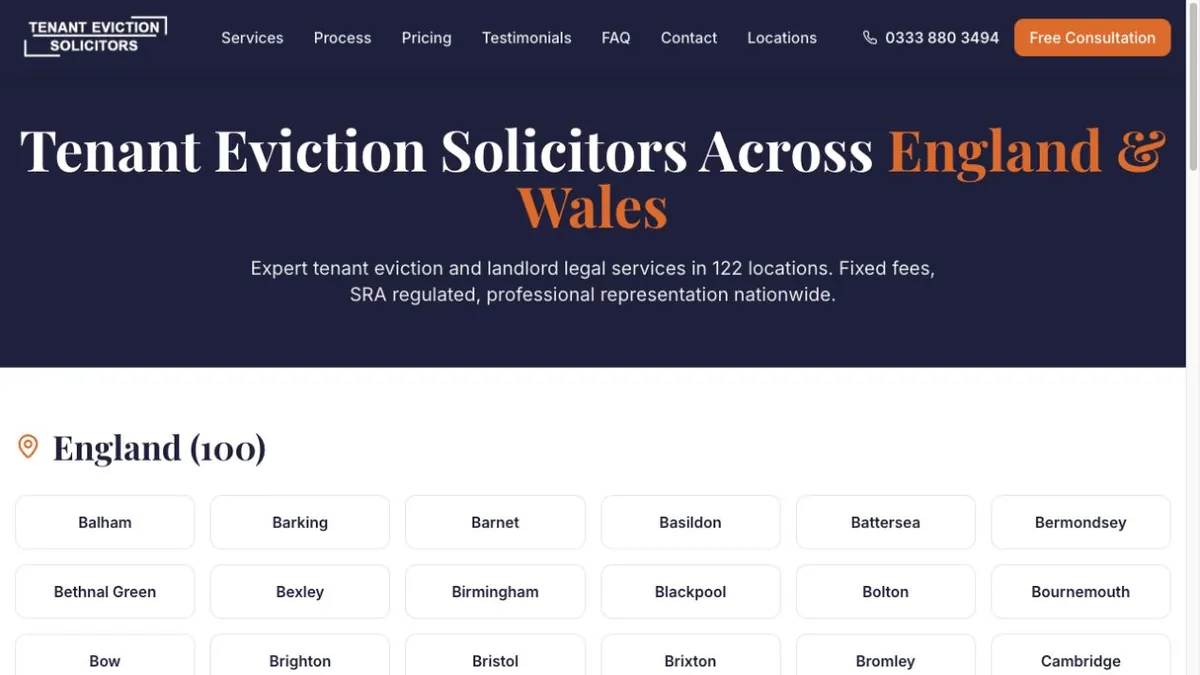
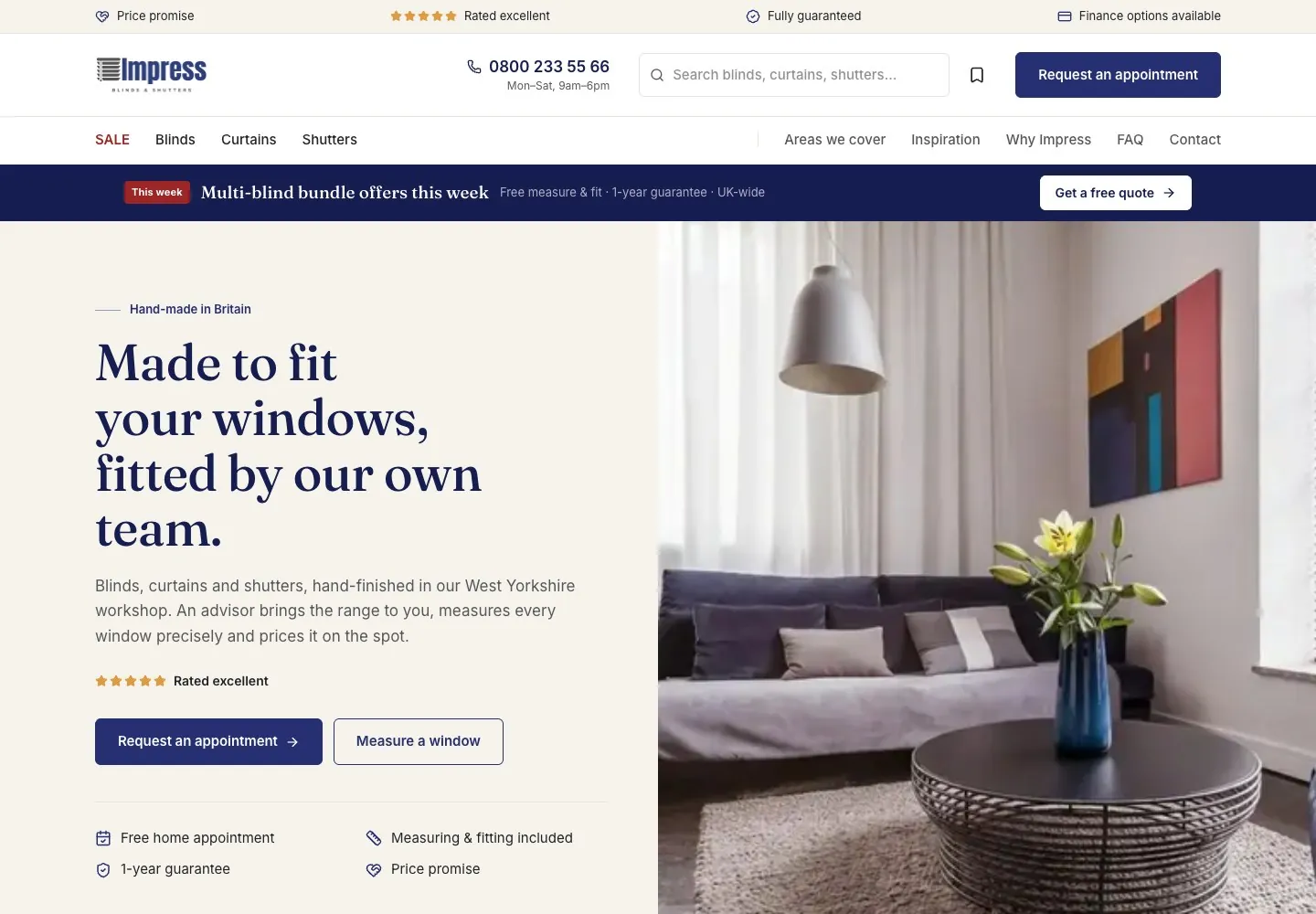
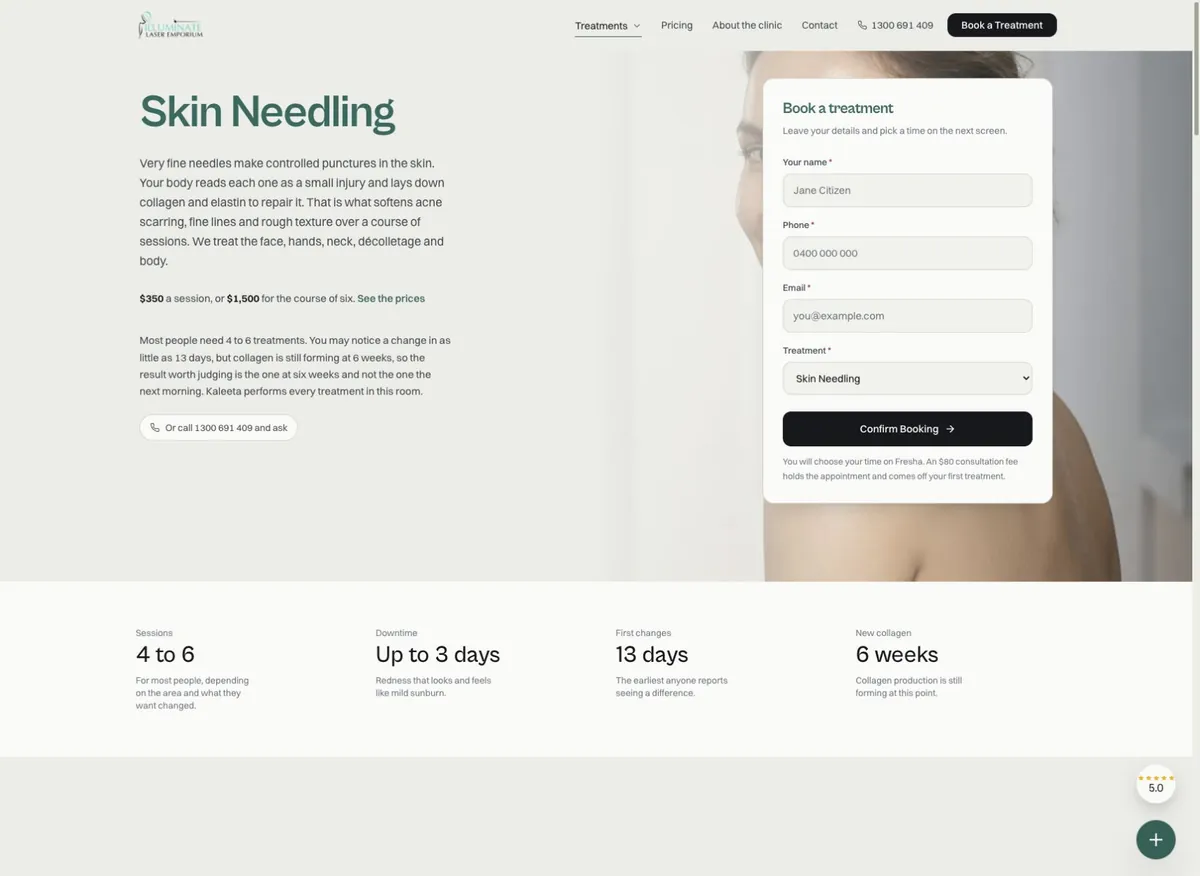
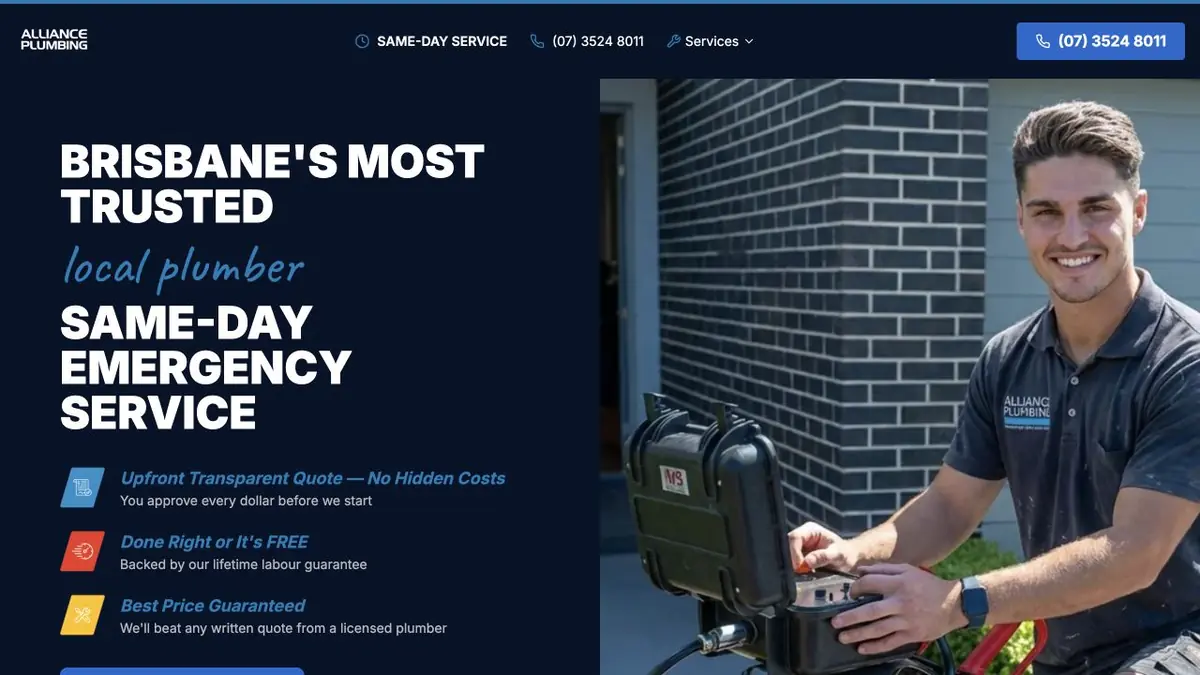
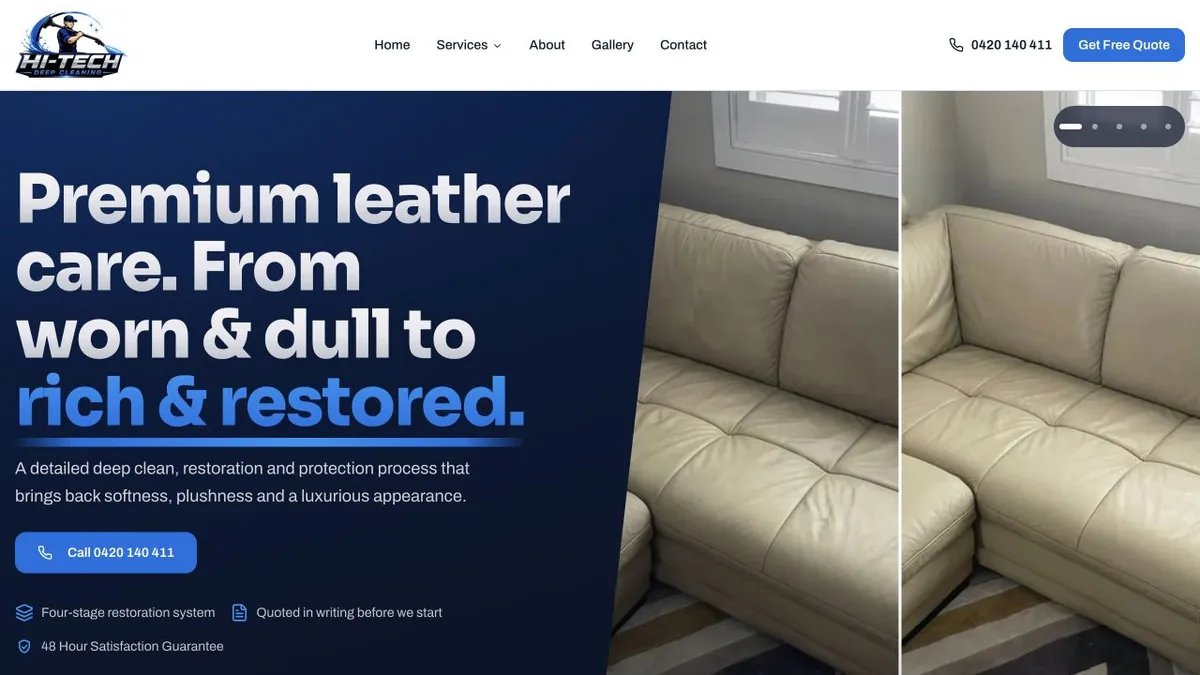
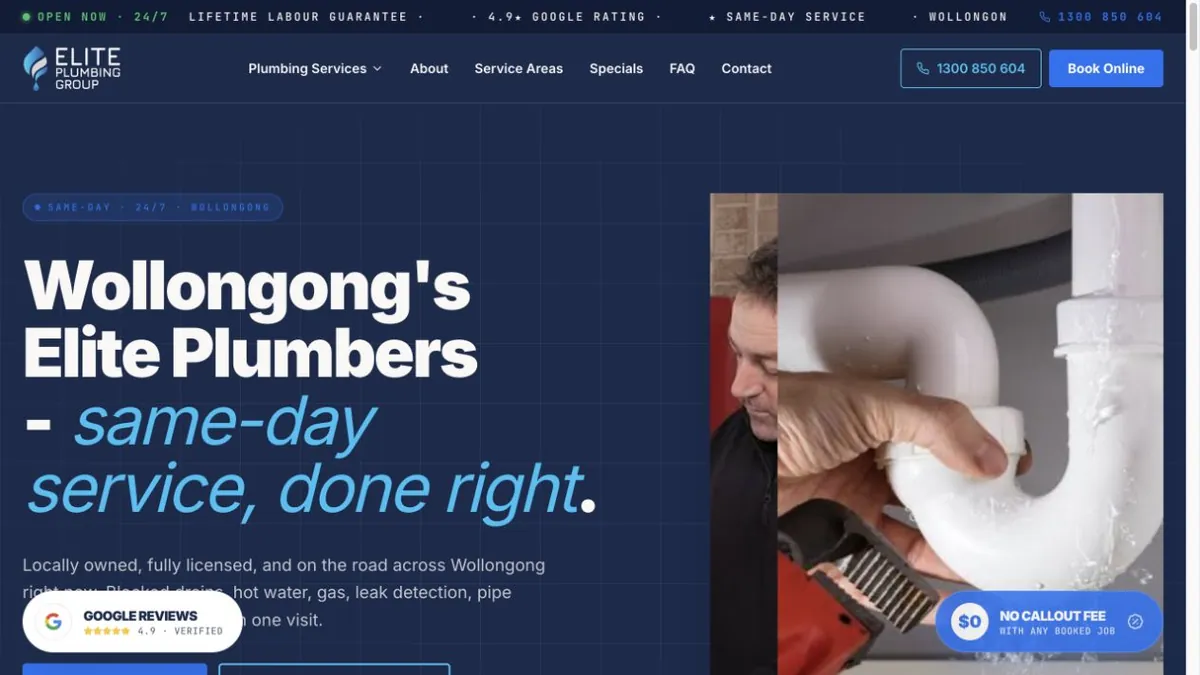
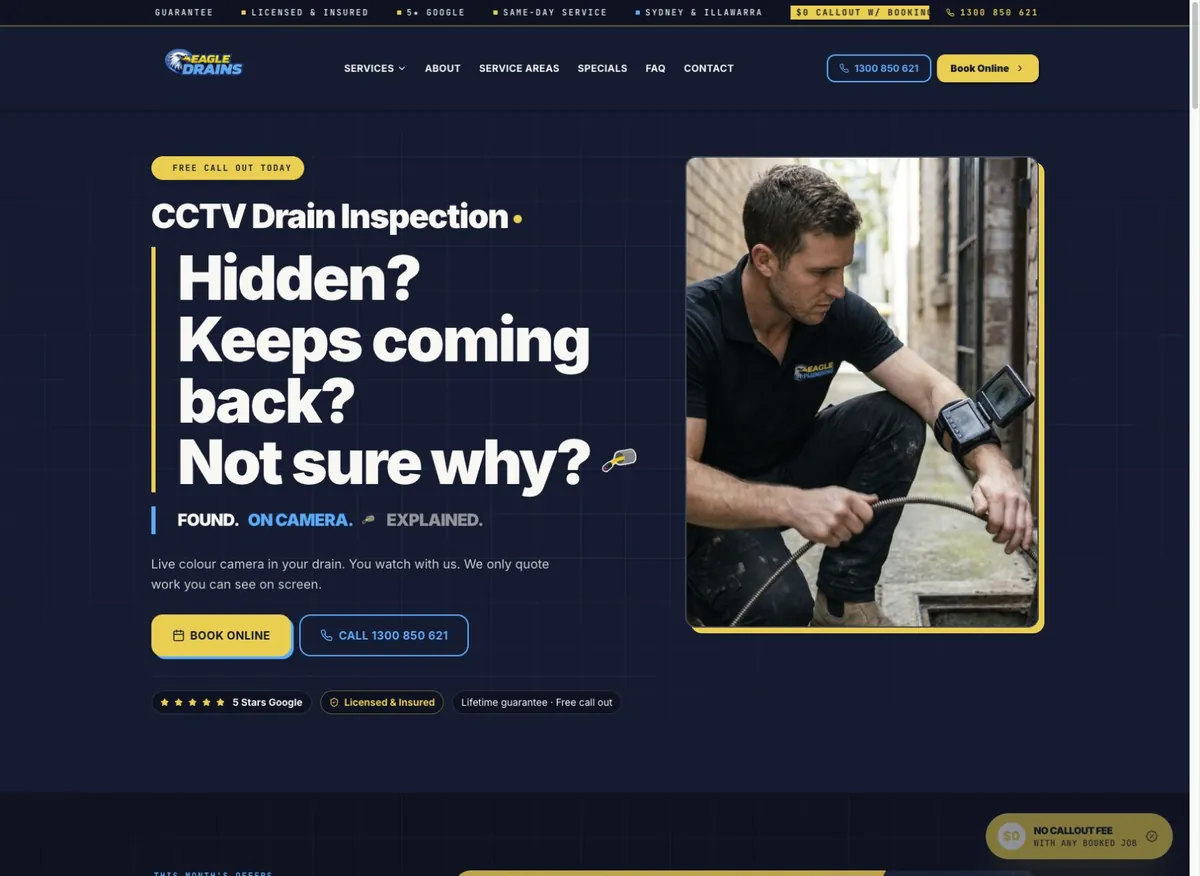
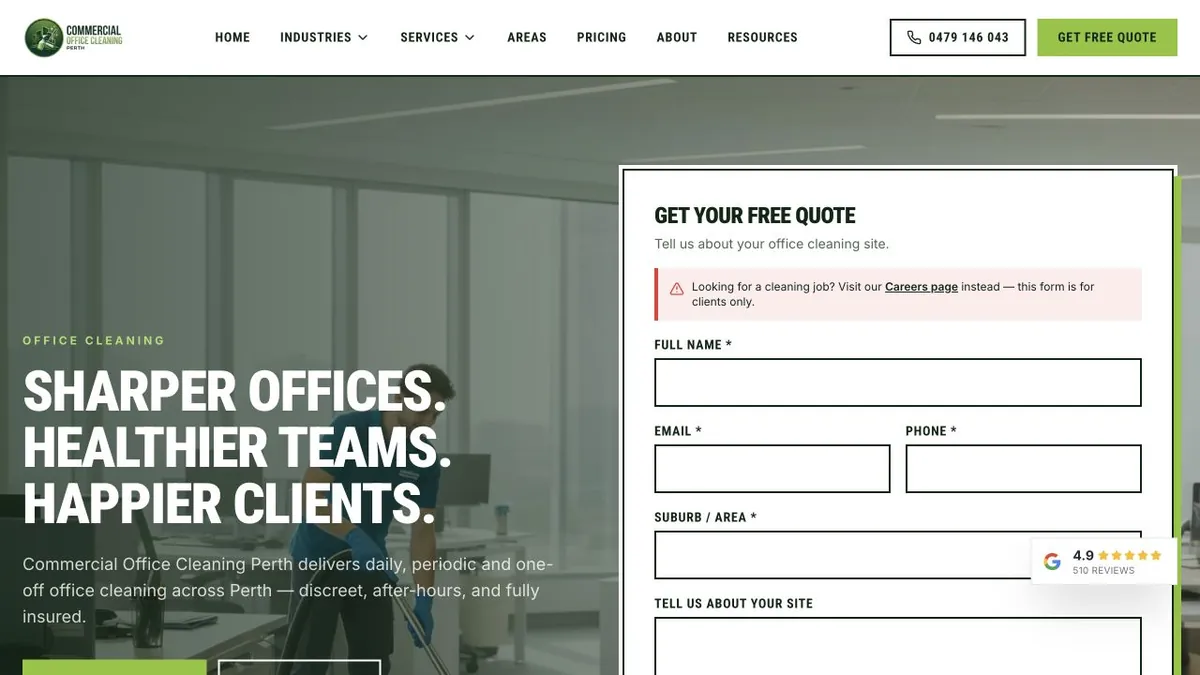
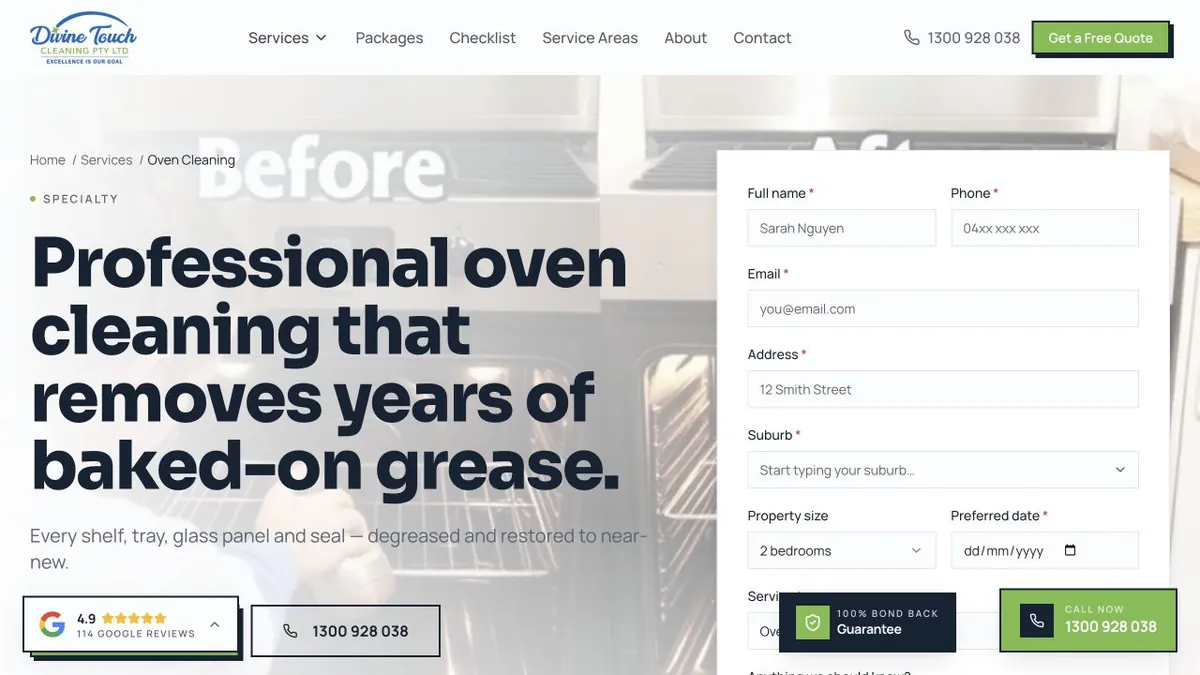
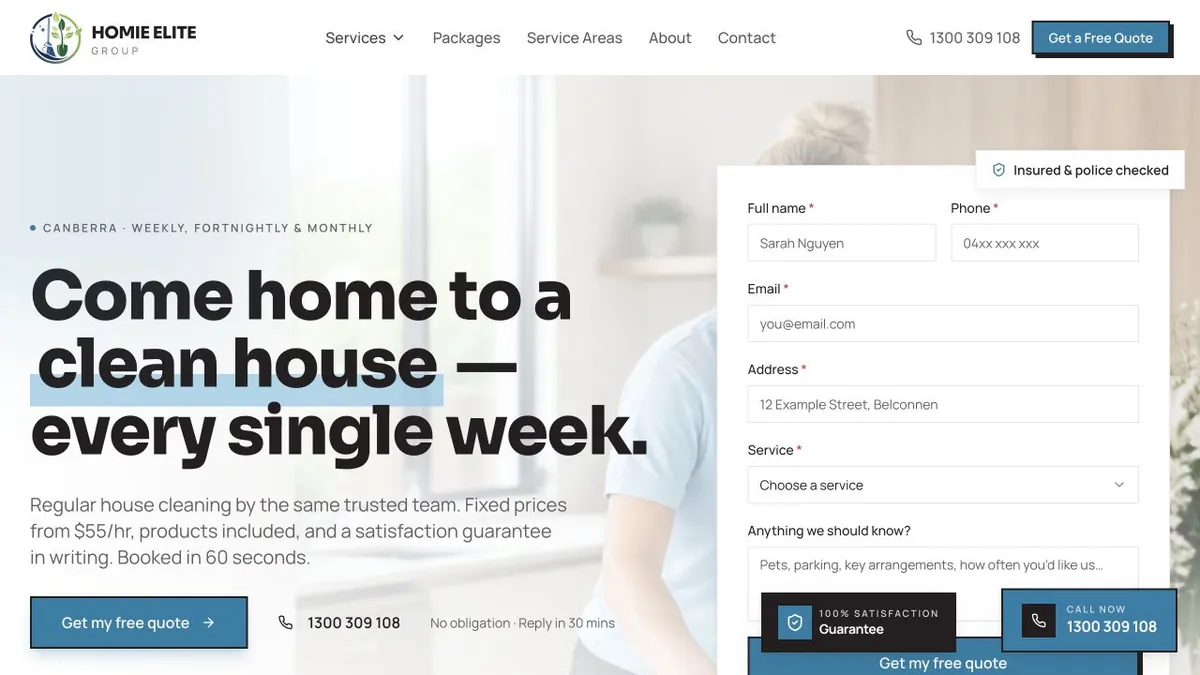
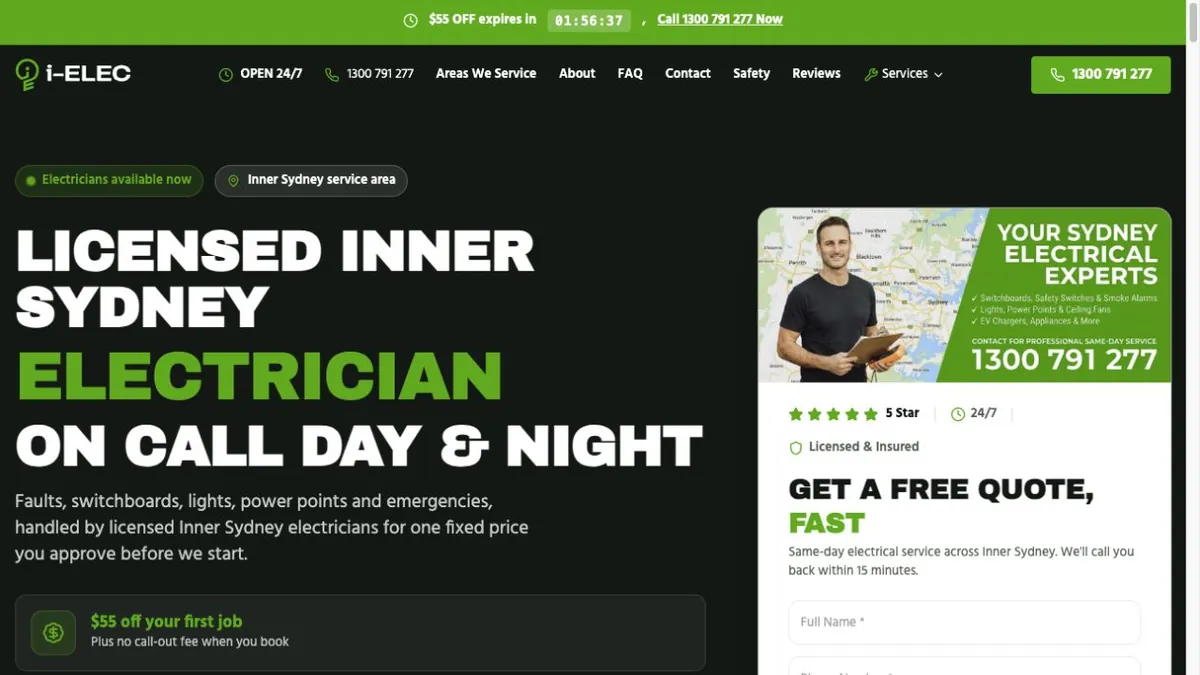
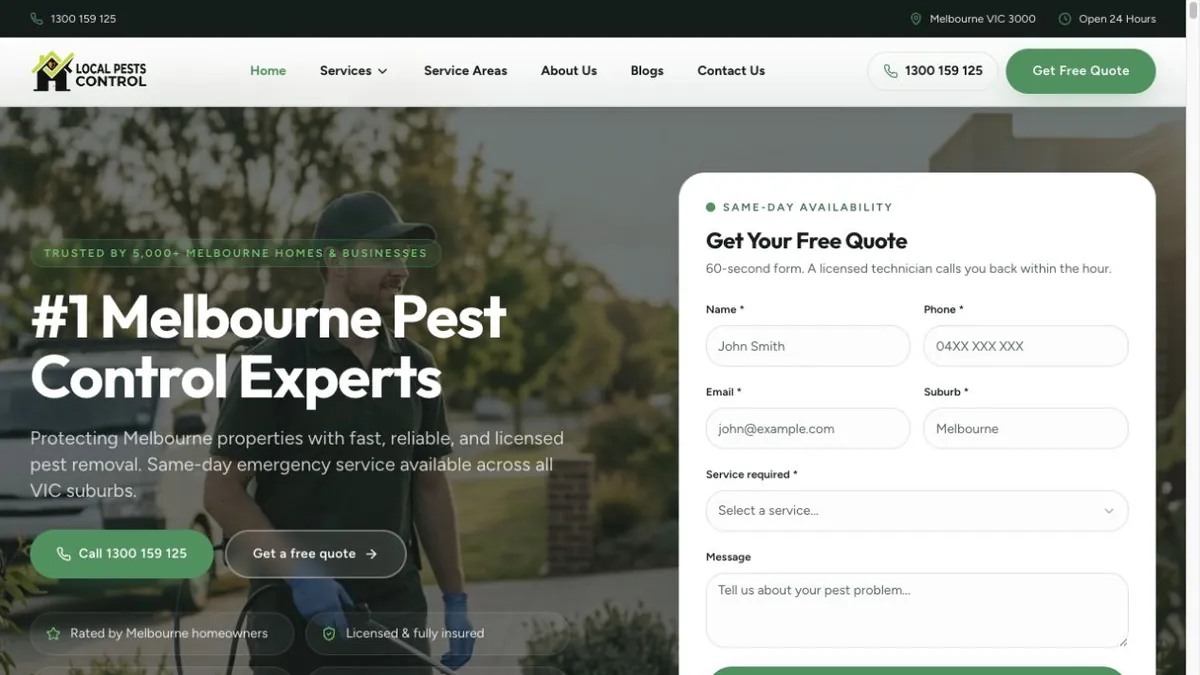
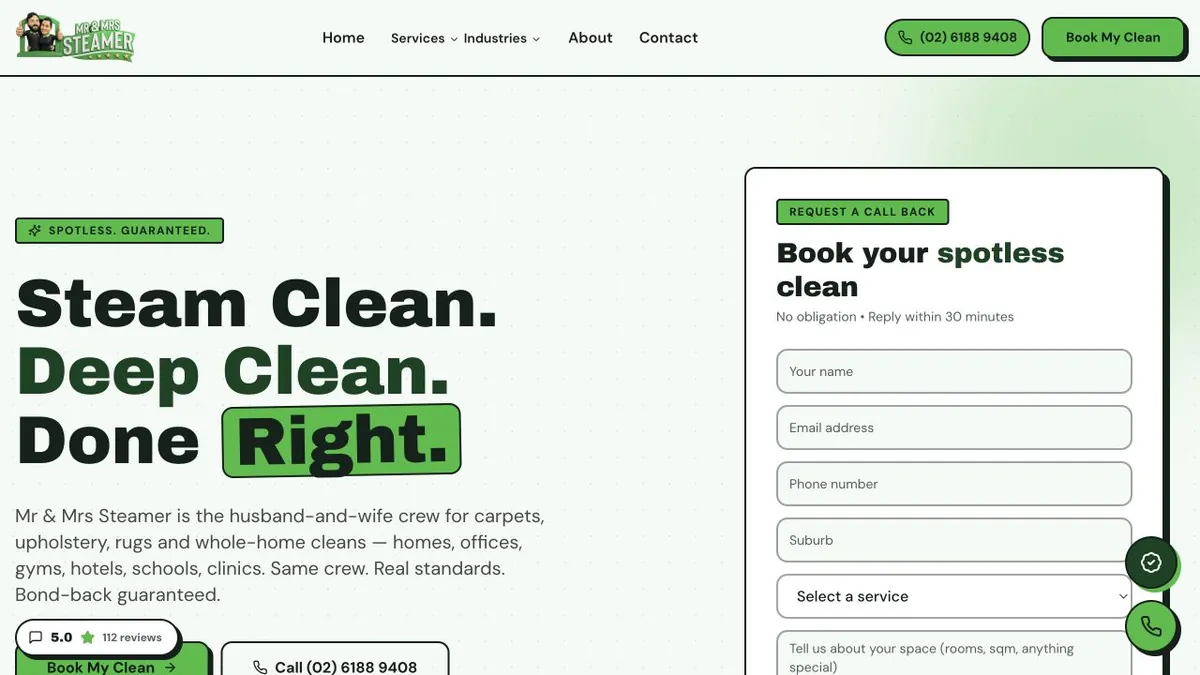
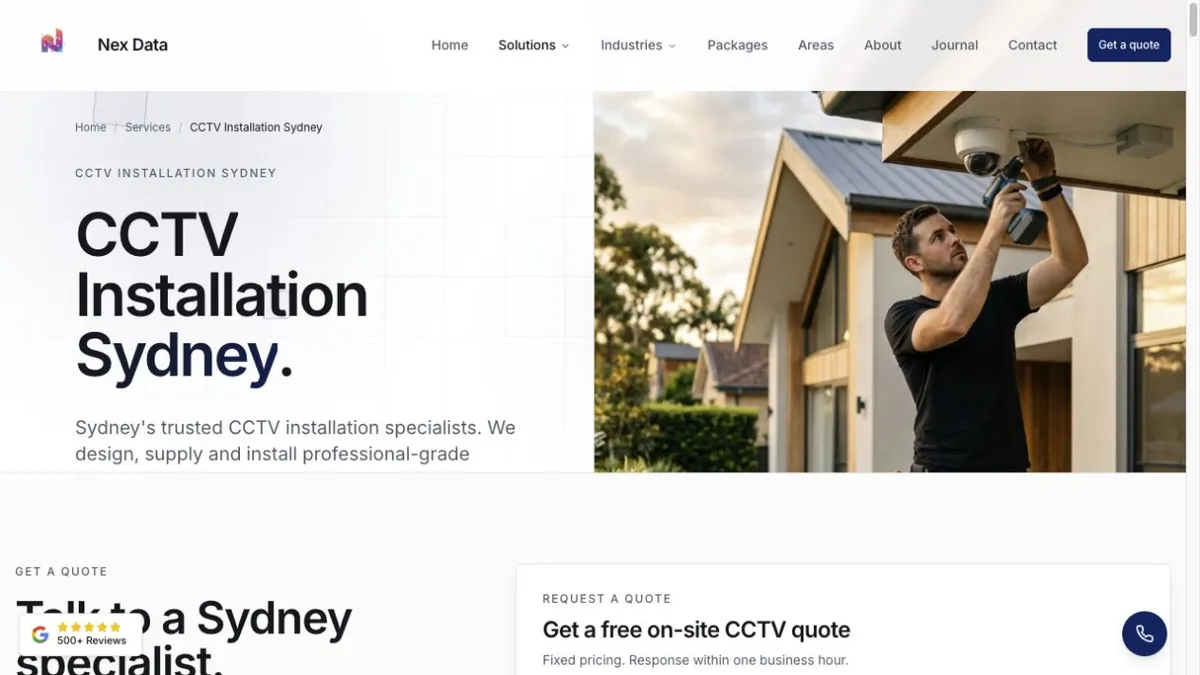
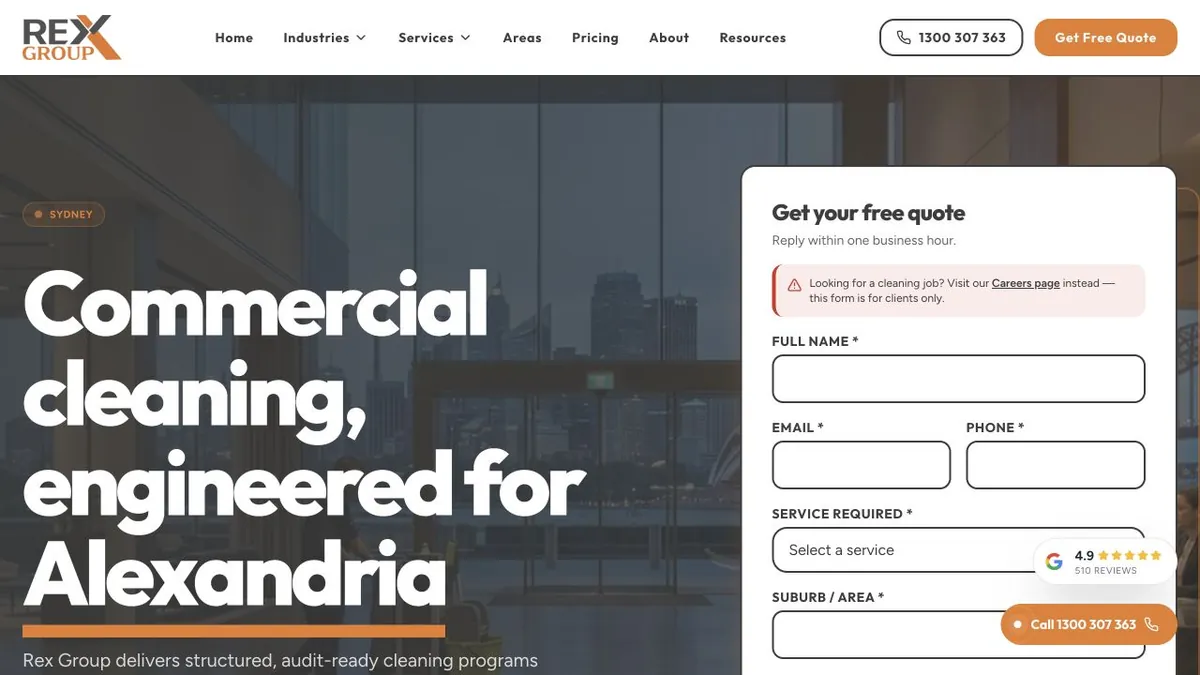
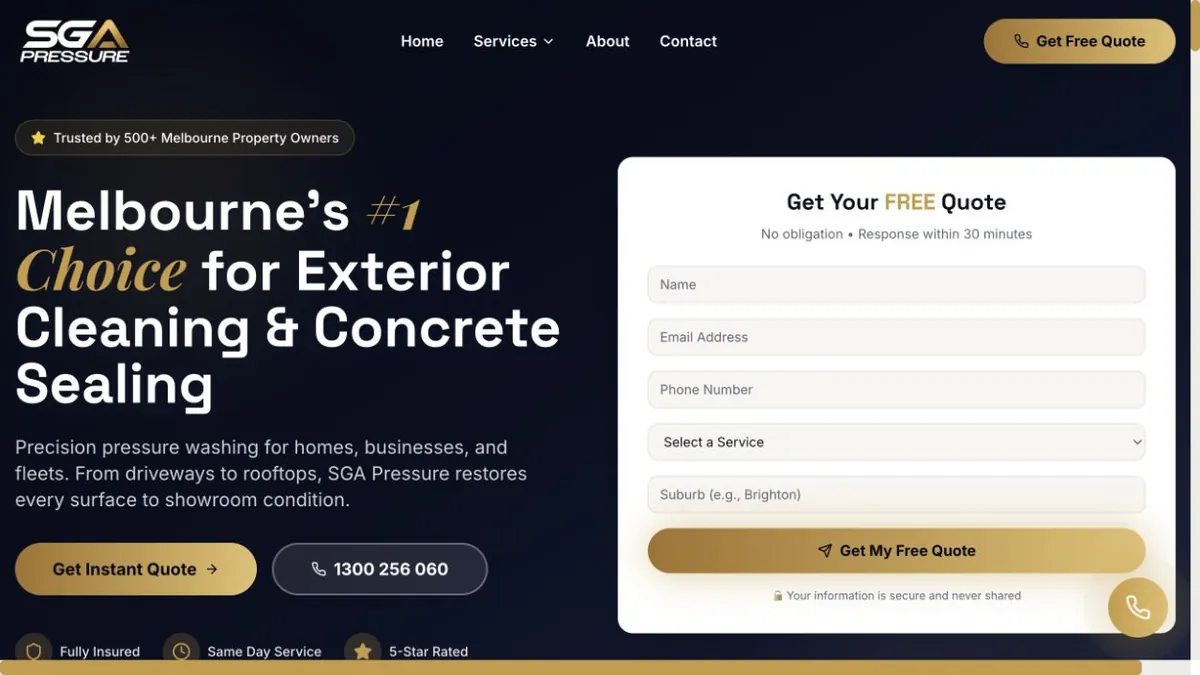
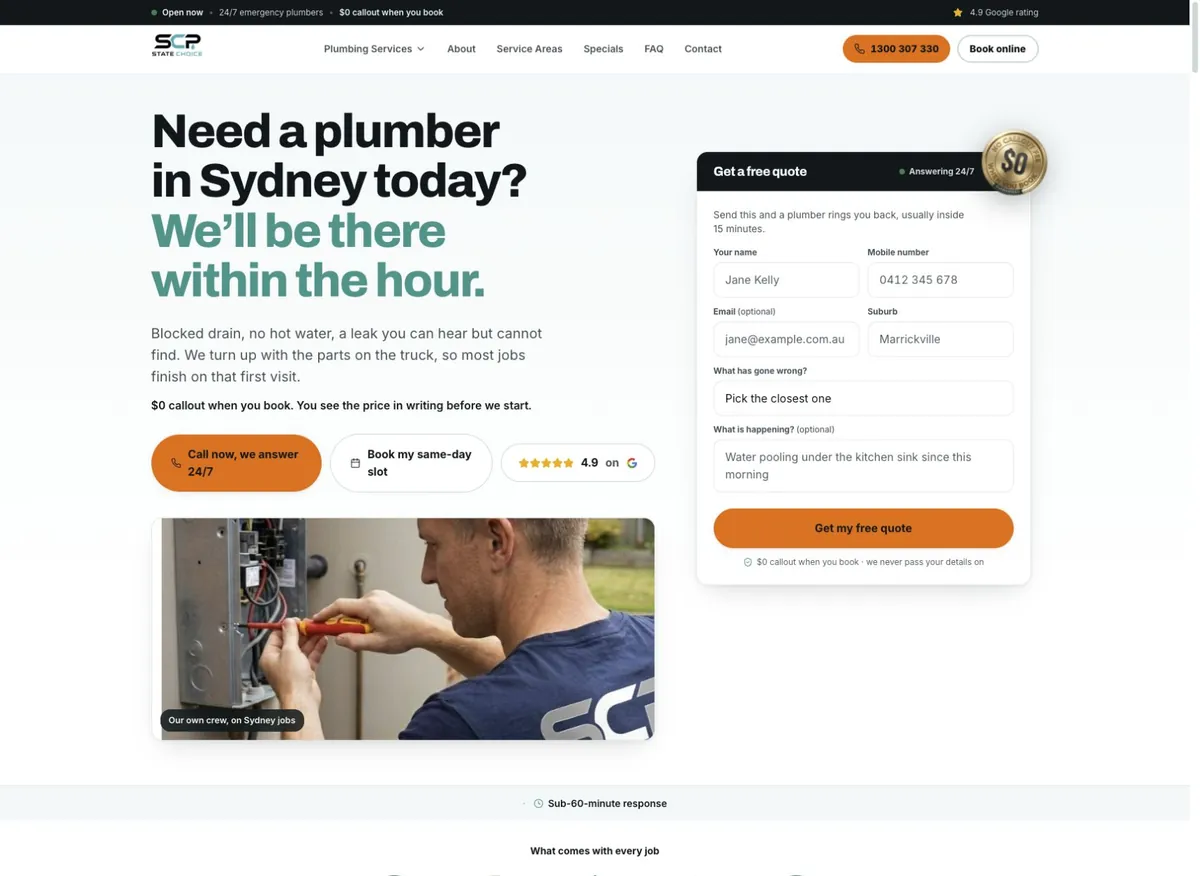
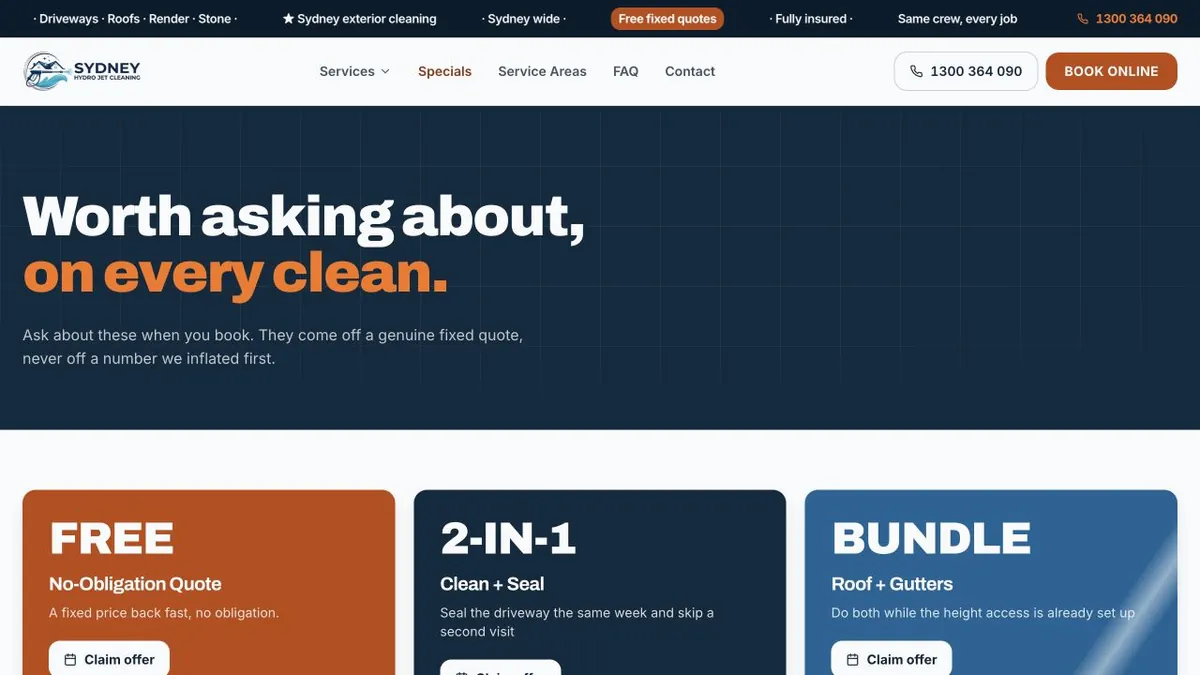
    Impress Blinds — cost per enquiry down 62.63%, $23.6 to $8.82SLS Solicitors — cost per enquiry down 58.48%, $84.64 to $35.14FixCare Property — cost per enquiry down 56.36%, $35.24 to $15.38Rubbish Removal WA — cost per enquiry down 53.18%, $71.02 to $33.25Floral Cakery — cost per enquiry down 49.82%, $13.83 to $6.94ILLUMINATE Laser Emporium — cost per enquiry down 48.54%, $138.65 to $71.35Aussie Plumbing — cost per enquiry down 41.96%, $117.75 to $68.34Sydney Fence Painting — cost per enquiry down 33.68%, $136.62 to $90.61Alliance Plumbing — cost per enquiry down 29.6%, $81.26 to $57.21Gridless Build Solutions — cost per enquiry down 29.16%, $78.16 to $55.37FacilityWorx — cost per enquiry down 23.62%, $157.13 to $120.01Cornerstone Roofing — cost per enquiry down 20.47%, $41.71 to $33.17A council finance platform — 194 of 194 requirements metA council finance build — 14 weeks to UAT, −34% 10-yr costA cultural institution — $634K of $750K kept workingA council platform — $470,106 built vs $503,262 SaaSA federal agency — n=5,000 prevalence survey at ±1.4%A civic mural — 36 concepts for a 71m × 9m wallA regional shire — 32-page visitor guide, 3 weeks earlyA shire council — one platform retiring 8 of 9 vendorsA pressure washing business — 138 jobs at A$20.43 eachA pressure washing business — 21.20% conversion rateA carpet cleaner — 53 jobs in 15 days at A$24.92 eachA roofing company — 68 quote requests in 35 daysA CCTV installer — 39 qualified leads in 15 daysA fence painter — 36 jobs in 24 days, quotes by day 3A maintenance business — live in 8 weeks, 3 stacks gone41 numbered clauses, published in full5.0 across every Google review$120M+ in media under management250+ active engagements across five countries
    Paid advertising

    Every way to show up on Google.

    Search, Shopping, Display, YouTube, Performance Max and Remarketing are six different jobs, not six versions of the same one. We build the ones your business actually needs, run them every working day, and tell you what they cost you per customer.

    250+ live client engagements · Melbourne-based, working across Australia, the UK, the UAE, Saudi Arabia and New Zealand · First call inside one business day

    What usually goes wrong

    Where the money
    usually goes.

    Almost every underperforming account we open has the same six things wrong with it. None of them are exotic, and none of them show up in a cost-per-click report.

    • The account counts clicks, not customers

      Somebody set every page view to count as a conversion, so the report looks healthy while the phone stays quiet. Nobody can tell you what one paying customer cost.

    • Nobody reads the search terms

      Google matches your keywords to searches you would never pay for — job hunters, students, DIY videos, your own staff. Left alone, the same wasted terms bill you again every week.

    • One ad group holds forty keywords

      The ad cannot speak to any of them, so the click costs more and the page people land on answers a different question to the one they typed.

    • The ad points at the homepage

      Someone searches for one job and arrives at a menu of nine. The click is already paid for by then.

    • Phone calls are invisible

      For most service businesses the phone is the sale. If nobody has made calls count as conversions, the bidding chases form fills and ignores the money.

    • Google's automation is left to run itself

      Performance Max and broad match will both spend on whatever is cheapest to serve unless somebody sets the exclusions, watches the placements and prunes them.

    Which of these six is happening in your account?

    We open it with you, live, and go through the search terms, the match types and the conversion actions one at a time.

    Three real accounts

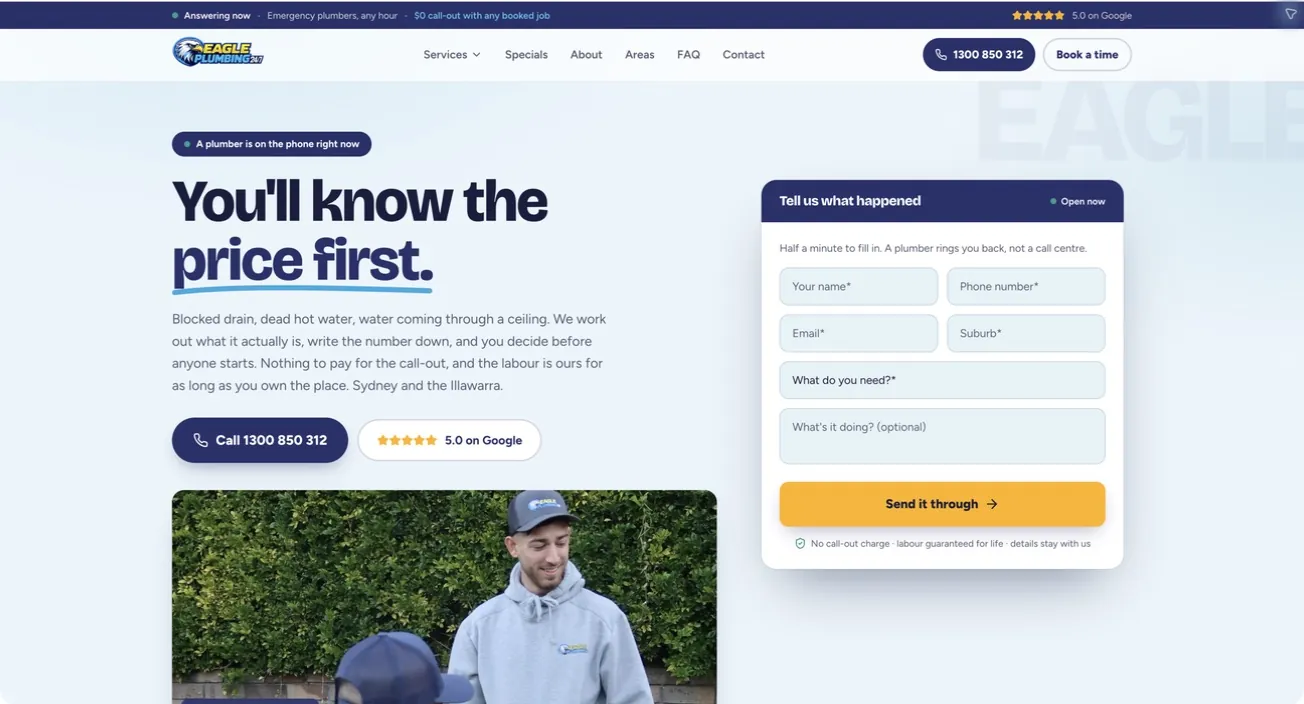
    Pink Flamingo · 41-day period

    138

    Jobs booked

    A$20.43 cost per job · 21.20% conversion rate

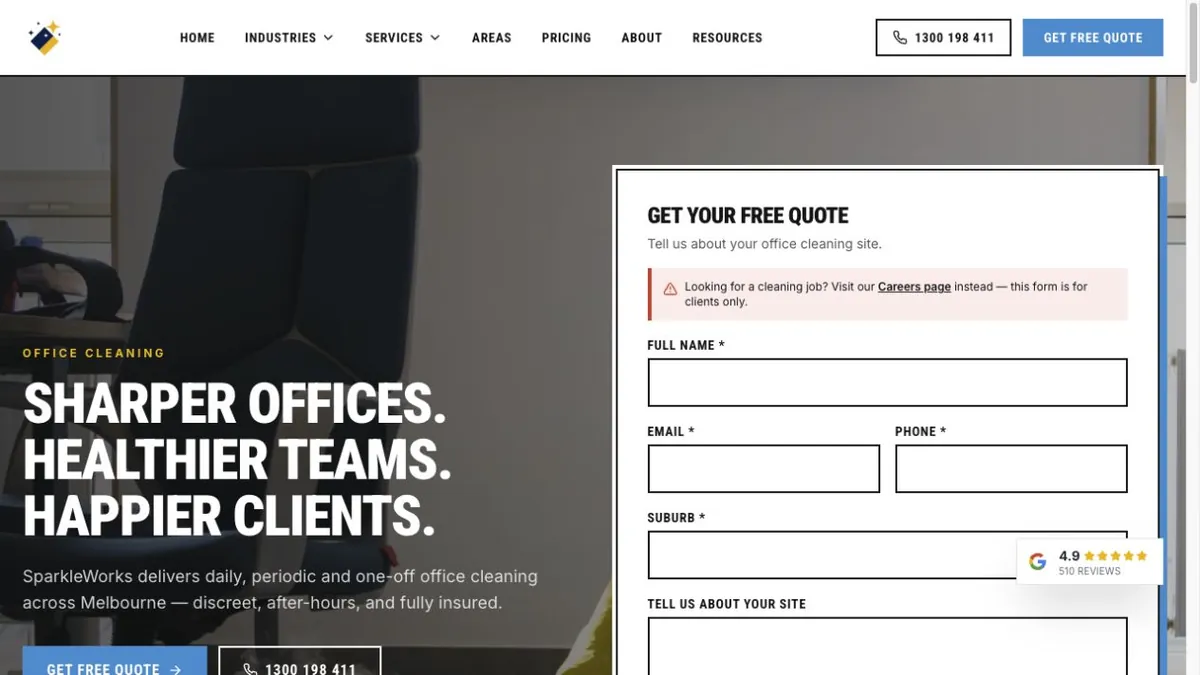
    Cleanetic Perth · 15-day period

    53

    Jobs, brand-new account

    A$24.92 cost per job · 20.08% conversion rate

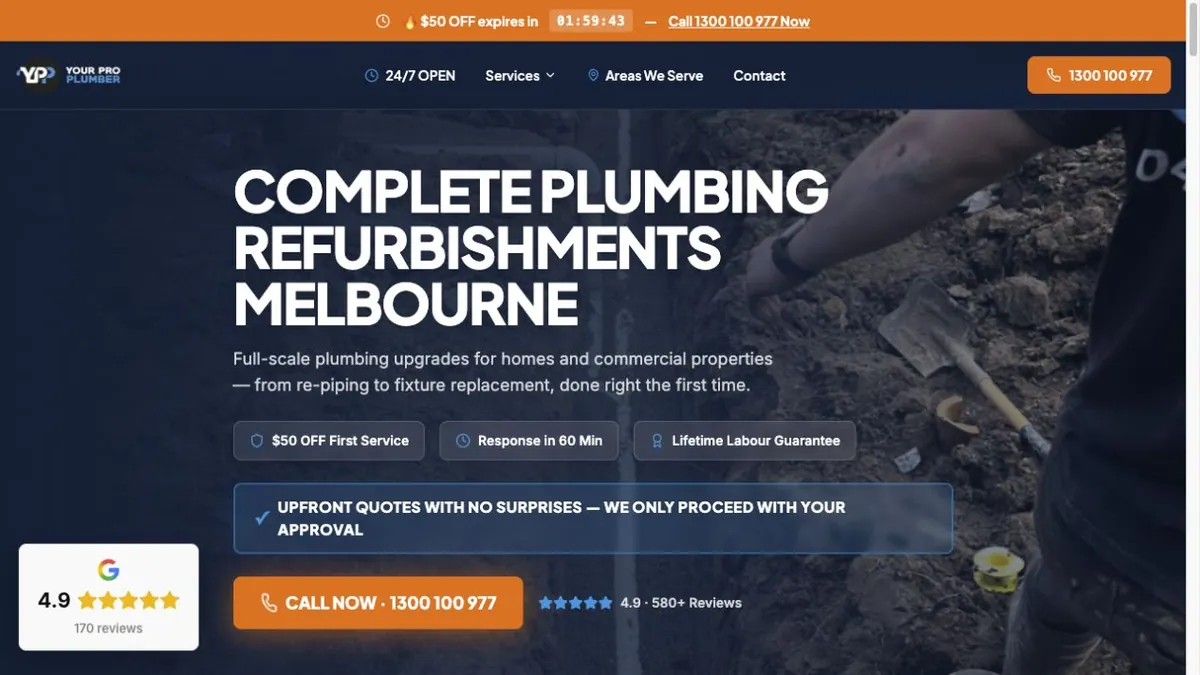
    Cornerstone Roofing · 35-day period

    68

    Quote requests

    Ready before the storm · insurance-literate

    Figures are from live client accounts and are dated in each case study. They are what those campaigns did, in those markets, at those budgets — not a forecast for yours.

    The six formats

    Six campaign types.
    Six different jobs.

    Each one below has a page of its own — what it is, when it is the right call, what it costs you when it is the wrong one, and how we build it.

    How the six compare

    Three questions decide which of the six you run.

    How fast it can produce, what it needs from you before it will work at all, and which number you are allowed to judge it on. Read across a row, not down a column.

    • Search

      Time to first resultCalls and form fills can arrive within hours of going live, because the person started the conversation.

      What it needs firstKeywords sorted by what the searcher wants, a page per thing you sell, and phone calls counted as conversions.

      What you judge it onCost per booked job, read weekly against the number you set before launch. Not cost per click, and not impression share.

    • Shopping

      Time to first resultDays, not hours — the feed has to be accepted in Merchant Center before anything can serve.

      What it needs firstA clean product feed. Titles, images, prices, GTINs and stock that agree with what the website says today.

      What you judge it onReturn on ad spend at product and category level. An account-level average hides the products carrying it and the ones bleeding.

    • Performance Max

      Time to first resultTwo to six weeks. It spends while it learns, so the early numbers are not the numbers.

      What it needs firstReal conversion history and enough budget to feed the learning. Below roughly A$50K a month it usually loses to a tight Search and Shopping build.

      What you judge it onWhat it added on top of what Search and Shopping were already producing — never on its own reported total, which includes demand you already had.

    • Display

      Time to first resultImpressions immediately. Enquiries much later, and rarely on the first visit.

      What it needs firstPlacement exclusions, a frequency cap, and an audience genuinely worth reaching a second time.

      What you judge it onAssisted conversions and what it costs to stay in front of a decision. A last-click report will always make this look like waste.

    • YouTube

      Time to first resultWeeks. It creates demand rather than catching it, so the effect shows up in other campaigns first.

      What it needs firstSomething worth watching and a reason to keep watching in the first five seconds. Repurposed television does not survive here.

      What you judge it onOver weeks, on branded search volume and on what Search converts afterwards. A fortnight of last-click data is not a verdict.

    • Remarketing

      Time to first resultAs soon as the list is large enough, which means you need the traffic first.

      What it needs firstEnough visitors to build a list, and a genuinely different message from the one that brought them the first time.

      What you judge it onCost per returning customer, with a frequency cap. Without one it stops being a reminder and starts being a nuisance.

    Most accounts we run use two or three of these together, and the order they are switched on in matters more than which ones. Search almost always earns its place first, because everything else is easier to justify once there is a cost per job to compare it against.

    Which two or three belong in your account?

    It depends on what you sell, what a job is worth and what is already running. That is a short conversation, not a proposal.

    Nine things happen on your account. Here they are, in order.

    This is the part most agency pages keep vague. It is also the only part that determines whether the money works, so we would rather write it down.

    1. Open the account and read it

      Ninety days of search terms, every campaign setting, the conversion actions and what they are really counting. You get the leaks written down in plain English, whether or not you hire us.

    2. Sort the keywords by what people want

      A price, a booking, a supplier, or a how-to video. The how-tos become negative keywords on day one, before they cost you anything.

    3. Build the structure

      Everything you sell, and everywhere you serve, handled separately rather than lumped together. Tight enough that the keyword, the ad and the landing page all say the same thing — which is most of what Quality Score is measuring.

    4. Write the ads

      Responsive search ads written for the search they answer rather than assembled from your homepage. Sitelinks, callouts, structured snippets, call and location assets filled in, because empty ones hand the top of the page to whoever bothered.

    5. Fix where the click lands

      The page has to answer the ad's promise in its first screen. If your site cannot do that yet, we build the page — that work is part of the job, not an upsell bolted on afterwards.

    6. Wire the tracking properly

      Calls, forms, chats, bookings and purchases counted separately, call tracking connected so a phone call is a real conversion, and revenue passed back for stores. Until this is right, every other number on this page is a guess.

    7. Clean the search terms, daily

      Every working day we read what people actually typed, negate the waste, and promote the terms that turned into customers. It is unglamorous and it is the single biggest lever on cost per job.

    8. Move the bids and the budget

      Manual control while the account is learning, smart bidding once there is enough conversion data to trust it, and budget moved toward whatever is producing customers this month.

    9. Report in language you can act on

      What it cost, what it produced, what we changed and why, and what happens next. No dashboard tour, no vanity metrics, and the same rhythm whether the news is good or bad.

    Step 07, with your own hand.

    $0 refused of $4120 of 12 terms

    Real search terms from accounts we run, anonymised — no client is named. Every one of them took money and booked nothing. Sweep across them with a mouse, or tab to one and press space, to refuse them. That is the daily clean, and it happens every working day.
    From first call to live

    How an engagement actually runs.

    1. A first call, free

      Thirty to forty-five minutes. What you sell, who buys it, what one customer is worth to you, and what you have already tried. No deck.

    2. The audit

      We open your account — or look at the ground your competitors are holding, if you do not have one yet — and come back with the leaks named and priced.

    3. The build

      We build the campaigns, the ad copy, the landing pages and the tracking, and a second strategist reads the lot before you do. Nothing is live. Nothing has spent a dollar.

    4. You press go

      You read the whole build before it launches and switch it on when you are ready. We create every campaign paused for exactly that reason.

    5. The first fortnight

      We clean the search terms daily, move the bids and budgets, and rewrite the ads as we learn. This is where the account finds its shape, and it is the busiest we will ever be on it.

    6. Then the rhythm

      We optimise weekly, report on a fixed cadence, and sit down with you each quarter to argue out where the next quarter's budget goes.

    We build every campaign paused, every time. You read it before a dollar moves — that is a rule we hold ourselves to, not a favour we are doing you.

    Nothing spends until you have read it.

    The first call covers what a customer is worth, what you are spending now and what we would build. You decide whether it goes live.

    The standard we hold

    What a well-run Google Ads account actually looks like.

    Eight things that either happen on an account or do not. Each one comes with the question to ask — of us, or of whoever is running it now.

    • A conversion means a customer, not a page view

      Whoever runs your account counts calls, forms, bookings and orders as separate things and puts a value on each. The merely interesting ones stay out of the column the bidding reads.

      Ask thisAsk which conversion actions are set as primary and what each one is worth. If everything is primary, nothing is.

    • Somebody tracks the phone calls, with a length threshold

      For most service businesses the phone is the sale. A call that lasted eleven seconds is a wrong number, so whoever sets the threshold matters as much as the tracking does.

      Ask thisAsk to see a call conversion in the account and what duration counts as one. Both answers, not just the first.

    • The account is split by what you sell and where

      Tight enough that the keyword, the ad and the landing page all say the same thing — which is most of what Quality Score is measuring, and most of what decides the click price.

      Ask thisAsk how many keywords sit in the largest ad group. Forty is a number, not a structure.

    • A person reads the search terms every working day

      They open the words people actually typed and sort them the same way each day: cut it, question it, or back it. It is unglamorous and it is the single biggest lever on cost per job.

      Ask thisAsk for the negatives added last week, with dates against them. A monthly clean is a different service to a daily one.

    • Every ad points at a page that answers it

      The promise in the ad is answered in the first screen of the page it lands on. Half of what looks like an ads problem is a page problem, and it is usually the cheaper one to fix.

      Ask thisClick three of your own ads on your phone and see where they land. Homepage is the wrong answer three times out of three.

    • Someone fills the assets in rather than leaving them empty

      Sitelinks, callouts, structured snippets, call and location assets. The platform allows up to twenty sitelinks on a campaign; empty slots hand the top of the page to whoever bothered to fill theirs.

      Ask thisAsk how many sitelinks and callouts are live on your main campaign. Four and none is the common answer.

    • The agency hands you the campaigns paused

      You read the keywords, negatives, ad groups, ad copy, assets and targeting before a dollar moves. You switch it on when you are ready, not when we are.

      Ask thisAsk to press go yourself. An agency that cannot hand you that button has already spent your money.

    • The report ends in cost per job

      What you spent, what it produced, what we changed and why, and what we are doing next — same cadence whether the news is good or bad.

      Ask thisAsk to read a real client report before you sign anything. Impression share on the last page is a tell.

    Two of those checks have a number behind them you can pull today. Google already reports the share of searches you appeared for and splits the rest into lost-to-budget and lost-to-rank, and the calculator turns those three figures into the searches you missed and which of the two reasons is costing you more. Read it as a diagnostic, not a scoreboard — the number that decides whether the account is working is still cost per booked job. If the budget itself is the open question, we have written up what $100 a day buys, as a range rather than a figure.

    SoudCoh Compound™

    Google Ads leans hardest on two of the six stages.

    Compound is how our team works on any account — six stages every change passes through. Paid search puts most of its weight on these two.

    • Meter

      If it can't be measured, it doesn't get bought.

      A Google Ads account is only as honest as its conversion tracking. Before we buy a single click we agree with you what counts as a customer in your business, then we wire it up so calls, forms, bookings and orders each count as themselves.

    • Sweep

      Waste is found daily, named, and priced.

      We read the search terms every working day. We negate the waste, promote the winners, and put both in a dated record you can open. Your trade's negative-keyword bank came from the accounts before yours — you inherit it on day one.

    Honest failure modes

    Six ways a managed account still goes wrong.

    These are ours as much as anyone's — they are the mistakes available to a team that is paying attention. Each one has a specific guard, and the guard is the reason it does not happen twice.

    • Smart bidding switched on too early

      Automated bidding needs conversion history to bid against. Turned on in week one it optimises toward a signal that does not exist yet — and it spends with great confidence while it is wrong.

      Prevented byManual control while the account is learning, and a move to smart bidding only once there is enough conversion data to trust it. The switch is a decision with a date on it, not a default.

    • Broad match without the discipline it requires

      Broad match is a good tool with a daily job attached. Without the search-term read behind it, it will reliably find you the cheapest impressions on the internet and bill you for all of them.

      Prevented byYou inherit your trade's negative-keyword bank on day one from the accounts before yours, and we read the terms every working day rather than at month end.

    • Performance Max quietly eating your brand

      Left open it will happily buy your own brand searches, report them as conversions, and take credit for demand you already had. The account looks efficient and the growth is imaginary.

      Prevented byBrand exclusions on, Search kept as its own campaign so brand traffic stays visible, and PMax judged on what it added rather than on what it reported.

    • Judging every campaign on the last click

      Display, YouTube and remarketing all do their work before the last click, so a last-click report makes them look worthless and the budget gets moved out of the thing that was feeding Search.

      Prevented byWe agree with you at the start, in writing, how we will judge each campaign — against the job it is actually doing, not the number that is easiest to pull.

    • Changes nobody can trace

      Bids, budgets, keywords and ads edited by several people over months with no dated record. When performance moves, nobody can separate a platform update from something we did.

      Prevented byEvery change we execute lands in a dated record you can open — the Ledger stage of Compound. Two of us put our names on a change before it goes live.

    • A website change that nobody told the account about

      New URLs, old ads. Traffic lands on a page that no longer answers the search, or on nothing at all, and the campaign carries the blame for a fortnight.

      Prevented byA guard sits between the change queue and the live account and refuses anything that points an ad at a page which does not answer its ad group. When it refuses, it logs the reason and tells us — it never skips quietly.

    Ask whoever runs your account about these six.

    Each guard beside them is something that either happens on an account or does not. If you would rather we answered for ours, that is what the call is.

    Real clients. Real numbers.

    Conversion counts, cost per job and time to first call, from campaigns we run today — across cleaning, trades, security install and more. Every tile links to the full breakdown.

    Every one of those results started life as a monthly budget and a click price, and the forecaster will show you what a budget that size buys in your auction before you spend anything.

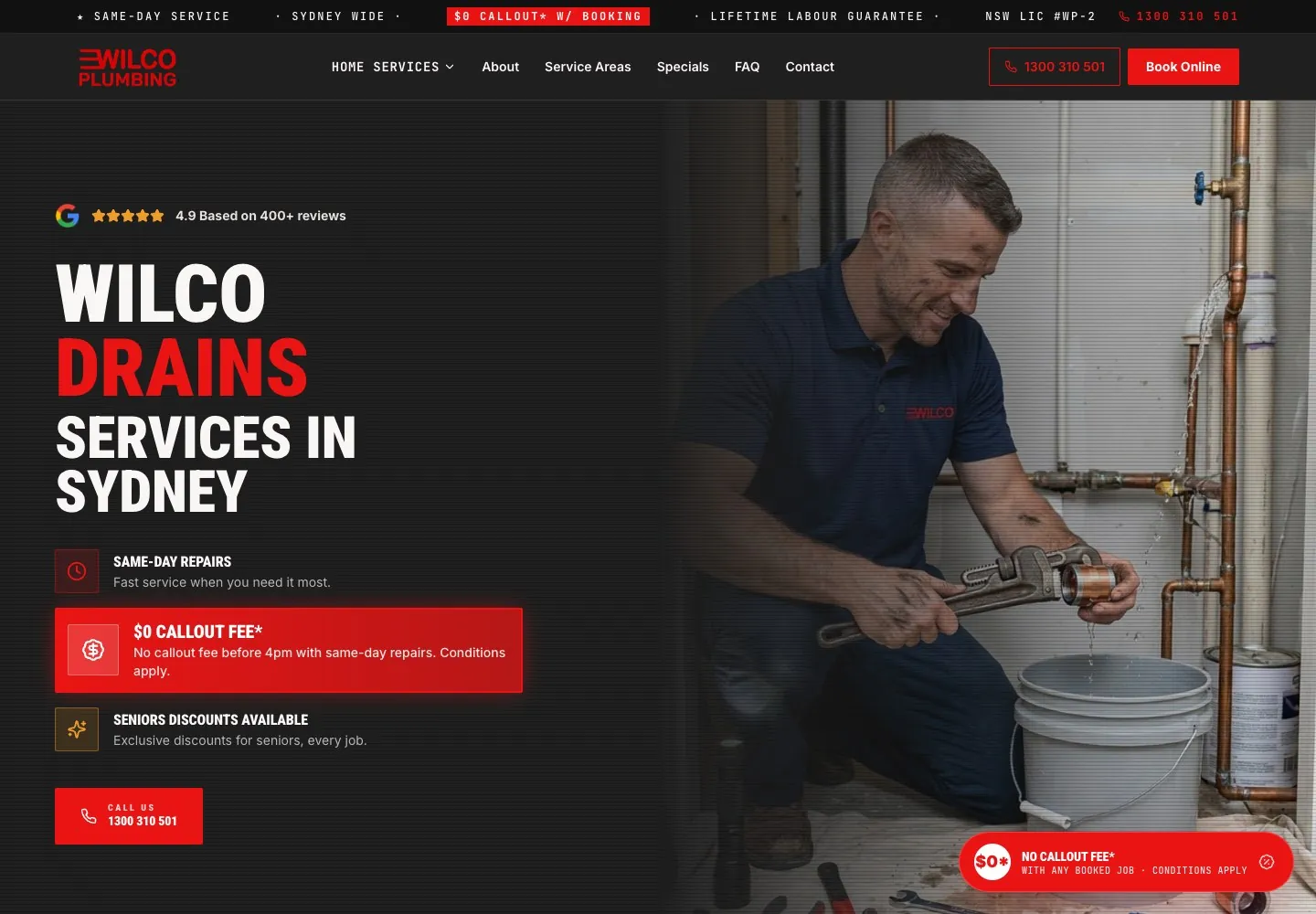
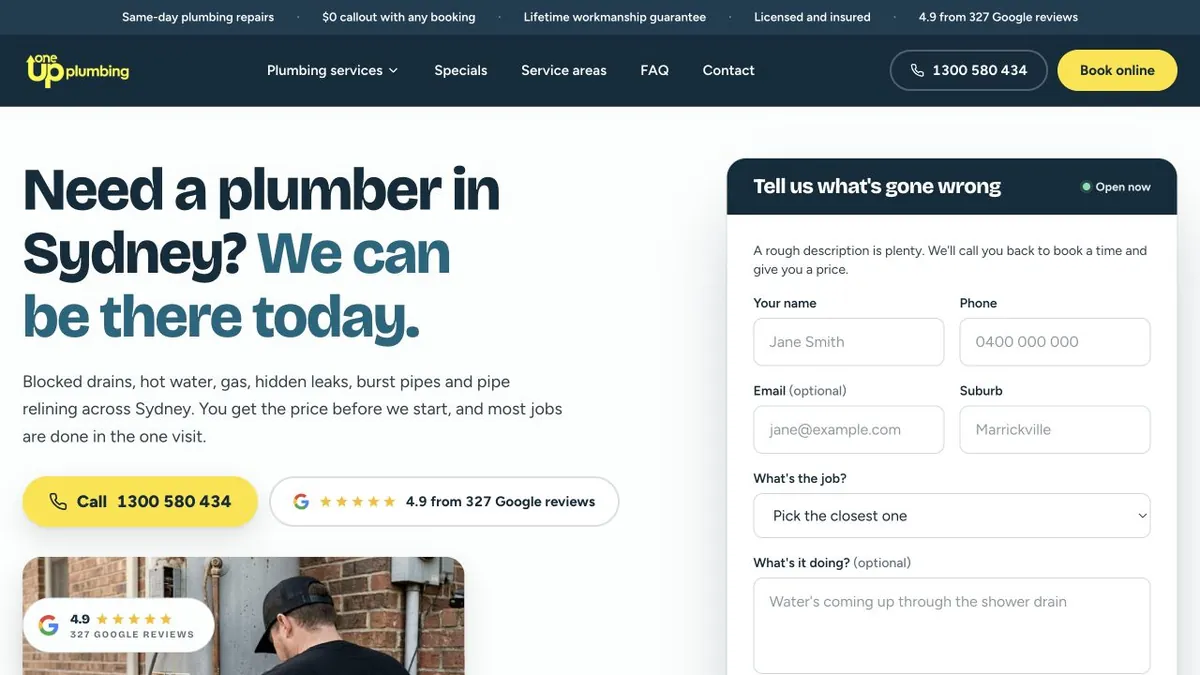
    Two of the longer write-ups are worth the click for the arithmetic rather than the headline. Wilco Plumbing's 158 enquiries in a 23-day period sets out why a Sydney plumbing click costs what it does, when the job behind it might be a tap washer or a drain replacement. The Gold Coast commercial cleaning account is the opposite market — a handful of buyers, a procurement sale wearing a local search, and a cost per enquiry that only came down 23.62% once the wrong enquiries stopped arriving.

    Still deciding?

    Read the next page before you spend anything.

    The short version

    Which of these do you actually need?

    Most businesses need two of the six, not all of them. Find your situation on the left; the answer is on the right.

    You sell a service and you want the phone to ring.

    Search campaigns, first and mostly. Everything else is a supporting act until Search is producing jobs at a cost you are happy with.

    Search campaigns
    You sell products online.

    Shopping, off a Merchant Center feed we clean first, with Search running alongside it on category and brand terms.

    Shopping campaigns
    People visit, don't enquire, and disappear.

    Remarketing, with a frequency cap and a genuinely different message to the one that brought them the first time.

    Remarketing
    Nobody has heard of you yet.

    YouTube for the story and Display for the reminder — then Search to catch the demand those two create.

    YouTube ads
    You're spending A$50K+ a month with real conversion history.

    Performance Max earns its place here, with brand exclusions, a feed you control and Search kept separate so you can still see what is working.

    Performance Max
    You're honestly not sure.

    Take the free audit. We will tell you which of the six is worth your money right now and, more usefully, which ones are not.

    Book the audit
    FAQ

    Google Ads, answered.

    Cost, timing, ownership, reporting, and what happens when a campaign is not working. If your question is not here, ask it on the call.

    The first call is free and there is no deck.

    Talk to us about your account

    Google's advertising platform. Your ads can appear on Search, YouTube, Gmail and millions of partner websites. You bid on the words people type, and you pay when somebody clicks rather than when the ad is shown. What makes it suit service businesses is the timing: you are reaching someone in the minute they went looking for what you sell.

    Two numbers, and they are separate. The first is your ad spend, which goes to Google — the smallest companies we work with invest a minimum of A$3,000 a month, and our largest clients run multiple eight figures a month across paid channels. The second is our management fee, which scales with the size and complexity of the work. There is no long lock-in and the first call is free, so you can get a real number for your situation before committing to anything.

    Search ads can produce calls and form submissions within hours of going live. The first two to four weeks are an optimisation period where we gather data, test ads and refine targeting. Accounts typically settle into their best rhythm around 60 to 90 days, once there is enough conversion data to bid confidently. Pink Flamingo booked 138 jobs in 41 days; Cleanetic booked 53 in its first 15 days on a brand-new account. Your industry, competition and budget all move that timeline.

    We own and run the account, because the build is proprietary methodology refined across 250+ engagements — bidding architecture, audience stacks, negative-keyword libraries and conversion tracking. You get full-visibility reporting on performance and spend at all times, and on long-term marketing agreements ownership and handover options are available to discuss. We will always tell you exactly what is in the account and what it is doing.

    We tell you, in the report, in plain English, and we change what we are doing. A campaign that is not producing gets restructured, repointed at a different set of searches, or paused — and if the honest answer is that Google Ads is not the right channel for your business right now, we would rather say so than keep billing you. What we will not do is quietly let it run and hope.

    On a fixed cadence, good news or bad. The report covers what was spent, what it produced, what we changed and why, and what happens next — in the language you use about your own business, not platform jargon. You also get access to see the account's performance and spend for yourself at any time.

    It depends on your finish line. Search is the workhorse for lead generation and customer acquisition — it captures high-intent buyers the moment they're searching. For online stores, Shopping carries product revenue off a clean Merchant Center feed, showing image, price and reviews before the click. Remarketing brings back visitors who didn't convert first time, and Performance Max layers AI across Google's network once you have meaningful conversion data. Most accounts we run use two or three of these together.

    Yes. Merchant Center and product feed setup, Standard Shopping and Performance Max, Search across category and product terms, and dynamic remarketing for browsers and cart abandoners — with purchase and revenue tracking wired properly so ROAS in Ads reflects what actually landed in the till. It's the same discipline as our lead work: track it accurately, test constantly, scale what pays. For a service business we're capturing calls, bookings and quote requests; for a store we're capturing orders and repeat purchases.

    Yes, and it is the most common way we start. The first pass is an audit: where the money went, which searches it went to, and what is structurally in the way. We do not pause what is already producing — we cut the waste around it first, because that is the fastest money in any account we inherit. You get the list of what we found before we change anything.

    Yes. Google renamed AdWords to Google Ads in 2018, once the platform had grown well past search text ads. It now covers Search, Shopping, Display, YouTube, Performance Max and Discovery campaigns. Plenty of people still say AdWords and mean the same thing.

    The dashboard where campaigns are built, managed and reported on. Keyword research, ad creation, bid management, audience targeting and performance reporting all live in it. Most accounts use a fraction of what is there. The parts we lean on that most businesses never open are automated rules, custom scripts and audience segmentation.

    Intent-based targeting is the whole point of it. Your ad appears because somebody typed the thing you sell, not because they fit a profile. On top of the keyword you can narrow by location, device, time of day and audience. The effect is that budget follows people who are already looking, instead of being spread across people who might one day be interested.

    Relevance, quality and performance. Relevance is whether the ad matches what was actually typed. Quality is Google's own score for that, built from expected click-through rate, ad relevance and landing page experience. Performance is the ongoing work on bids, budgets and targeting. The first two mostly decide what you pay for a click. The third decides whether the click was worth buying.

    Ask to see results in your industry. Ask what the reporting looks like in a bad month, because that is the one that tells you something. Ask who actually touches the account week to week, how often somebody reads the search terms, and whether the landing page is part of the job or somebody else's problem. We have no long-term lock-in, and you talk to the strategist who runs your account rather than to a salesperson.

    Search sits around 3-5% across industries and Display around 0.5-1%, but the average on its own tells you very little — it moves with your industry, your keywords and where you sit on the page. It is also the wrong number to chase. A high click-through rate on a search that was never going to buy is an expensive way to feel good. We write to the search, keep keyword groups tight enough that the ad can genuinely match, and use the full set of ad extensions. Then we judge it on cost per job.

    Yes. Australian CPCs have risen over the past few years, and hardest in legal, finance, trades and healthcare. Melbourne is among the tighter markets. What that changes is the cost of being sloppy — in a cheap auction a wasted click is small change, and in an expensive one a fortnight of unread search terms is a real number. It is why the waste sweep here is daily rather than monthly.

    Every account gets a landing page built for it, a named strategist, optimisation weekly rather than whenever somebody remembers, and reporting on a fixed date whether the month went well or badly. Nothing reaches a live account with one name on it. We measure cost per job rather than cost per click, and we will tell you when a channel is the wrong one for your business.

    It puts you in front of somebody at the moment they go looking. In practice that means phone calls, form submissions, bookings and online sales. It also puts your name at the top of the page for people who never click, and it lets you go back to visitors who left without doing anything. Run properly it becomes predictable, which is the part that matters — a channel you can plan a hiring decision around.

    Through the keyword. If you are a plumber in Melbourne, your ad shows when somebody types 'emergency plumber near me'. Add location targeting so it only runs where you actually go, and ad scheduling so it only runs when somebody can answer the phone. That last one saves more money than most people expect.

    The ongoing work on a live account: bids, new ad copy, keyword lists, landing pages, search term reports, and moving budget toward whatever is producing. The search term report is the one that matters most and the one most often skipped. It is the only place you can see the words people actually typed, as opposed to the words you bid on.

    If you have a trained PPC specialist whose whole job is the account, in-house works. Most businesses do not, and what happens instead is that the account becomes somebody's fourth priority. The case for an agency is pattern recognition across a lot of accounts — we have usually seen your problem before, and recently. The case against it is the fee, and if your spend is small enough that the fee outweighs the waste we would remove, we will say so.

    People who never click still read the top of the page, and your name is on it. Run Search alongside Display and YouTube and somebody meets you more than once before they need you. That is real, and it is also the easiest thing in advertising to overspend on, so we treat it as a supporting line rather than the reason to be there.

    Yes, and we push for it. Sending ad traffic to your homepage makes the visitor find their own way to the thing they searched for, and most of them will not bother. A page that repeats the words in the ad — same service, same suburb, same offer — improves Quality Score and converts better. It is usually the cheapest change available on an account.

    Further reading

    Two of the leaks described above have their own write-up: why the same account starts costing more for each enquiry goes through the version of this we see most often, and the account checks worth automating covers the ones nobody remembers to run by hand. If the reporting is the part you have stopped believing, five questions your current agency should be able to answer is the shortest way to find out. And if the question is what this spend is supposed to be doing for the rest of your marketing, how advertising pays back the other channels follows the chain from measurement through to the software your staff use.

    Get the audit

    We open your account, read the search terms, trace the tracking and grade the pages — then hand you the list of leaks. Yours to action, with us or without us.

    No pitch deck. No upsell. A real conversation and a written list of leaks.