Lead generation Where your next customer comes from.
Lead generation is not one channel. It is the whole journey — the search somebody types, the map they tap, the feed they scroll, the page they land on, the follow-up that arrives while they are still deciding. We build the parts of it your business actually needs, and we keep it honest about what a job costs.
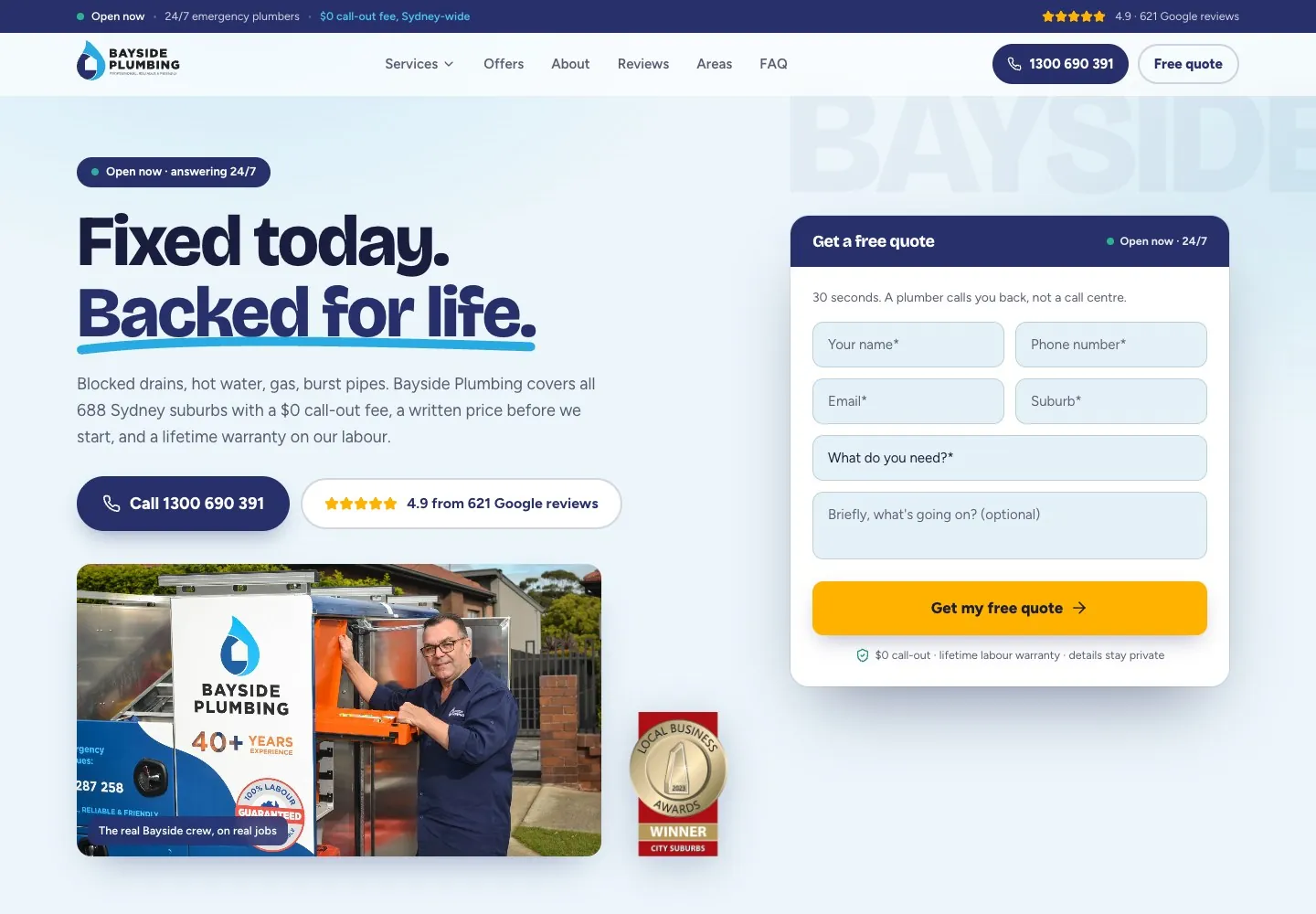
138 jobs in 41 days at A$20.43 each · Pink Flamingo, an end-of-lease cleaning business in Melbourne · 250+ live client engagements across Australia, the UK, the UAE, Saudi Arabia and New Zealand
See how we did it for businesses like yours.
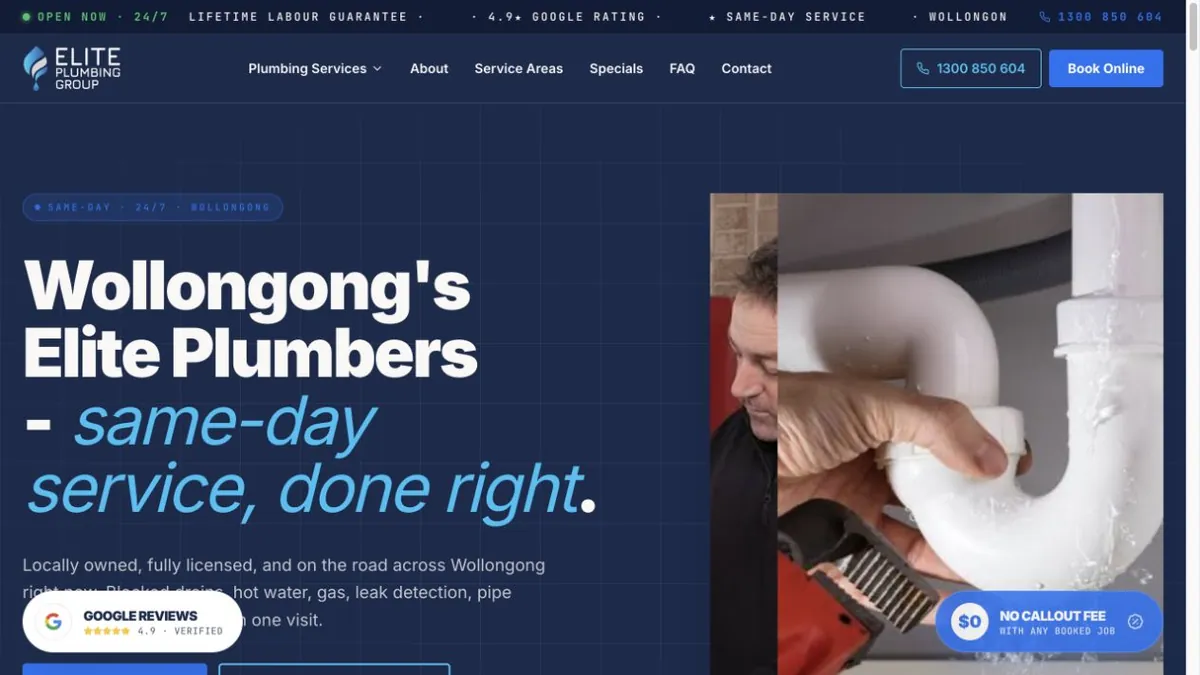
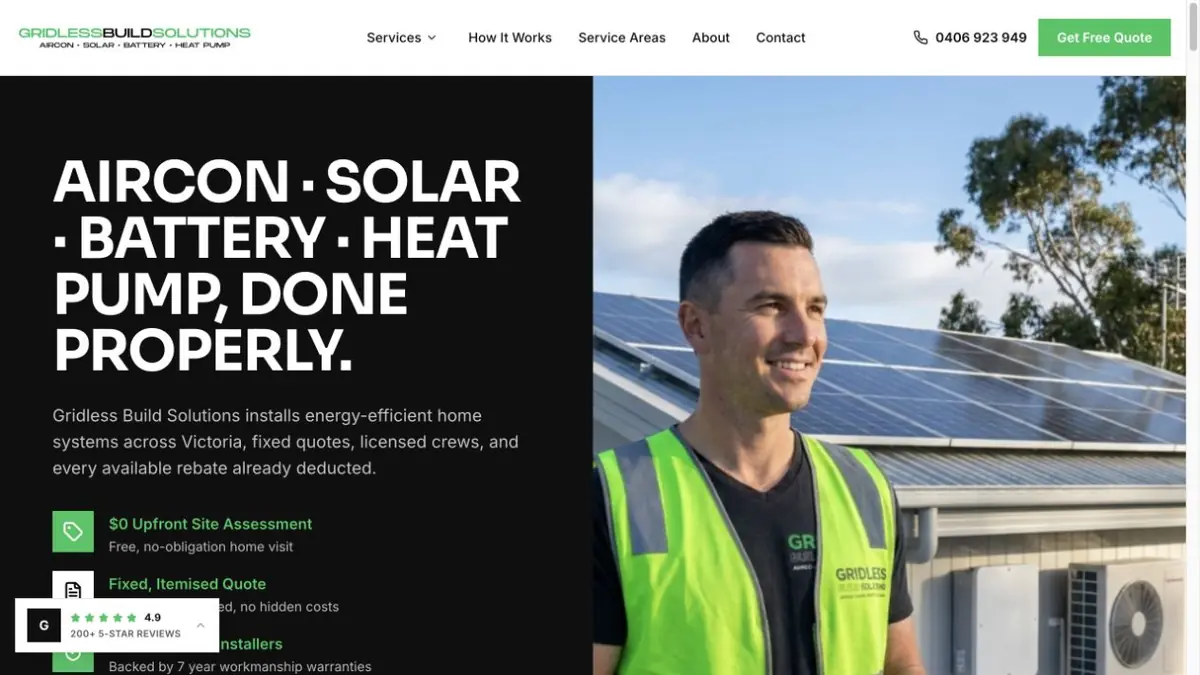
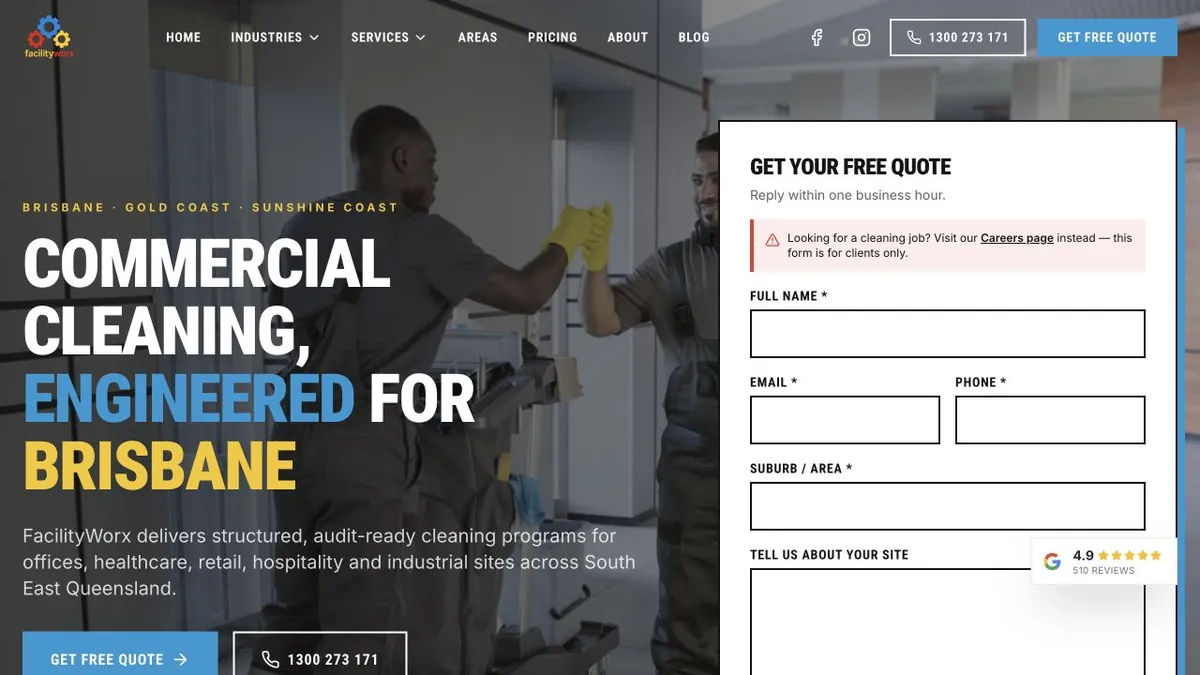
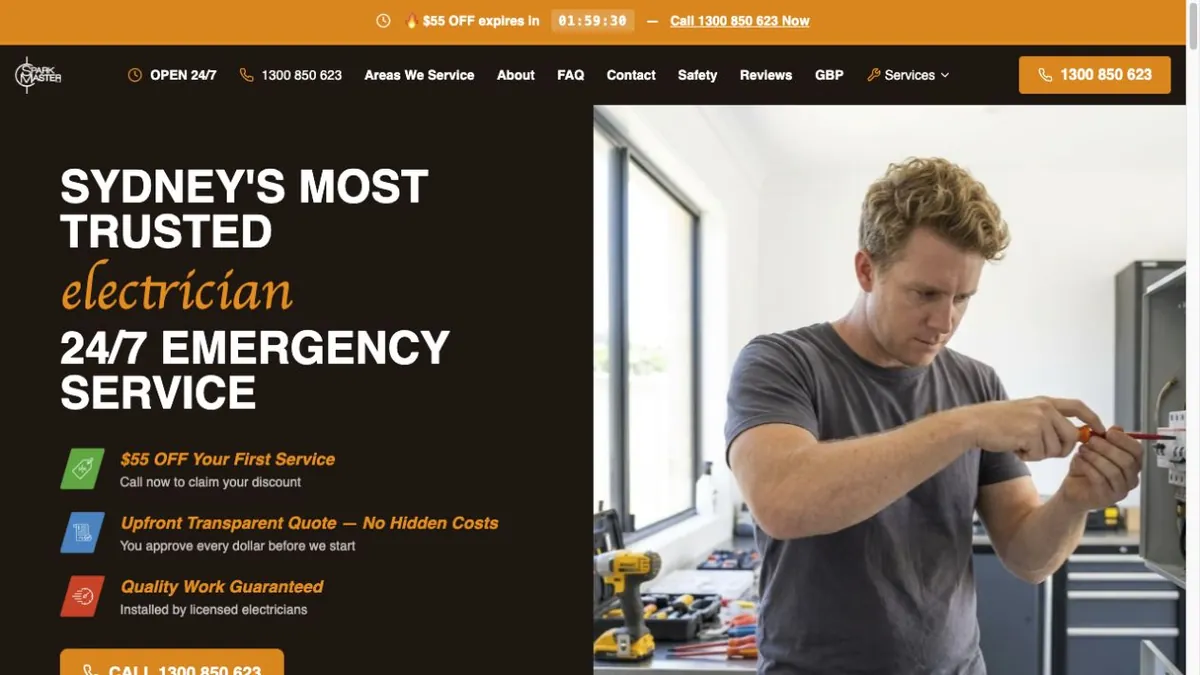
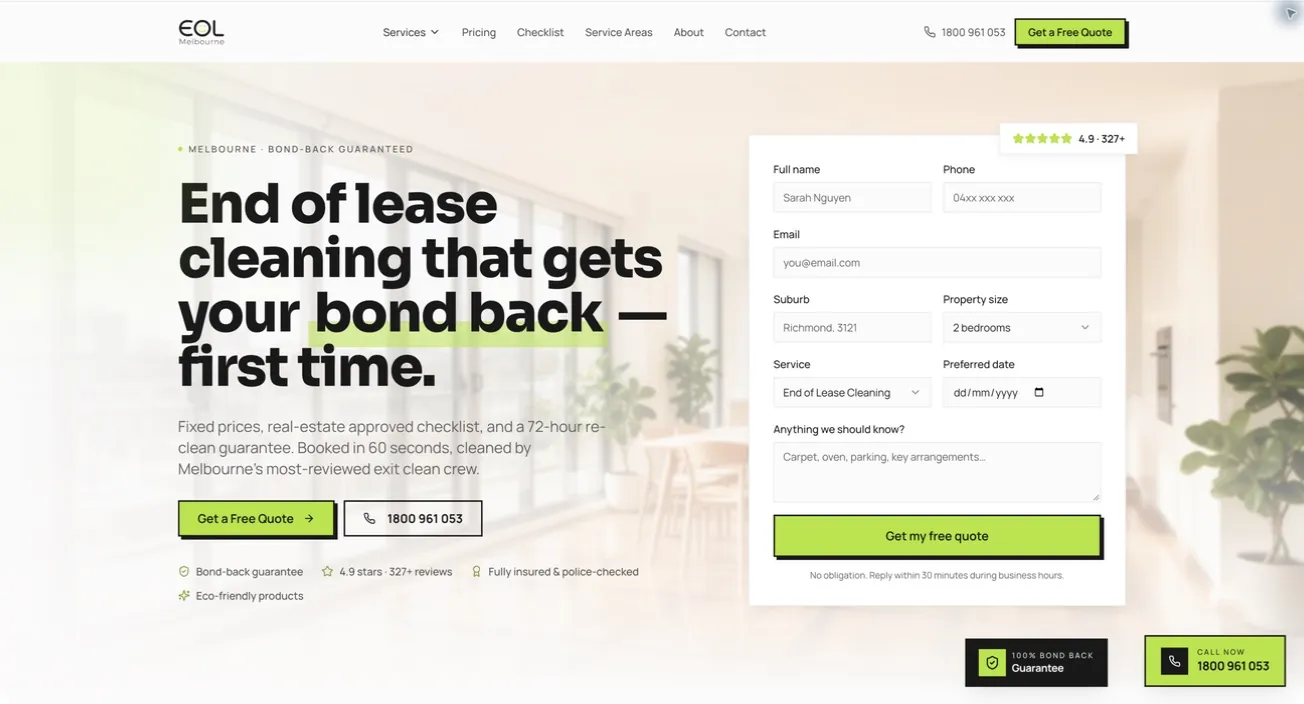
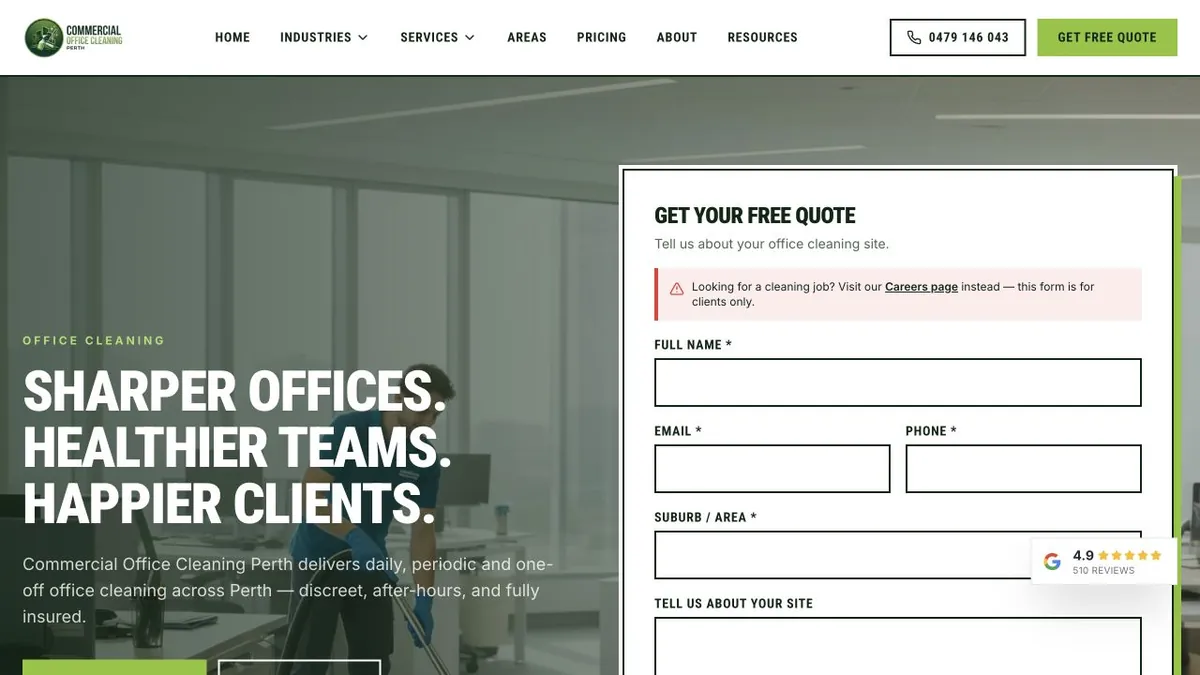
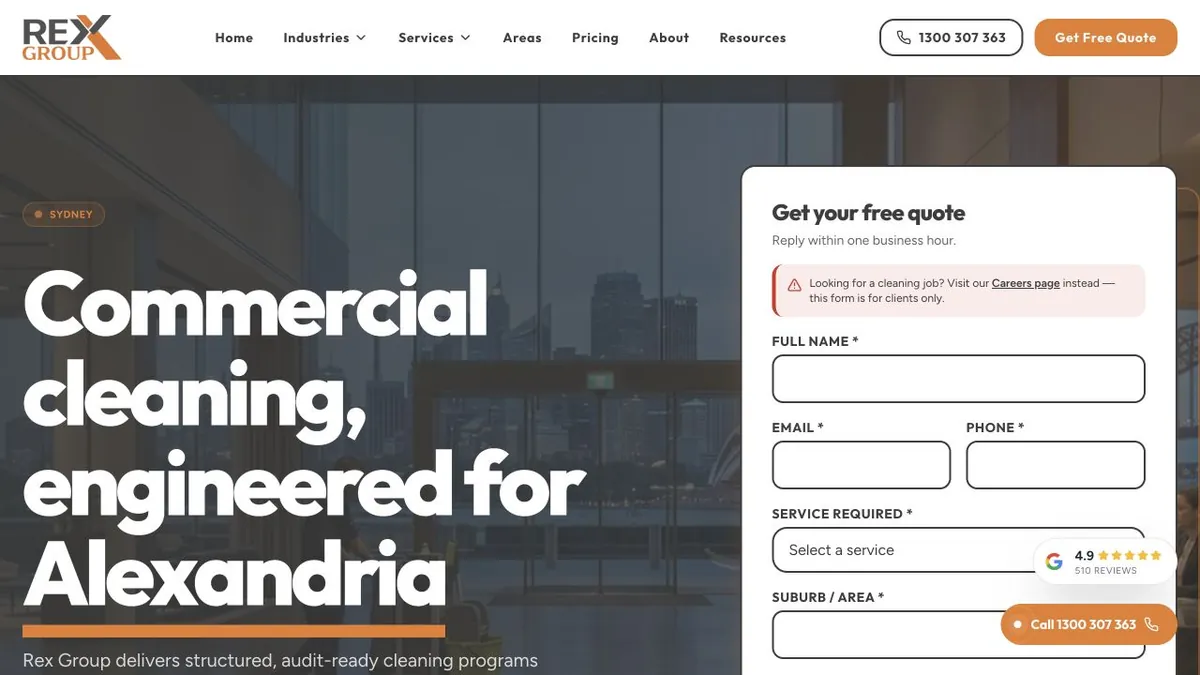
- EOL Melbourne104enquiriesSelected period · a 27-day period in 2026See how we did it

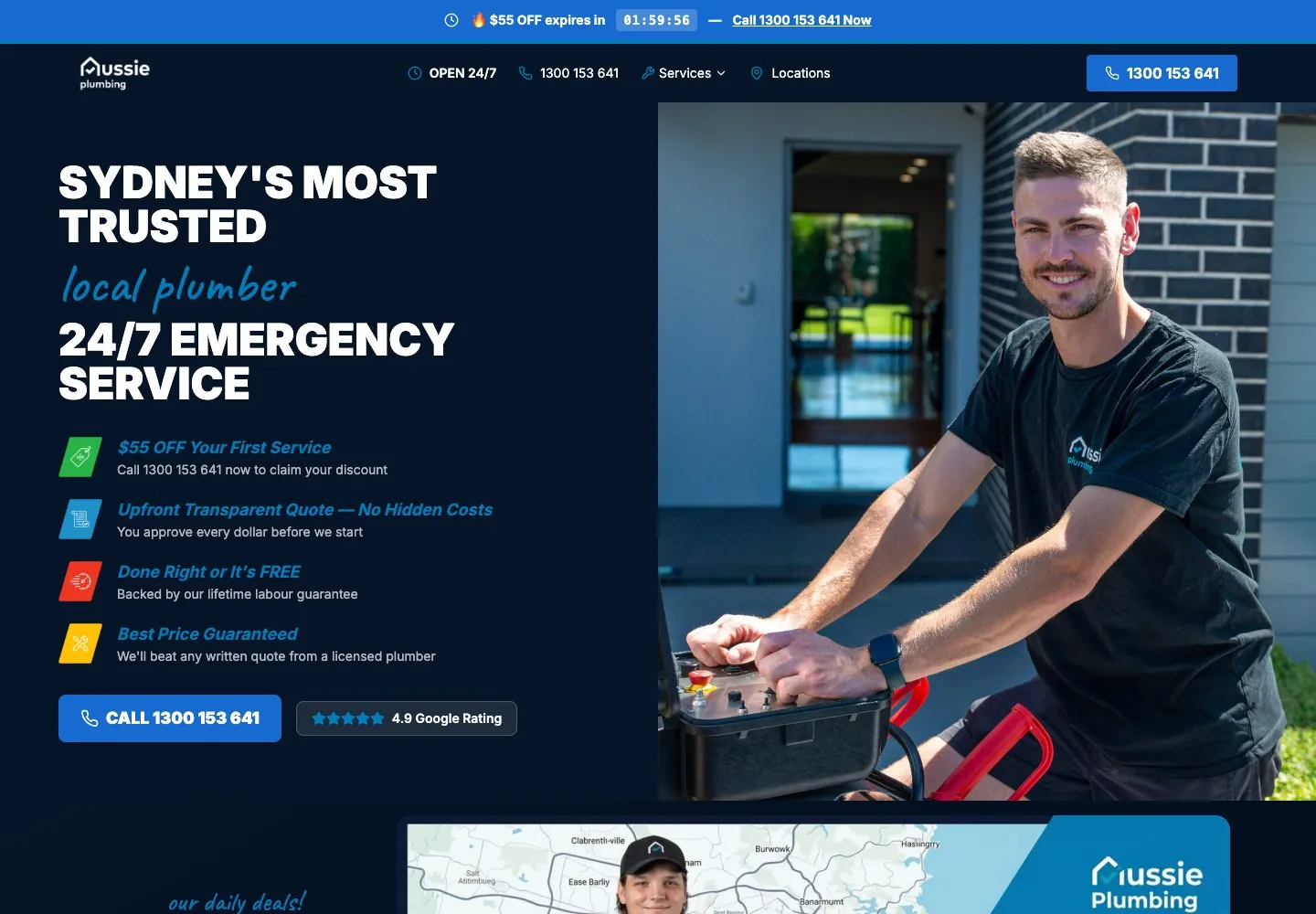
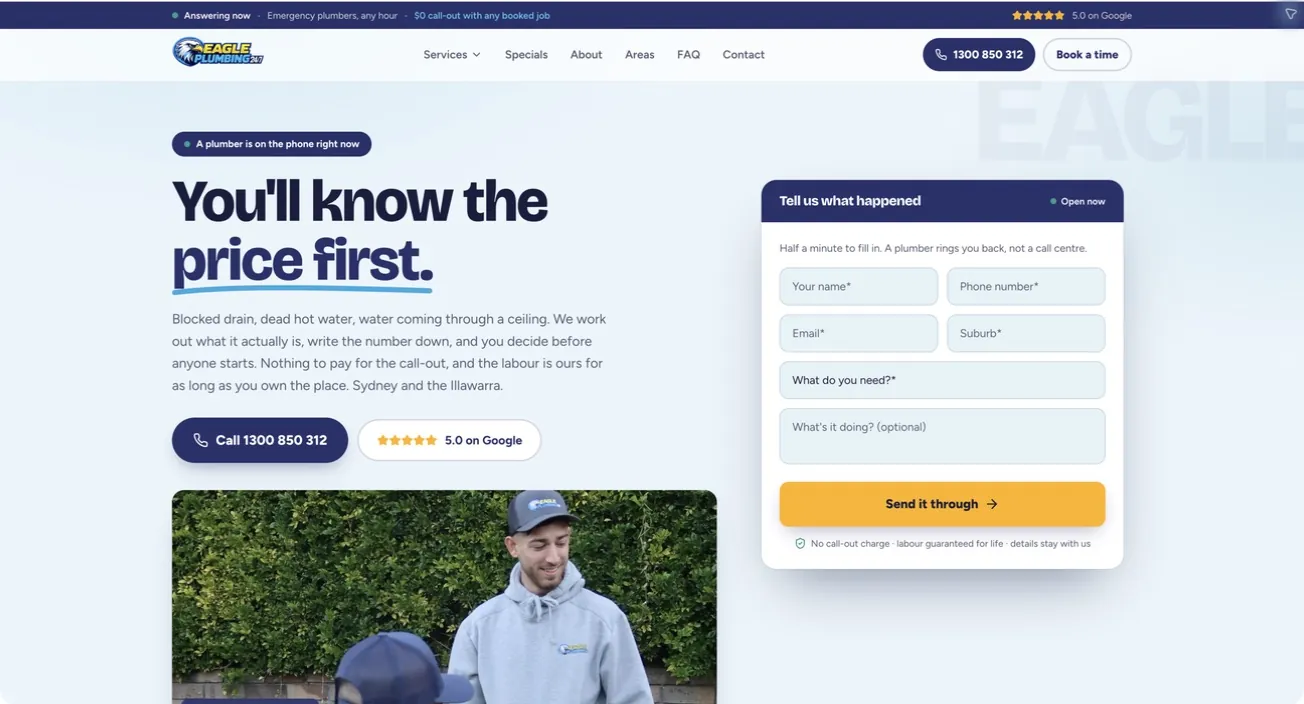
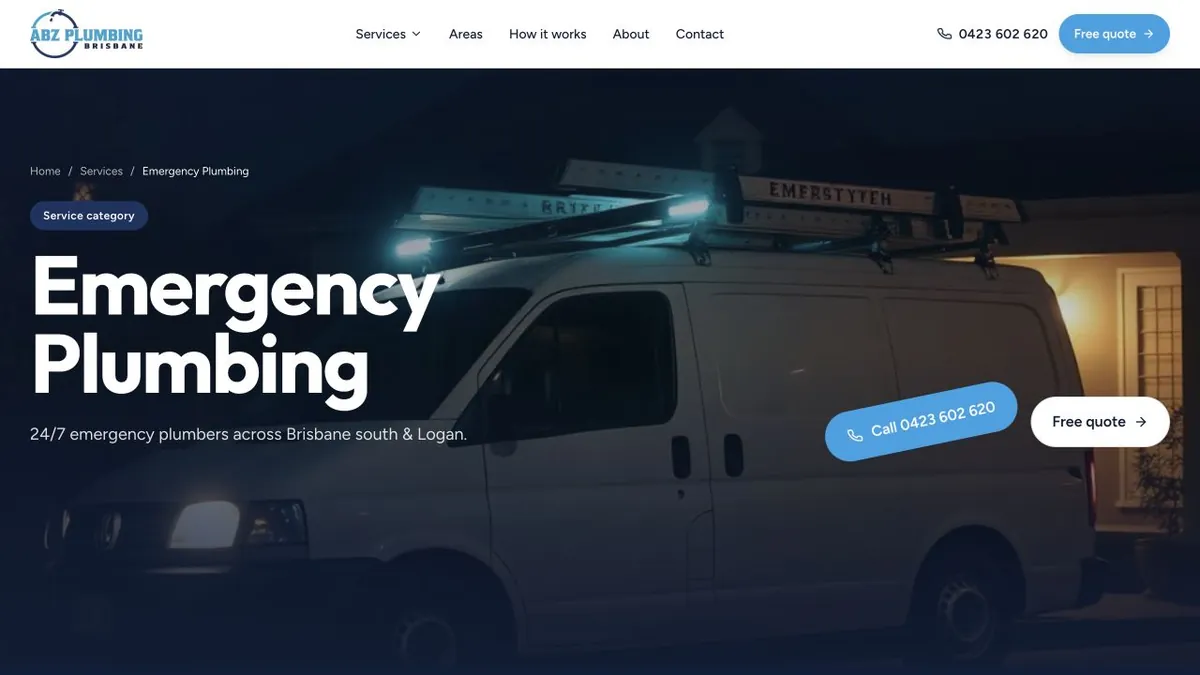
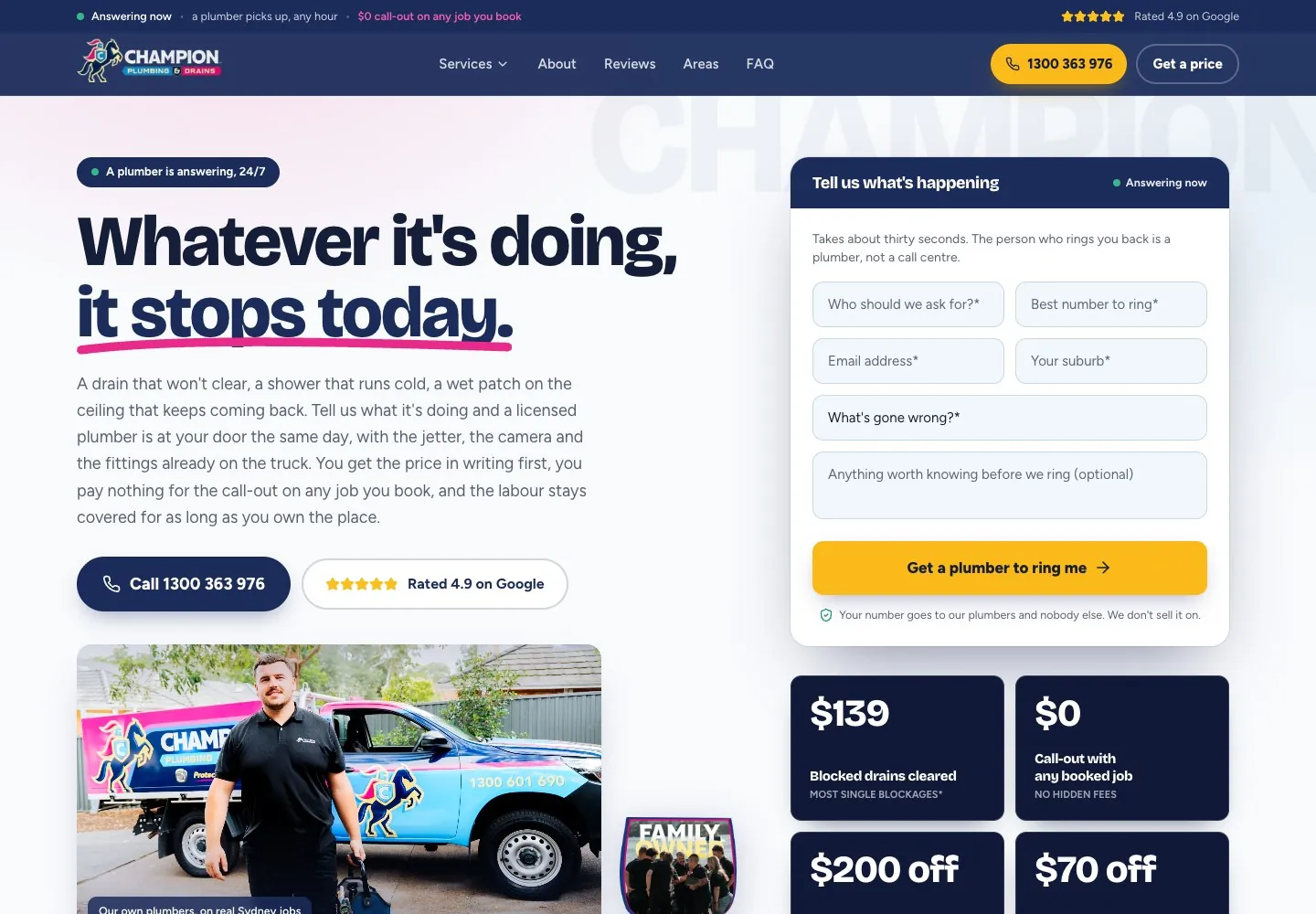
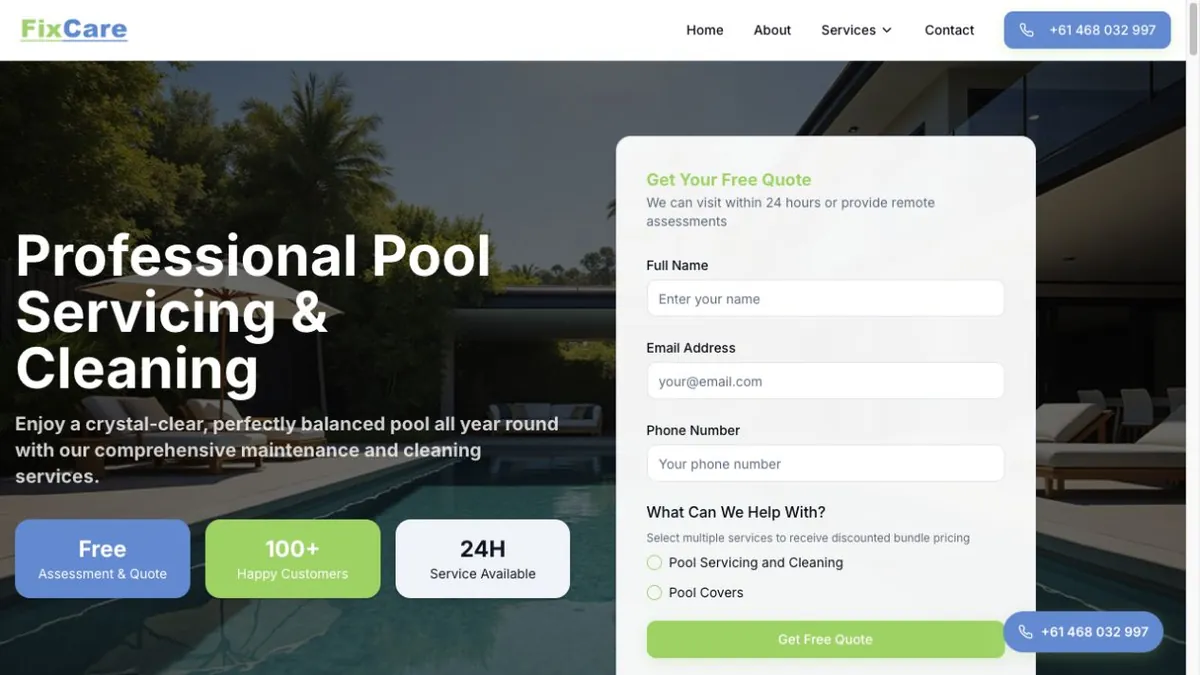
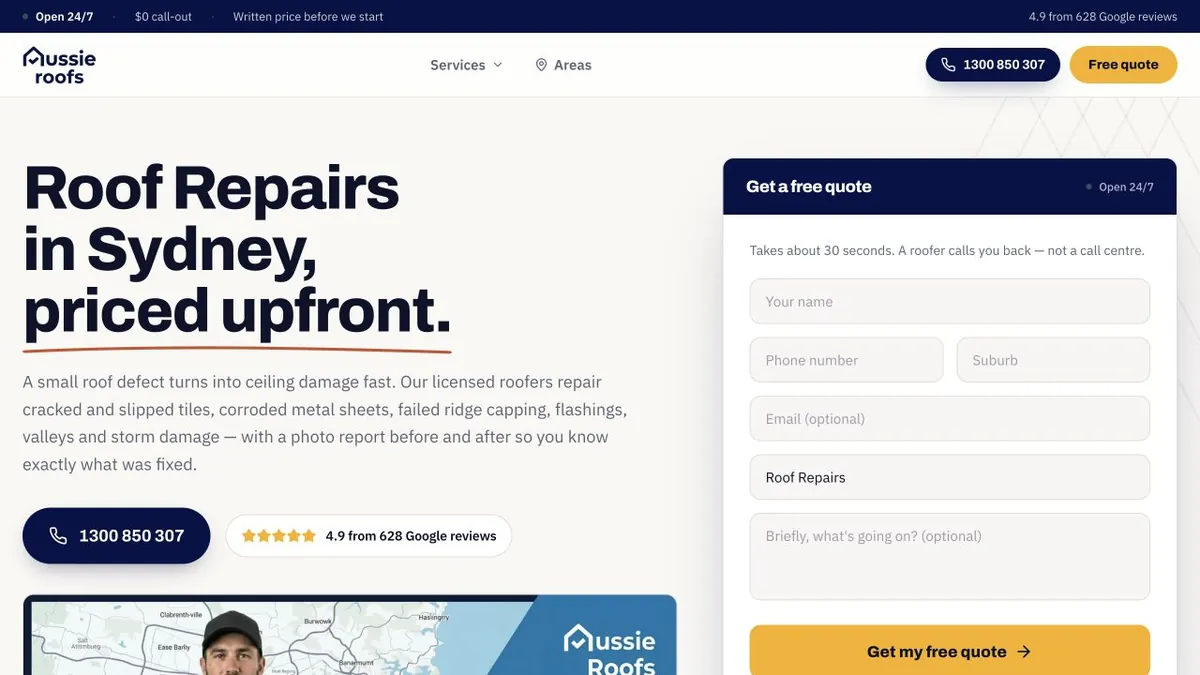
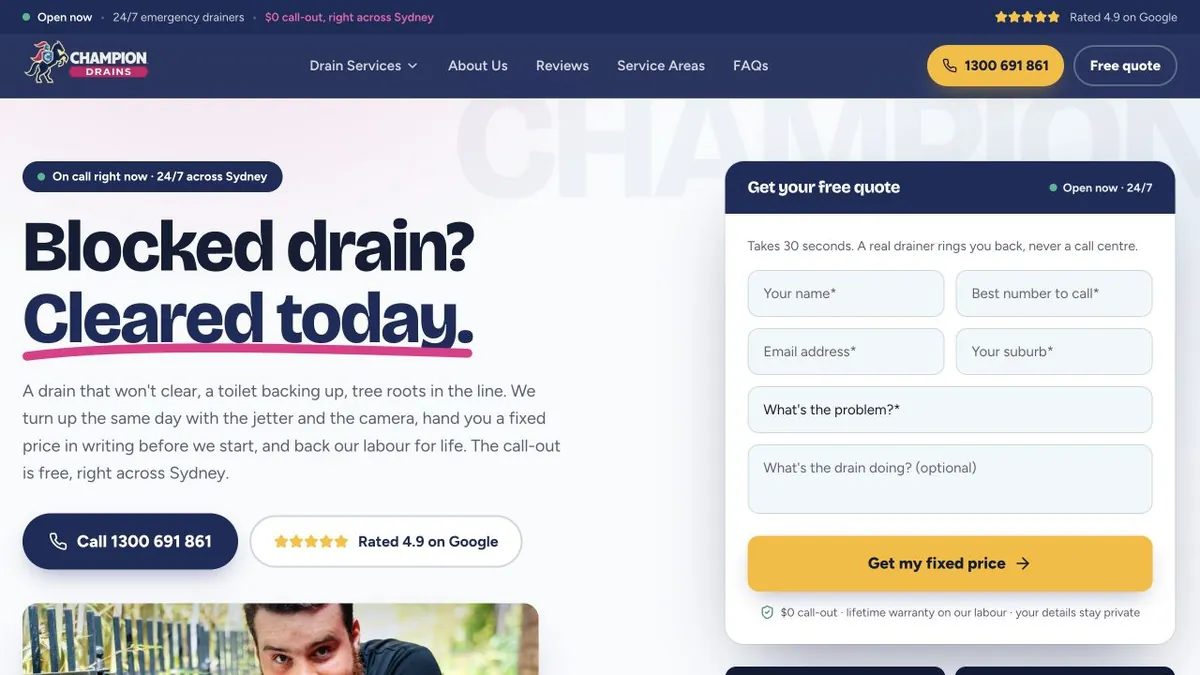
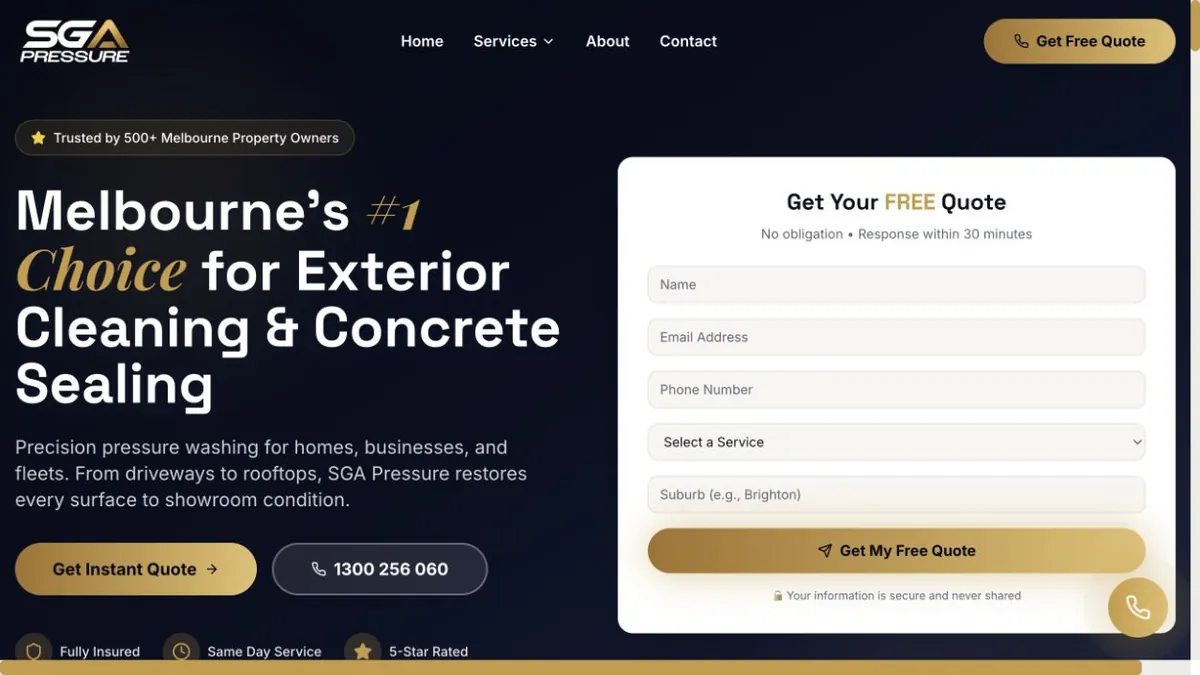
- Aussie Plumbing−41.96%cost per leadSelected period · one measured period to the next, 2026See how we did it

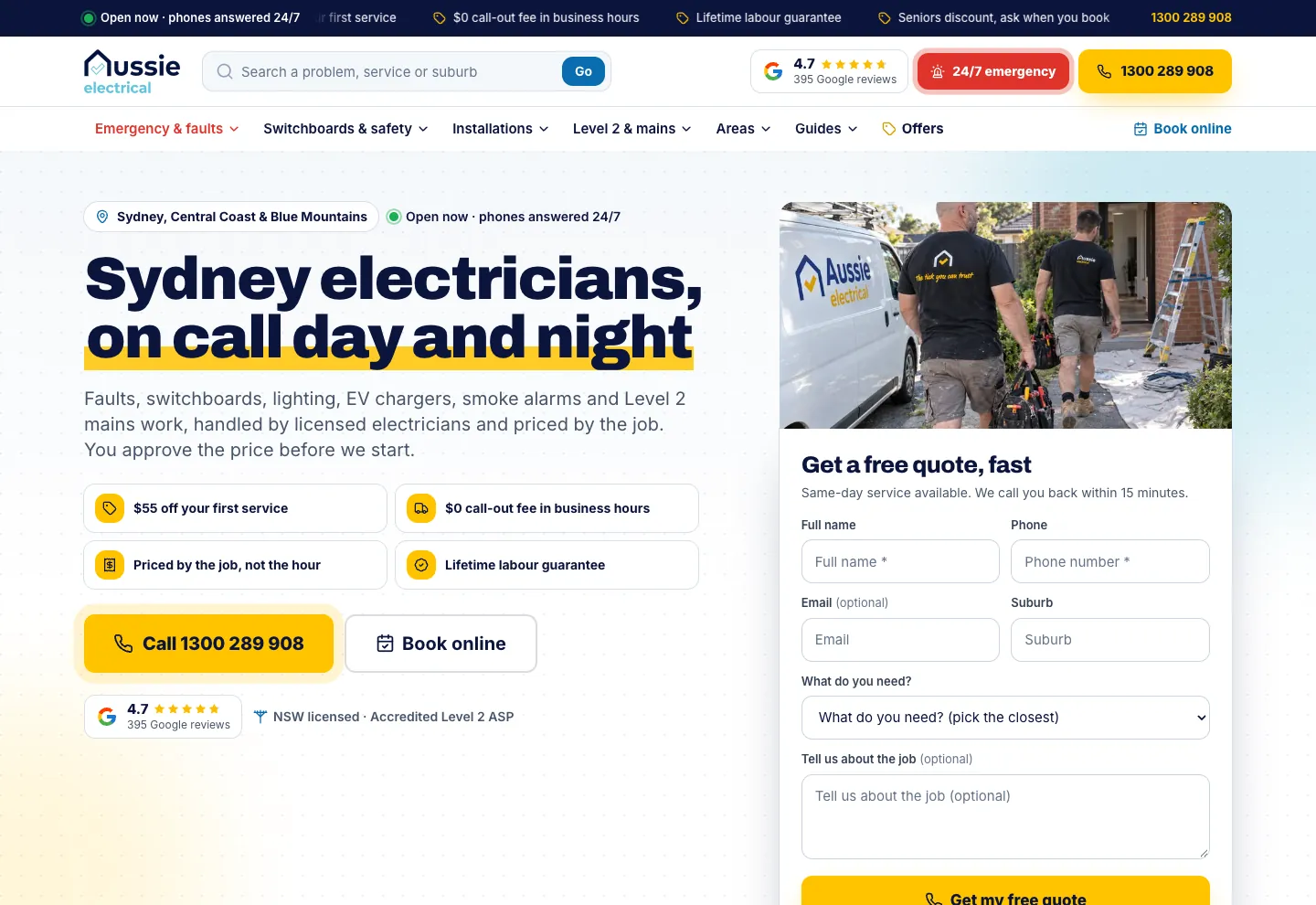
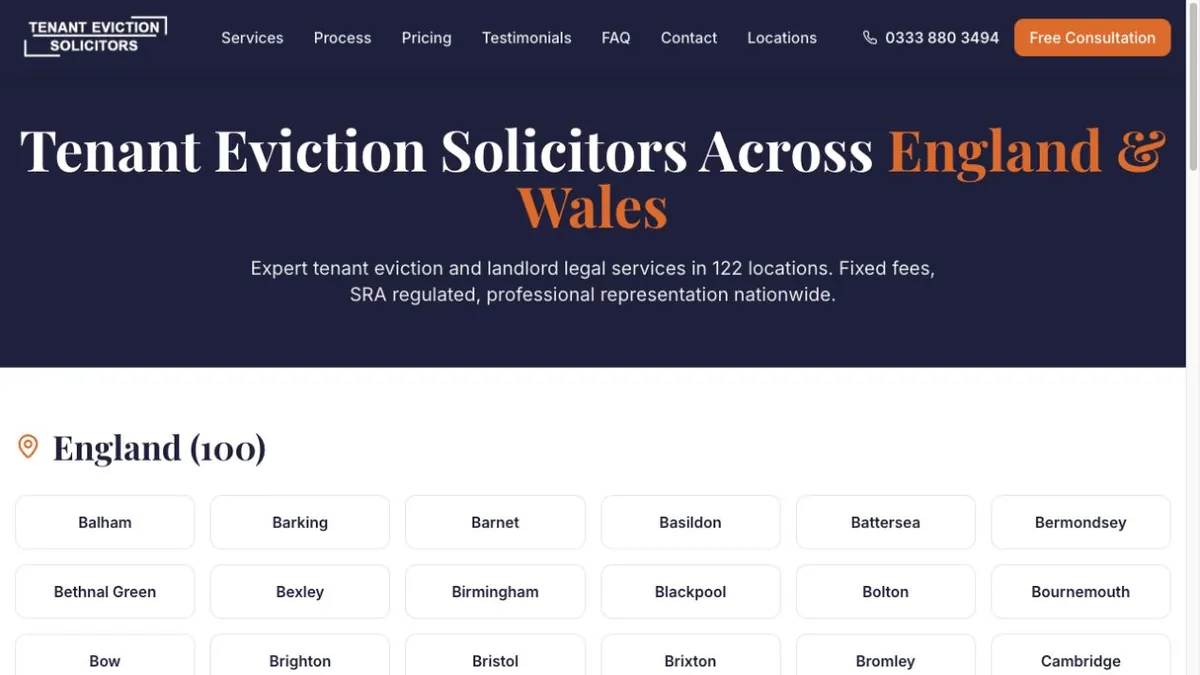
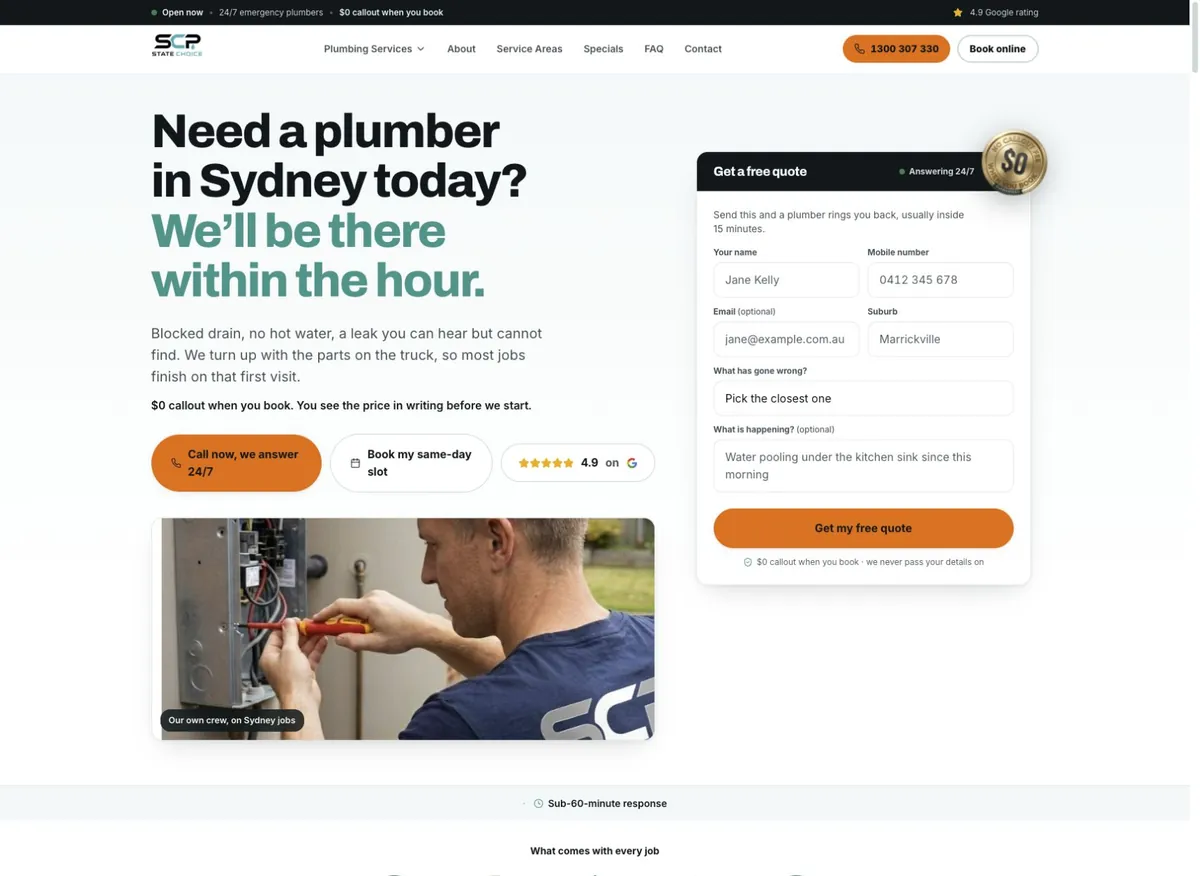
- Aussie Electrical262enquiries in the measured periodSelected period · a 30-day period in 2026See how we did it

Where the money
quietly leaks.
Seven things we find in almost every business that is spending on marketing and cannot say what it is getting back. None of them are exotic, and not one shows up in a cost-per-click report.
The whole business rides on one channel
Usually Google Ads. It works, so nobody builds anything else. Then click prices rise, or the account picks up a policy strike, and you have no second source of enquiries to fall back on while somebody sorts it out.
Nobody can say which channel produced the job
Nobody tracks the calls, nobody tagged the forms, and the customer says “I found you online”. Every budget conversation after that is a guess, and the channel with the loudest report wins the money.
Ads point at the homepage
The ad promises one specific thing and the page opens with a slider, a mission statement and six services. The visitor has to work out whether you do the job they searched for. Most of them do not bother.
The lead lands in an inbox and waits
An enquiry answered the next morning is competing against three businesses that answered in ten minutes. The advertising did its job. The follow-up is where the money was actually lost.
SEO and paid run as two unrelated projects
Two agencies, two reports, two sets of keywords, no shared list of what converts. The paid account already knows which searches produce customers, and nobody has ever shown that list to the SEO side.
The Google Business Profile is half filled in
No service list, no service areas, no products, no photos since 2021, review requests never sent. For a local trade the map pack is often the highest-intent placement on the page, and it is being left on the table.
You get volume in the report and never a revenue number
A cost per lead of A$15 reads beautifully next to a cost per customer nobody has calculated. Until the closed jobs are fed back, the platforms keep optimising toward whichever lead is cheapest to collect.
Which of these seven is costing you enquiries?
We open the ads, the pages and the tracking together, because these usually turn out to be one problem wearing three hats.
Pink Flamingo · 41-day period
138
Jobs booked
A$20.43 cost per job · 21.20% conversion rate
Cornerstone Roofing · 35-day period
68
Quote requests
Ready before the storm · insurance-literate
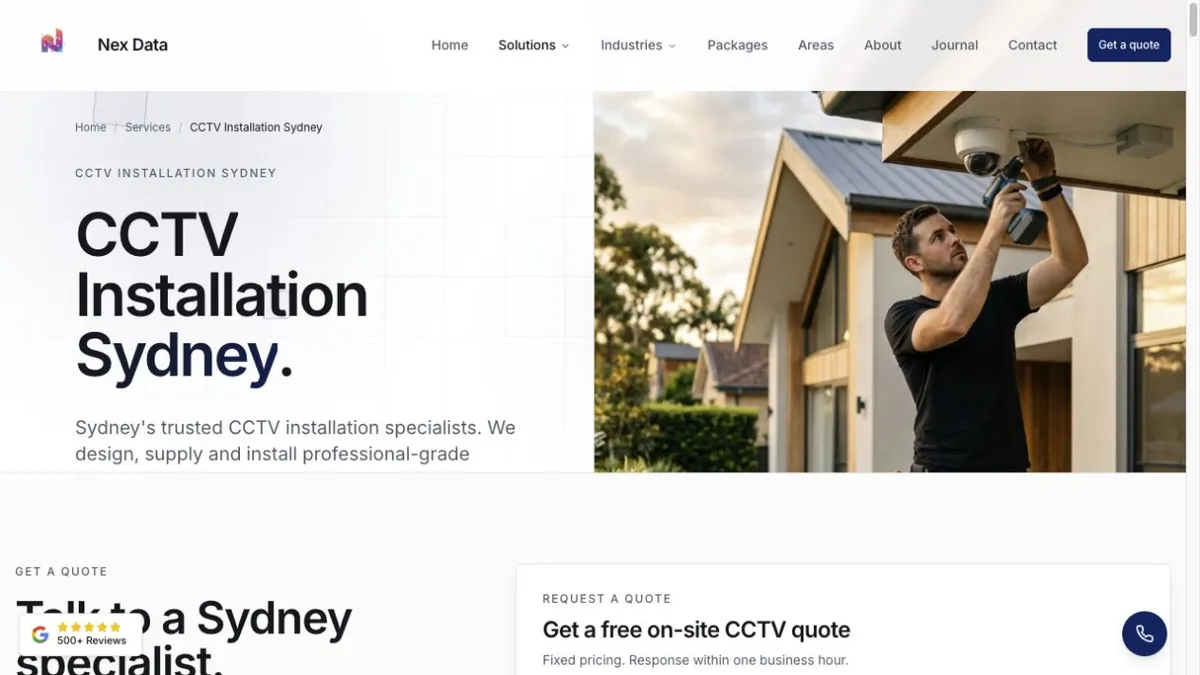
NexData · 15-day period
39
Qualified security leads
Commercial and residential split · same-day lead alerts
Figures are from live client accounts and are dated in each case study. They are what those campaigns did, in those markets, at those budgets — not a forecast for yours.
Ten places a lead
can come from.
Each one has a page of its own — what it is, when it is the right call, what it costs you when it is the wrong one, and how we build it. You will use two or three of them, not ten.
- Google AdsSearch, Shopping, Performance Max, YouTube, Display and remarketing — six formats doing six different jobs.Best for — Demand that already exists. Somebody types the problem you solve, today, and you are the answer at the top of the page.
- SEOEarning the positions you would otherwise rent — technical fixes, content built around real searches, and the links to support it.Best for — Compounding enquiries that do not stop the day you pause a budget. Read over quarters, not weeks.
- Local SEO and Google Business ProfileThe map pack: services, service areas, photos, products, questions and a steady flow of reviews that are actually asked for.Best for — Any business a customer expects to travel to them. It is often the highest-intent placement on the page and the cheapest to hold.
- Facebook and Instagram adsReaching people before they search — lead forms, video, retargeting and audiences built from your own customer list.Best for — Creating demand rather than catching it, and following up with everyone who nearly enquired and then got busy.
- LinkedIn adsTargeting by job title, company size, industry and seniority — the only platform where that data is the point of the product.Best for — B2B, long sales cycles, and anything sold to a procurement team rather than to a household.
- TikTok adsShort-form video that has to earn its first two seconds. Cheap reach, unforgiving creative standards.Best for — Businesses with something worth watching and a younger customer. It rewards volume of ideas over polish.
- Websites and landing pagesThe page the ad actually points at — one promise, one form, proof above the fold and nothing else competing for the click.Best for — Every channel above. It is the one asset all of them share, and usually the cheapest thing to fix.
- Follow-up and nurtureThe follow-up sequence for enquiries that were not ready, and the reason to come back for customers you already have.Best for — Anything with a considered purchase, a repeat purchase, or a quote that goes quiet for three weeks.
- AI searchBeing the business that gets named when somebody asks an AI assistant for a recommendation instead of typing into a search box.Best for — Categories where buyers research before they shortlist. Early, imperfect, and cheap to be early in.
- Tracking and analyticsTag manager, analytics, server-side conversions and call attribution — wired by hand and fired once to prove each one landed.Best for — Everything on this page. Without it, no number above this line means anything.
Ten channels. Most businesses need two or three.
Which ones depends on what you sell, what a customer is worth and what is already running. That is what the first call settles.
Ten things happen on every engagement. Here they are, in order.
This is the part most agency pages keep vague, and it is the only part that decides whether the money works. So it is written down.
Start from what a customer is worth
Not the cost per lead. We want the margin on a job, how many quotes turn into work, and how much of that you can afford to spend to win one. We measure every decision after this — channel, budget, bid, which enquiries we chase — against that number.
Pick two or three channels, not ten
The list above is what is available, not a shopping list. Most businesses we run use two or three of them well. Spreading a A$4,000 budget across six platforms buys six sets of learning data, none of which is large enough to learn from.
Build the measurement before the spend
Someone goes through your tag manager container by hand, wires the analytics, connects the server-side conversions and puts call attribution on every phone enquiry — then fires each one and shows you it landed. We do this before the first campaign switches on, not six weeks later when somebody asks where the leads went.
Build the page the ad points at
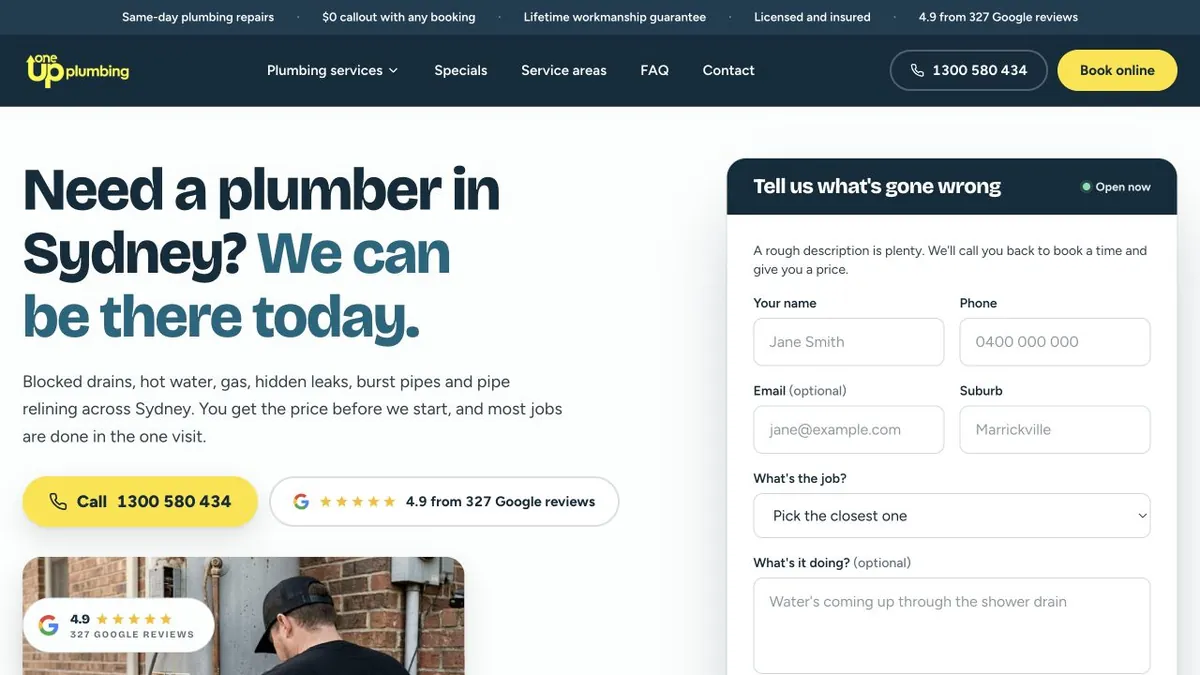
One promise, matching the ad, answered in the first screen. Proof underneath it — licence, guarantee, response time, real photographs of real work. A form short enough to finish on a phone in a driveway. If your site cannot do that yet, we build the page; it is part of the job, not an extra.
Launch paused and hand you the build
We create every campaign paused, every time. You read the keywords, negatives, ad groups, ad copy, assets and targeting before a dollar moves, and you press go when you are ready, not when we are.
Read the search terms every working day
We open the actual words people typed and sort them the same way each day: cut it, question it, or back it. We cut the terms with no business being there on any spend. The ones that match what you sell but are not converting go to a person, because that is usually a bid or a landing-page problem and cutting it would hide the real one.
Two names on every change
Proposed changes queue as files — pending, then approved, then pushed — and a person moves them between those states once somebody has made the case. Nothing pushes itself; we keep that switch off. Sometimes the second read sends the whole idea back.
Refuse the pushes that would break something
A guard sits between the queue and the live account and blocks changes that point an ad at the wrong page, contradict the ad group's intent, or trip a platform policy. When it refuses, it logs the reason and tells us — it never skips quietly.
Feed the outcomes back to the platforms
We send closed jobs and their values back into Google and Meta so the bidding learns the difference between an enquiry and a customer. Until somebody closes that loop, both platforms chase whichever lead is cheapest to collect.
Move the budget to what produced customers
We report on a fixed rhythm, good news or bad, in the language you use about your own business. If a channel is not producing we restructure it, repoint it, or stop it — and if the honest answer is that it is the wrong channel for you, we would rather say so than keep billing for it.
What actually happens, week by week.
- Week 0
The audit and the first call
Thirty to forty-five minutes on what you sell, who buys it and what a customer is worth. Then we open whatever exists — ad accounts, analytics, your site, your Business Profile, your competitors' ground — and write down every leak we can find.
- Week 1
Measurement, then the build
We do the tracking first, because we judge everything after it by that. Then keywords, negatives, audiences, ad copy, assets and the landing pages. A second strategist reads all of it. Nothing is live and nothing has spent.
- Day one
You press go
We build every campaign paused so you can read the whole thing first — every keyword, every headline, every page it points at. You switch it on when you are satisfied.
- Days 1–14
The clean
The busiest fortnight we will ever have on your account. We read the search terms and placements daily, negate the waste, promote the early winners, and rewrite the creative against what is actually serving rather than what we hoped would.
- Weeks 3–6
The account finds its shape
By now we have enough conversion data to see which campaigns and channels carry the load. We move budget toward them, rethink the bidding, and restructure or stop anything that never made sense.
- From there
Rhythm
We optimise weekly, report on a fixed cadence whether the news is good or bad, and sit down with you each quarter to work out where the next block of budget goes and which channel is next.
We build every campaign paused, every time. You read it before a dollar moves — that is a rule we hold ourselves to, not a favour.
You see the whole build before it spends anything.
The first call is thirty minutes on the business and the numbers you are judged on. Nothing goes live until you have read what we would run.
Lead generation is bookended by two of the six stages.
Compound is how our team works on any account — six stages every change passes through. Lead generation puts its weight on the first and the last: agreeing the number, and reporting against it on a rhythm.
Mandate
You set the number before we spend the money.
Before we pick a channel we agree with you, in writing, what a good result looks like — what a customer is worth, what counts as waste, and which benchmarks you can hold us to. We put it in your own settings file so nobody has to remember it, and we show it to you before we spend a dollar.
Statement
A fixed rhythm, good news or bad.
We work to a three-day clock: we pull the data, we read it, we write the recommendations, and we send you a Word document and a PDF carrying the same numbers and the same date. Then we sit down with you and go through it — and what you say in that room is what we write the next mandate from.
Four accounts. Four real numbers.
Cleaning, roofing and security — different industries, different cities, the same build. Every tile links to the full breakdown, including the spend behind it.
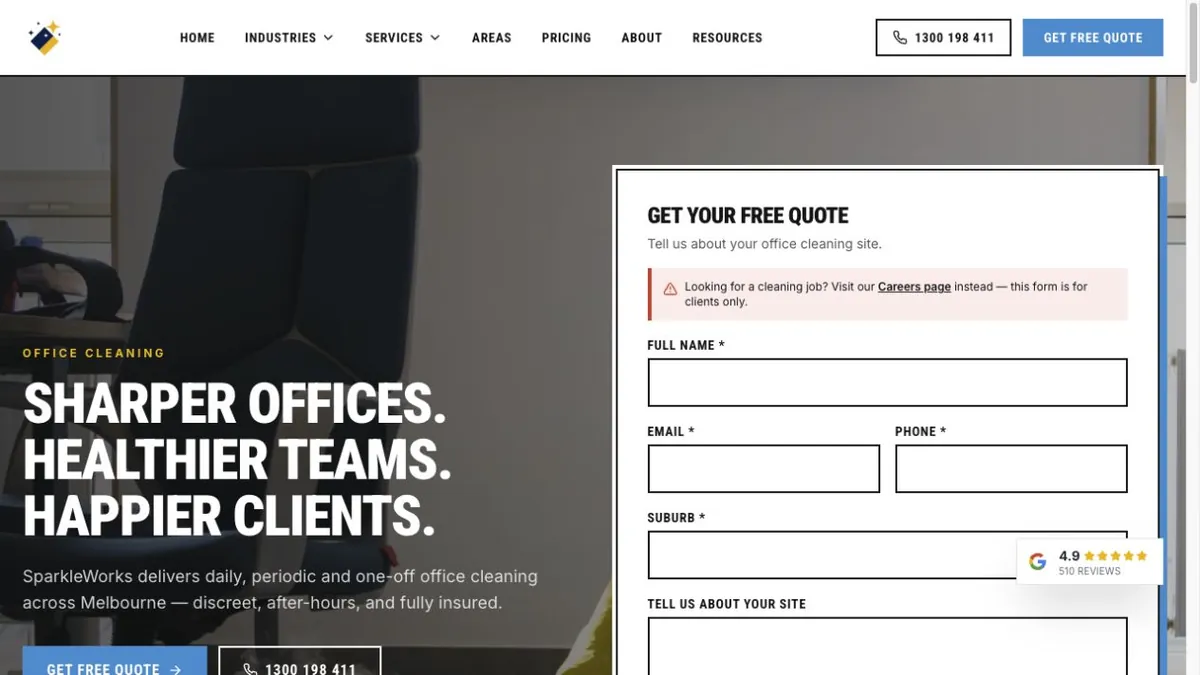
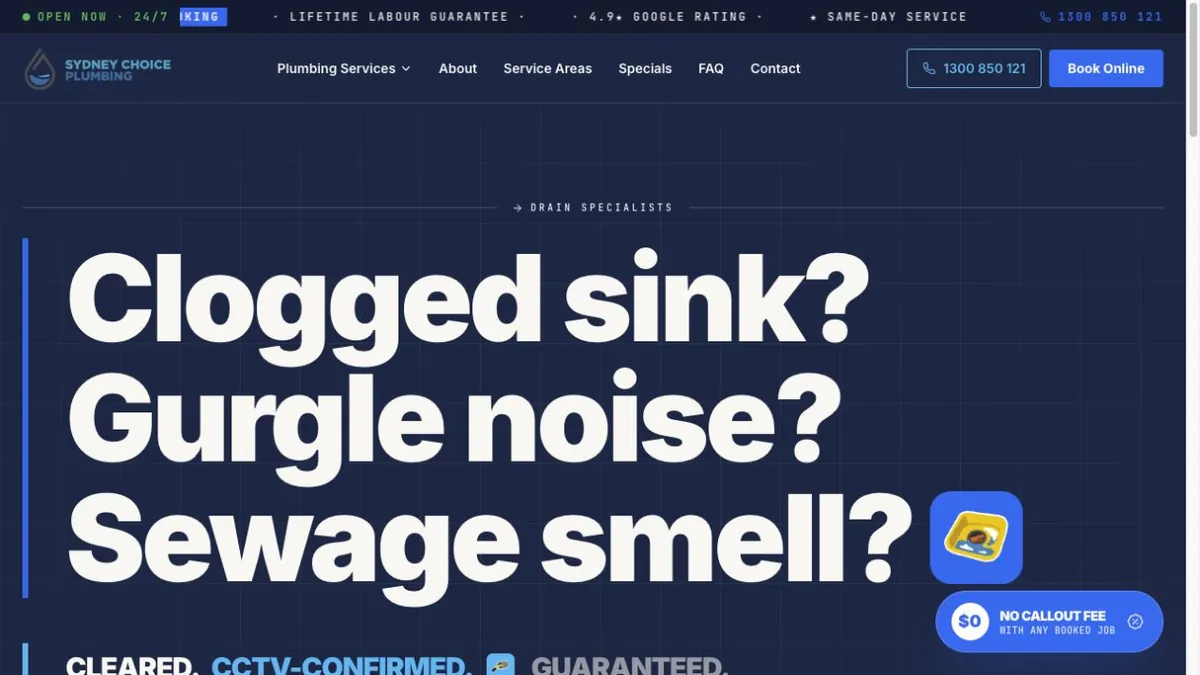
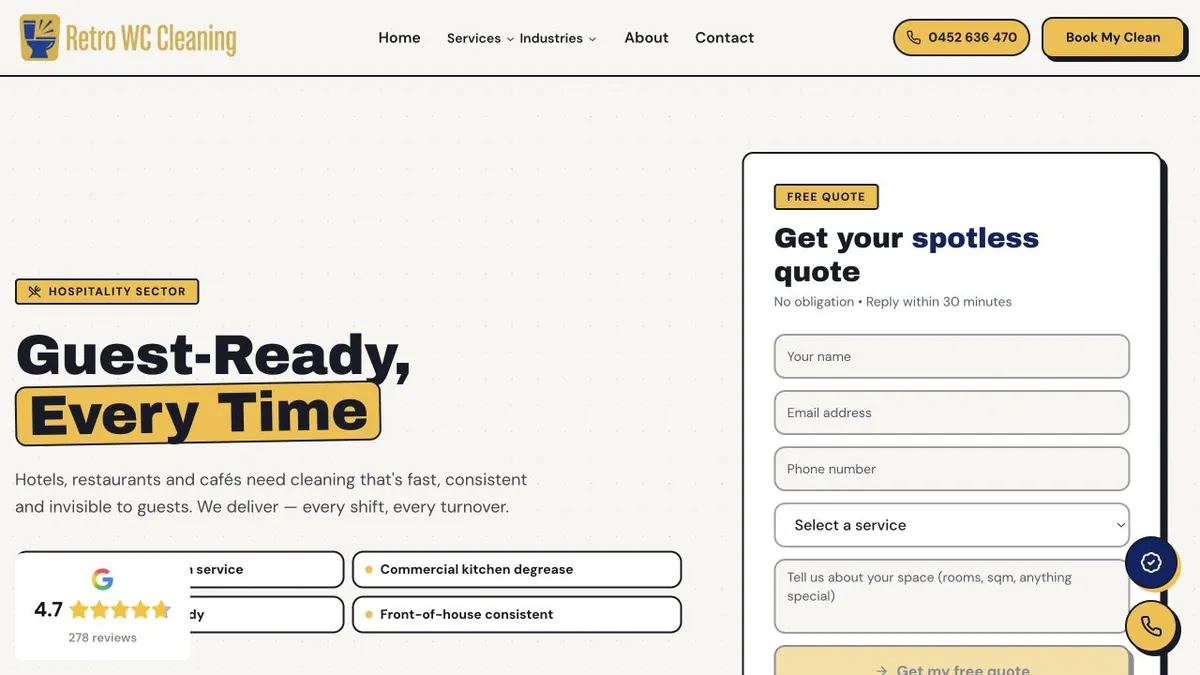
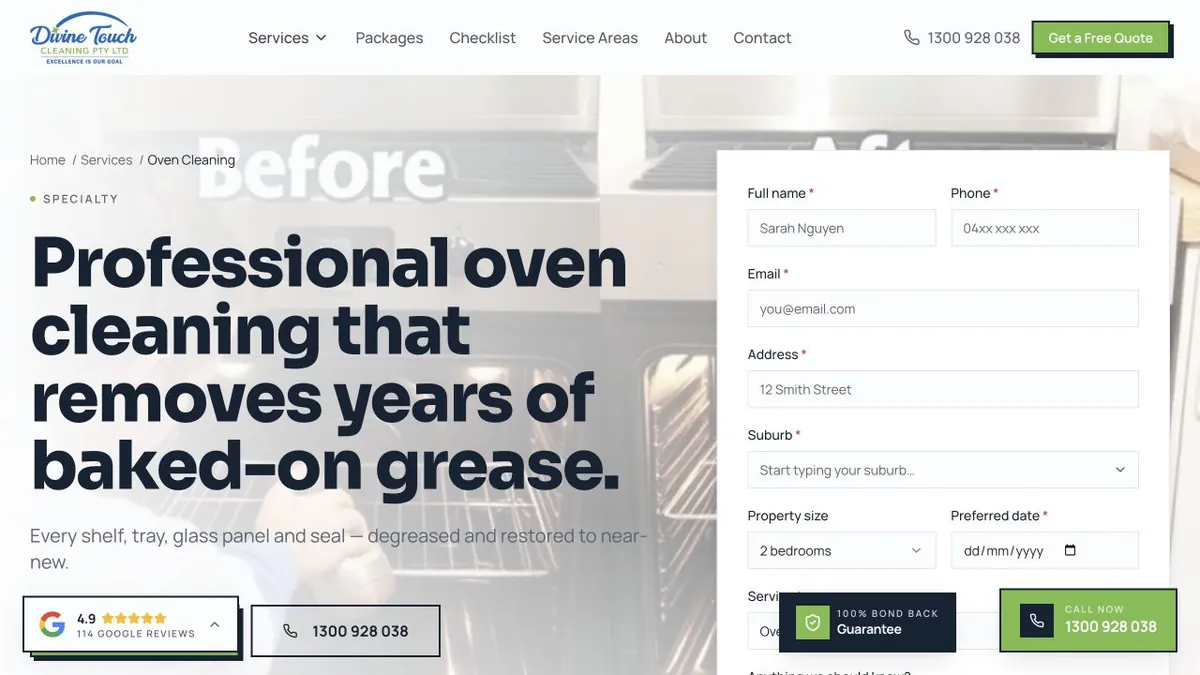
- End-of-lease cleaning · Melbourne138jobs booked in 41 daysA$20.43 cost per job · 21.20% conversion rate · A$2,819.92 ad spendPink Flamingo
- Carpet cleaning · Perth53jobs in the first 15 daysA$24.92 cost per job · brand-new account, no conversion history at launchCleanetic
- Roof restoration · Melbourne68quote requests in 35 daysReady before the storm · insurance-literateCornerstone Roofing
- Security and CCTV install · NSW39qualified leads in 15 daysCommercial and residential split · same-day lead alerts to the sales teamNexData
Every figure above is a cost per lead that somebody now plans their year around. You can work out the one your own numbers imply from your click price, your conversion rate and what a job is worth.
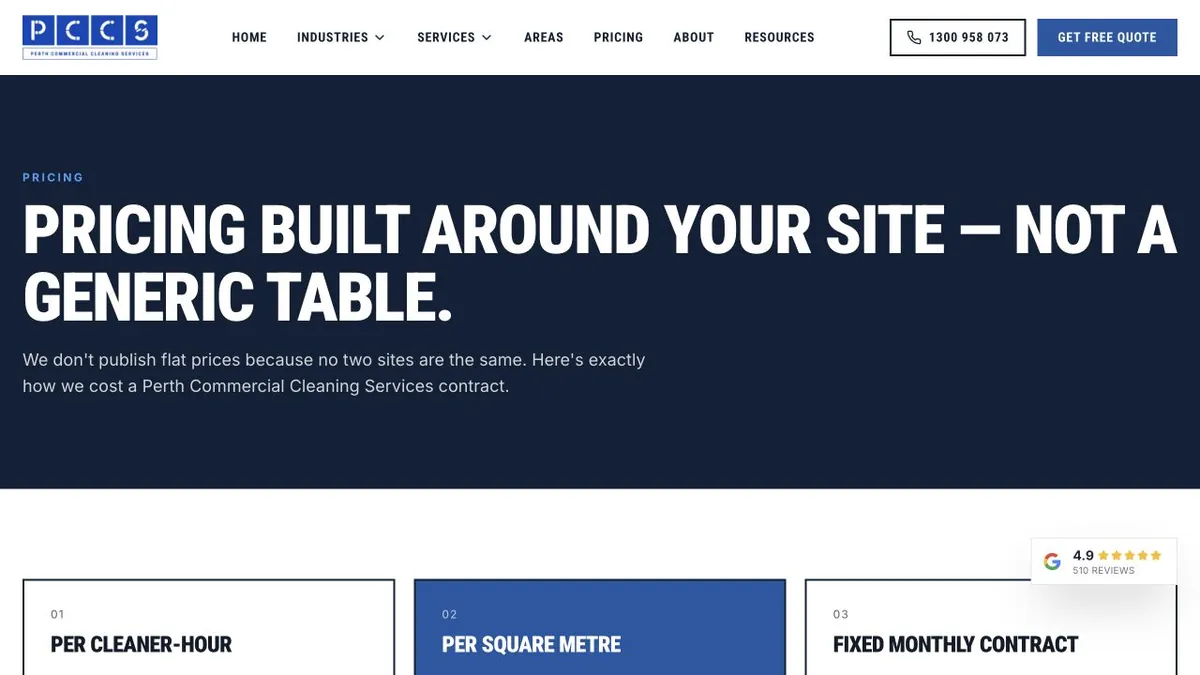
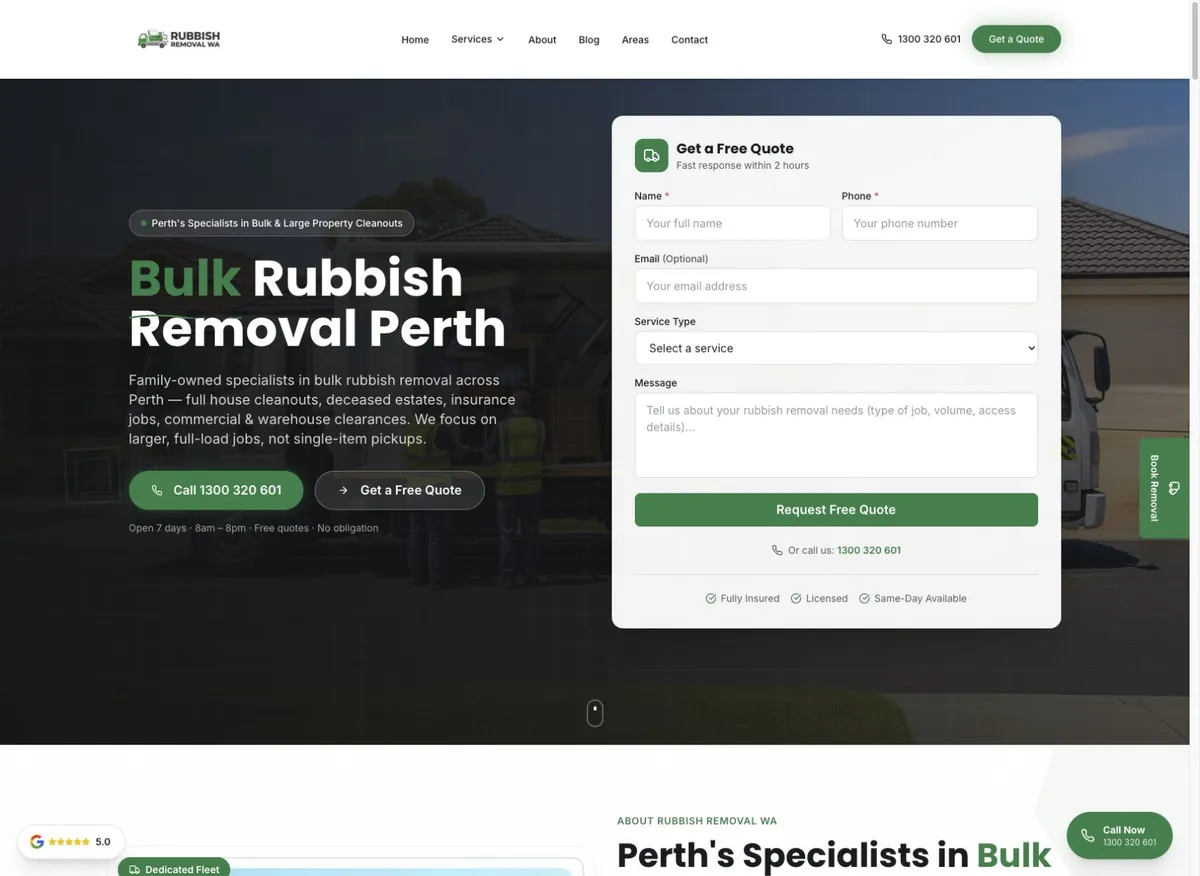
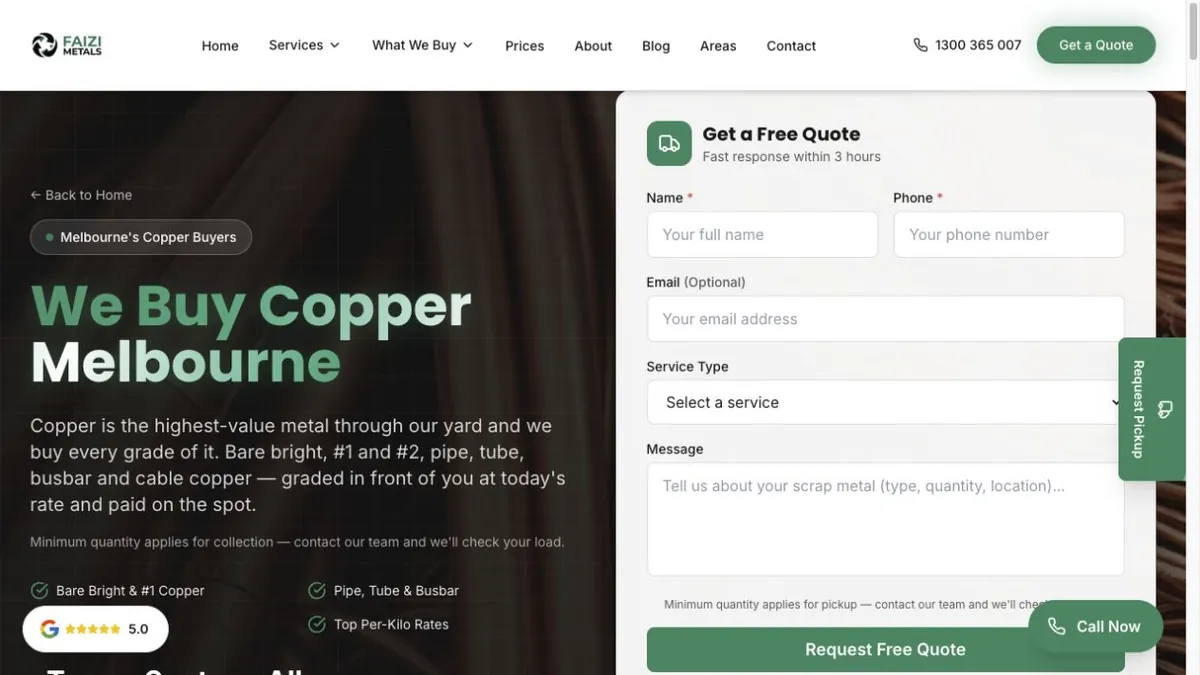
What that figure should be depends entirely on the market you are in, and the range is wider than most people expect. A Melbourne scrap metal dealer took 222 enquiries at $8.91 each in one measured period. A Perth commercial cleaner took 11 at $220.59 in another, from a small pool of buyers who only go looking when a contract is up. Neither is the good number and neither is the bad one — which is why a cost per lead is only readable against what one job is worth to you.
Ten channels, two decisions
So which of them do you actually need?
Find your situation.
Ten sentences a business owner has actually said to us on a first call, and where each one leads. Most people recognise two of them.
- “People already search for what I sell”
Then you are catching demand, not creating it, and paid search is almost always the first channel. It can produce calls within hours of going live because the person started the conversation.
Google Ads- “I want enquiries that keep coming when I pause the ads”
That is SEO, and it is a different kind of investment — slower to start, harder to take away. It works best fed by the search terms your paid account has already proven convert.
SEO- “My customers are local and they call, they don't fill in forms”
Then the map pack matters more than anything else on the page. A complete Business Profile with services, areas, photos and a real review habit is usually the cheapest enquiry you will ever buy.
Local SEO- “Nobody is searching for this yet — I have to create the demand”
That is paid social. You interrupt rather than answer, so the creative carries the whole job — and we read it over weeks rather than days.
Facebook and Instagram ads- “I sell to businesses, and the buyer has a job title”
LinkedIn is the only platform where targeting by role, company size and seniority is the product rather than an inference. Costs more per click and is judged on pipeline, not leads.
LinkedIn ads- “My customers are young and they live on their phones”
Short-form video, and a lot of it. Reach is cheap and the creative standard is unforgiving — the first two seconds decide whether the rest of the budget was worth spending.
TikTok ads- “My ads get clicks but almost nobody enquires”
Nine times out of ten the page is the problem, not the campaign. A dedicated page that answers the ad's promise in its first screen usually moves more than any bid change.
Websites and landing pages- “People enquire, go quiet, and buy from someone else months later”
That is a follow-up problem, not a lead problem. A sequence that stays useful while somebody decides is the cheapest revenue in the business, because you already paid to meet them.
Follow-up that keeps a quote alive- “My buyers ask ChatGPT before they ask Google”
Then you want to be the business the assistant names. It is early, the rules are still moving, and it is cheap to be early in — which is the whole argument for doing it now.
AI search- “I genuinely do not know which channel is working”
Then nothing else on this page can be answered honestly yet. Measurement comes first: tag manager, analytics, server-side conversions and call attribution, each one fired and witnessed.
Tracking and analytics
The pages either side of this one.
The ten channels above are where leads come from. These are the questions that come up next — quality, online stores, other markets, and where the enquiry goes once it arrives.
- Improve lead qualityThe next page to read if you are already getting enquiries and too few of them turn into customers. Fewer, better leads is a different build to more leads.
- Shopping campaigns and the product feedSame work, different finish line. For an online store the feed is the campaign, and orders replace calls as the thing being counted.
- Category and product pages that earn their own trafficCategory and product pages that earn their own traffic, so paid is not carrying the entire store.
- Instagram adsRun alongside Facebook in the same account, with creative built for the feed rather than reformatted into it.
- International SEOFor businesses selling into more than one country — the hreflang, currency and content questions that a single-market build never has to answer.
- Custom web appsWhere the enquiry has to go somewhere real — booking, dispatch, quoting or a portal — rather than into an inbox.
- If you just want more of them, quicklyThe compressed version of this page for a business that already knows what it sells and wants the phone ringing this month.
- The ninety-day plan, pricedSix questions, then a written plan with the channels, the budget and the sequence. Read it before you speak to anybody.
- Every paid channel, comparedSearch, Meta, LinkedIn and TikTok side by side. Useful when the argument in your business is which platform rather than whether.
- SoudCoh Compound™The six stages every change on your account passes through, written down. It is how the work above is governed rather than promised.
The questions we always get.
Cost, timing, contracts, who owns the accounts, reporting, and what happens when a channel is not working.
The first call is free and there is no deck.
Talk to us about your leadsTwo separate numbers. Your media budget goes to the platforms, and what it needs to be depends on how competitive your market is and how many jobs you want — the smallest companies we work with invest a minimum of A$3,000 a month, and our largest clients run multiple eight figures a month across paid channels. Our management fee is separate and scales with the work. There is no one-size-fits-all answer, which is why the first call is free: you get a real number for your situation before you commit to anything.
It depends entirely on the channel. Paid search and paid social can produce calls and form submissions within hours or days of going live, because you are meeting demand that already exists. SEO and AI search are longer plays that typically show real movement over three to six months. Most engagements run a blended build for that reason: something producing now, and something compounding underneath it. Pink Flamingo booked 138 jobs in 41 days; Cleanetic booked 53 in its first 15 days on a brand-new account. Your industry, competition and budget all move that timeline.
No long-term lock-in. We would rather keep the work because it is producing than because a contract says you have to stay. What we do ask for is enough runway to be fair to the account — a campaign judged on its first ten days is being judged during the part where we are still cutting waste out of it. You can scale up, scale down or pause, and the terms are put in front of you in plain English before anything is signed.
We own and run the accounts, because the build is proprietary methodology refined across 250+ engagements — bidding architecture, negative-keyword libraries, audience stacks and conversion tracking. You get full-visibility reporting on performance and spend at all times, and on long-term marketing agreements ownership and handover options are available to discuss. You will never be in the dark about what is in the account or what it is doing.
We tell you, in the report, in plain English, and we change what we are doing. A channel that is not producing gets restructured, repointed at a different audience, or stopped. If the honest answer is that paid advertising is not the right channel for your business right now, we would rather say so than keep billing you for it. What we will not do is let it run quietly and hope it comes good.
A fixed cadence, good news or bad. Each report covers what was spent, what it produced, what we changed and why, and what happens next — written in the language you use about your own business rather than platform jargon. You can also see live performance and spend for yourself at any time. If a number moved, you will find out from us before you find out from your bank statement.
No, and you should be careful of anyone who does. What we commit to is the method: measurement built before the spend, campaigns handed to you paused so you can read them, waste read and cut every working day, two names on every change that reaches a live account, and reporting on a fixed rhythm whether the month was good or bad. The numbers on this page are what specific campaigns did, in those markets, at those budgets. They are evidence, not a forecast for yours.
We decide that after the audit, not before it. The questions that settle it are whether people already search for what you sell, how long the buying decision takes, what a customer is worth, and how much budget there is to work with. Most businesses we run use two or three channels well rather than all ten badly — a A$4,000 budget spread across six platforms buys six sets of learning data, none of them big enough to learn from.
Property, health and fitness, professional services, hospitality, trades, finance, B2B services, security, local government, cultural institutions and online retail. Customer acquisition is the whole point, and that includes e-commerce — for a service business we are capturing calls, bookings and quote requests; for a store we are capturing orders and repeat purchases. Same work, different finish line. If you are in a category we have not run before, we will tell you that on the first call rather than after you have signed.
Yes. We strongly recommend a dedicated landing page rather than sending paid traffic to your homepage — the page has to answer the ad's promise in its first screen, and a homepage is built to serve everyone at once. If your site cannot do that yet, we build the page. It is part of the same job, not an extra line item, and it is usually the cheapest thing on the whole engagement to fix.
A review of your current channels — ad accounts, analytics and tracking, organic search performance, Google Business Profile, website conversion rate — and the competitor landscape around you. You get a written, prioritised list of what is leaking and what it is costing, with the biggest items first. It is yours to keep whether you work with us or not, and there is no deck.
Yes, and seasonal businesses do it every year. What we ask is that the change is planned rather than sudden: bidding strategies relearn when budgets move sharply, so a step change costs you a fortnight of performance that a staged one does not. Tell us the season and we will build the ramp into the plan.
If you are earlier than this page assumes, what to do with a contact list under a thousand people is the version written for a business that has not started yet, and the paid social that is currently working for trades is the cheapest first move for most of them. For anything larger, the advisory side of the business works on the plan rather than the channel. And if the leads arrive but nothing downstream of them is joined up, the five links a lead has to travel traces the path from measurement to the tools your staff work in.
Get the audit
We read your accounts, your tracking, your Business Profile and your competitors, then hand you a written list of what is leaking and what it is costing. Yours to keep either way.
No pitch deck. No upsell. A real conversation and a written list of leaks.