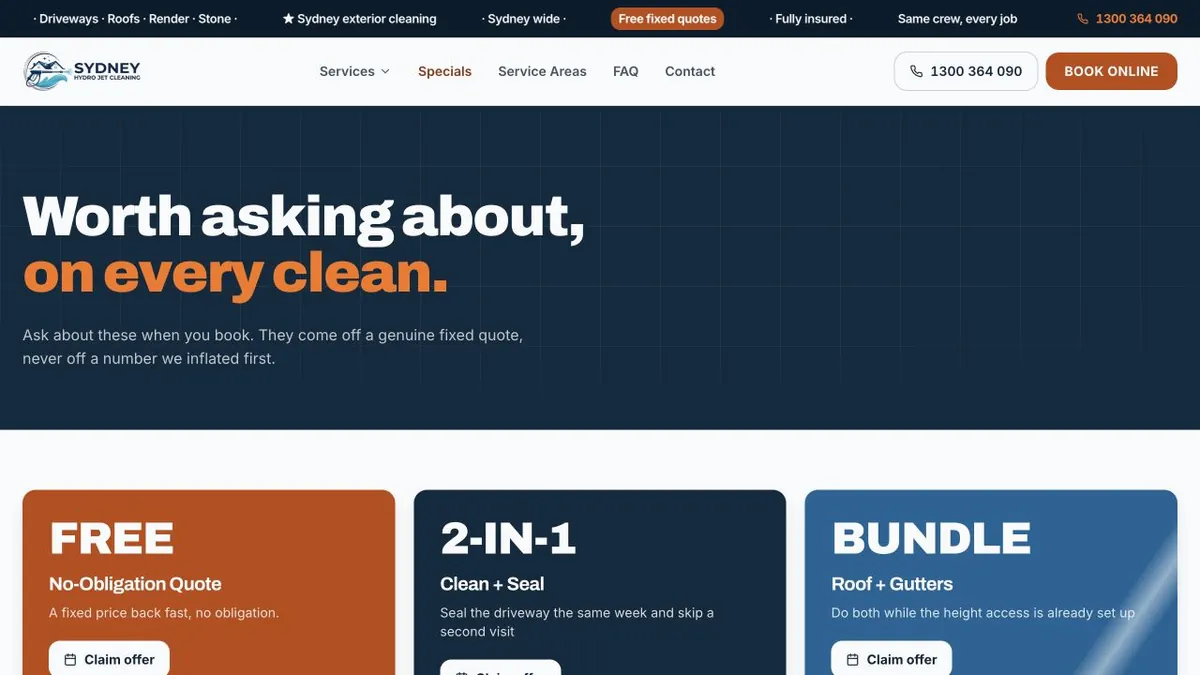
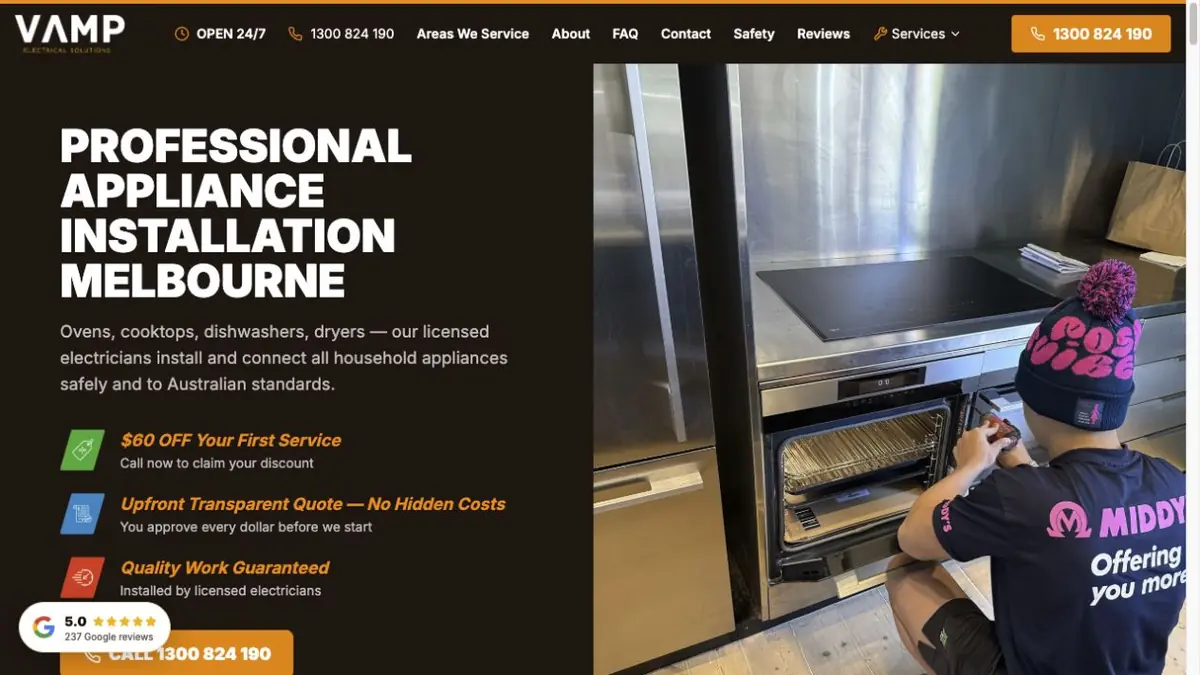
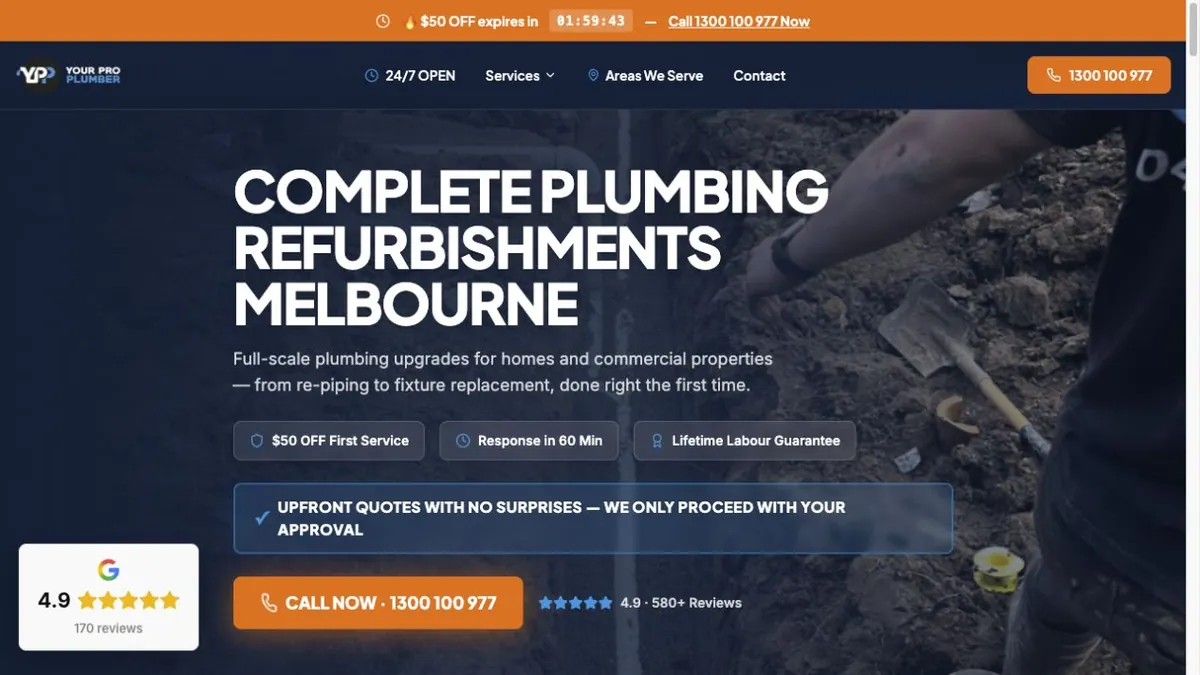
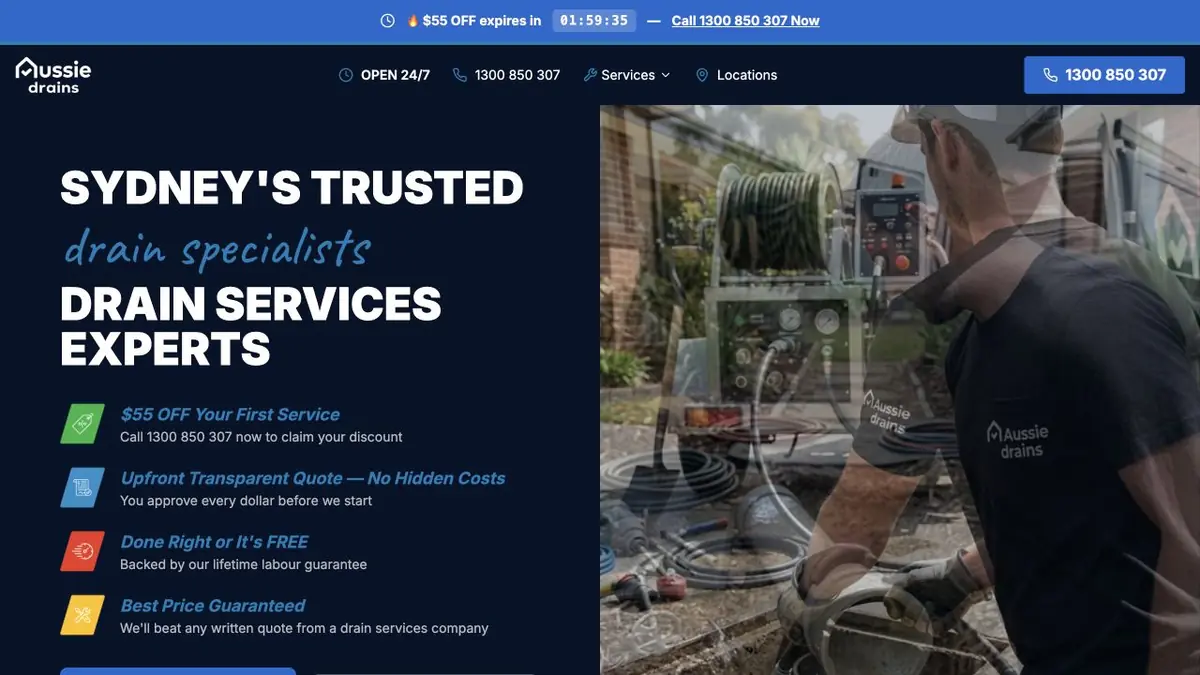
Proof
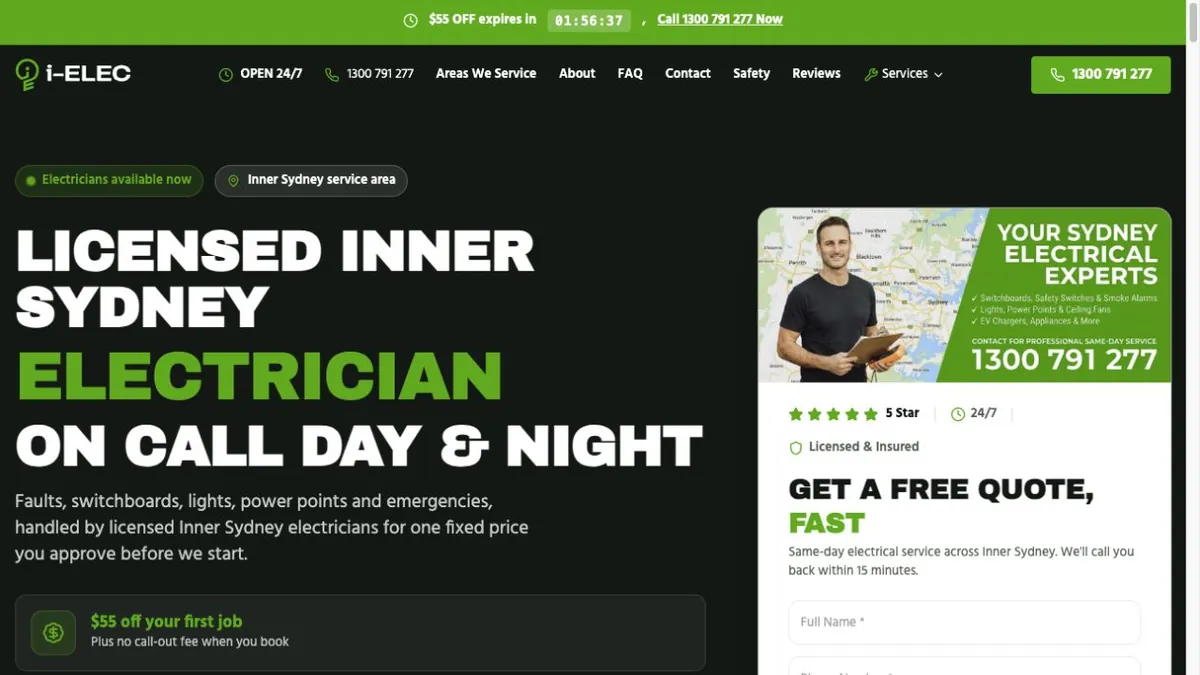
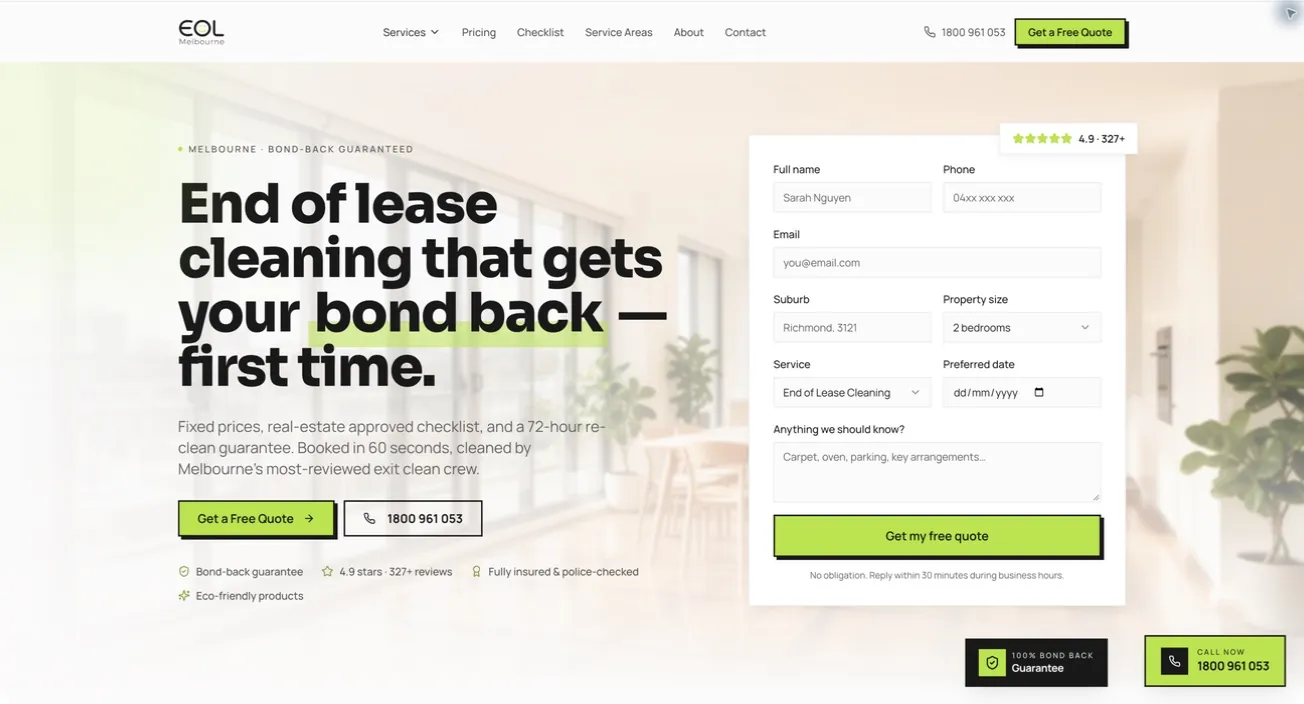
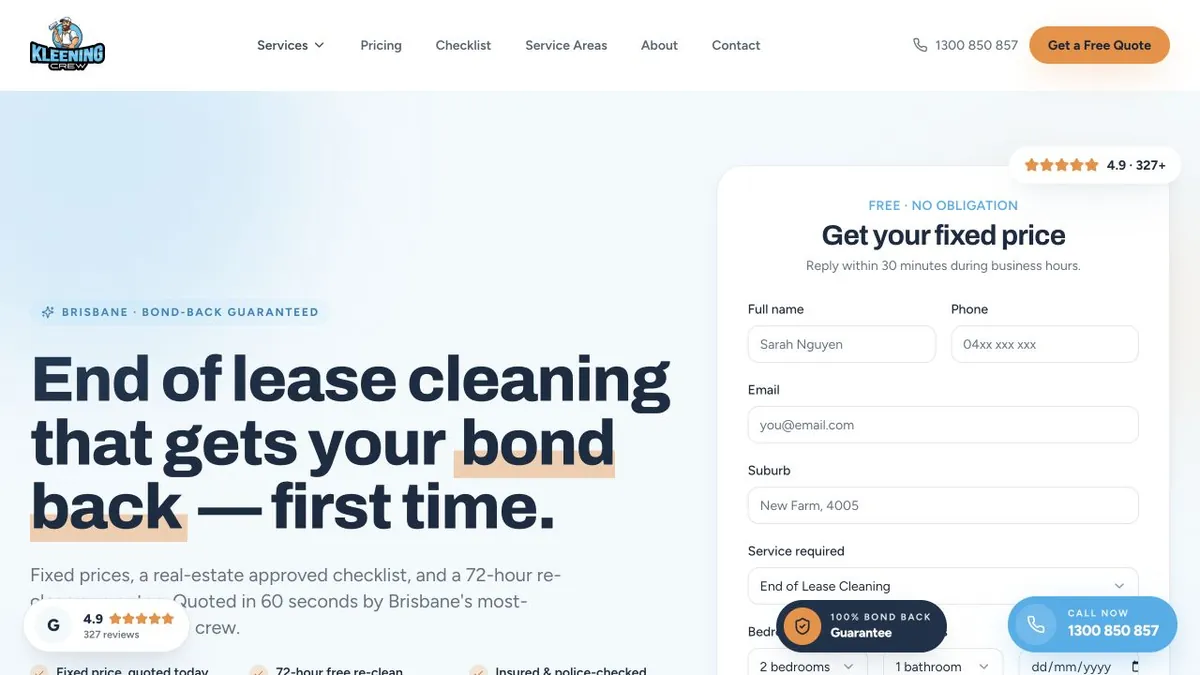
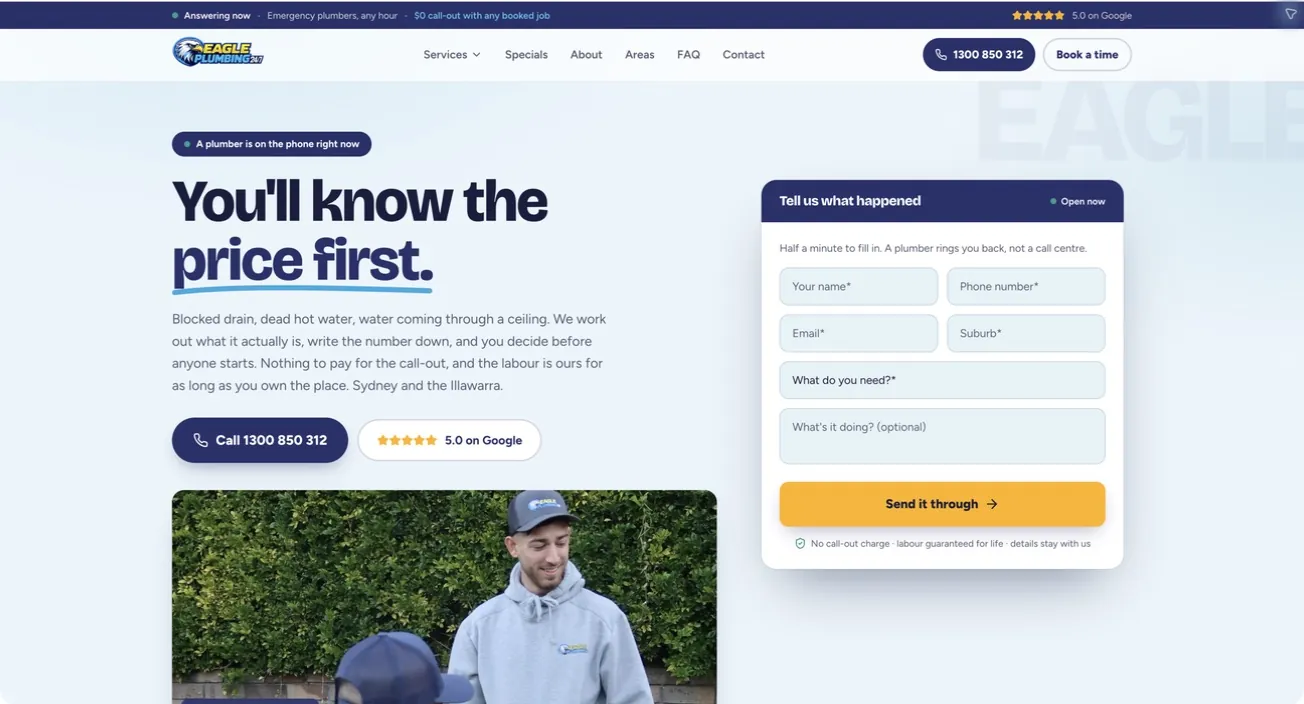
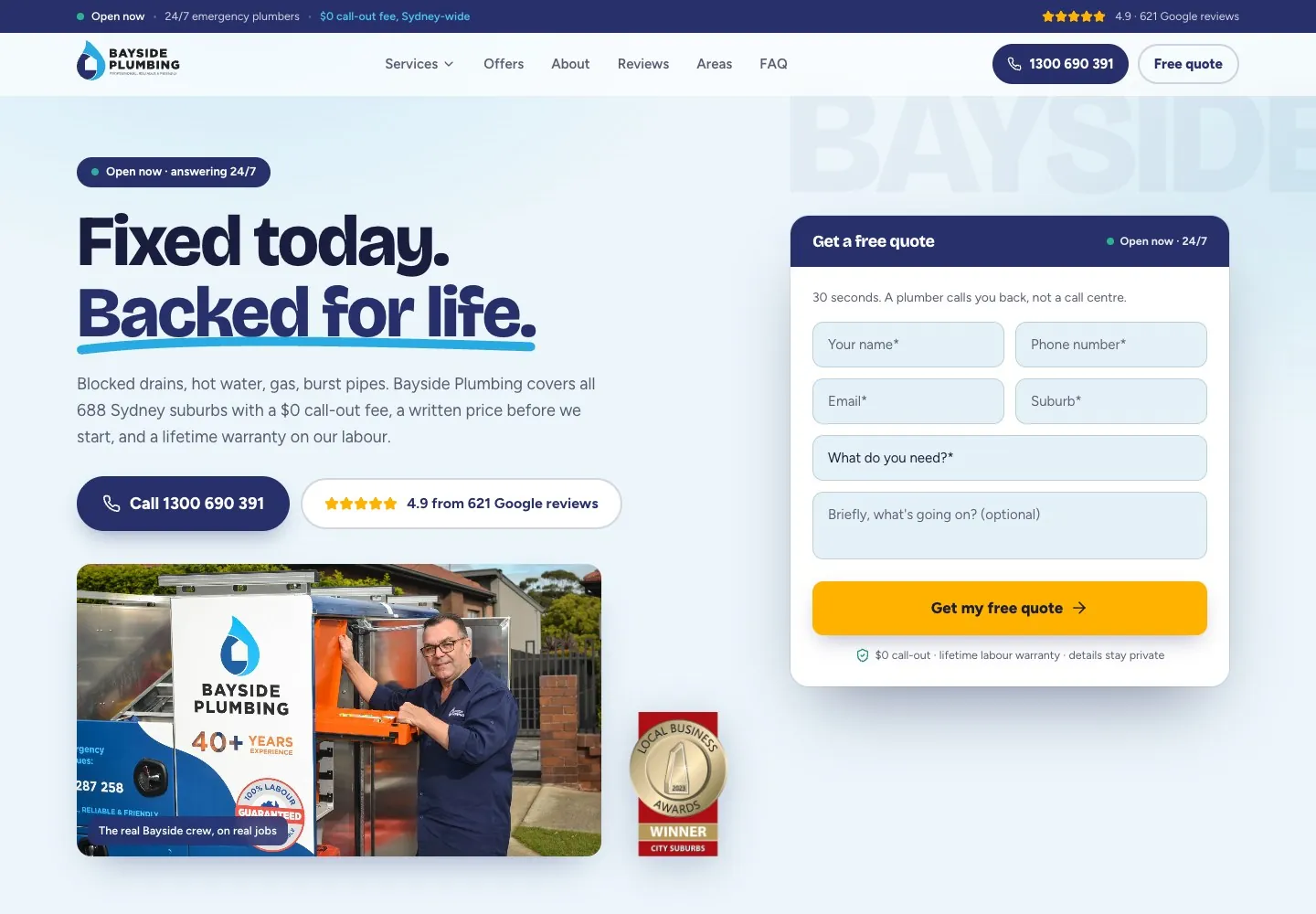
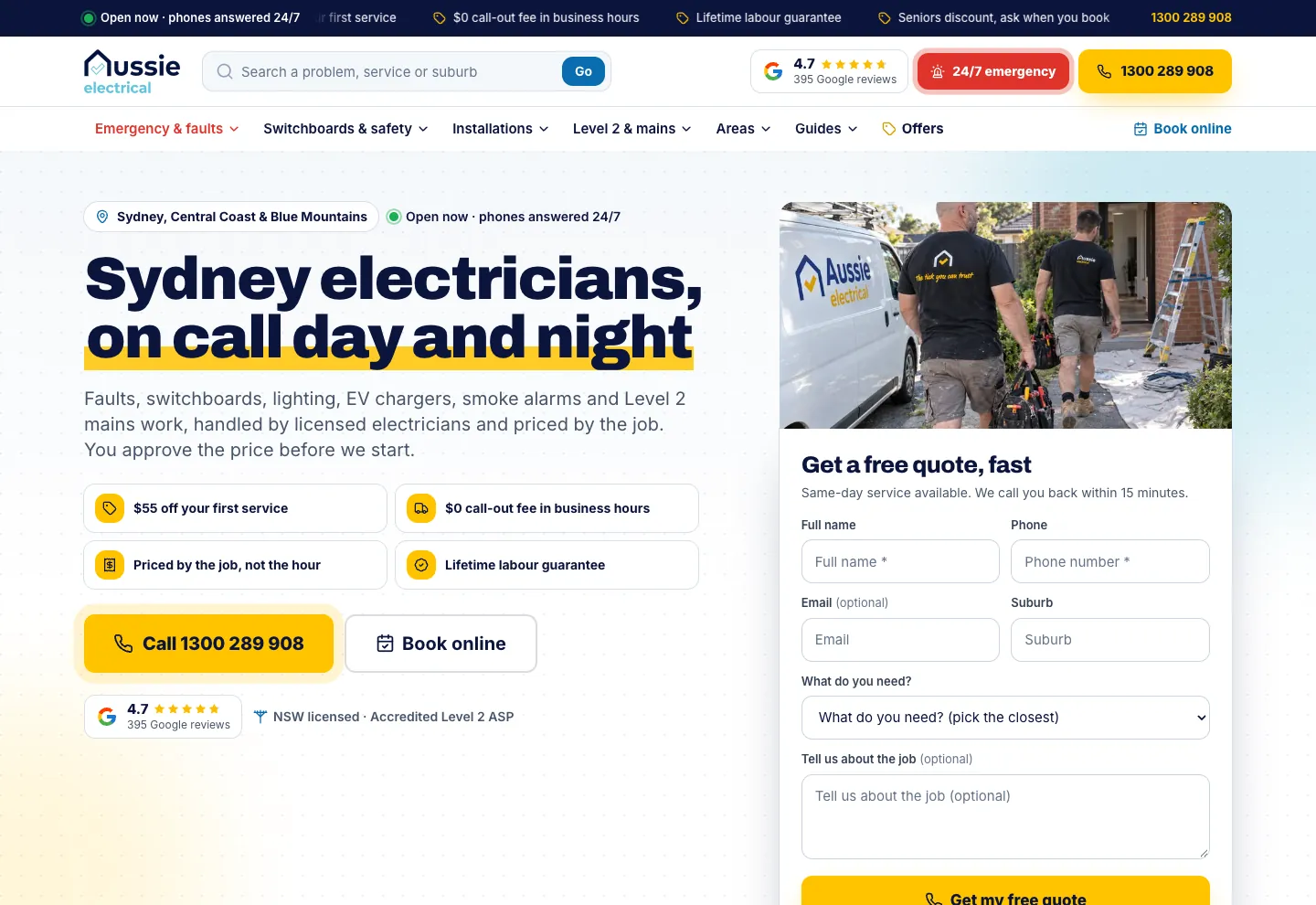
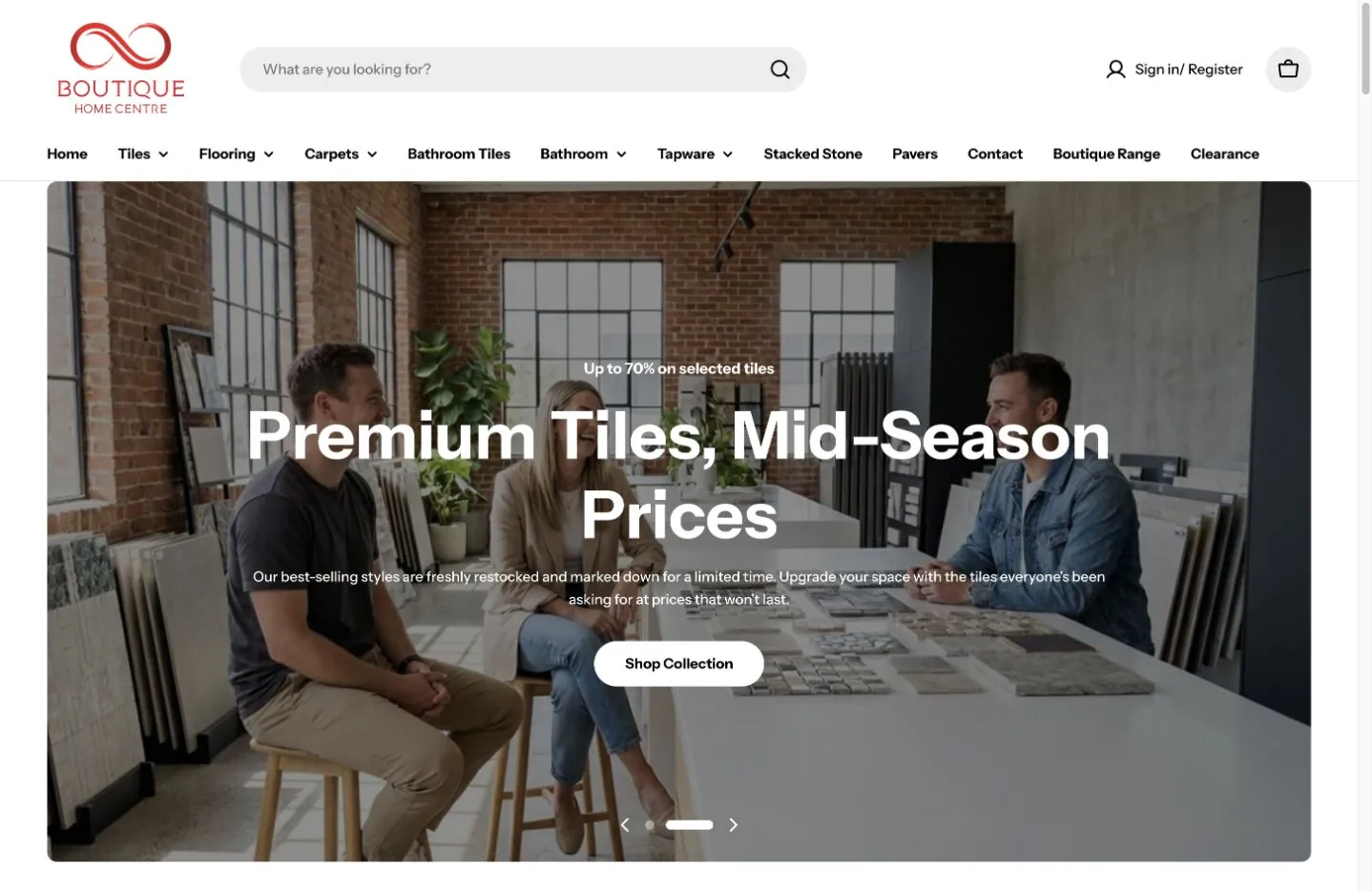
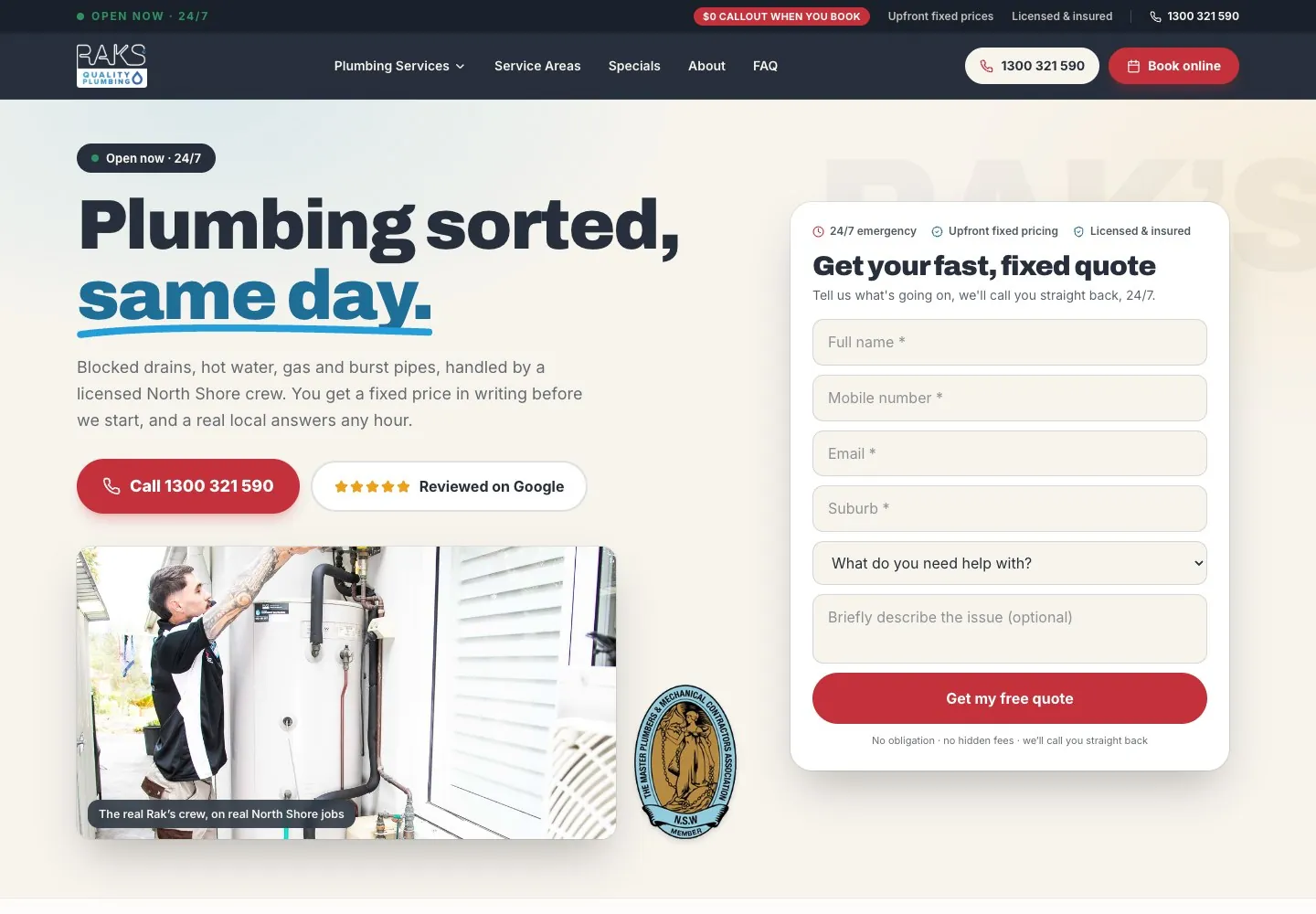
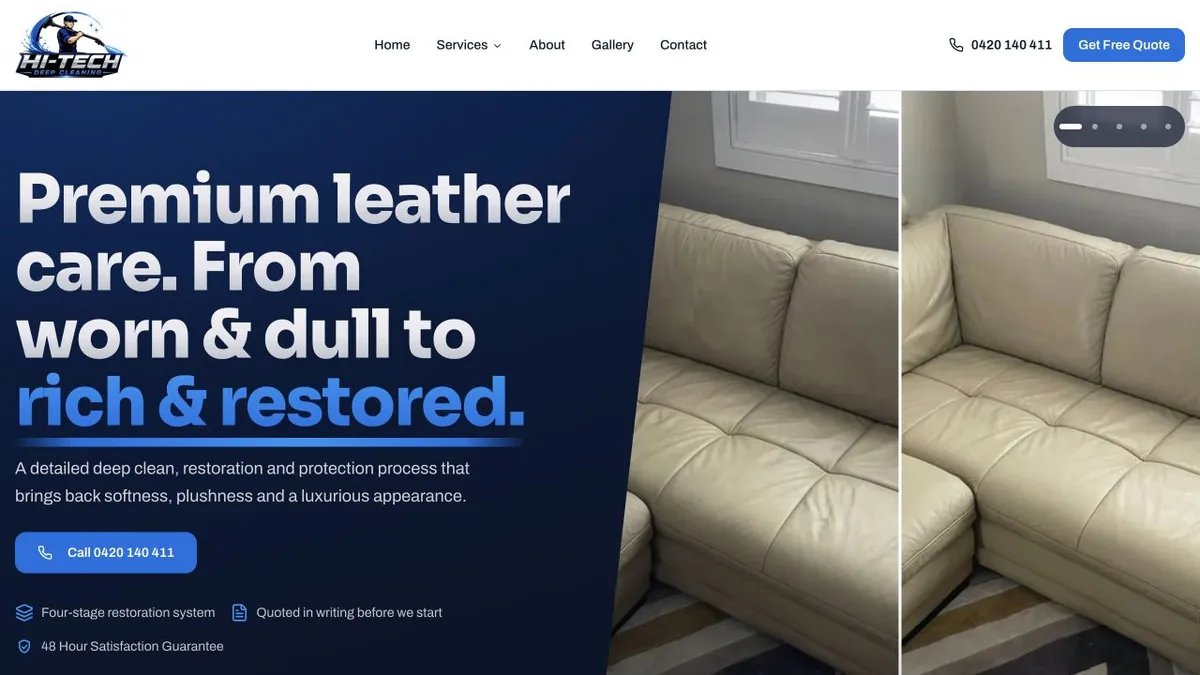
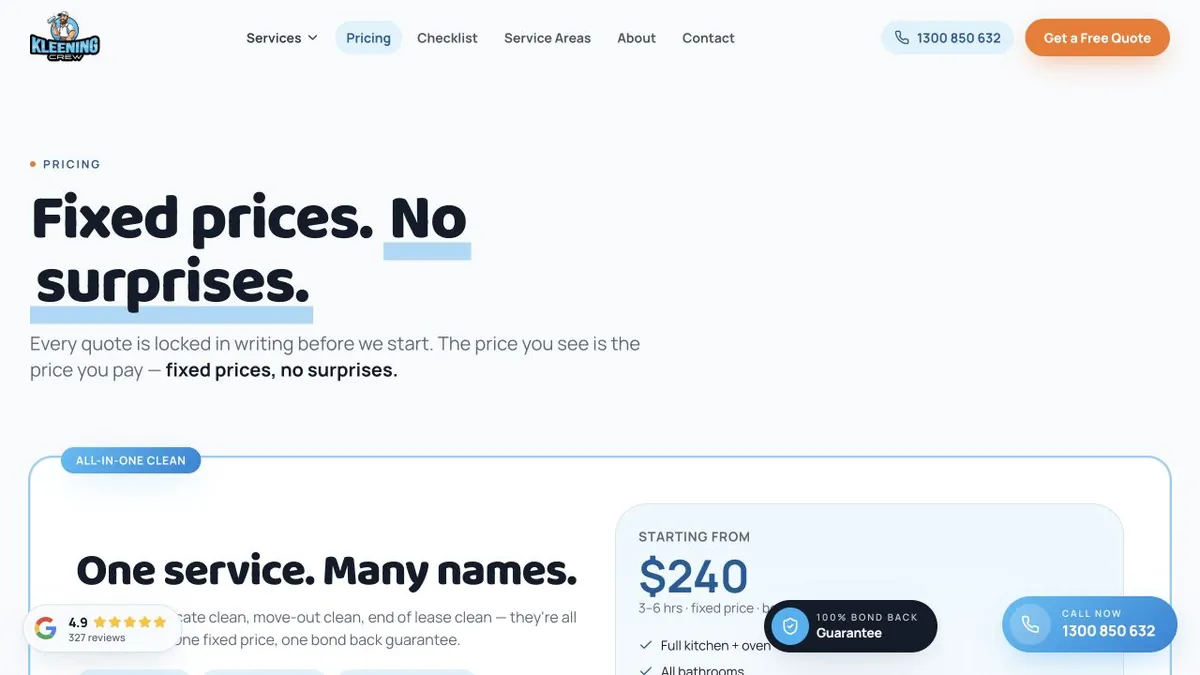
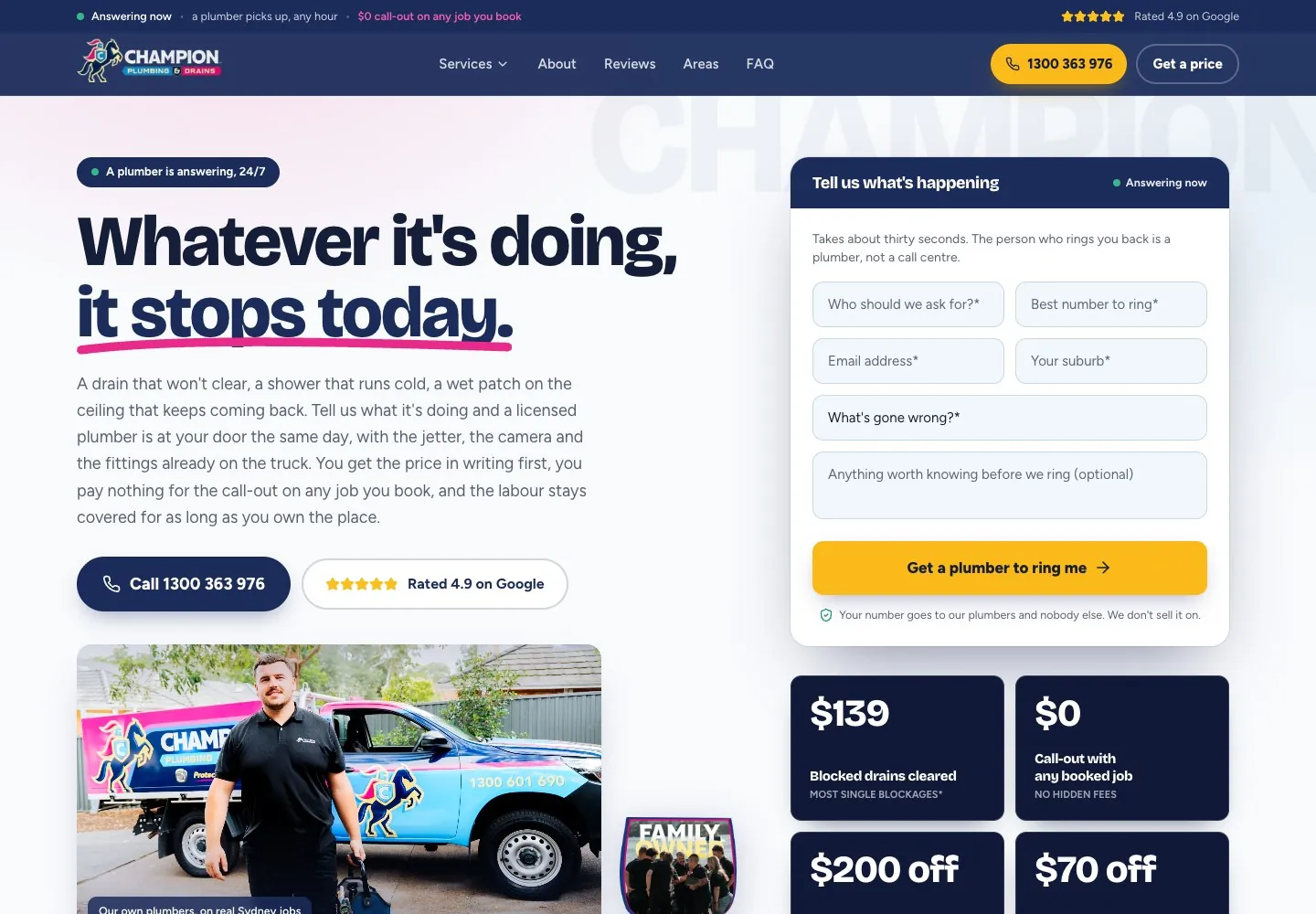
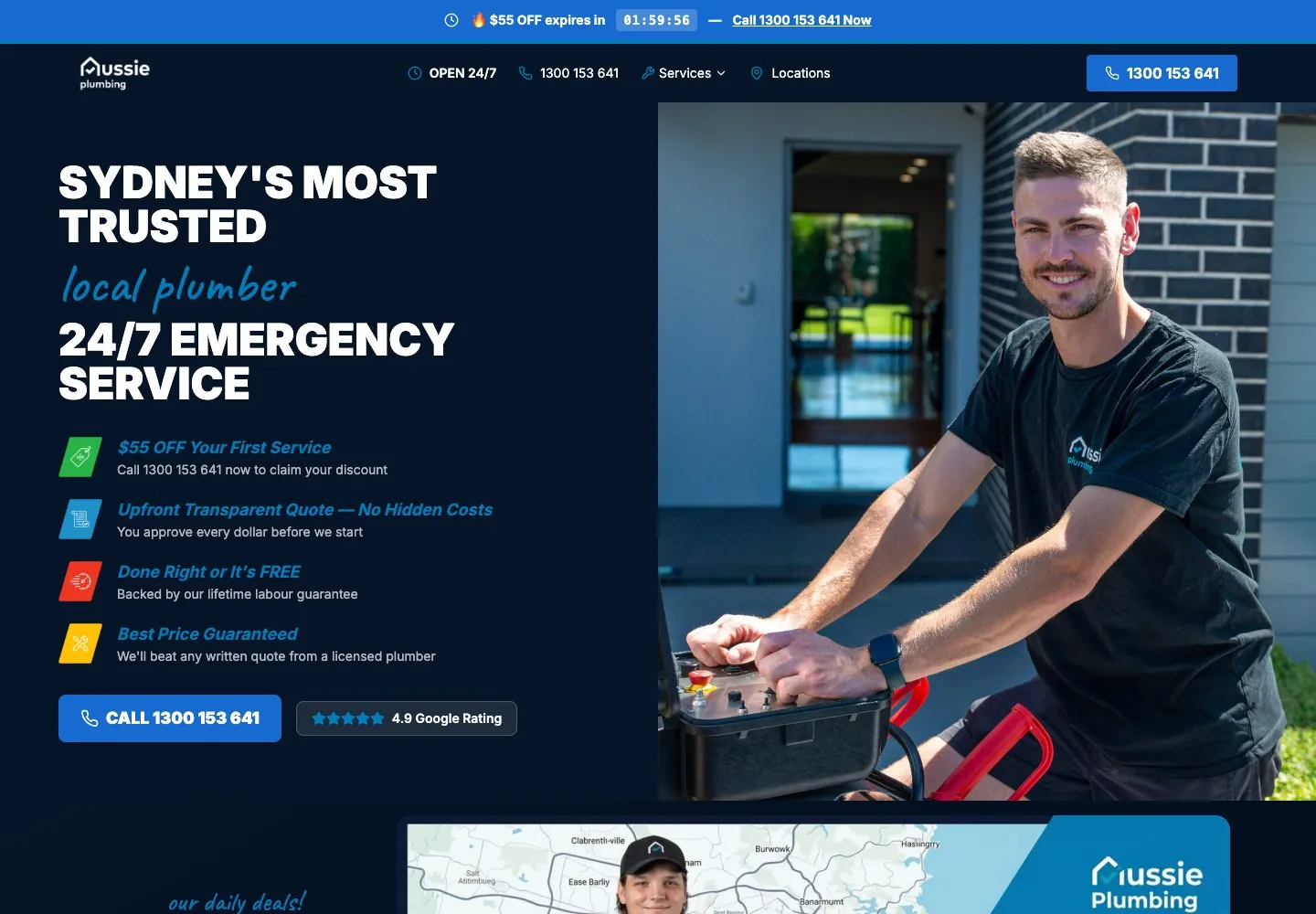
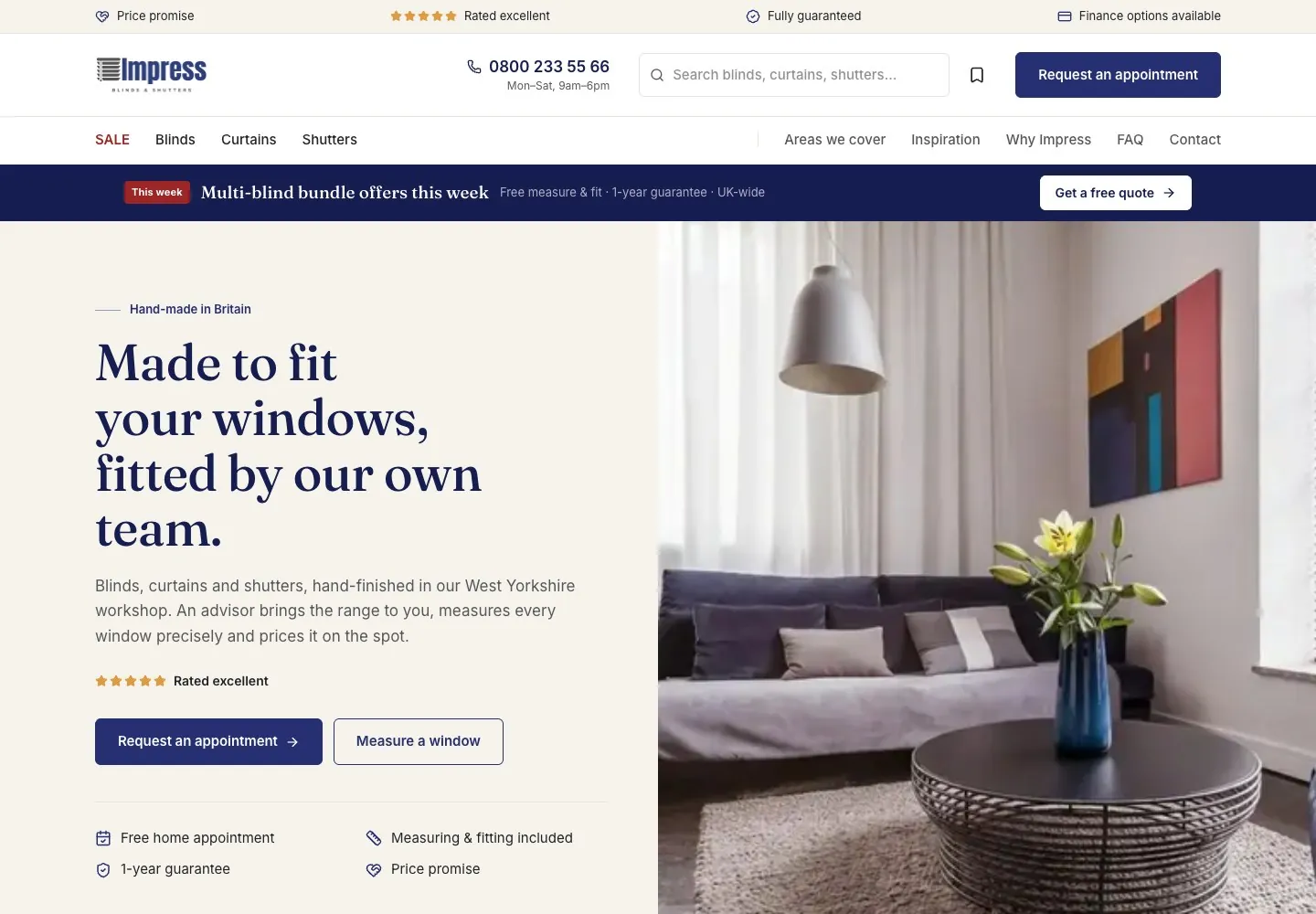
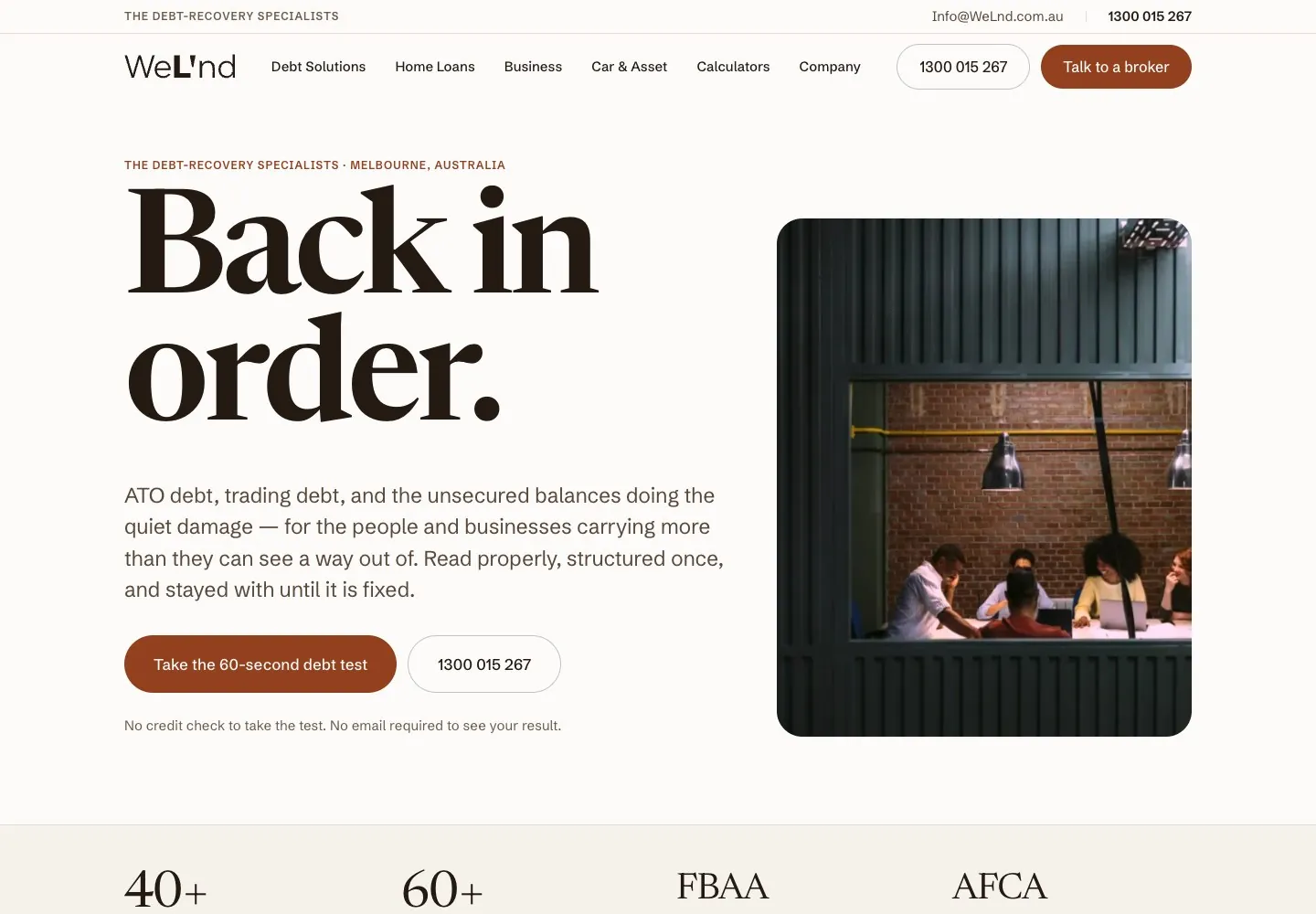
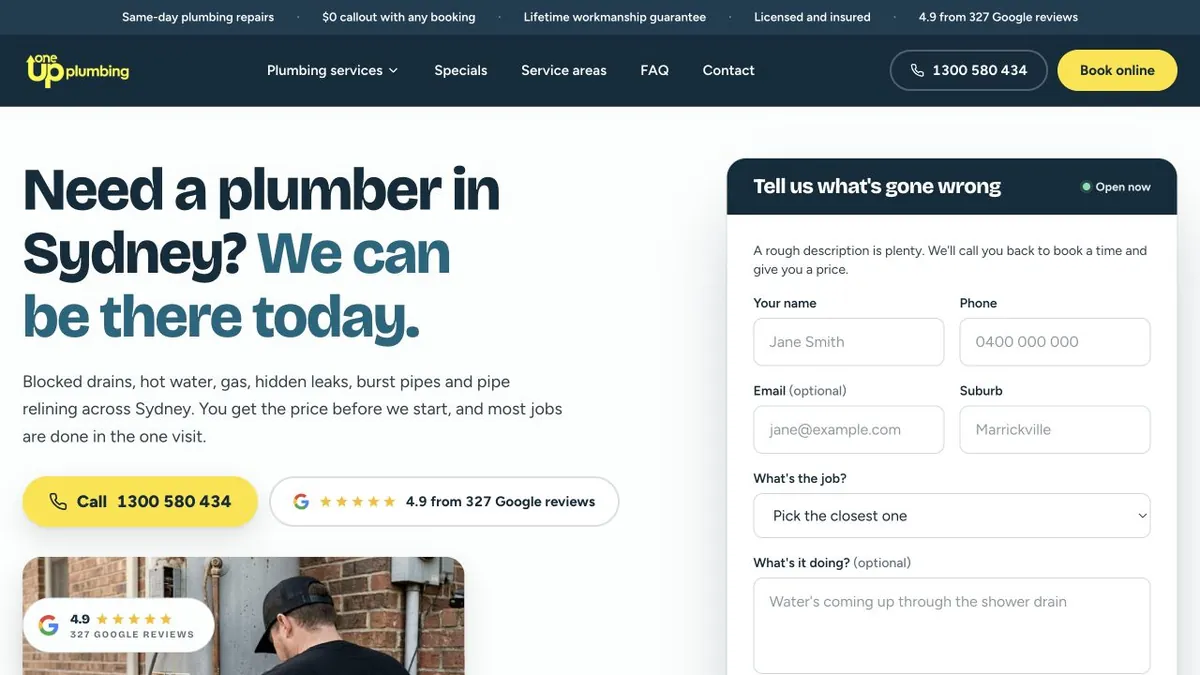
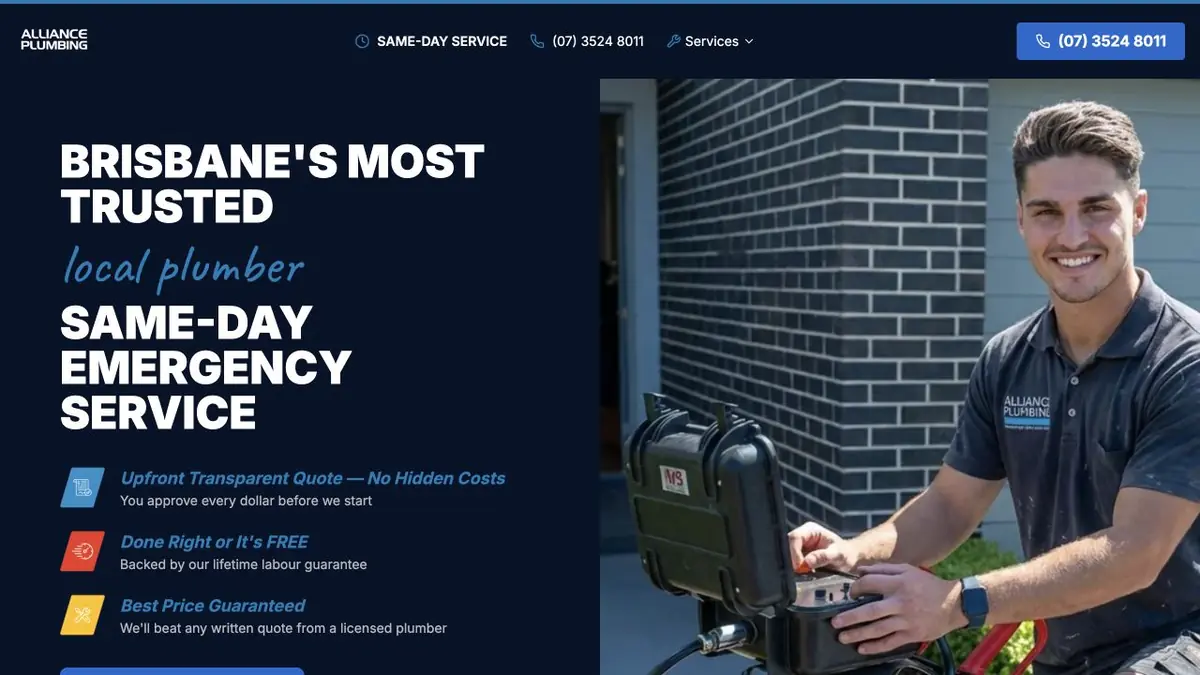
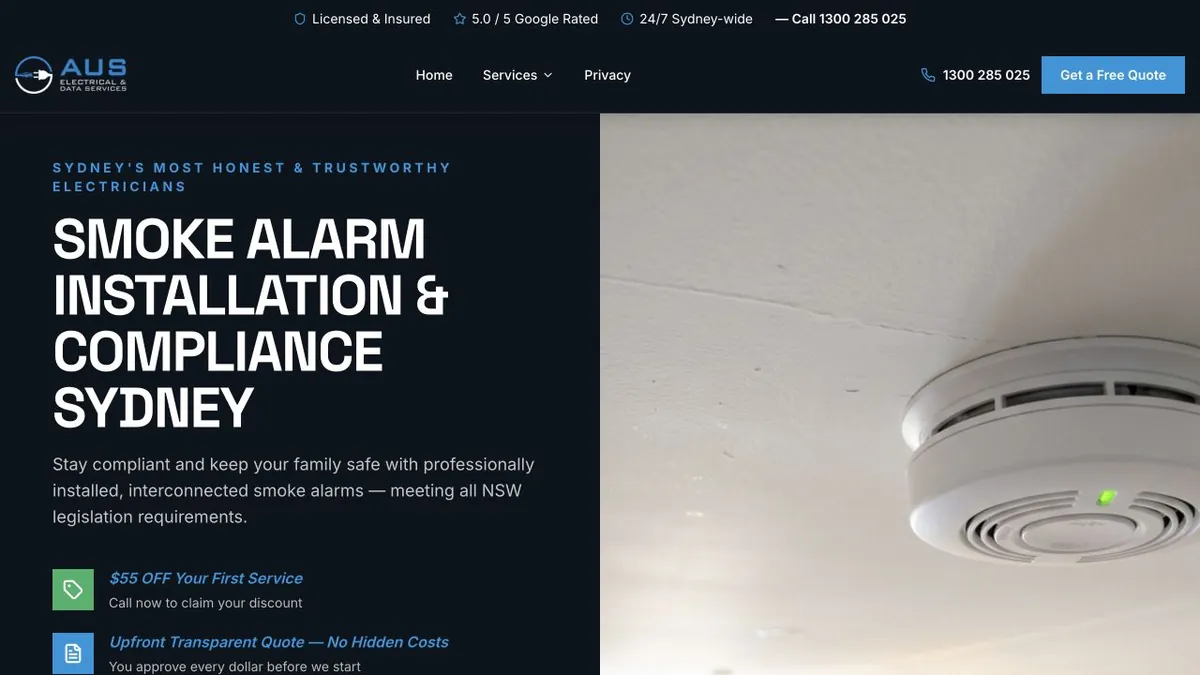
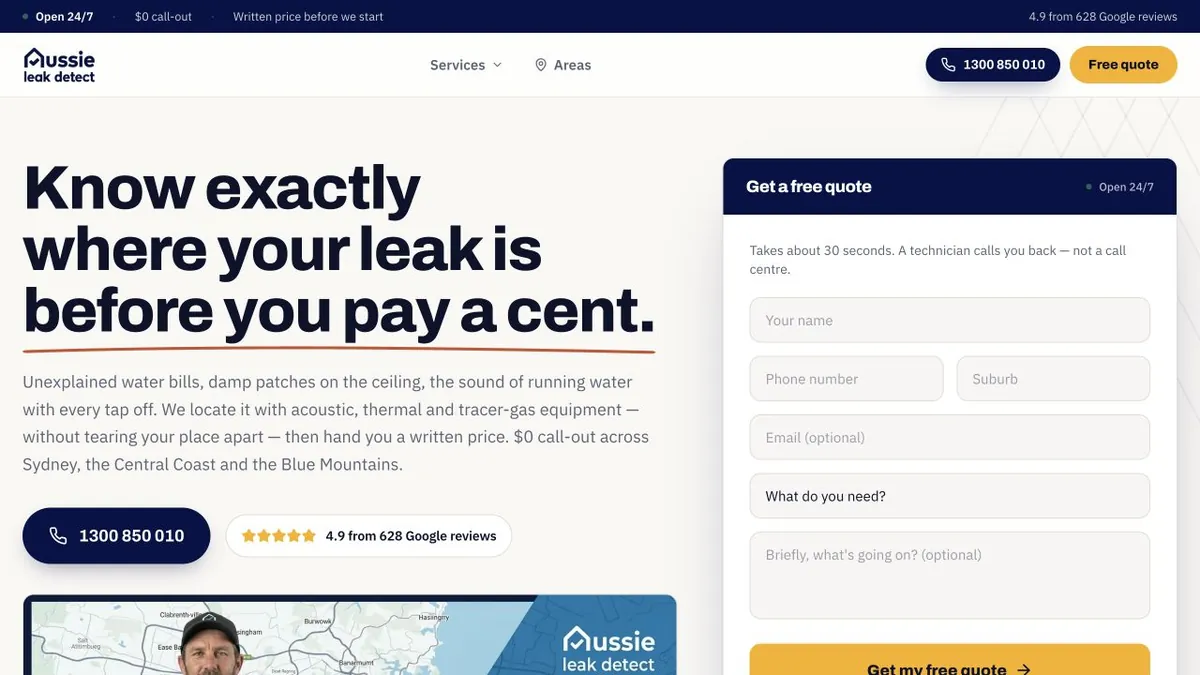
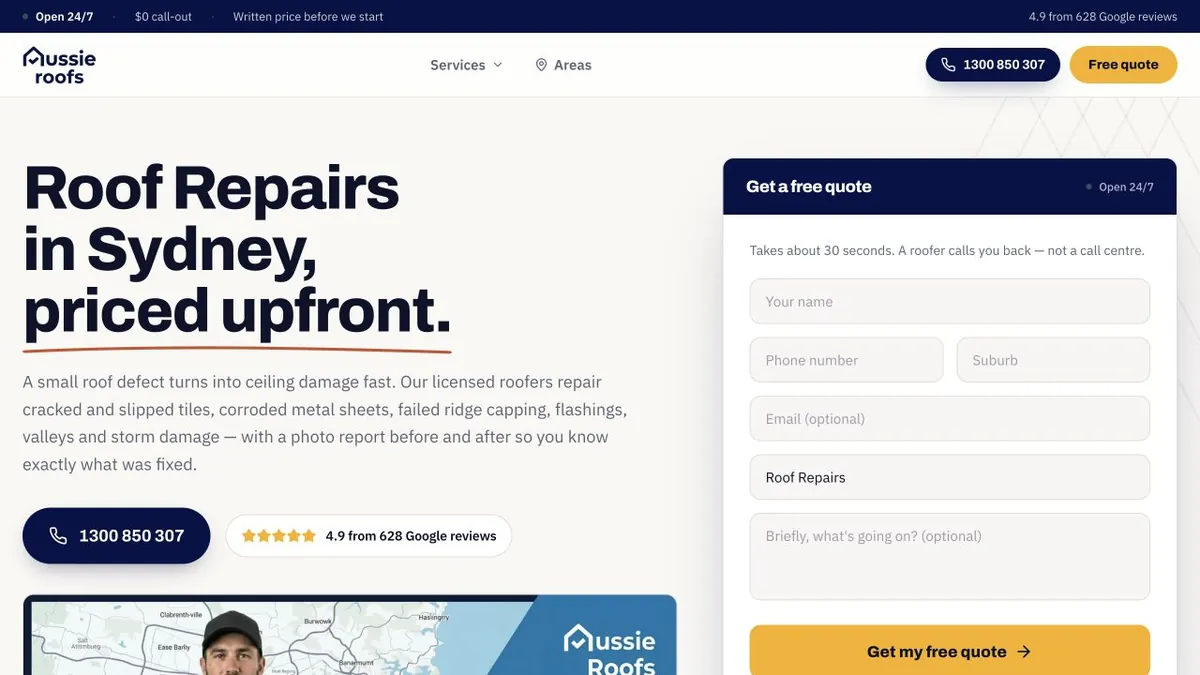
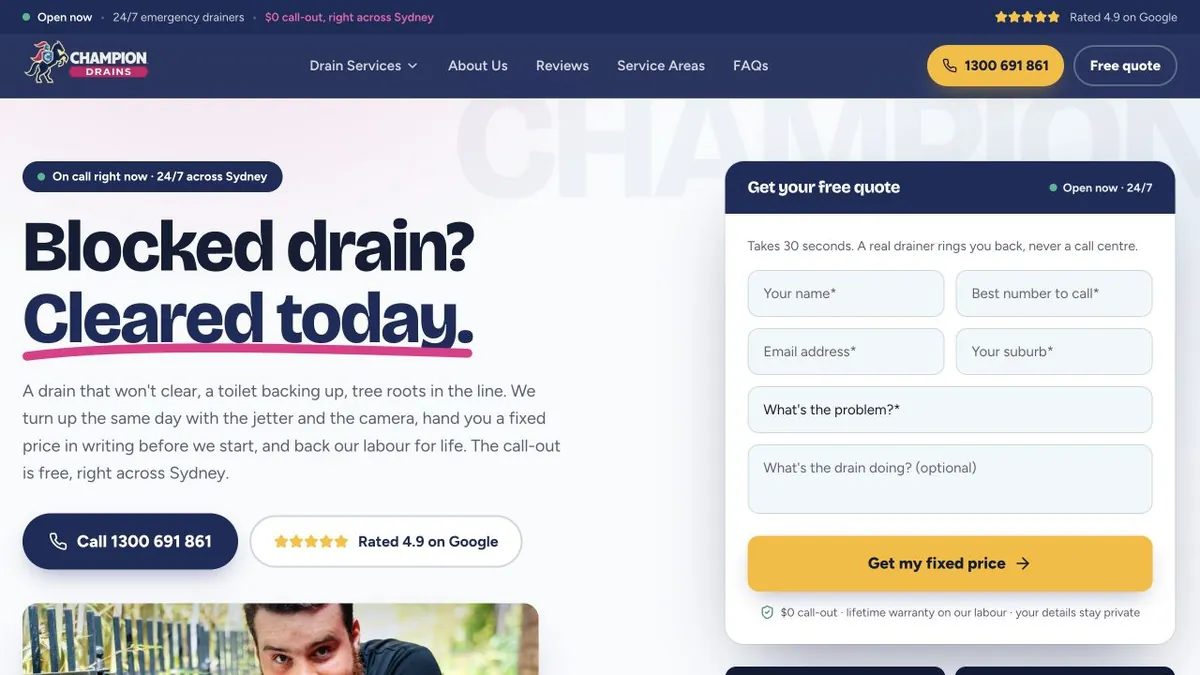
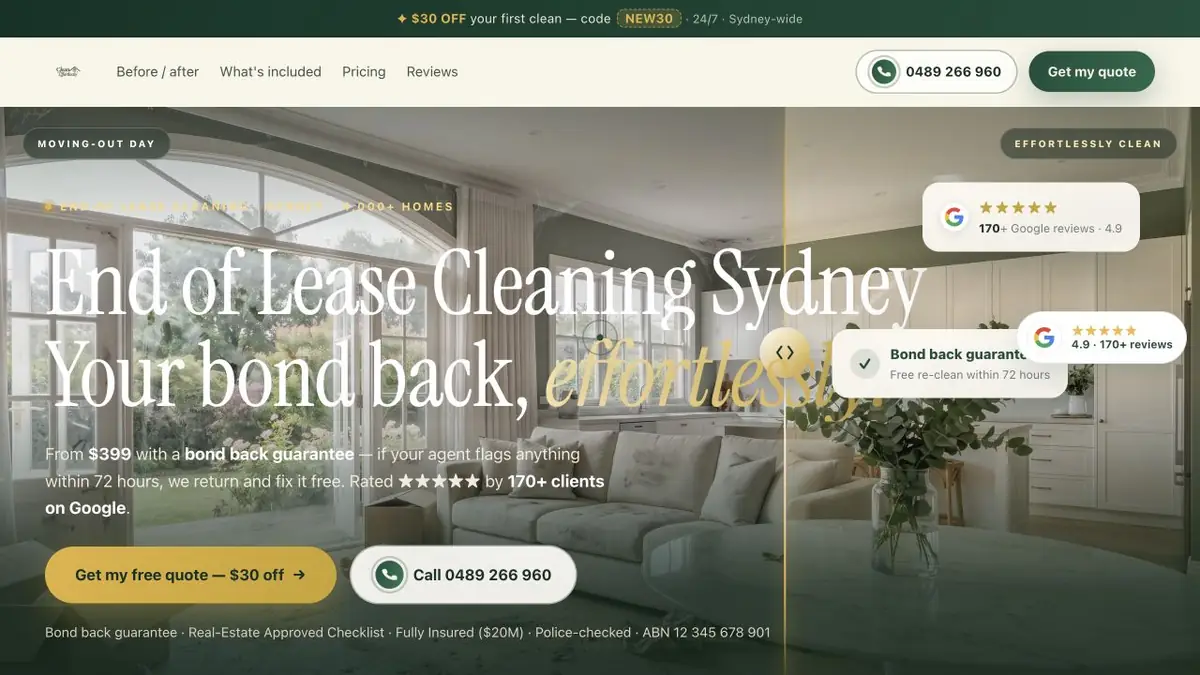
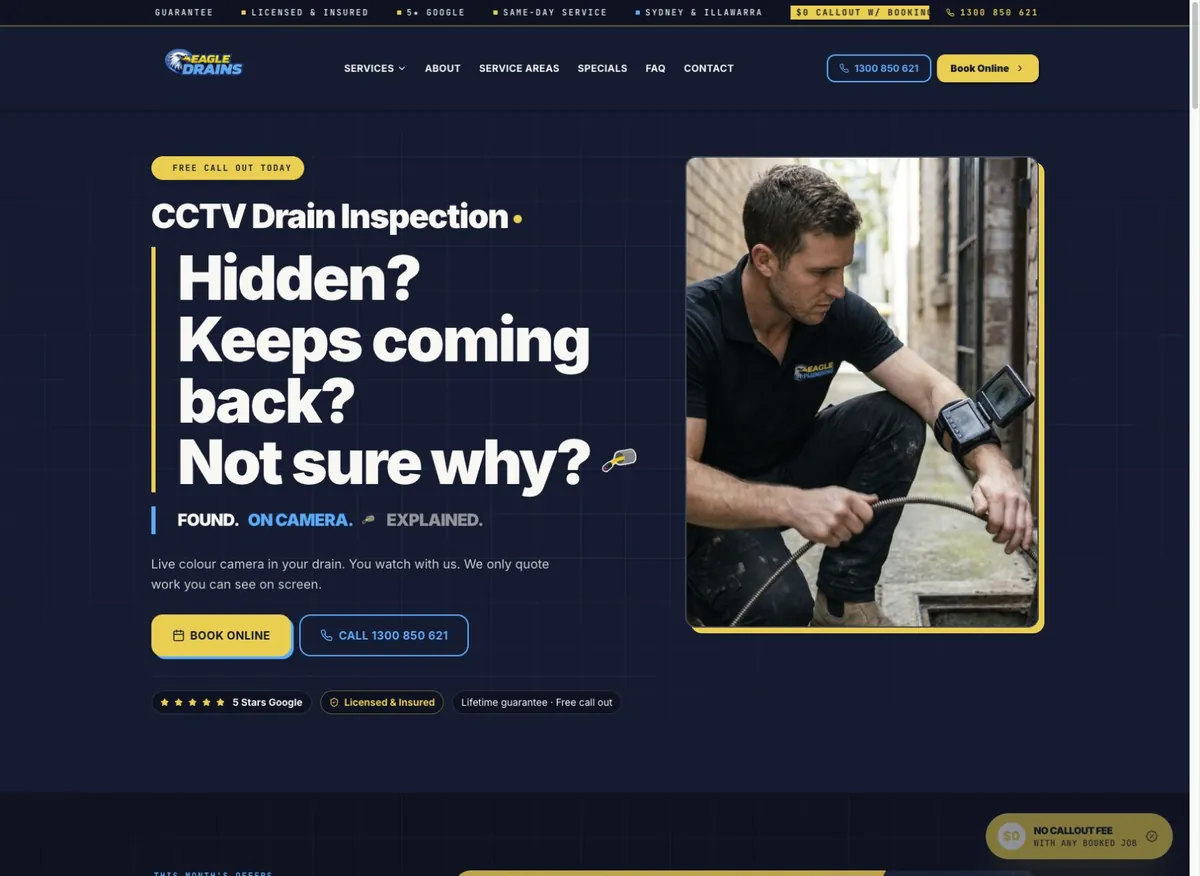
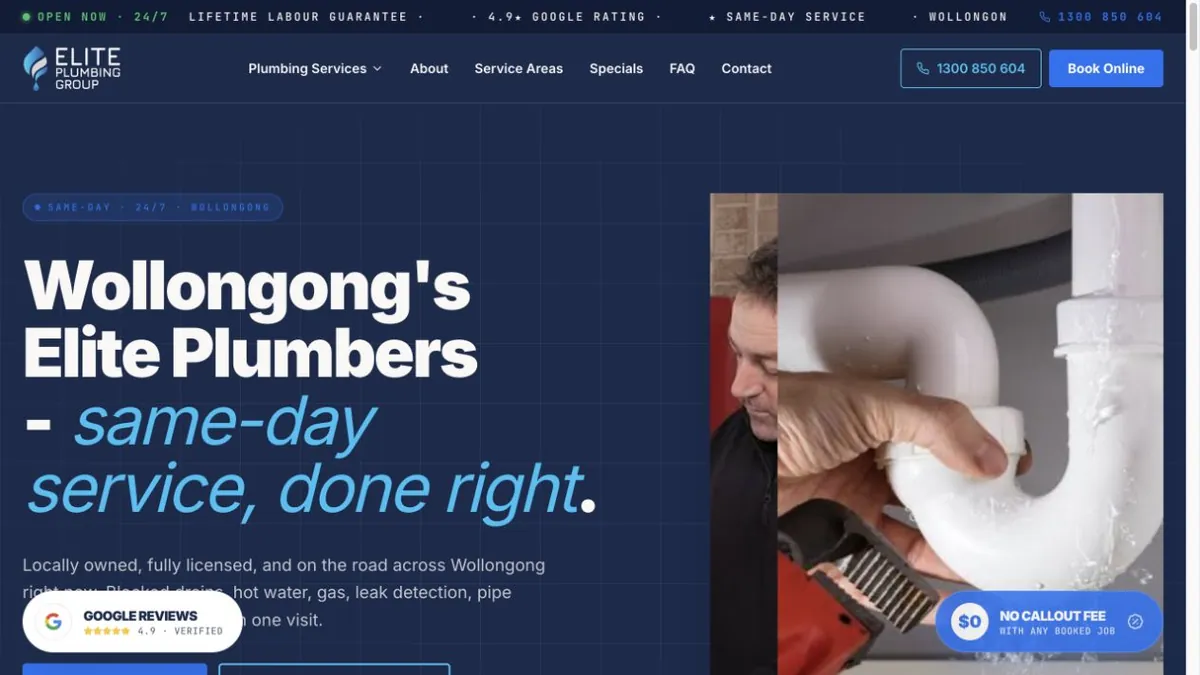
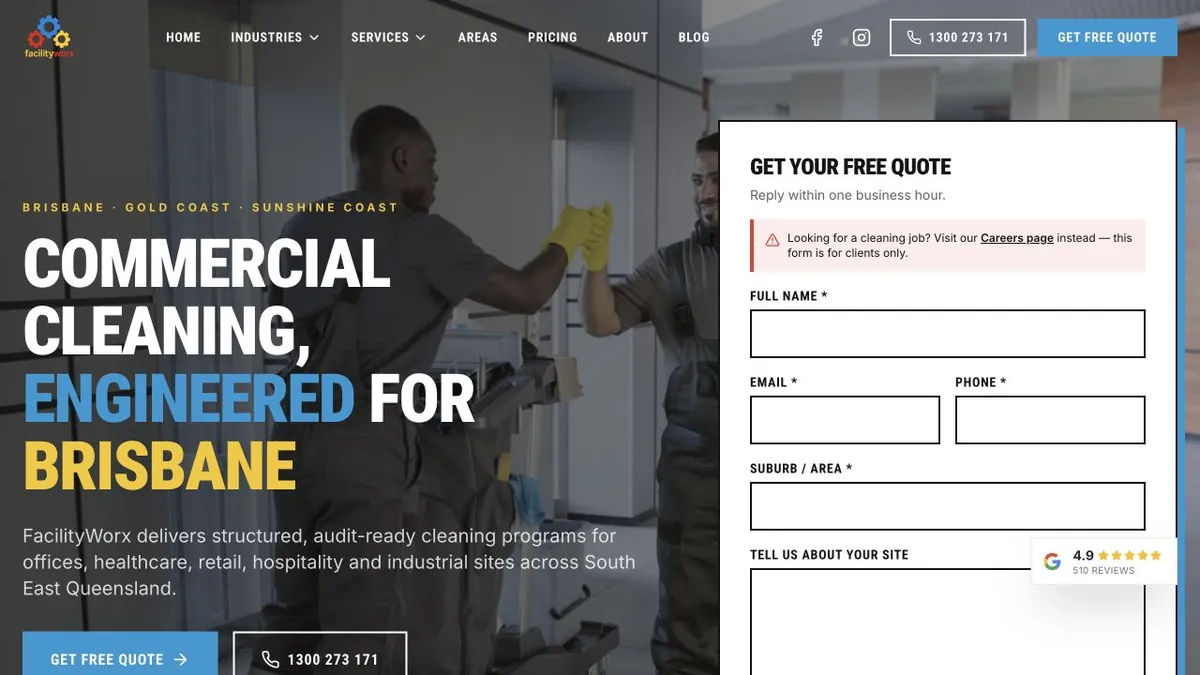
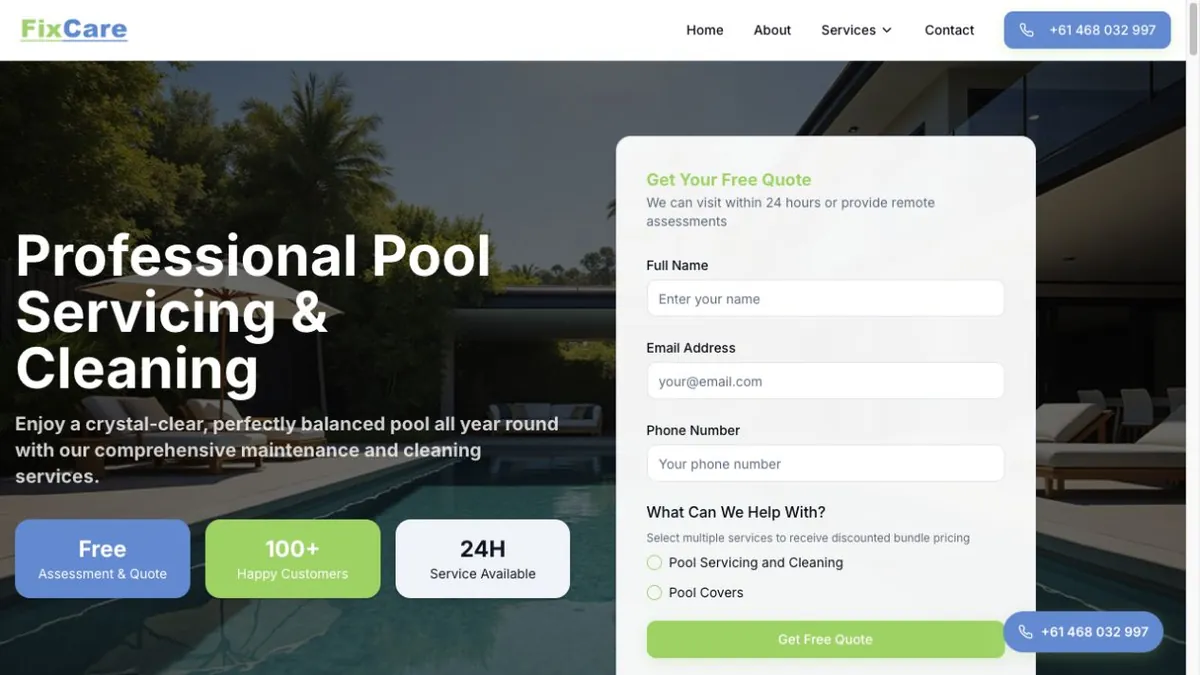
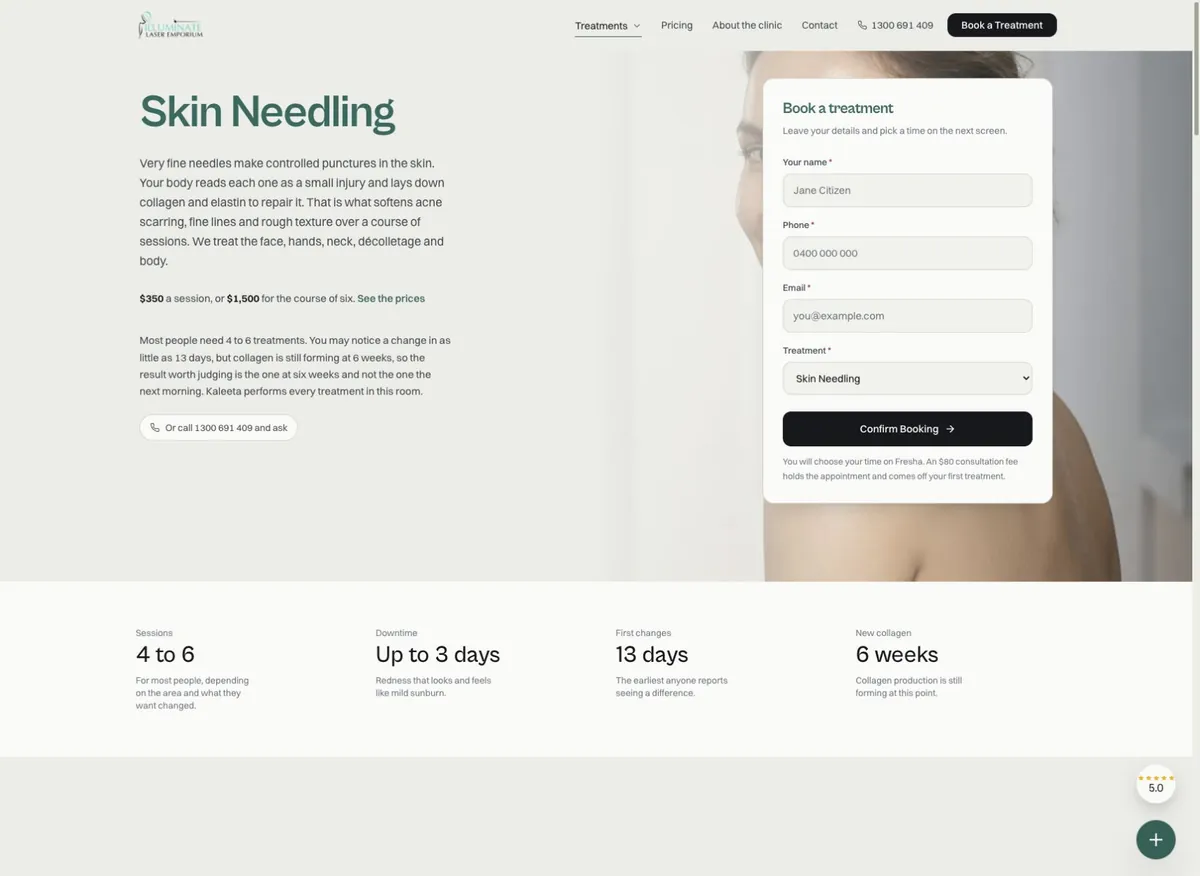
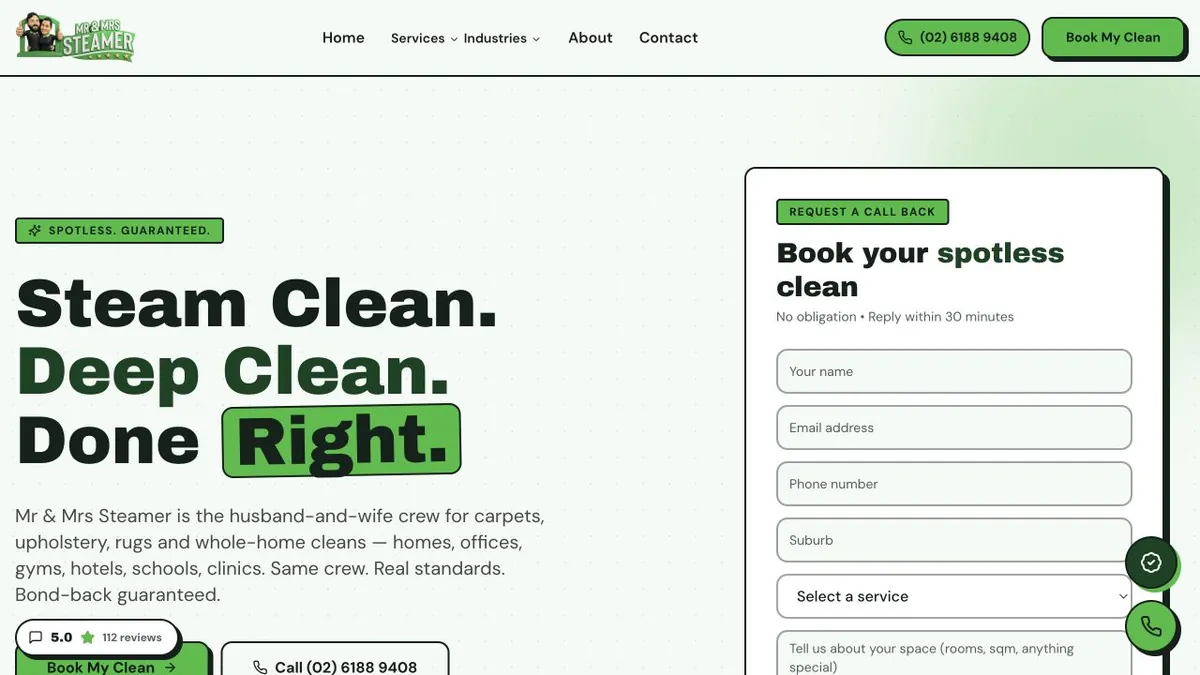
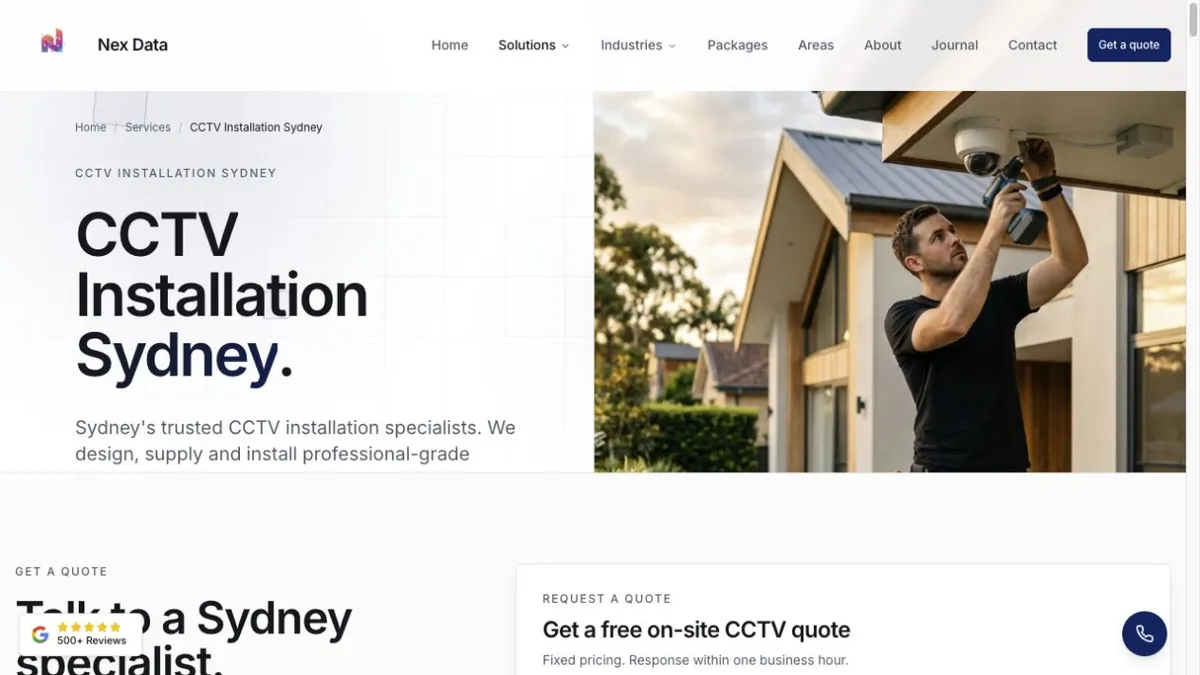
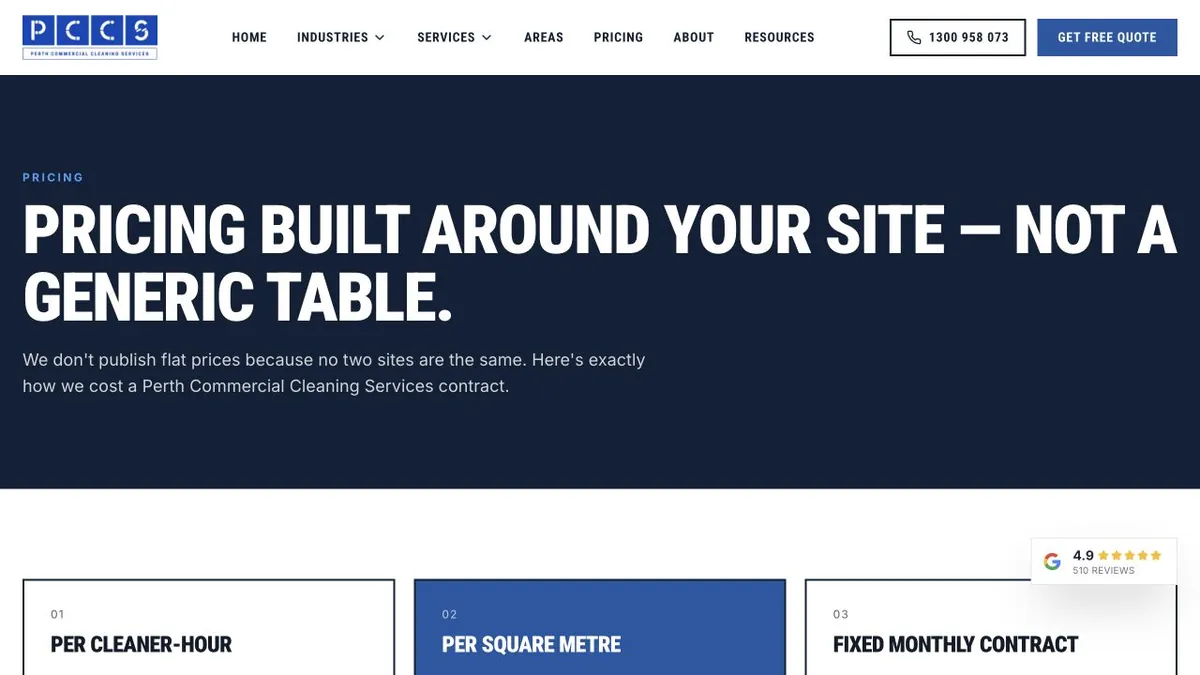
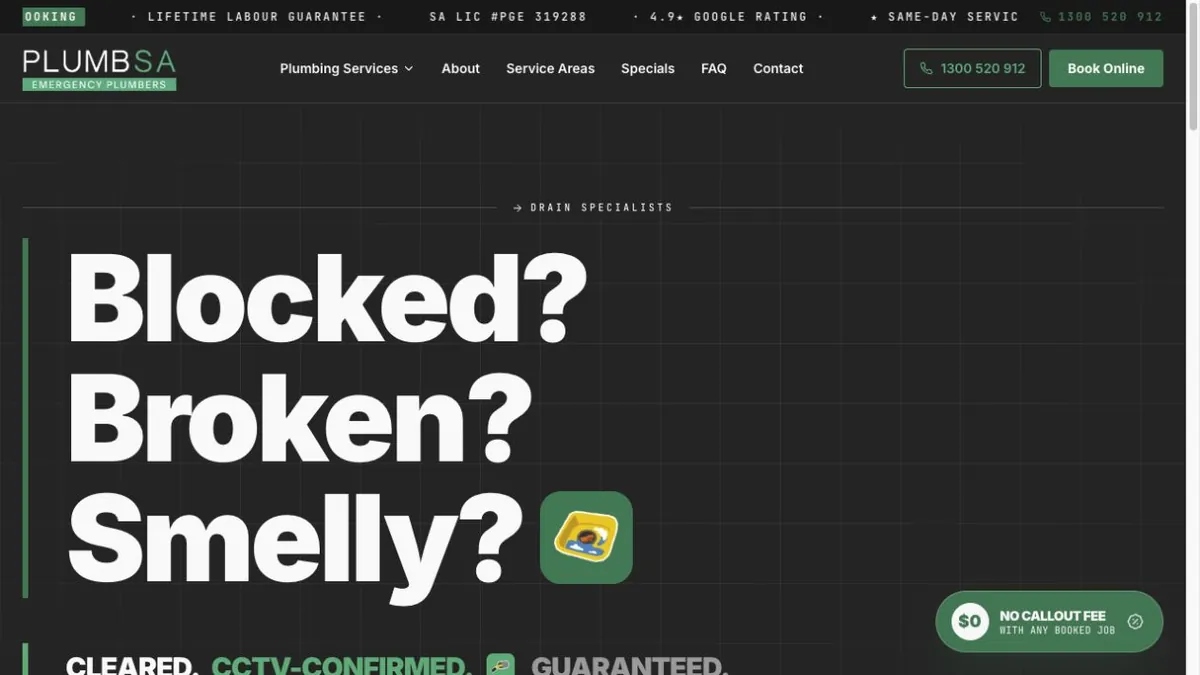
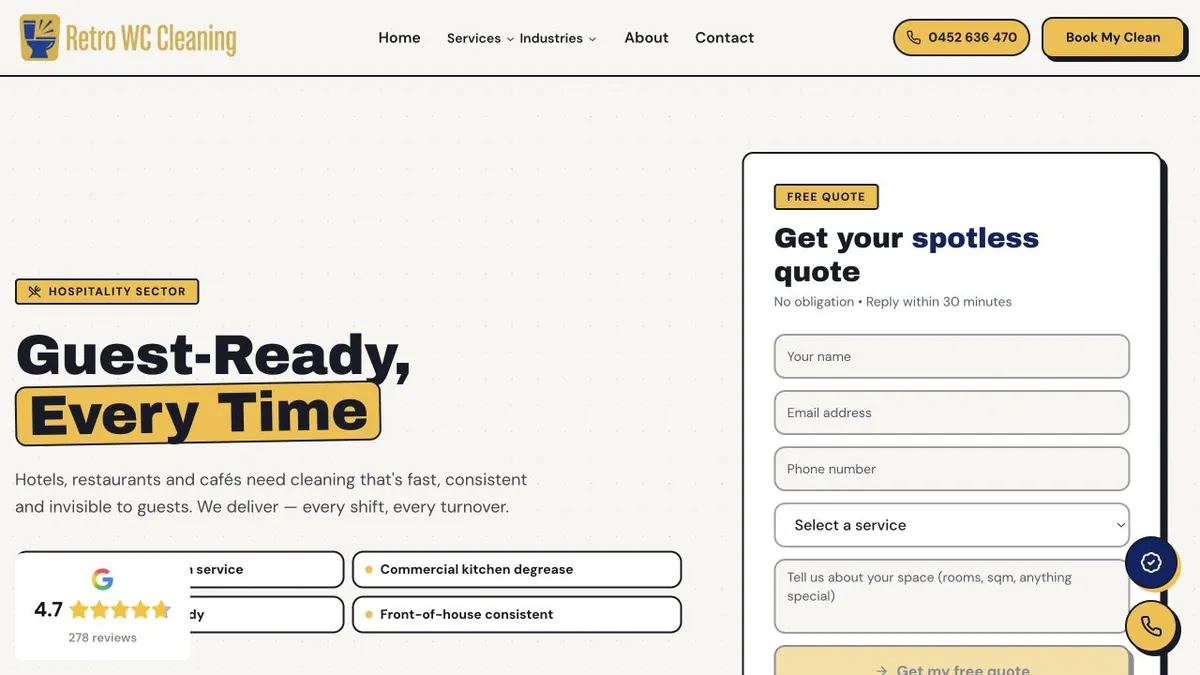
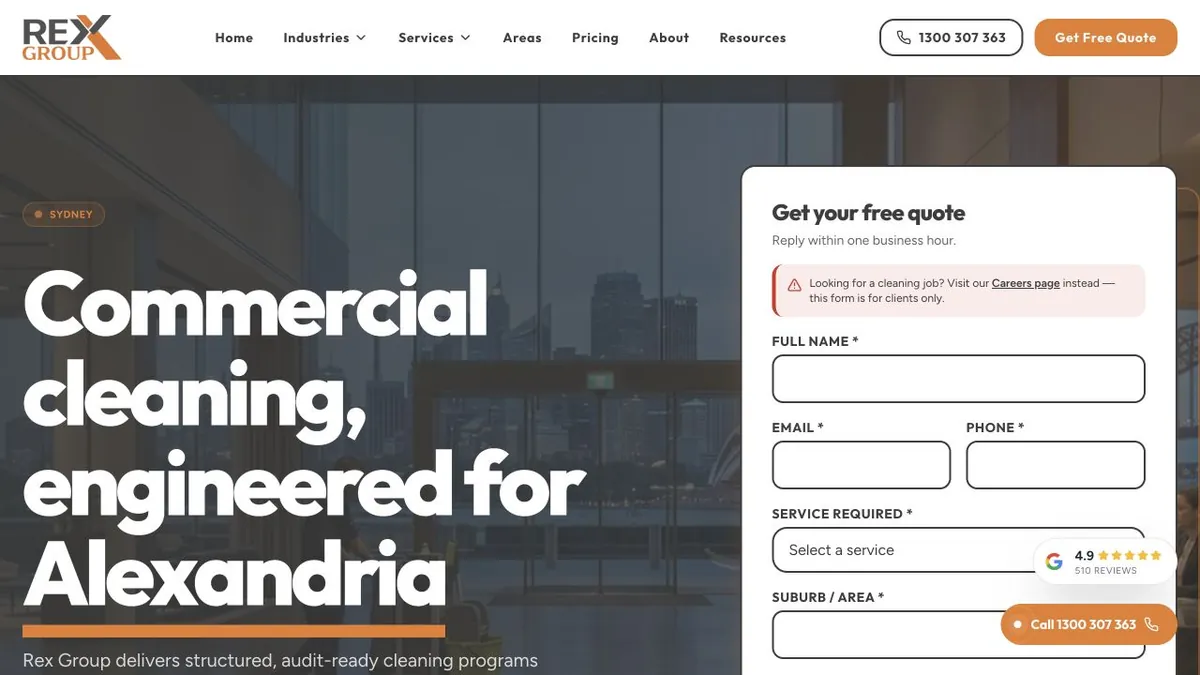
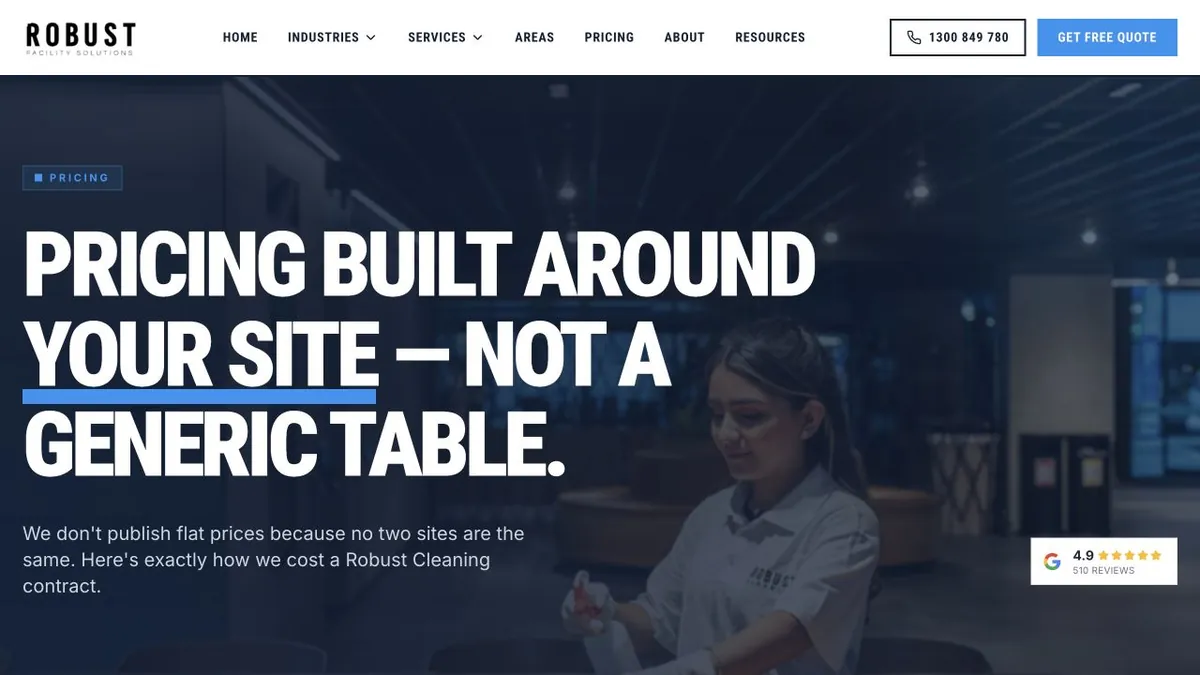
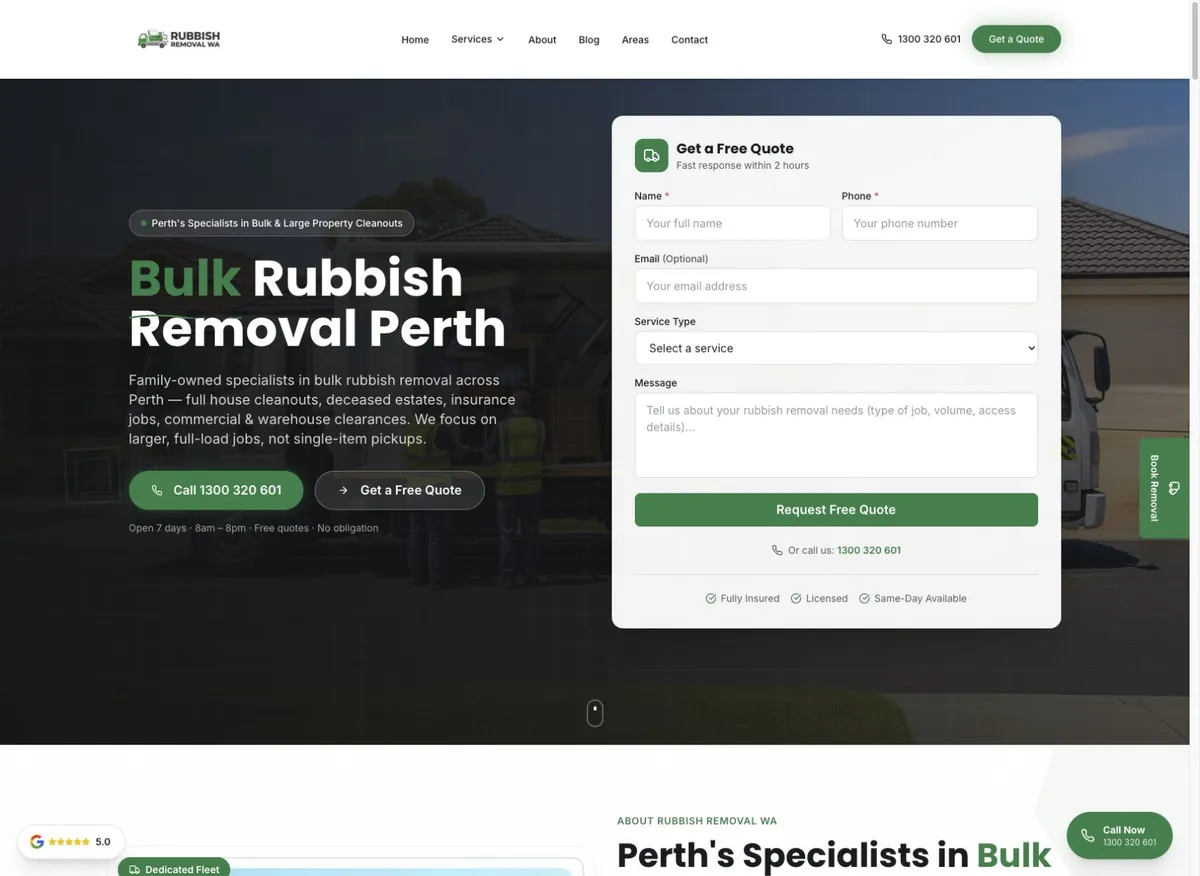
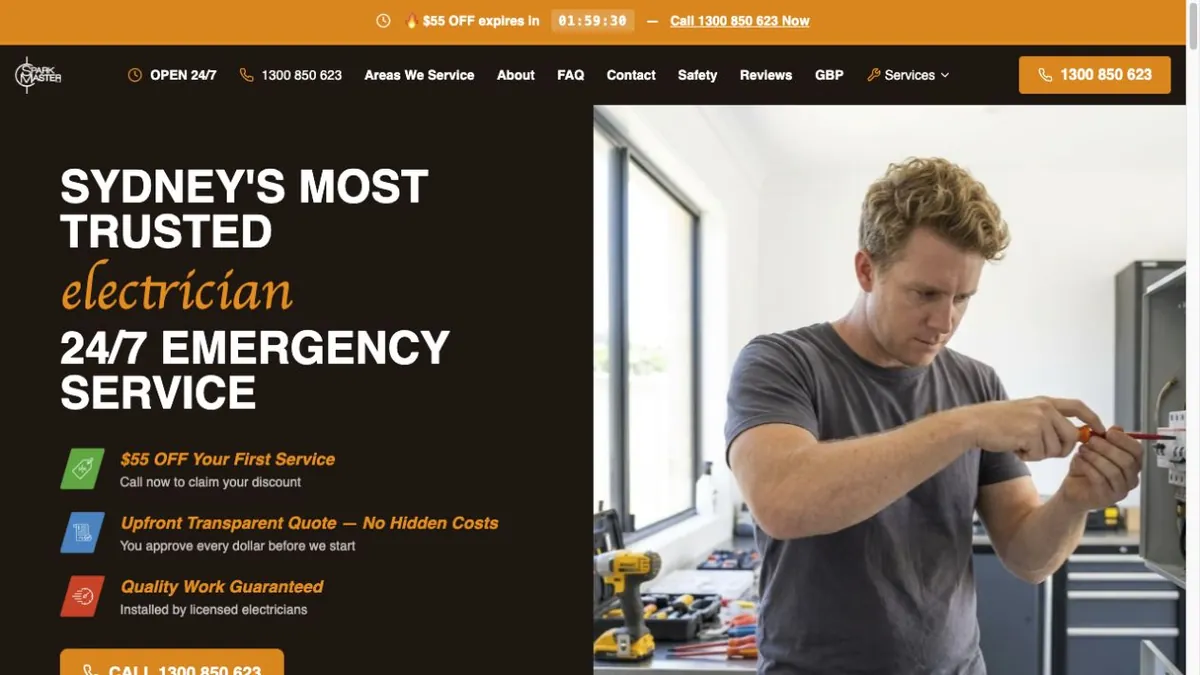
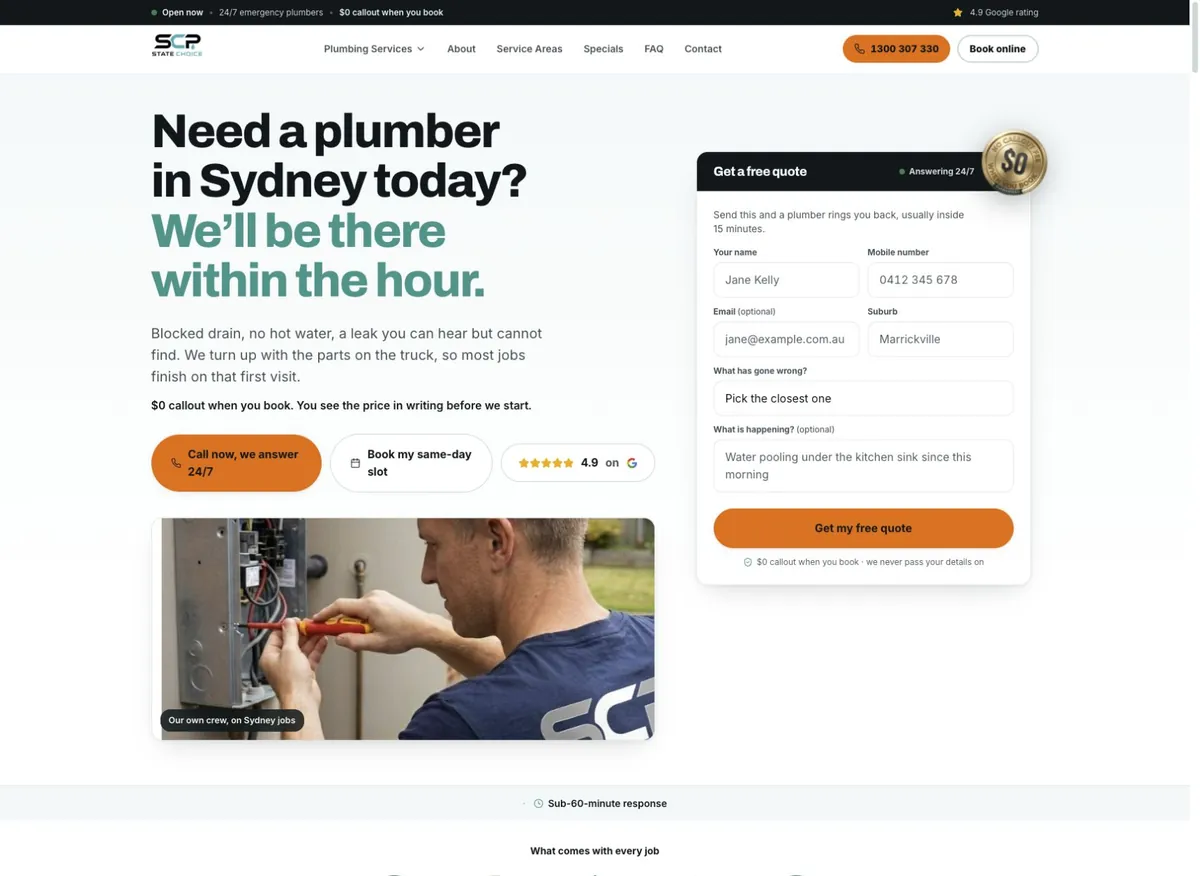
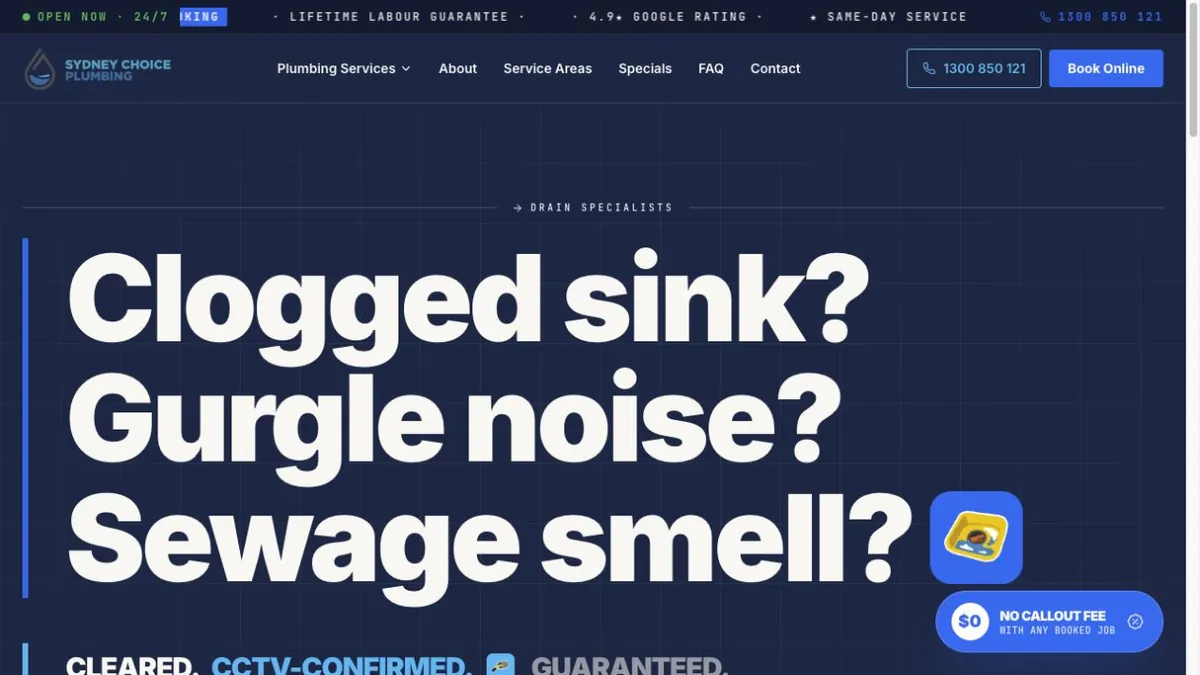
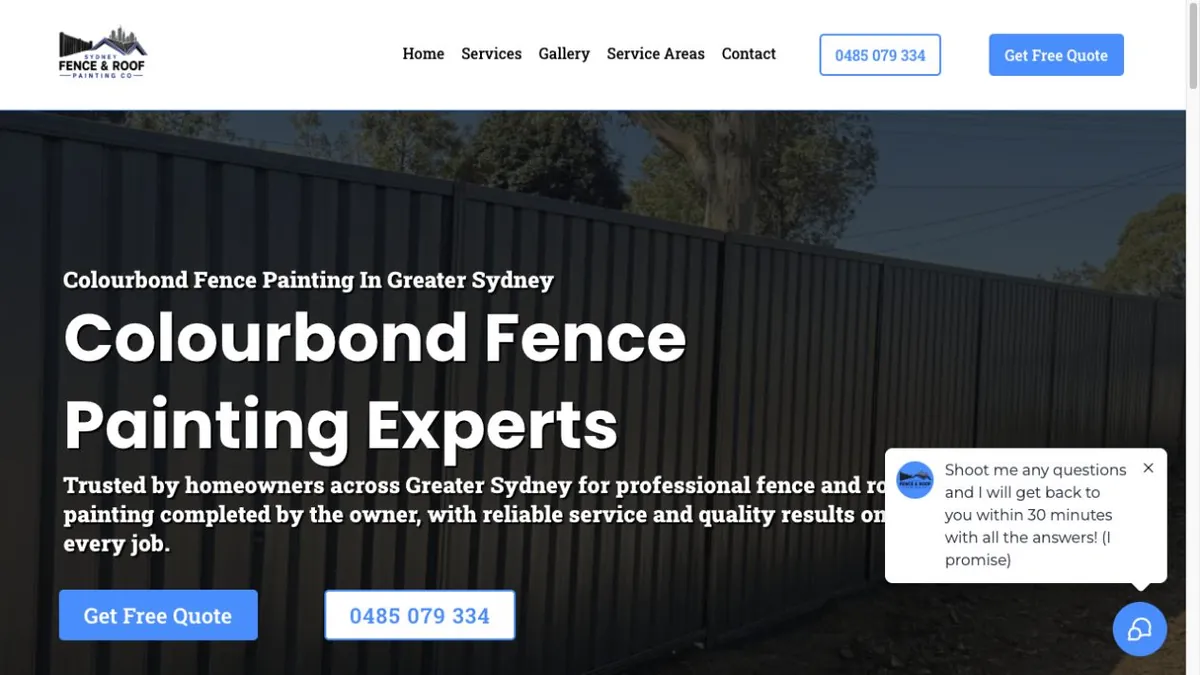
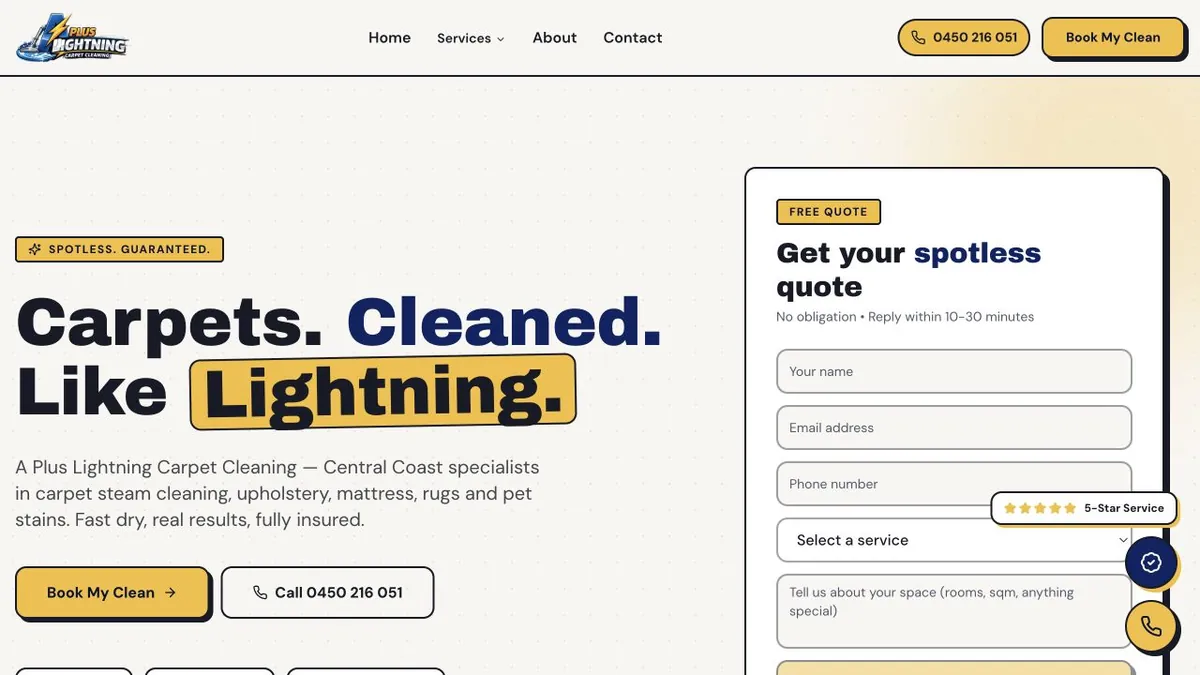
    Impress Blinds — cost per enquiry down 62.63%, $23.6 to $8.82SLS Solicitors — cost per enquiry down 58.48%, $84.64 to $35.14FixCare Property — cost per enquiry down 56.36%, $35.24 to $15.38Rubbish Removal WA — cost per enquiry down 53.18%, $71.02 to $33.25Floral Cakery — cost per enquiry down 49.82%, $13.83 to $6.94ILLUMINATE Laser Emporium — cost per enquiry down 48.54%, $138.65 to $71.35Aussie Plumbing — cost per enquiry down 41.96%, $117.75 to $68.34Sydney Fence Painting — cost per enquiry down 33.68%, $136.62 to $90.61Alliance Plumbing — cost per enquiry down 29.6%, $81.26 to $57.21Gridless Build Solutions — cost per enquiry down 29.16%, $78.16 to $55.37FacilityWorx — cost per enquiry down 23.62%, $157.13 to $120.01Cornerstone Roofing — cost per enquiry down 20.47%, $41.71 to $33.17A council finance platform — 194 of 194 requirements metA council finance build — 14 weeks to UAT, −34% 10-yr costA cultural institution — $634K of $750K kept workingA council platform — $470,106 built vs $503,262 SaaSA federal agency — n=5,000 prevalence survey at ±1.4%A civic mural — 36 concepts for a 71m × 9m wallA regional shire — 32-page visitor guide, 3 weeks earlyA shire council — one platform retiring 8 of 9 vendorsA pressure washing business — 138 jobs at A$20.43 eachA pressure washing business — 21.20% conversion rateA carpet cleaner — 53 jobs in 15 days at A$24.92 eachA roofing company — 68 quote requests in 35 daysA CCTV installer — 39 qualified leads in 15 daysA fence painter — 36 jobs in 24 days, quotes by day 3A maintenance business — live in 8 weeks, 3 stacks gone41 numbered clauses, published in full5.0 across every Google review$120M+ in media under management250+ active engagements across five countries

    Local SEO Win the three results on the map.

    When somebody types your trade and a suburb, three businesses get the shelf and everyone else gets a link to “more places”. Getting into those three is mostly profile, proximity, reviews and the site underneath — four things that can be worked on, in that order.

    250+ live client engagements · Melbourne-based, working across Australia, the UK, the UAE, Saudi Arabia and New Zealand · First call inside one business day

    Inside the profile

    Seven reasons
    the map skips you.

    None of these are exotic. They are what we find on almost every profile we open, and not one of them appears in a website traffic report.

    • The profile was claimed once and never opened again

      Categories chosen years ago, hours wrong over the holidays, no services listed, and the newest photo is the shopfront before the repaint. It is the single cheapest ranking asset a local business owns, and it is usually the most neglected.

    • The primary category is the wrong one

      One field on the profile does more local ranking work than anything else, and “Plumber”, “Drainage service” and “Hot water system supplier” are three different competitions. Most businesses picked theirs in a hurry and never revisited it.

    • Reviews stopped two years ago

      Recency counts, not just the total. A business with forty reviews and none this year loses to one with eighteen and four last month — and unanswered reviews read as a business that stopped paying attention.

    • Twenty suburb pages that are one page with the name swapped

      Search engines have been demoting that pattern for years. Three pages that genuinely know the area — the jobs, the housing stock, the council rules — outrank twenty that only know its name.

    • The address is a mailbox in the wrong postcode

      Distance from the searcher is part of how local results are ordered. If the registered address is a CBD virtual office and the vans start in the outer east, you are competing in a suburb you never visit.

    • Three different phone numbers across the web

      Old directory entries, a rebranded trading name, a number from the last office. Inconsistent name, address and phone details across listings quietly undermine everything else on this list.

    • Calls from the map are never counted

      A tap on the call button from a Business Profile never touches your website, so it appears in no analytics report. Whole channels get judged as dead because nobody was counting the phone.

    The pack, actual size

    Three slots. Then page two.

    Local search is a fixed, unforgiving shape. Everything a stranger learns about your business before choosing between you and two competitors has to fit inside a profile with published limits — and most businesses are using a fraction of it.

    • 3

      results in the map pack

      That is the whole shelf. Fourth place is a tap on “More places”, and most people never make it.

    • 10

      categories per profile

      One primary and up to nine additional. The primary one carries most of the ranking weight, and it is the field most often wrong.

    • 20

      service areas per profile

      The cap on suburbs, postcodes or regions you can list. It forces a real decision about which twenty are worth the drive.

    • 750

      characters of description

      About 120 words for the whole business. It is not a ranking field, but the person deciding between you and the next pin reads it.

    • 1

      profile per real location

      Google's rule. A second listing at the same address is a duplicate, and duplicates get merged or suspended rather than ranked.

    • 0

      dollars to claim a profile

      It costs nothing. What it costs is attention — categories, services, products, photos, hours, questions and every review answered.

    Relevance, distance, prominence — and only two of them are yours.

    Google describes local ranking as those three things. Distance from the searcher is the one you cannot change, only account for — which is why a single-address business will never own an entire metro area, and why any honest plan says so early.

    Relevance is the profile and the site saying clearly what you do. Prominence is reviews, citations, links and coverage. Those two are where the work lives, and they are why a smaller business with a complete profile regularly outranks a bigger one that stopped paying attention.

    The record

    Australia · UK · KSA · UAE · NZ

    250+

    Active client engagements

    Search, paid media, web and tracking under one roof

    Google reviews

    5.0

    Rating across every review

    We ask our own customers the same way before we sell it to you

    The SoudCoh Standard v1.0

    41

    Clauses published in full

    The operating rules, written down where you can read them first

    Firm-level figures from the SoudCoh record, not campaign forecasts. We do not publish organic case studies, so no ranking or traffic figure is claimed on this page — your own baseline is what we report against.

    Ten things happen on a local engagement. Here they are, in order.

    This is the part most agency pages keep vague, and it is the only part that decides whether the money works. So it is written down.

    1. Audit the profile against the ones beating you

      Side by side with the three businesses currently in the pack for your main search: categories, services, photo cadence, review velocity, post frequency and how far each one is from the people searching. The gap is usually specific and fixable.

    2. Get the primary category right

      We test the category against what the businesses ranking for your money search are using, and we choose the primary deliberately rather than by name. Then the additional nine go to the services you actually want more of.

    3. Fill the profile completely

      Services with descriptions, products where they apply, opening and holiday hours, attributes, booking links, the questions section seeded with the ones customers really ask, and photos added on a schedule instead of once.

    4. Set the service area honestly

      Up to twenty suburbs, postcodes or regions, chosen against where your jobs actually come from and where you can be on site quickly. A service-area business hides the street address; a shopfront keeps it.

    5. Clean up the citations

      One name, one address, one phone number, everywhere the business appears. We merge or close the duplicates, retire the old trading names, and rebuild the key industry and local directories from a single source of truth.

    6. Ask for a review after every job, not in bursts

      A request that goes out at the moment the job is finished, a short link that works on a phone, and a response to every review — good or bad — in your voice. Recency and response rate both matter, and both are habits rather than projects.

    7. Write area pages that know the area

      Real jobs, real streets, the housing stock, the council rules, the response time from your depot. Fewer pages, each one written by someone who read the job sheets. That is the opposite of a suburb list with a template behind it.

    8. Fix the site underneath

      Location and organisation schema, an address that matches the profile exactly, pages that load on a phone on mobile data, and internal links from the service pages to the area pages so the site says the same thing the profile does.

    9. Earn local links, not directory bundles

      Sponsorships, trade associations, supplier and partner pages, local news and community organisations. Slower than a bulk package, and it does not arrive with a clean-up bill behind it.

    10. Count the calls from the map

      Call tracking wired to the profile and to the site, so a tap on the call button becomes a number in the report rather than an invisible enquiry. Until that is in place, nobody can tell you what local search is producing.

    How an engagement runs

    The first ninety days, honestly.

    1. Week 0

      The audit and the first call

      We spend thirty to forty-five minutes on the jobs you want more of and the suburbs you actually service. Then we audit the profile, the citations, the reviews and the site against the businesses currently in the pack.

    2. Week 1

      The profile rebuild

      Categories, services, attributes, hours, service areas, booking links, questions and the first batch of photos. This is the fastest-moving work on the whole engagement and it usually shows first.

    3. Weeks 2–4

      Citations and tracking

      Duplicate listings merged or closed, details made consistent across the directories that matter, and call tracking wired up so the phone stops being invisible.

    4. Weeks 4–8

      Reviews and the site

      The review request goes live in your job workflow, every existing review gets a reply, and the site work starts — schema, speed, internal links and the first area pages.

    5. Weeks 8–12

      The pack starts to move

      We read map-pack positions by suburb rather than as one average, because a business can be first in one postcode and invisible three suburbs over. Where it is not moving, we say which of the four levers is short.

    6. From there

      Rhythm

      Weekly profile activity, monthly reporting by suburb, ongoing review generation, and area pages published on a schedule you can see rather than promised in a plan.

    You keep the audit findings whether or not you hire us, and we ask for manager access to your Business Profile rather than ownership. The keys stay with you.

    SoudCoh Compound™

    Local work lives in two of the six stages.

    Compound is how our team works on any account — six stages every change passes through. A local engagement puts most of its weight on these two.

    • Sweep

      Waste is found daily, named, and priced.

      On a local engagement the sweep is the profile and the listings: duplicates, wrong hours, stale categories, unanswered reviews and directory entries carrying an old number. Small, unglamorous, and cumulatively the difference between third and out of the pack.

    • Statement

      A fixed rhythm, good news or bad.

      Local results move suburb by suburb, so the report does too. You get positions by area, calls and direction requests from the profile, and what changed since last month — including the months where the honest answer is that nothing moved yet.

    FAQ

    Local search, answered.

    Cost, timing, contracts, who owns the profile, reporting, and what happens when the map will not move.

    The first call is free and there is no deck.

    Ask us about your rankings

    Most businesses see initial movement in map-pack positions within four to eight weeks, and meaningful results usually take three to six months depending on how competitive your category is and what state your profile was in when we started. Some of the work has almost immediate effect — completing a neglected Business Profile, fixing the primary category, cleaning up duplicate listings — while reviews and area pages compound over months. We report by suburb rather than as one average, because a business is often first in one postcode and invisible three suburbs over.

    Local SEO is about the three results in the map pack and the organic pages under them for searches that carry a place — a suburb, a postcode, or the words “near me”. It leans on the Business Profile, proximity to the searcher, reviews, citations and area-specific content. Regular SEO targets the broader organic results and leans harder on site architecture, content depth and links. They overlap: the same technical foundation serves both, which is why we run them together rather than as separate projects.

    No. Service-area businesses — plumbers, electricians, cleaners, mobile trades — can rank without a public-facing address. Google Business Profile supports service-area listings where the street address is hidden and you appear for the areas you actually cover, up to twenty of them. What matters is that the areas are real: distance from the searcher is part of how local results are ordered, so listing suburbs you never drive to does not help you rank in them.

    Very. Quantity, rating and recency all feed local ranking, and the response rate is read by the human deciding between you and the next pin. A business with forty reviews and none this year is beaten by one with eighteen and four last month. We make it a habit rather than a campaign: a request that goes out the moment a job is finished, a short link that works on a phone, and a reply to every review in your own voice.

    Yes. Each location gets its own optimised Business Profile, its own landing page and its own citation set, with consistent branding but content tailored to that area — because a page that could describe any of your branches ranks for none of them. Google's guidelines allow one profile per real location, so we also audit for duplicates created by staff or by old listings, which are the most common cause of a location quietly disappearing from the map.

    It depends on how many locations you have, how competitive your category is, and how much of the work is profile and citation cleanup versus writing and earning links. A single-location trade business and a twelve-branch group are not the same job, so our fee scales with the work rather than sitting on a fixed tier. It is quoted after the audit, so the number is based on what your profile and site actually need. The first call and the audit findings are free.

    No long-term lock-in. What we ask for is enough runway to be fair to the work — reviews, citations and area pages compound over months, so an engagement judged on its first six weeks is being judged during the part where we are still fixing foundations. We would rather keep the work because it is producing than because a document says you have to stay, and the terms are put in front of you in plain English before anything is signed.

    You do. We ask for manager access to your Google Business Profile rather than ownership, so you keep the keys and can revoke ours at any time. Directory listings, citations, the review link and the content we write on your site all stay yours if we part ways. If you do not currently own your own profile — which happens more often than you would think, usually via an old web developer — recovering it is one of the first things we do.

    We tell you which of the four levers is short — profile completeness, proximity, reviews or the site and links behind it — and we change what we are doing. Sometimes the honest answer is structural: a business with one address cannot rank across a whole metro area, and the fix is a second real location or paid search covering the suburbs the map will never give you. We would rather say that than keep billing for a target the geography does not allow.

    Google describes it as relevance, distance and prominence. Relevance is how well your profile and site match what was typed, which is why the primary category matters so much. Distance is how far you are from the searcher, which is the one factor you cannot optimise — only account for. Prominence is how well known the business is: reviews, citations, links and coverage. Most of our work sits in relevance and prominence, and the strategy is written around the distance you are stuck with.

    Monthly, on a fixed cadence, good news or bad. You get map-pack positions by suburb rather than one blended number, calls and direction requests from the profile, organic enquiries from the site, what we changed and why, and what happens next. There is a live dashboard you can check at any time. If a number moved, you hear it from us before you notice it in the diary.

    Usually yes, especially early. The map pack takes months to move; paid search can produce calls within hours, which matters if you need work this quarter rather than next year. Running both is better than either alone — the paid search terms tell us exactly which services and suburbs to build area pages for, and the organic pages lower what you pay for the same click over time. We run both in-house, so nobody is arguing over whose channel produced the job.

    Local is one of four ways to be found.

    Most local businesses we run use two or three of these together. SEO services is the hub page that compares them side by side, if you would rather start there.

    Further reading

    Three parts of this work have a briefing of their own: the category setting that holds trades out of the map results, ranking a service area when you have no shopfront to list, and which directory listings are still worth correcting. Reviews are the other half of it — asking for them at scale without sounding automated covers how that is done without irritating the customer.
    Get the local audit

    We read your Business Profile against the three currently in the pack, check every listing carrying your name, and hand you the list of what is missing. Yours to action, with us or without us.

    No pitch deck. No upsell. A real conversation and a written list of what is missing.