
Keep the brand recognisable and the job local
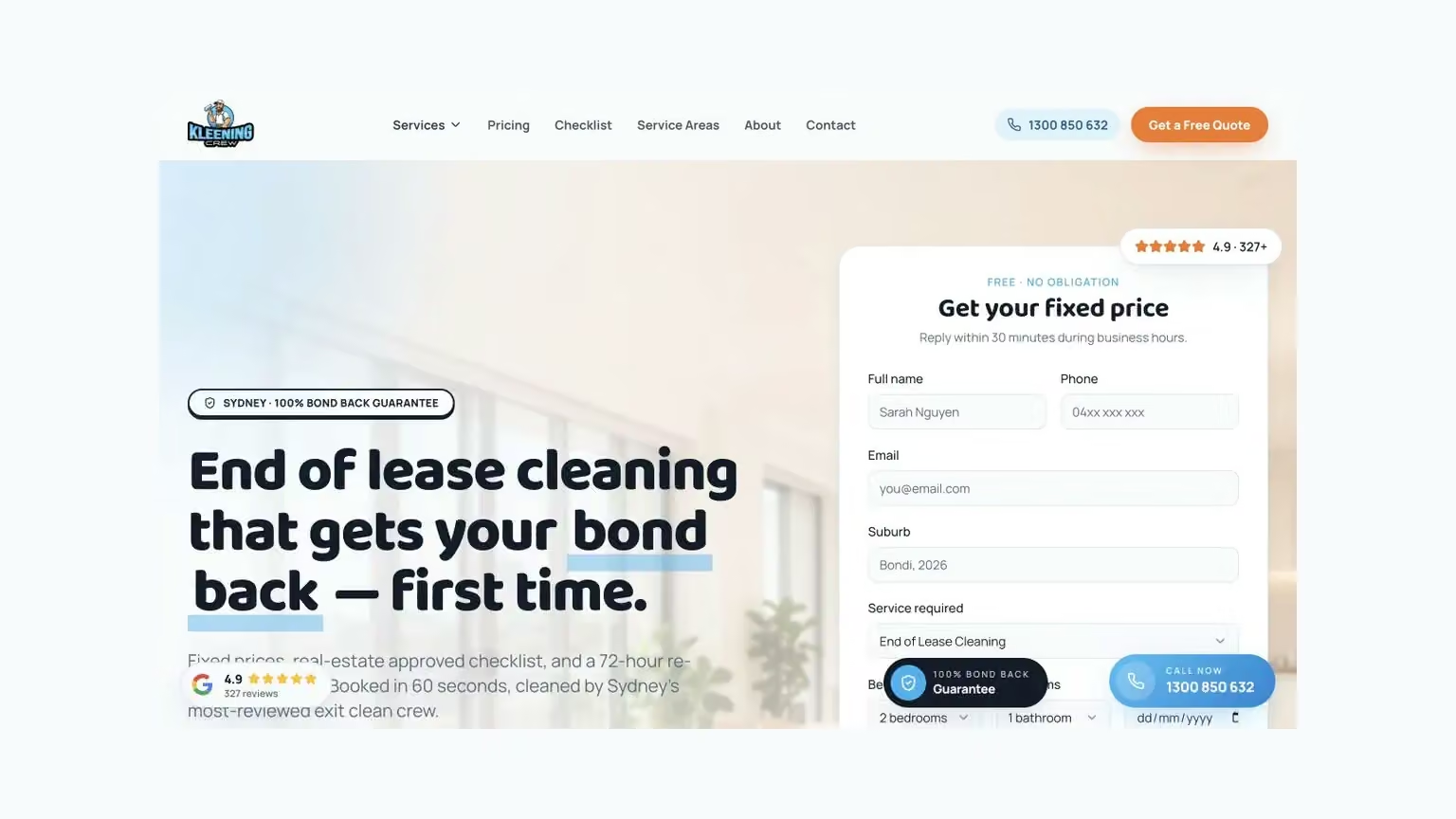
The Sydney website case study includes an end-of-lease introduction, property details, pricing and a before-and-after gallery. The Brisbane website pairs its local introduction with a property quote form and a separate package page. Both make it possible to recognise the brand without asking customers to work out whether they have landed in the right city.
For an owner, the useful distinction is between brand assets that travel and service facts that need checking locally. Colours, the mascot and the broad promise can remain familiar. Coverage, availability, inclusions and the person who responds to an enquiry need their own review. Confirm availability and inclusions with each local team before carrying them across to another city.
Write a brief for each place
Before commissioning a local campaign, write down the work the team wants, the suburbs it can realistically cover and the information needed to quote. Include any difference between apartments and houses, furnished and empty properties, or standalone cleaning and optional additional work. These details should influence both the advertising message and the page it opens.
Avoid treating the larger city as the default and the other as a smaller copy. One market may generate more enquiries about unit access, another about larger properties or travel distance. Those are questions to answer from actual enquiries, rather than assumptions about a city's residents. The brief should be short enough for the person answering the phone to recognise their everyday work in it.
Give the quote form a useful job
A form should help the customer explain the property. Service type, suburb, bedrooms, bathrooms and preferred timing can give a cleaner a sensible starting point. Ask only for details that change the quote or the next conversation. An extensive survey can create more effort than the customer is ready to make.
The visible Kleening Crew pages place the quote journey close to the service explanation. This is useful because the visitor can read the offer while providing context. To judge the form, ask the receiving team whether requests arrive with enough information to take the next step, and whether customers regularly abandon or misunderstand a question.
Explain packages without hiding the boundaries
A separate pricing page gives packages room to be understood. The important content is what is included, what changes the scope and how the customer gets a confirmed quote. A visitor moving out of a property needs to know whether their circumstances fit the advertised package before relying on it.
Review the package page and ad together. If an ad promotes end-of-lease cleaning, the destination should not make the visitor search through unrelated services to find the scope. Keep conditions close to the relevant offer. Avoid turning a headline into a guarantee that the service team cannot reasonably control, particularly when a property inspection involves another party's judgement.
Compare local results without blending away the differences
The Sydney campaign and Brisbane campaign serve different local markets. Review each city’s service mix, relevant enquiries and booked work for each location before combining them into a brand-wide view.
A lower enquiry cost in one city does not automatically make it the better opportunity. Travel, job size, response capacity and available dates can change the commercial value. Keep the same definitions across locations, but allow the decisions to differ. Otherwise a strong result in one market can disguise a problem the other team needs help solving.
Make the next local decision small enough to learn from
Choose one concrete improvement: a clearer property question, an area explanation, or an inclusion that customers repeatedly ask about. Update the relevant ad and page together, then review the kinds of enquiries it produces. Changing the offer, coverage, form and creative simultaneously makes the cause of any difference harder to understand.
Test the local pages with two different property briefs. Have someone follow the Sydney journey and another follow Brisbane. Ask each person to explain the package, the area covered and the next step without help. Any disagreement identifies wording worth checking. Use the answers to clarify the package and the next step.
For a business planning this work, cleaning marketing should begin with that local brief. The goal is a recognisable brand with useful answers in each market, supported by a quote journey the local team can actually fulfil.