
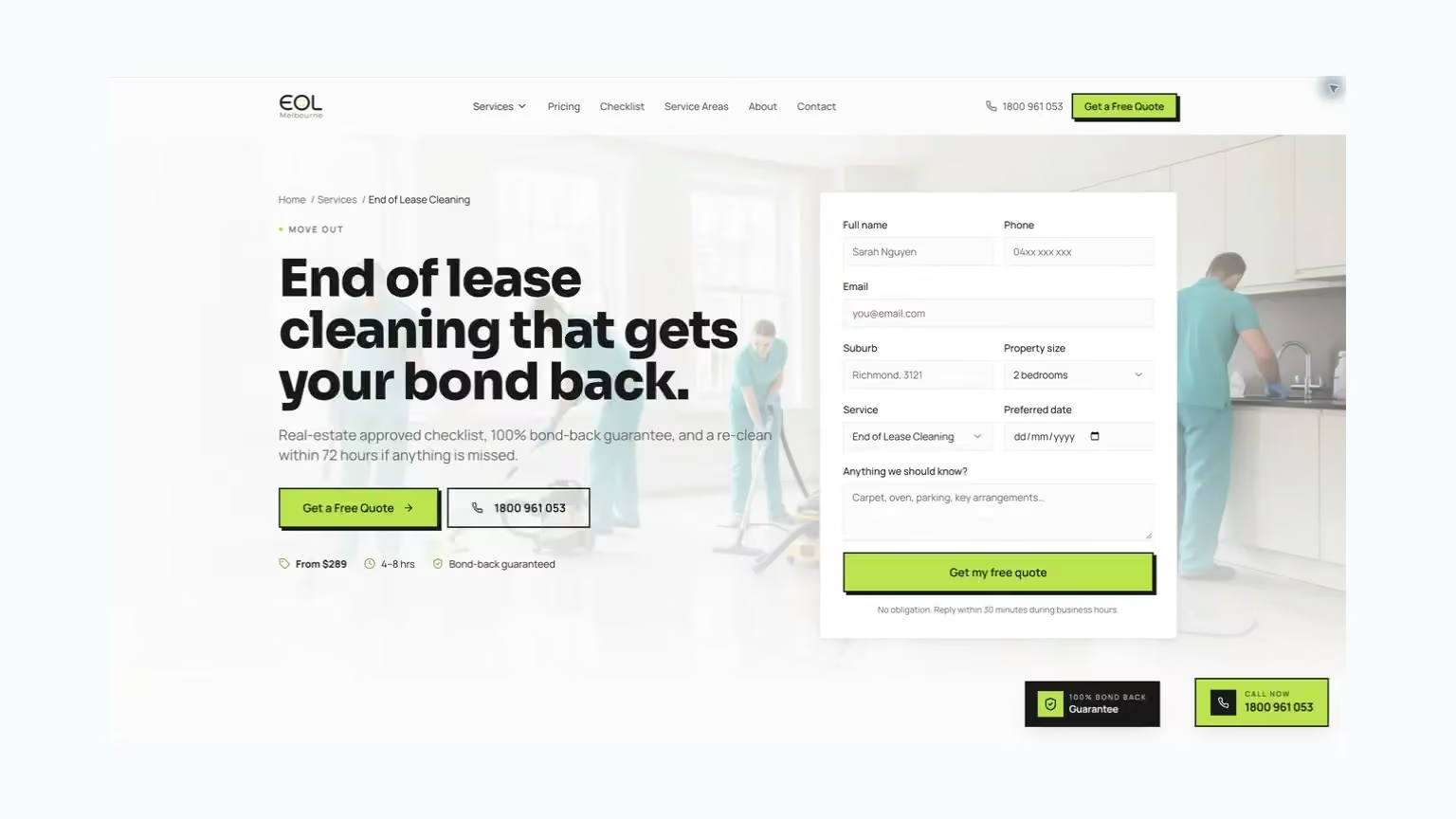
Start with the handover, then describe the property
Timing matters because the clean must fit around moving out and inspection. Ask for a preferred cleaning date and whether it is flexible. Then collect the property details that materially affect the work: suburb, property type, bedrooms and bathrooms. Give customers a way to explain unusual circumstances in their own words.
Do not ask a visitor to diagnose the entire job before making contact. Someone may not know the floor area or the cleaning method their carpet needs. A form can allow an estimate or an uncertainty, with a follow-up conversation to confirm the scope. The purpose is to prepare a useful quote, rather than make the tenant sound like a professional estimator.
Make inclusions readable before the form
The EOL Melbourne website combines end-of-lease service information with property details for a quote. The Kleening Crew Sydney website adds a dedicated pricing page and a visual gallery. These are different ways to help a visitor understand the work before submitting a request.
A good inclusion list uses the customer's language: oven, bathroom, kitchen surfaces, windows or carpet where those are genuinely offered. It should also explain exclusions and optional services. The visitor should not have to infer an entire scope from a photograph of a spotless room. Photography supports the explanation; it does not replace the terms of the job.
Separate the general clean from specialist tasks
Carpet treatment, stubborn stains, substantial rubbish and heavily soiled appliances may need a separate discussion. Their presence can change equipment, time or the team required. A small number of optional choices can surface that information without making every visitor complete the same lengthy questionnaire.
This is also a reason to give different services appropriate advertising and landing pages. A customer looking only for a carpet clean should not be required to describe an entire move-out job. Someone who needs a full property clean should be able to identify additional tasks in the same enquiry. The website can keep those choices connected while remaining clear about what is being requested.
Use photographs as context, not a promise
Before-and-after images can show the kinds of surfaces and rooms the business works on. Short captions make them more informative: name the service and the setting rather than relying on an unexplained split image. Ask for permission before using identifiable customer properties, and keep the selection representative of the work being promoted.
The Sydney Kleening Crew gallery provides an example of paired cleaning imagery with captions. Captions can identify the room, surface and task. Explain how the team assesses difficult stains and property condition when confirming the scope.
Keep the quote and the booking distinct
A submitted form is a request, not necessarily an accepted booking. Make the next step explicit: the team reviews the details, confirms the scope and discusses availability. If the website supports an actual booking, explain when it becomes confirmed and what the customer needs to do beforehand.
That distinction matters when comparing advertising results. A relevant enquiry is progress, but it is not equivalent to a completed clean. Review how many suitable requests could be quoted, how many were accepted and why others did not proceed. Reasons such as timing, scope or service area lead to more useful changes than simply labelling every unbooked request a poor lead.
Check the journey with a real property example
Use a typical apartment or house from the team's experience and walk through the public page on a phone. Can a customer find the service, understand the likely scope, describe the property and see what happens after submitting? Check the confirmation wording as carefully as the opening headline.
Include access in the final quote discussion. Keys, parking, lifts and whether the property will be empty can affect how the clean is arranged. These details do not all have to become mandatory website fields; decide which are needed immediately and which belong in the follow-up. Giving the team a clear point at which to confirm them is more useful than assuming every property is ready for work as soon as the customer submits a preferred date.
The EOL Melbourne campaign case connects this website work with service-led search advertising. A practical cleaning website brief should connect the same stages. When the page answers the questions customers genuinely have, the first conversation can concentrate on the property rather than correcting assumptions created by the advertisement.