Proof
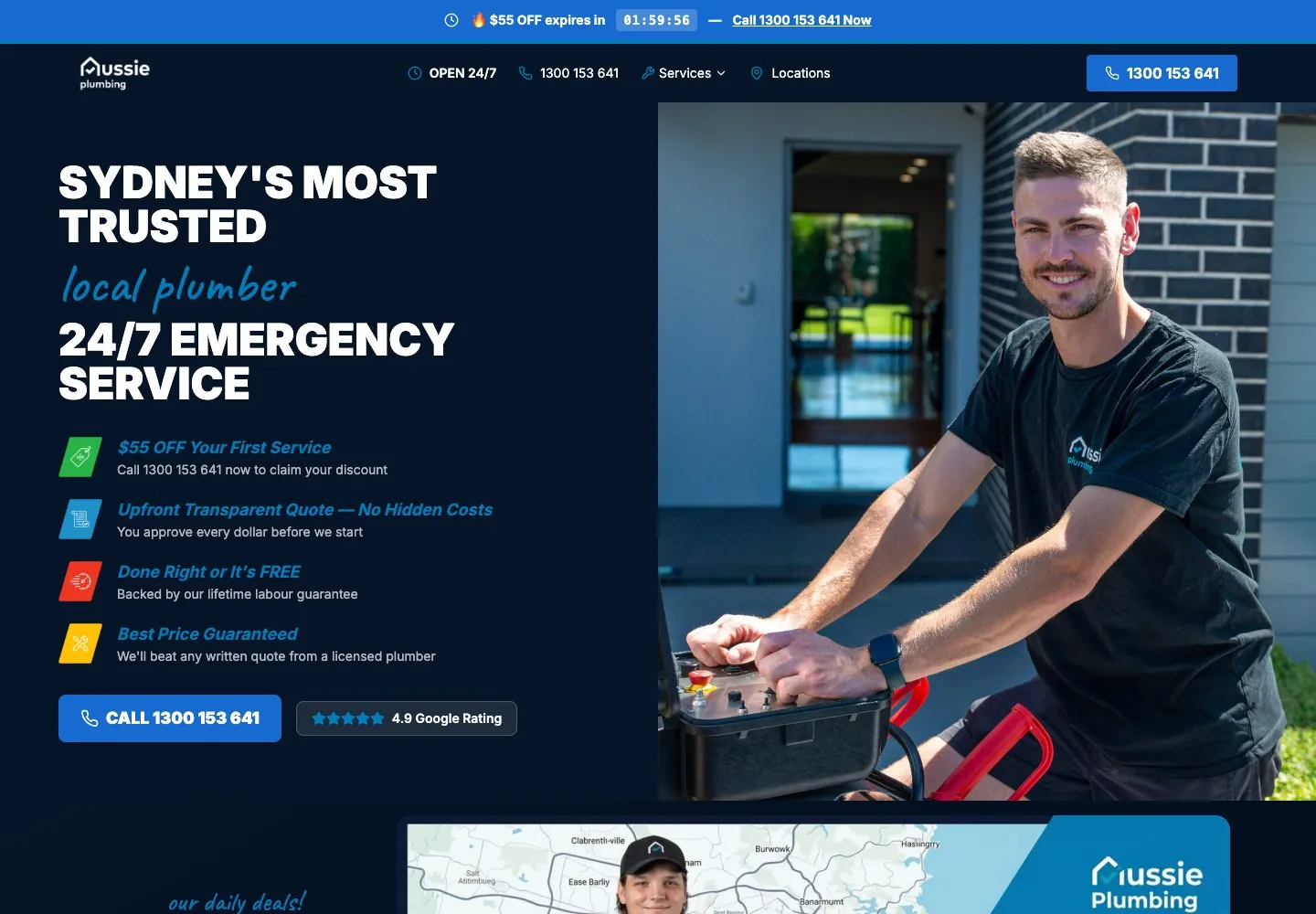
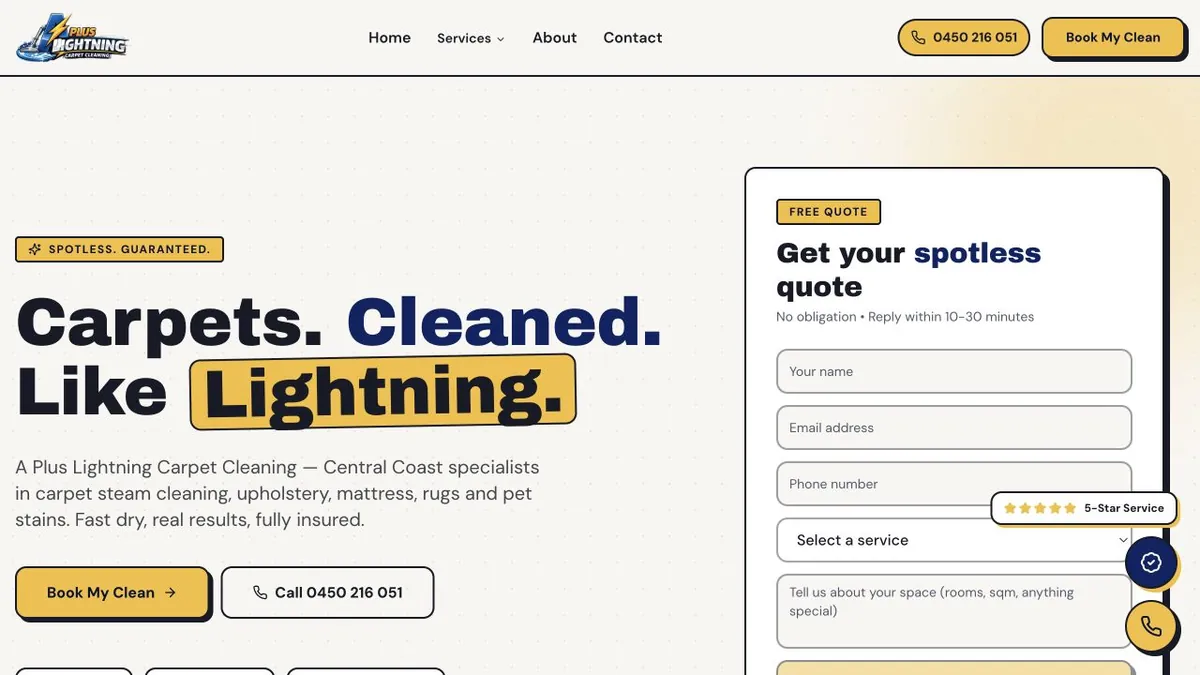
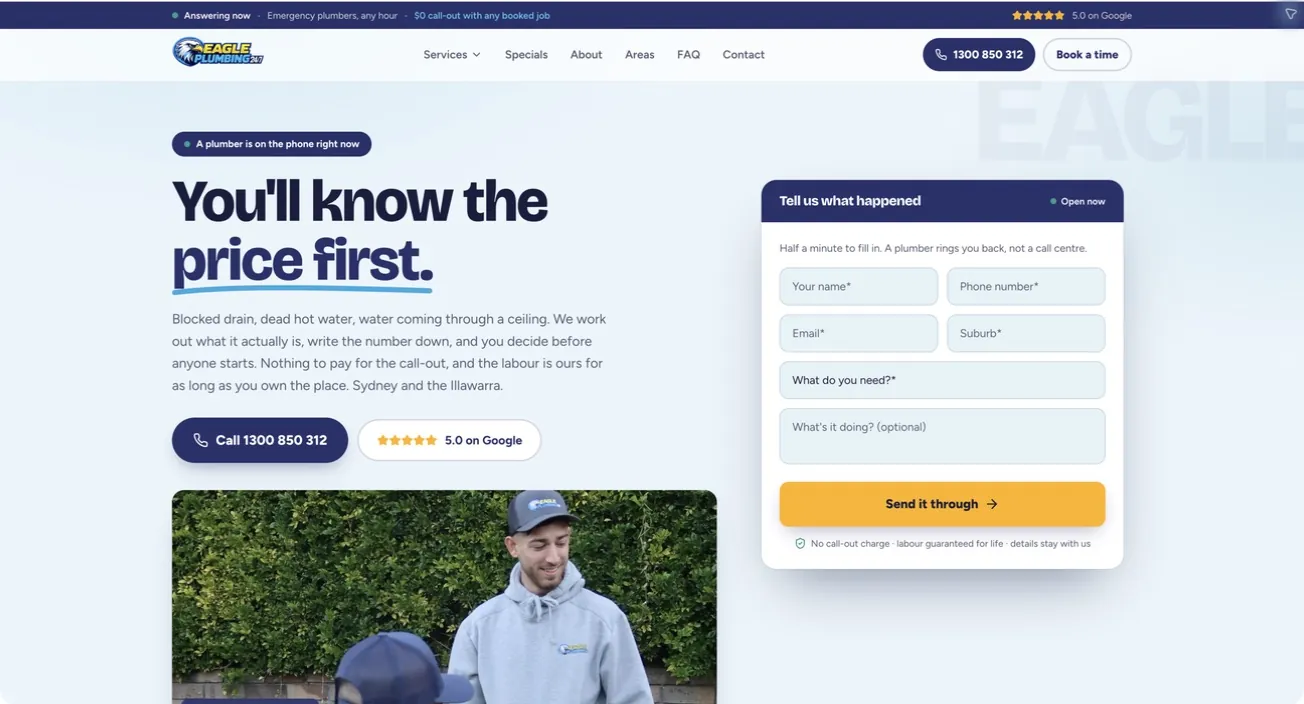
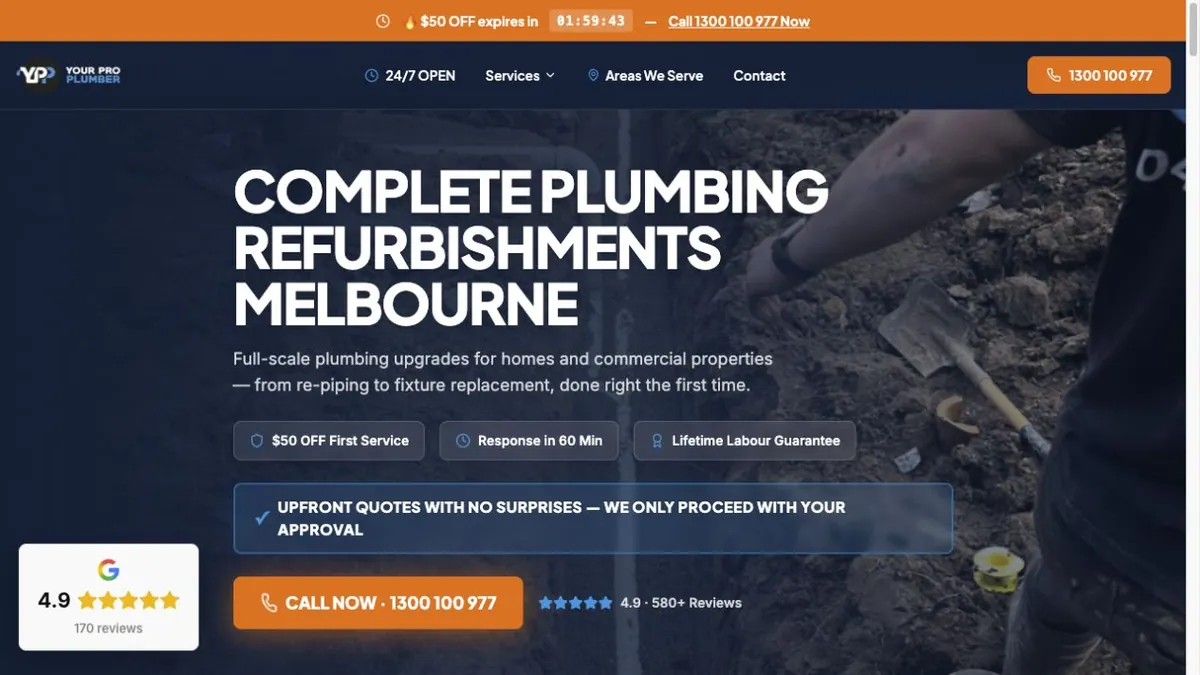
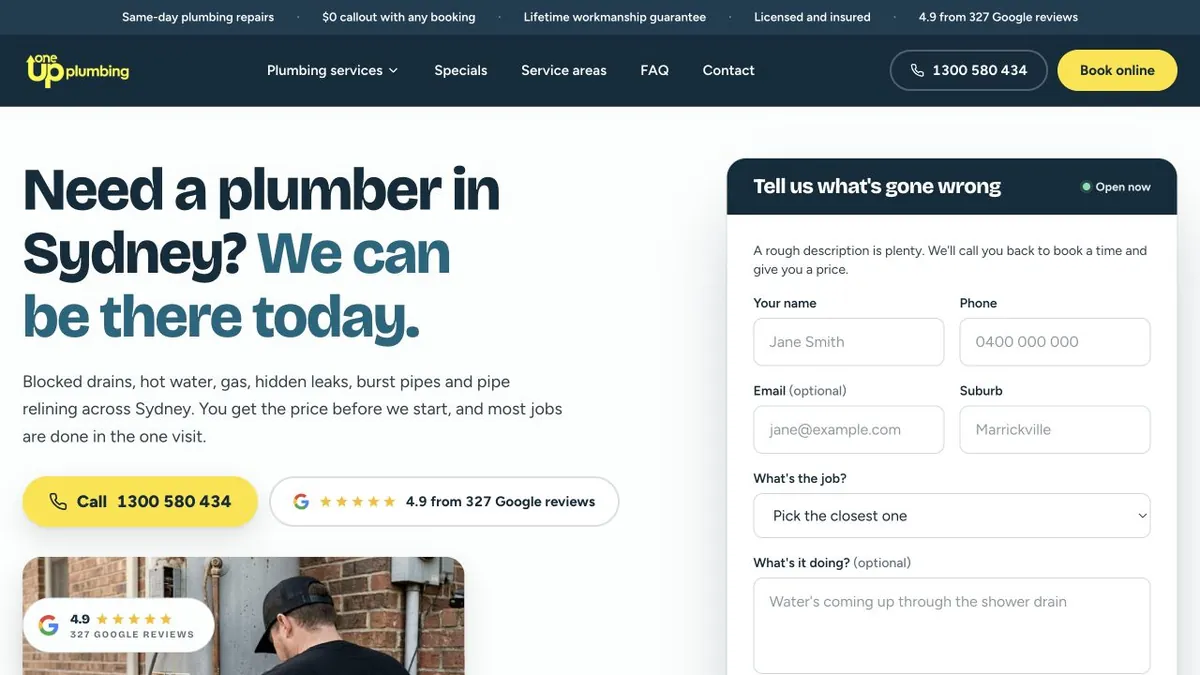
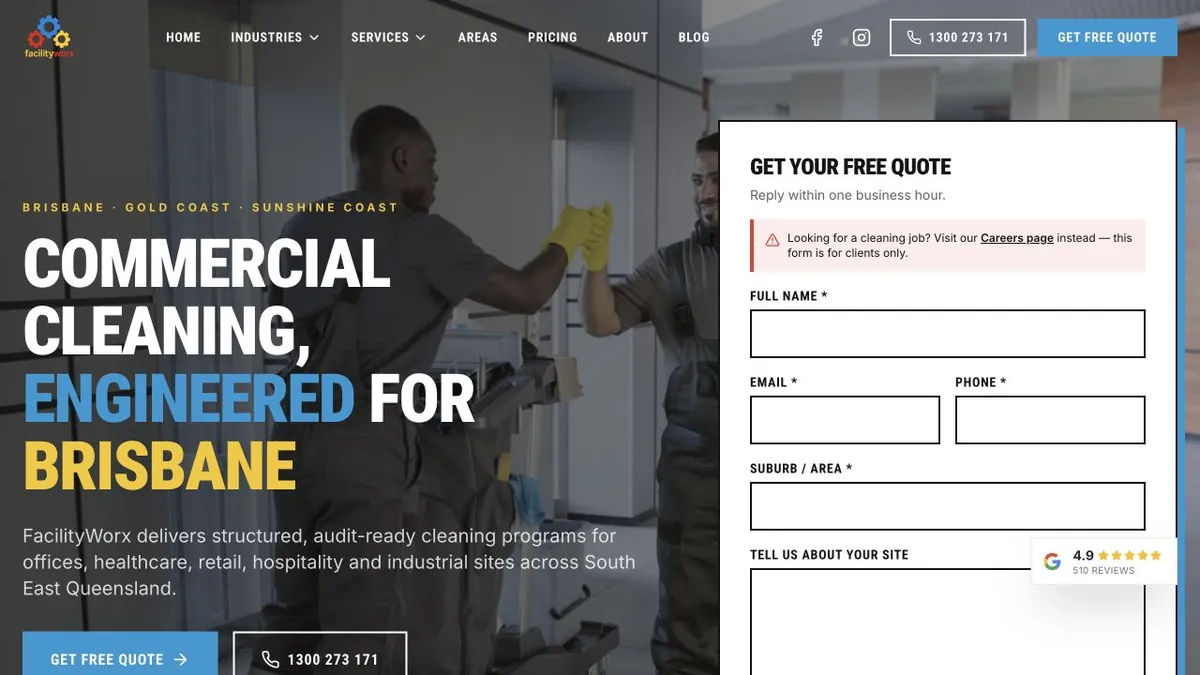
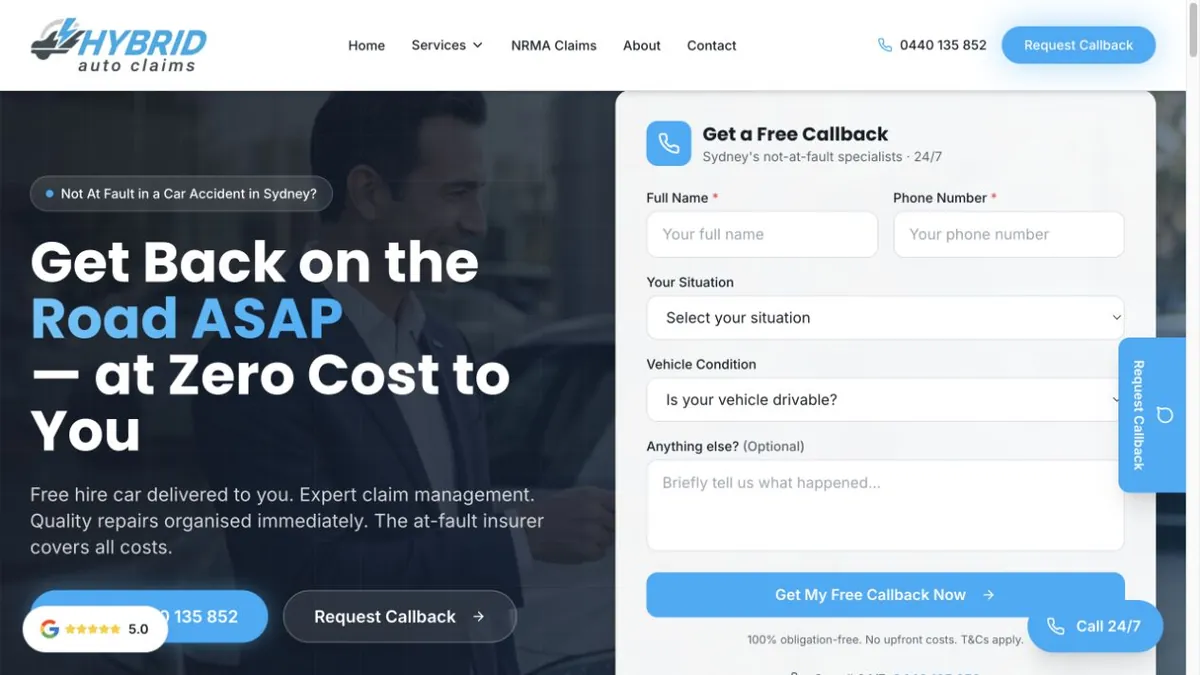
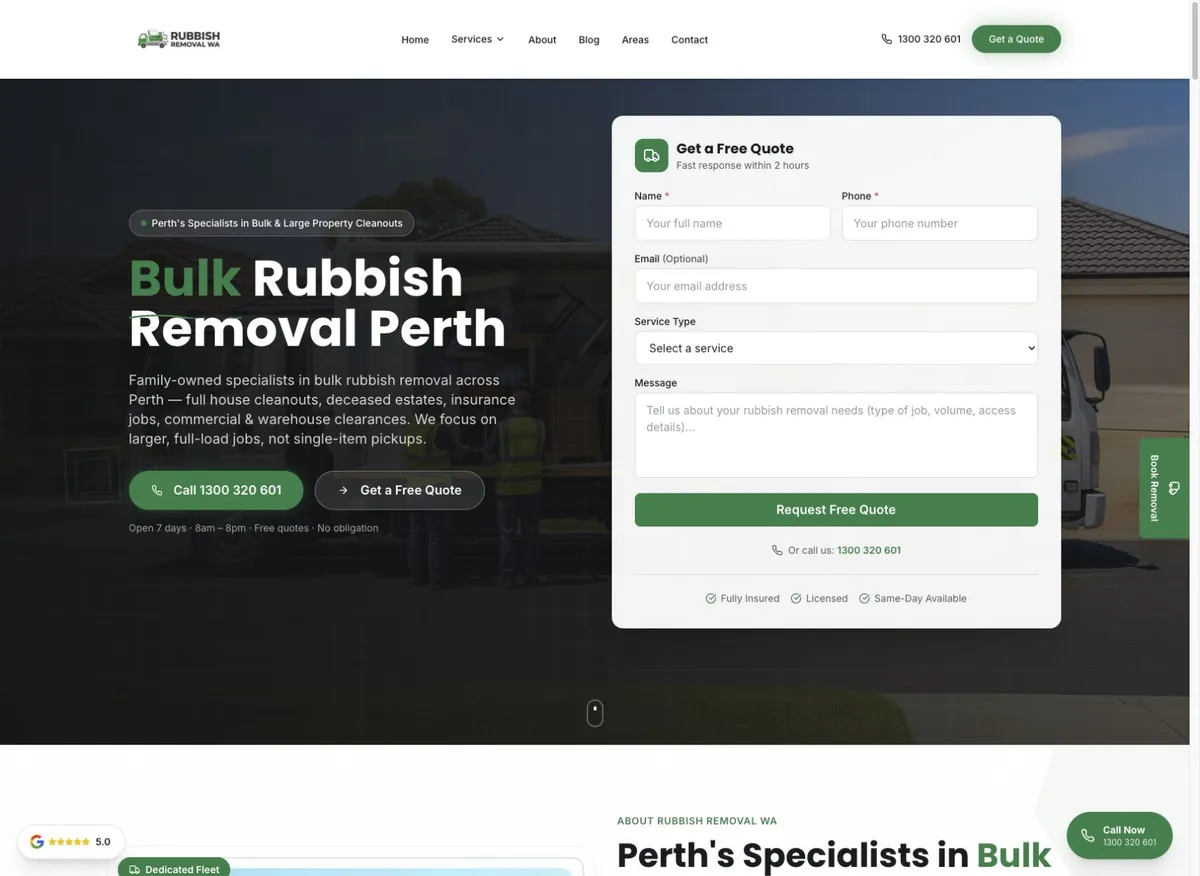
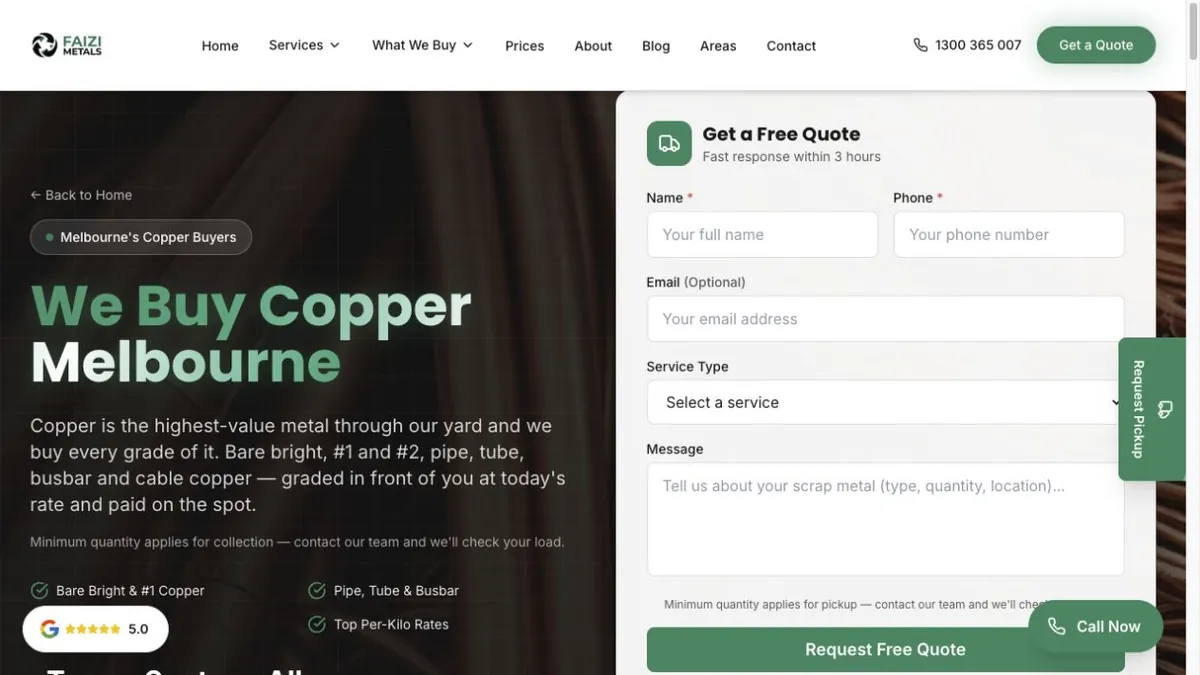
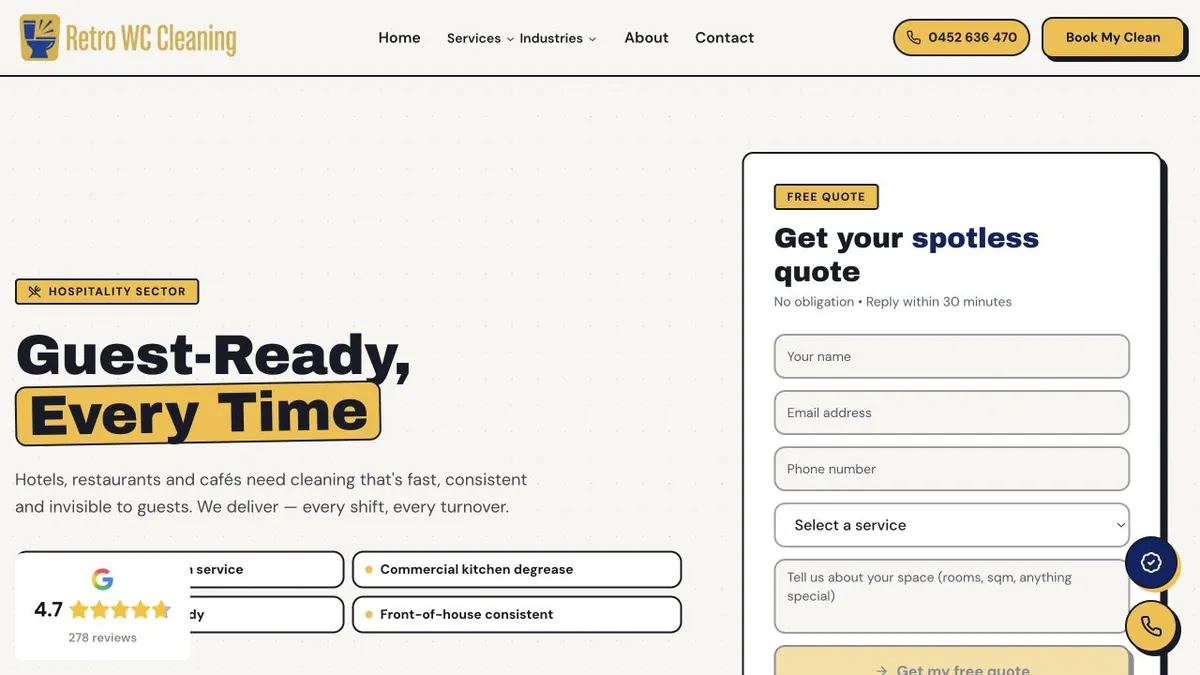
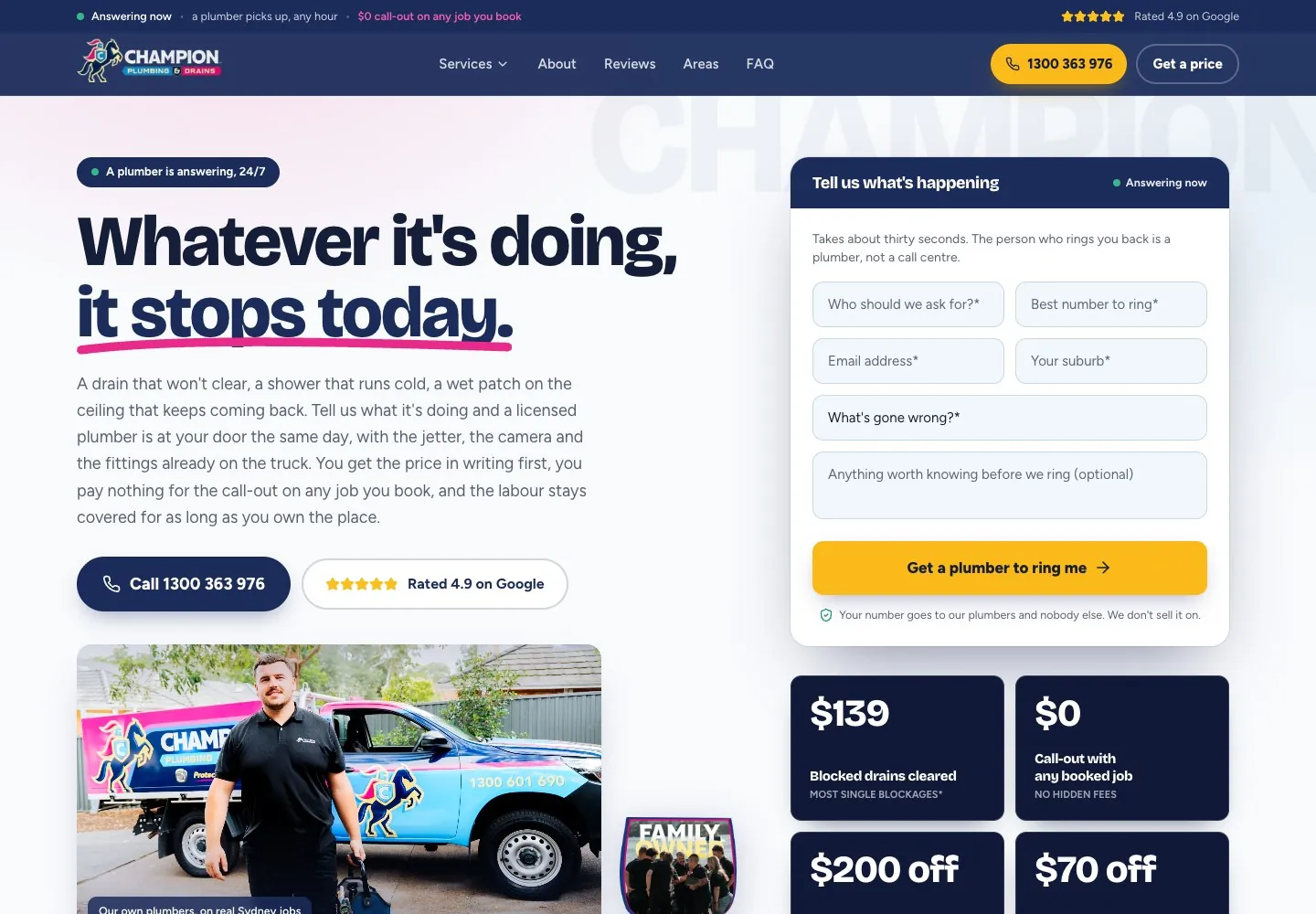
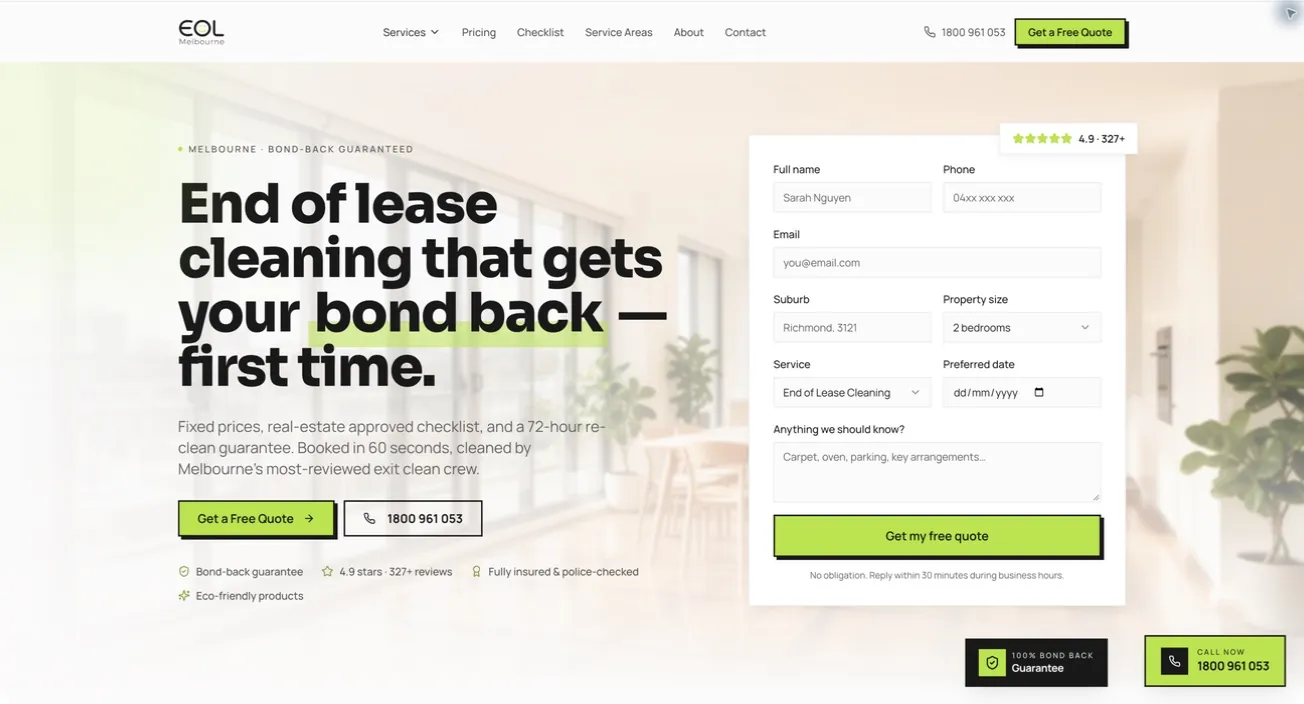
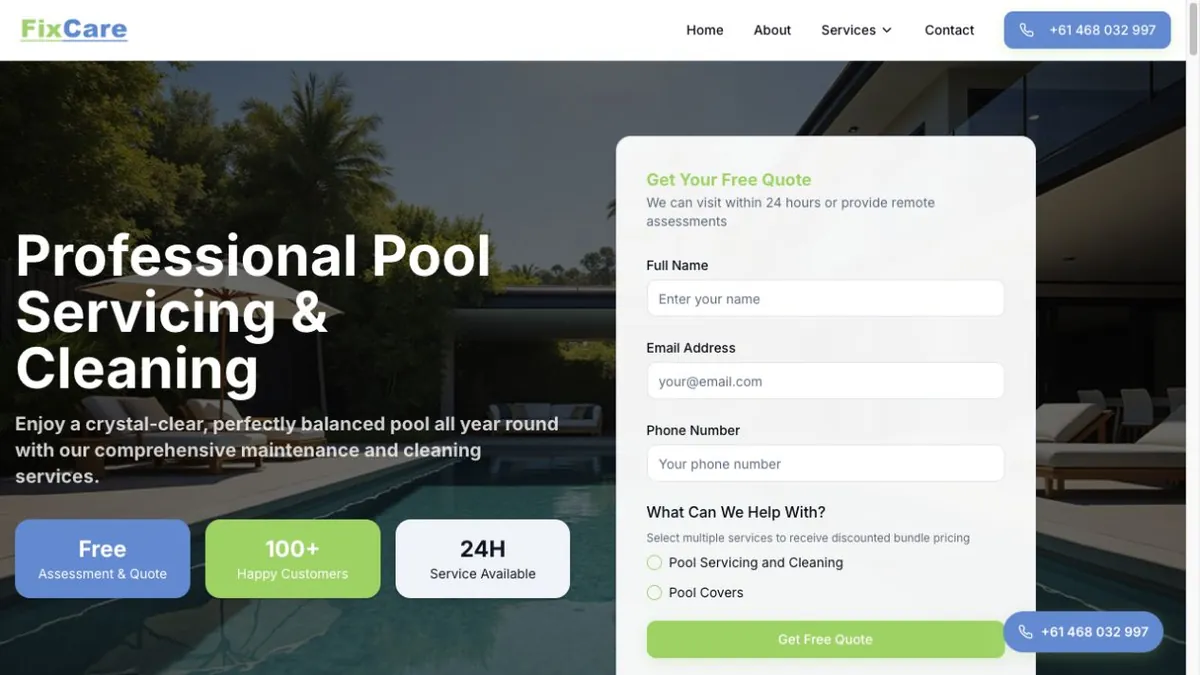
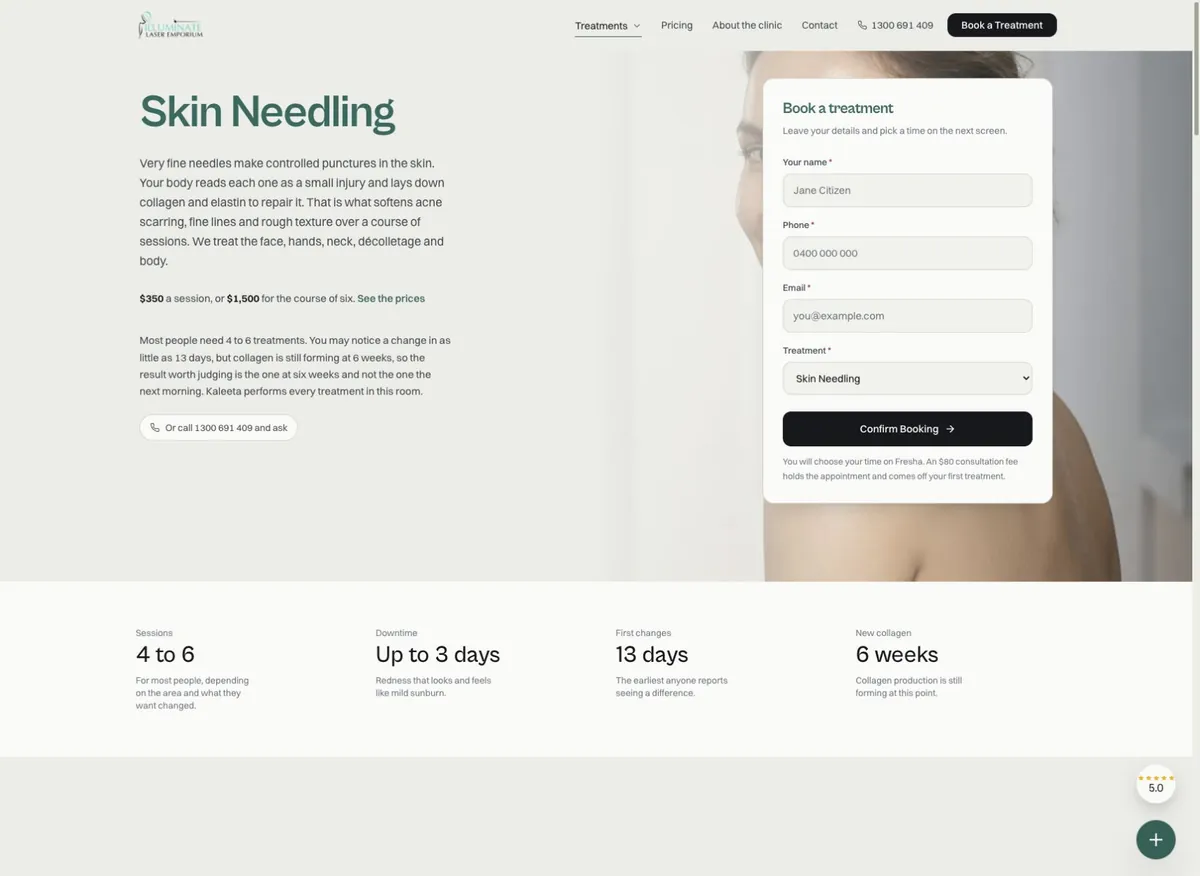
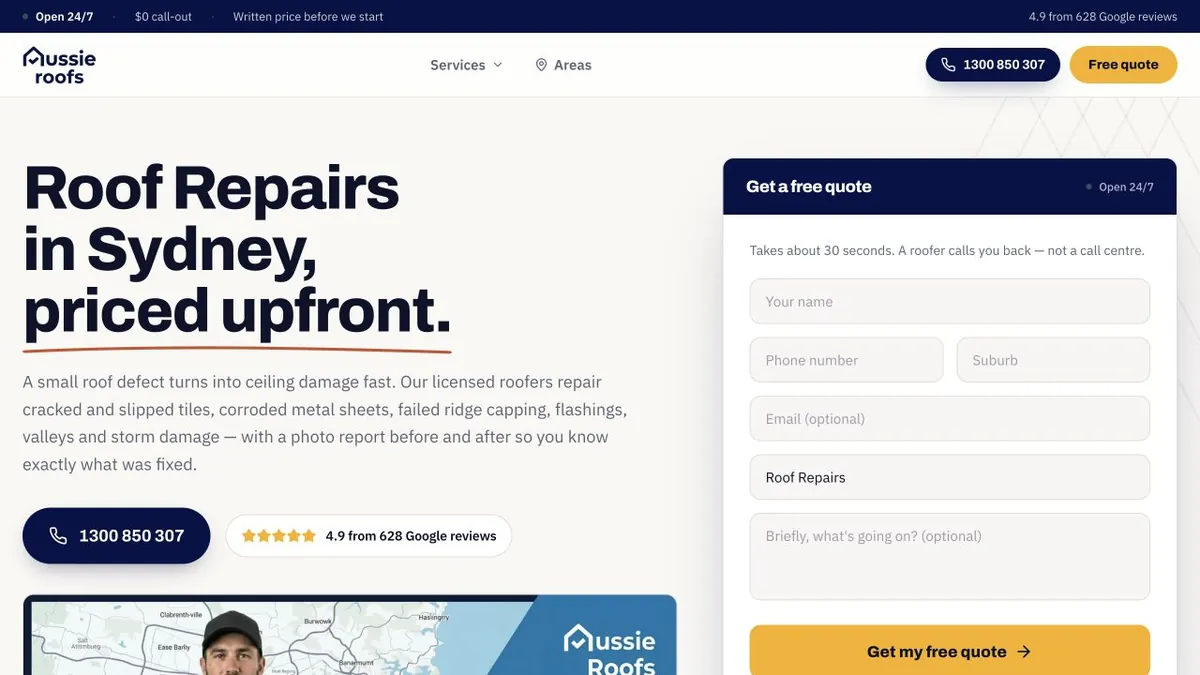
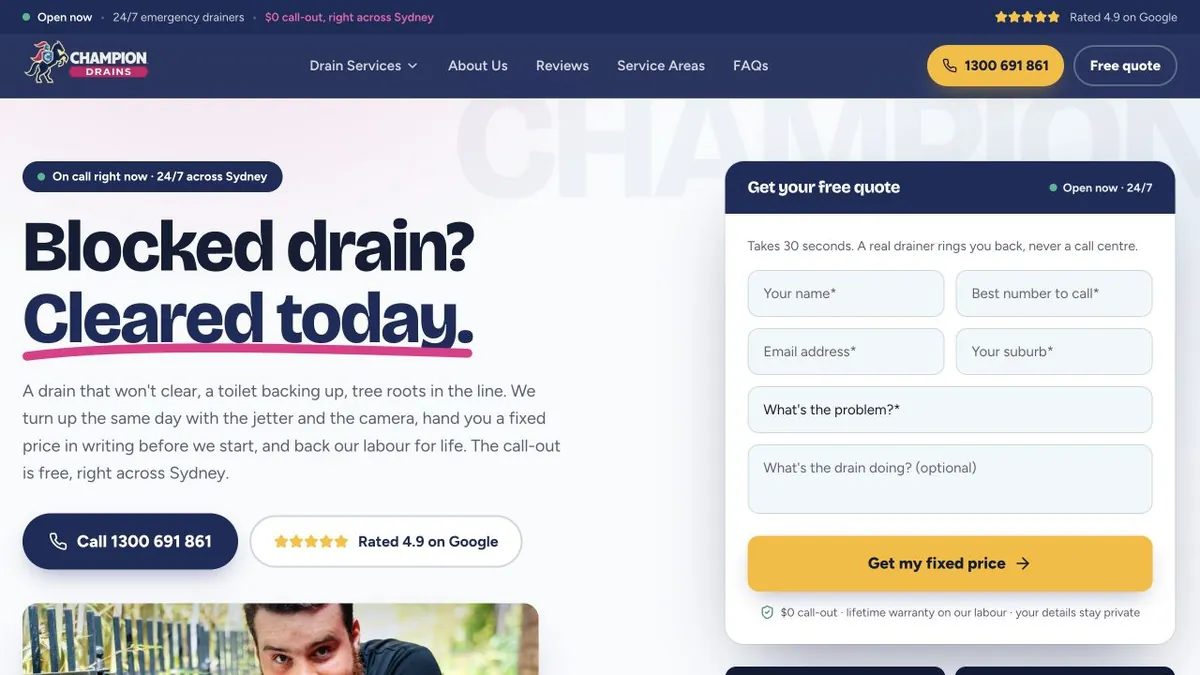
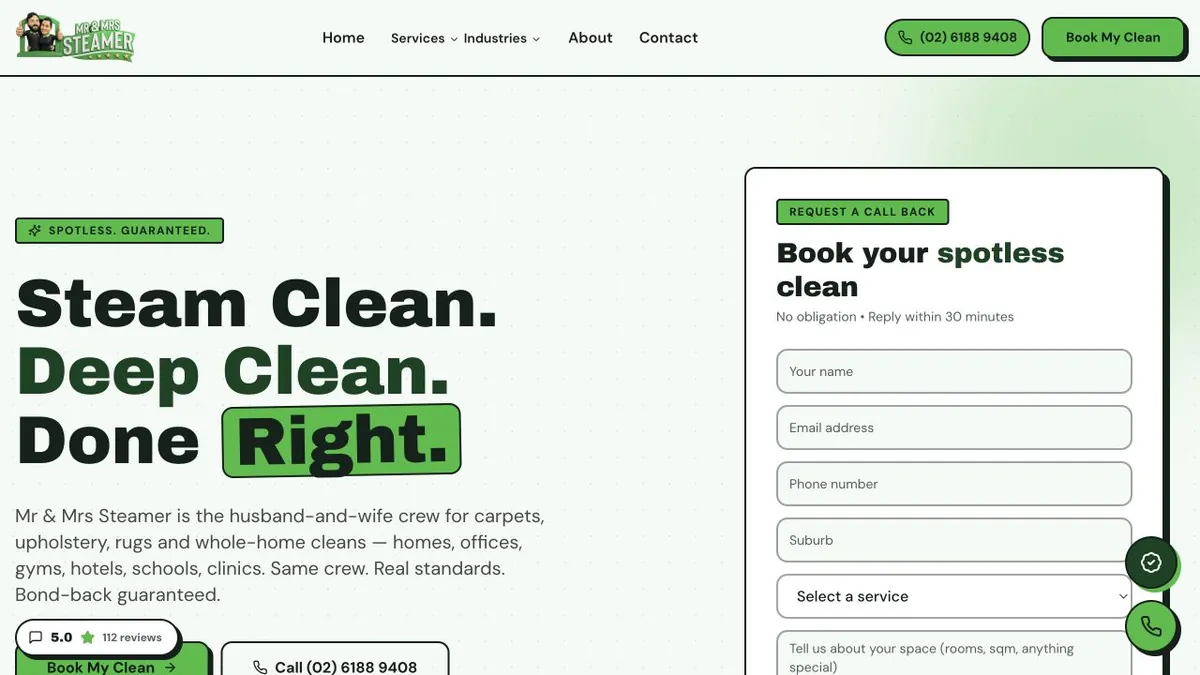
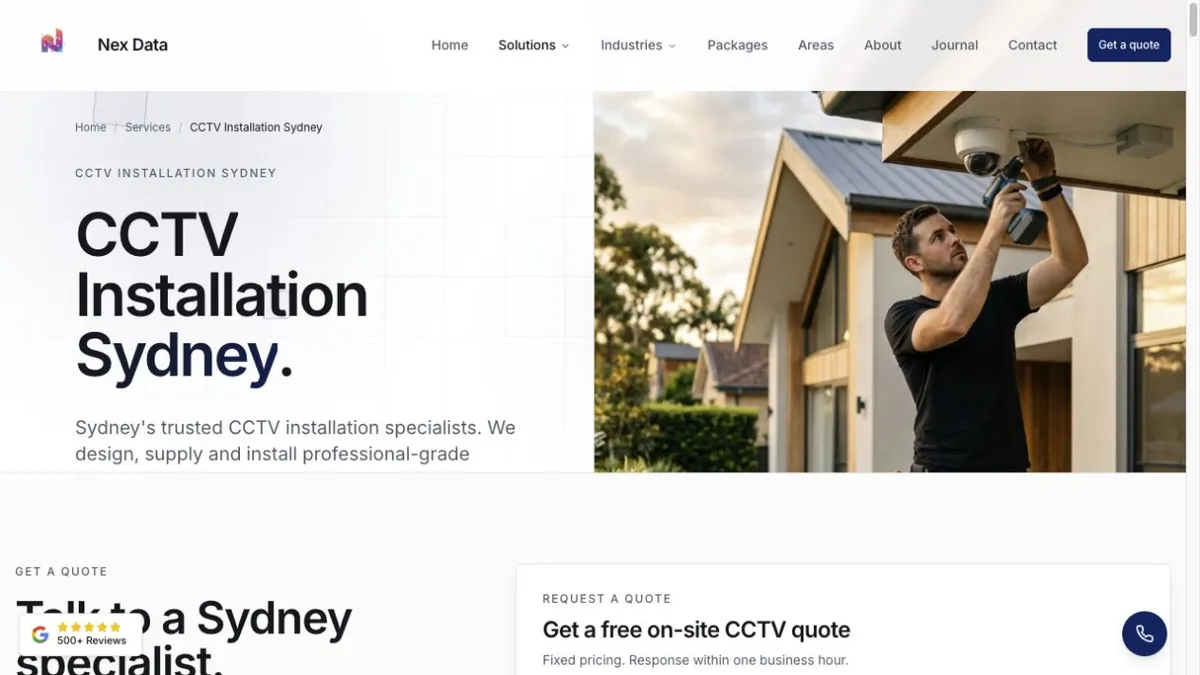
    Impress Blinds — cost per enquiry down 62.63%, $23.6 to $8.82SLS Solicitors — cost per enquiry down 58.48%, $84.64 to $35.14FixCare Property — cost per enquiry down 56.36%, $35.24 to $15.38Rubbish Removal WA — cost per enquiry down 53.18%, $71.02 to $33.25Floral Cakery — cost per enquiry down 49.82%, $13.83 to $6.94ILLUMINATE Laser Emporium — cost per enquiry down 48.54%, $138.65 to $71.35Aussie Plumbing — cost per enquiry down 41.96%, $117.75 to $68.34Sydney Fence Painting — cost per enquiry down 33.68%, $136.62 to $90.61Alliance Plumbing — cost per enquiry down 29.6%, $81.26 to $57.21Gridless Build Solutions — cost per enquiry down 29.16%, $78.16 to $55.37FacilityWorx — cost per enquiry down 23.62%, $157.13 to $120.01Cornerstone Roofing — cost per enquiry down 20.47%, $41.71 to $33.17A council finance platform — 194 of 194 requirements metA council finance build — 14 weeks to UAT, −34% 10-yr costA cultural institution — $634K of $750K kept workingA council platform — $470,106 built vs $503,262 SaaSA federal agency — n=5,000 prevalence survey at ±1.4%A civic mural — 36 concepts for a 71m × 9m wallA regional shire — 32-page visitor guide, 3 weeks earlyA shire council — one platform retiring 8 of 9 vendorsA pressure washing business — 138 jobs at A$20.43 eachA pressure washing business — 21.20% conversion rateA carpet cleaner — 53 jobs in 15 days at A$24.92 eachA roofing company — 68 quote requests in 35 daysA CCTV installer — 39 qualified leads in 15 daysA fence painter — 36 jobs in 24 days, quotes by day 3A maintenance business — live in 8 weeks, 3 stacks gone41 numbered clauses, published in full5.0 across every Google review$120M+ in media under management250+ active engagements across five countries

    Google Analytics 4 Know what happened after the click.

    Analytics counts actions, not arrivals. Configured properly it will tell you which channel produced last month's customers and where the rest of them gave up. Left on its defaults it will only ever tell you how busy you were.

    The property stays in your name, with its full history · Conversion values taken from your own job sizes, never from a benchmark

    The default install

    Installed is not
    the same as set up.

    Seven things we find in almost every account we inherit. Each one is quiet — the reports keep producing numbers throughout, which is exactly why nobody goes looking.

    • It was installed and never configured

      Out of the box it counts page views, scrolls and outbound clicks. It does not know what a quote request is, what a booking is worth, or that your phone is where the money comes from.

    • Nothing is marked as a conversion

      Without that, the reports are a traffic log. Google's bidding has nothing to optimise toward, and you have no way to say which channel produced a customer rather than a visit.

    • Every conversion is worth the same

      A newsletter signup and a four-thousand-dollar job in one column, no values attached. The bidding then chases whichever one is cheapest to get.

    • The tracking codes on your links are a mess

      Half the campaigns tagged, half not, and three different spellings of the same source. Everything ends up in the bucket marked “direct”, which explains nothing.

    • It cannot follow people across your own domains

      A booking system or a checkout on a different address restarts the visit, so the sale gets credited to your own website rather than to the ad that paid for it.

    • Bots and staff are counted as customers

      Internal traffic, a monitoring service and a scraper all logged as visits. On a low-traffic site that is enough to move every number on the page.

    • The reports nobody asked for are the only ones there

      Twenty screens of platform defaults and not one that answers “where did last month's customers come from”. So it gets opened twice and never again.

    The one idea

    It counts actions, not arrivals.

    The old version of Google Analytics counted visits. This one counts things people did. That single change is what makes it useful — and it is also why an account left on its defaults tells you almost nothing.

    • A quote form was submitted

      The most valuable single line in most accounts. Marked as a conversion, with the service asked about attached to it.

    • The phone number was tapped

      On a mobile this is the sale for most trade and service businesses. Counted as its own thing, never lumped in with form fills.

    • A time was booked

      A booking is a different commitment to an enquiry, so we count it as its own thing and weight it differently in the bidding.

    • An order was placed

      With what it was worth, so the reports can show revenue rather than a count — and so the platforms can bid for revenue too.

    • A live chat was started

      Often the biggest blind spot on a service site. If nobody wired the chat widget in, a whole channel is invisible.

    • Somebody read the whole page

      Not a conversion, but the honest measure of whether the page you paid to send people to actually held them.

    Then a handful of those get called conversions.

    A conversion is an action that means a customer. Marking everything as one is the same as marking nothing, because the automated bidding can no longer tell a booked job from a scroll — and it will always go and buy you more of whichever is cheapest.

    So we mark few, attach real values taken from your own average job size, and let the platforms bid toward money rather than toward movement. That is the whole argument for doing this properly, and it is worth more than every report on top of it.

    1. 01

      First click

      Somebody arrives from an ad, a search result or a link on somebody else's page.

    2. 02

      Where they came from is kept

      That source travels with them instead of being lost on the second page.

    3. 03

      They do something

      A phone tap, a quote form, a booking. This is the part a visit count misses.

    4. 04

      It is named

      So it can be counted as itself rather than as one more page view.

    5. 05

      A few are called conversions

      Only the handful that mean a customer. Marking everything marks nothing.

    6. 06

      Booked job

      With a value from your own average job, so the bidding chases money.

    One continuous line, from a first click to a job in the diary. An arrival is not a customer — everything between those two ends is the difference, and all of it is counted.
    Three real accounts

    Cornerstone Roofing · 35-day period

    68

    Quote requests

    Insurance and cash enquiries measured as separate actions

    Pink Flamingo · Search

    21.20%

    Clicks that became jobs

    138 jobs in 41 days — a rate only worth quoting once the conversion is real

    Sydney Fence Painting · 24-day period

    36

    Jobs booked

    First quotes by day 3 · job type attached to every enquiry

    Figures are from live client accounts and are dated in each case study. They are what those campaigns did, in those markets, at those budgets — not a forecast for yours.

    Ten things happen on an analytics build. Here they are, in order.

    Four of these are about deciding what to measure and only six are about measuring it. That ratio is not an accident — it is the difference between a report and a decision.

    1. Write down what a customer is

      Before any setting is touched: the actions that mean money to you, and what each is worth on average. One page, in your language, signed off by you.

    2. Set the property up correctly

      Time zone, currency, data retention and the reporting identity settings. Dull, five minutes, and wrong on a startling number of accounts we inherit.

    3. Turn each action into a measured event

      Forms, phone taps, bookings, chats, orders. Each named once, consistently, with the detail that matters travelling alongside it — service, suburb, value.

    4. Mark the ones that count as conversions

      Only the actions that mean a customer. Marking everything as a conversion is the same as marking nothing, because the bidding cannot then tell them apart.

    5. Attach values

      From your own average job size, not from a benchmark. This is what lets you compare a channel producing many cheap enquiries against one producing few expensive jobs.

    6. Filter out what is not a customer

      Your own staff, your developers, known bots and monitoring services. On a lower-traffic site this alone can move the conversion rate by a meaningful amount.

    7. Fix the link tagging

      One consistent way of labelling every campaign, email and social link, so traffic stops disappearing into “direct” and you can see what each channel actually did.

    8. Join up your other domains

      Booking systems, checkouts and portals stitched into the same visit, so a sale is credited to the ad that started it rather than to your own homepage.

    9. Connect it to the ad platforms

      Conversions and audiences shared with Google Ads so bidding reads the real thing. Until that link exists, the account is optimising toward whatever it was left counting.

    10. Build the two reports you will actually open

      Where customers came from, and where people give up. Everything else is available if you want it, but those two are the ones that change decisions.


    How the build runs

    And then a wait nobody can shorten.

    1. Week 0

      The audit

      We open the property and check what somebody marked as a conversion, what is getting filtered out, how the links are tagged and whether the numbers could possibly be true.

    2. Week 1

      The measurement plan

      The actions that count, what each is worth and what detail travels with it. Agreed with you first, because we cannot guess what a customer is worth to your business.

    3. Weeks 1–2

      The build

      We build the events, conversions, values, filters, link tagging and cross-domain through the tag container, so we can test every piece of it and roll any of it back.

    4. Go live

      The proving run

      Real enquiries pushed through every path and watched arriving in the debug view, then again in the live reports the next day. Two people sign it off.

    5. Weeks 3–6

      Reconciliation

      Reported conversions checked against what actually happened in your business. Analytics will never match a CRM exactly, and we will explain the gap rather than hide it.

    6. From there

      Rhythm

      Checked every reporting cycle and re-tested whenever the site changes. A redesign breaks measurement more reliably than anything else we see.

    Reports need real traffic through them before they mean anything. Anyone promising a useful read on week one is describing a screenshot, not a decision you could safely make.

    SoudCoh Compound™

    Analytics is where two of the six gates get inspected.

    Compound is how our team works on any account — six gates every change passes through. This is the one that decides whether a number is real, and the one that makes us say it out loud.

    • Meter

      If it can't be measured, it doesn't get bought.

      Analytics is where this gate is inspected. Before money moves we agree what a customer is, mark only those actions as conversions, attach real values, and prove each one with a live enquiry.

    • Statement

      A fixed cadence, good news or bad.

      The reports we build are the ones we then have to stand behind. That is deliberate: a number we cannot explain in a client's own language is a number we should not have put in front of them.

    FAQ

    Analytics, answered.

    Cost, timing, contracts, who owns the property, reporting, and what happens when the numbers still do not agree with your books.

    The first call is free and there is no deck.

    Ask us about your tracking

    The platform itself is free for the volumes almost every business we work with produces. What you are paying for is the configuration: agreeing what counts as a customer, building each of those actions as a measured event, attaching values, filtering out what is not real, tagging your links and building the two reports you will actually open. A single site with a form and a phone number is a much smaller job than a store with a checkout. For clients we run advertising for it is part of the engagement; standalone it is a fixed price quoted after a free audit.

    Usually about two weeks for a straightforward site, including the week spent agreeing what to measure before anything is configured. Then there is a wait nobody can shorten: the reports need real traffic through them before they mean anything, so the first genuinely useful read is usually around the four-week mark. Anything involving a checkout, a separate booking domain or a CRM that has to report back takes longer.

    No long-term lock-in. A measurement build can be a one-off project — you keep the property, the configuration and the documentation whether or not we work together again. Where it sits inside an ongoing engagement we ask for enough runway to be fair to the work, because a month of data is not enough to judge a channel by. The terms are put in front of you in plain English before anything is signed.

    You do. The property is created in your own account, or stays in it if it already exists, and we are added as a user rather than as the owner. If we part ways you keep the property, the full history and the documentation explaining what every event means. Nothing here is held hostage, and there is no version of leaving where you have to start collecting data again from zero.

    We keep working until they are explainable. Analytics will never match your accounting system exactly — a browser can be closed mid-form, a consent choice can block a measurement, a customer can call instead of clicking — and anybody who promises identical numbers is telling you something untrue. What we will do is reconcile the first month against what actually happened in your business, name every gap, and either close it or explain why it exists. An explained gap is a usable number. An unexplained one is not.

    Two reports you will actually open — where customers came from, and where people give up — plus a written summary on a fixed cadence, good news or bad. It covers what was spent, what it produced, what we changed and why, and what happens next, in the language you use about your own business. You also get live access to see performance for yourself, and documentation for what every number counts. No twenty-screen dashboard tour.

    The old version counted visits. This one counts actions. That sounds like a technical distinction and it is really a practical one: instead of knowing that five hundred people reached your pricing page, you can know how many read it properly, how many started the quote form, how many finished it, and which ad brought the ones who did. The catch is that almost none of that is on by default. The platform will happily run for years reporting page views and telling you nothing you can act on, which is the state most accounts we inherit are in.

    Because a page view tells you somebody arrived, not that anything happened. Two campaigns can send identical traffic and one of them produces jobs while the other produces nobody, and at the level of page views they look the same. Once the actions that mean money to you are being measured — a form finished, a number tapped, a time booked, an order placed — the comparison becomes obvious, and so does where to move the budget.

    Most customers touch you more than once. Somebody sees a Facebook ad on Monday, searches your name on Wednesday, and calls on Friday after clicking a Google ad. Deciding who gets the credit is what attribution means, and the platform can spread it across the touchpoints rather than handing it all to the last click. Our job is to make sure the inputs are honest: every campaign link tagged consistently, other domains joined up, and the model chosen to match how your customers actually buy rather than left on a default.

    Yes, and it is usually the single highest-value hour in the build. Once the accounts are linked, your real conversions feed Google's bidding directly — so the system is optimising toward booked jobs rather than toward whatever it was left counting. You can also build audiences from behaviour, so people who read your pricing page without enquiring can be followed up specifically. That loop between measurement and advertising is most of the difference between a campaign that performs and one that spends.

    Yes. We build the dashboards you actually need in Google's reporting tool, which pulls live from the property, and they can be shared with your team or emailed on a schedule without anybody needing access to the analytics account itself. For larger accounts the raw data can also be exported into a warehouse for deeper analysis. Most businesses never need that; the ones that do usually know it already.



    Yes, and it is the most common way this starts. We audit what is there first — what is marked as a conversion, what is being filtered, how links are tagged — and we do not delete history while we fix the configuration. Most properties do not need rebuilding, they need their conversions corrected, their filters applied and their link tagging made consistent. Occasionally starting a clean property is genuinely the better call, and if so we will show you why and run the old one alongside it for a while.

    Further reading

    Two of the reasons a GA4 report stops being trusted have briefings of their own: the single mis-fired tag that inflates every number you report, and why one sale can arrive as two, and what GST does to the value.

    Get the audit

    We open your property, check what is being counted as a customer, and tell you which of your numbers you can trust and which you cannot. Yours to keep either way.

    No pitch deck. No upsell. A real conversation and a written list of gaps.