    Proof
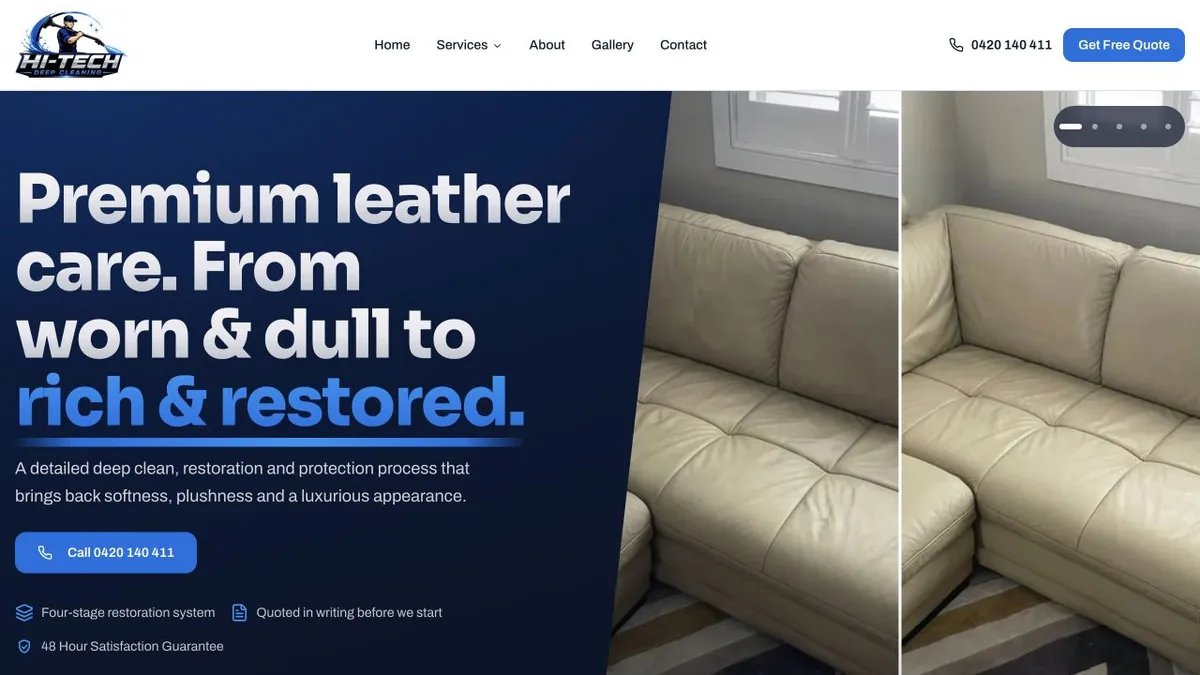
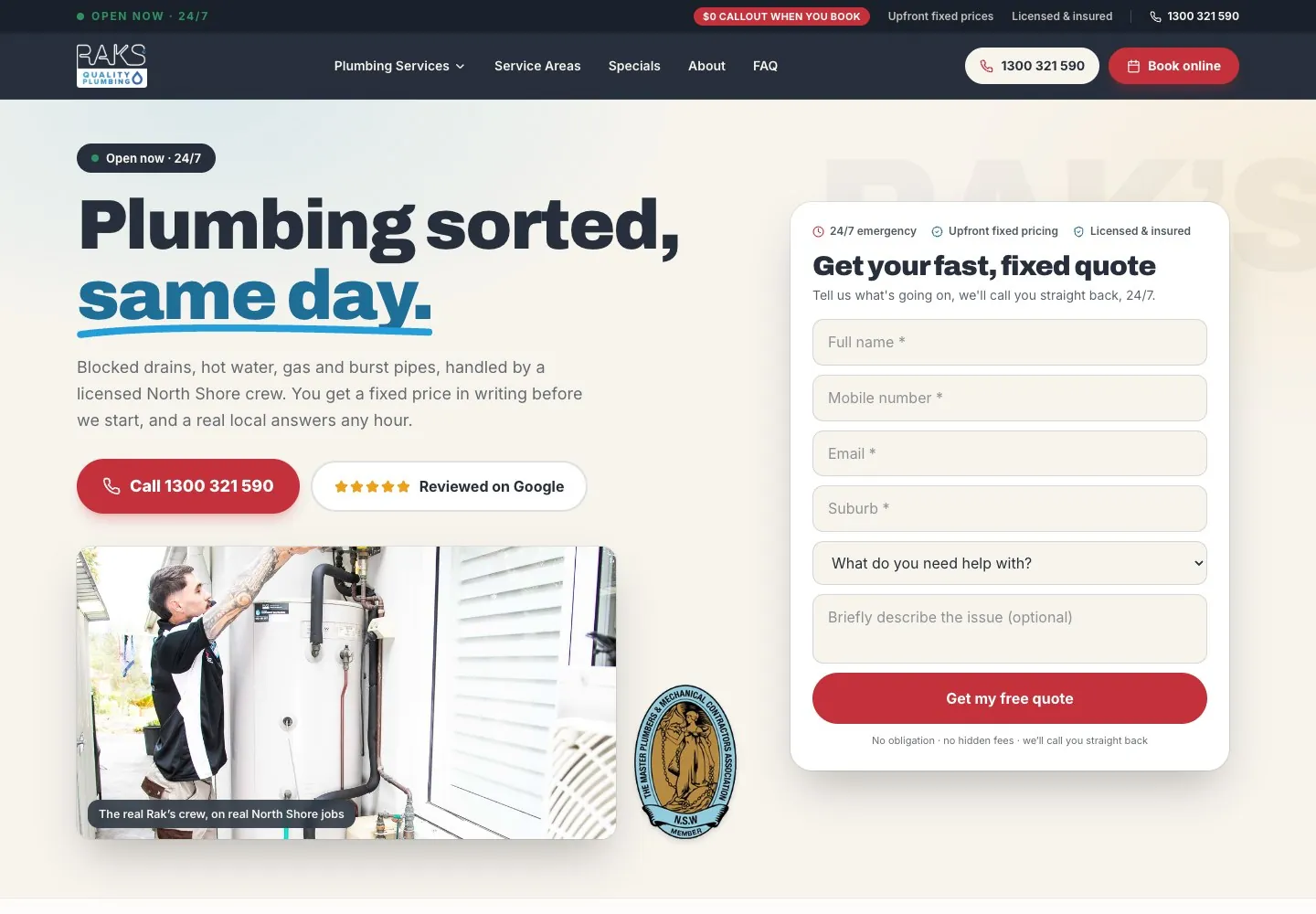
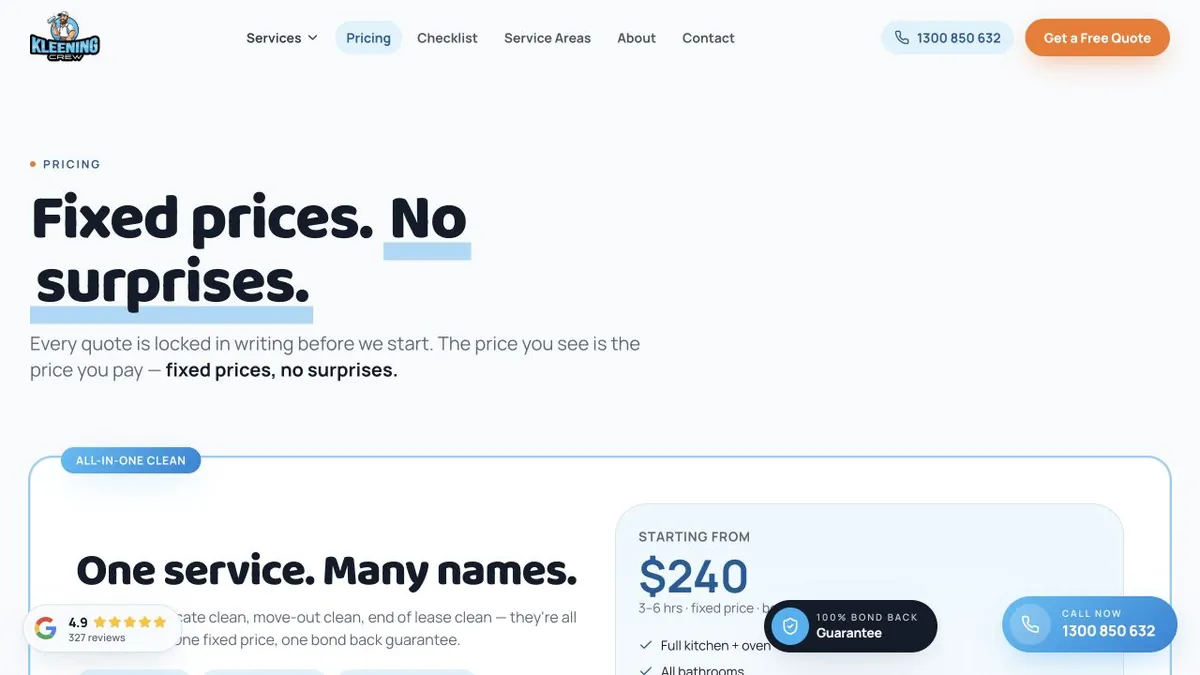
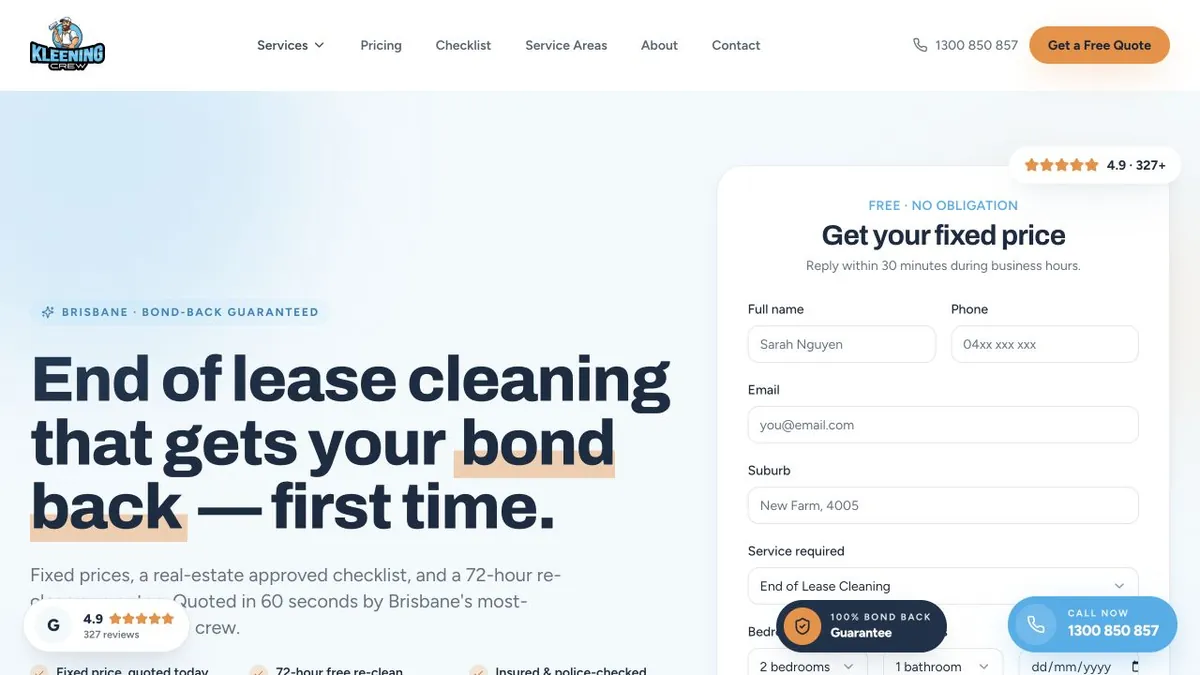
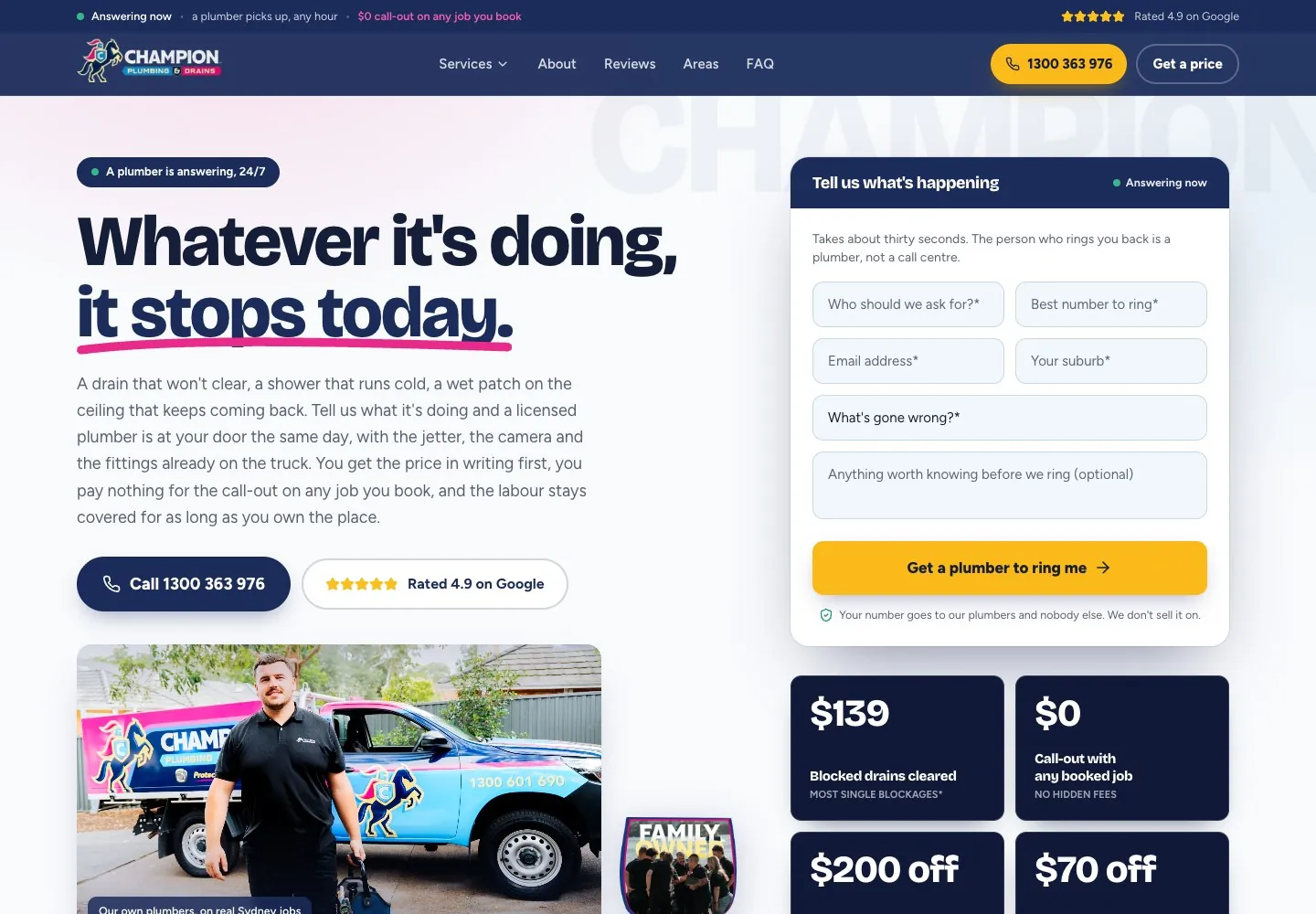
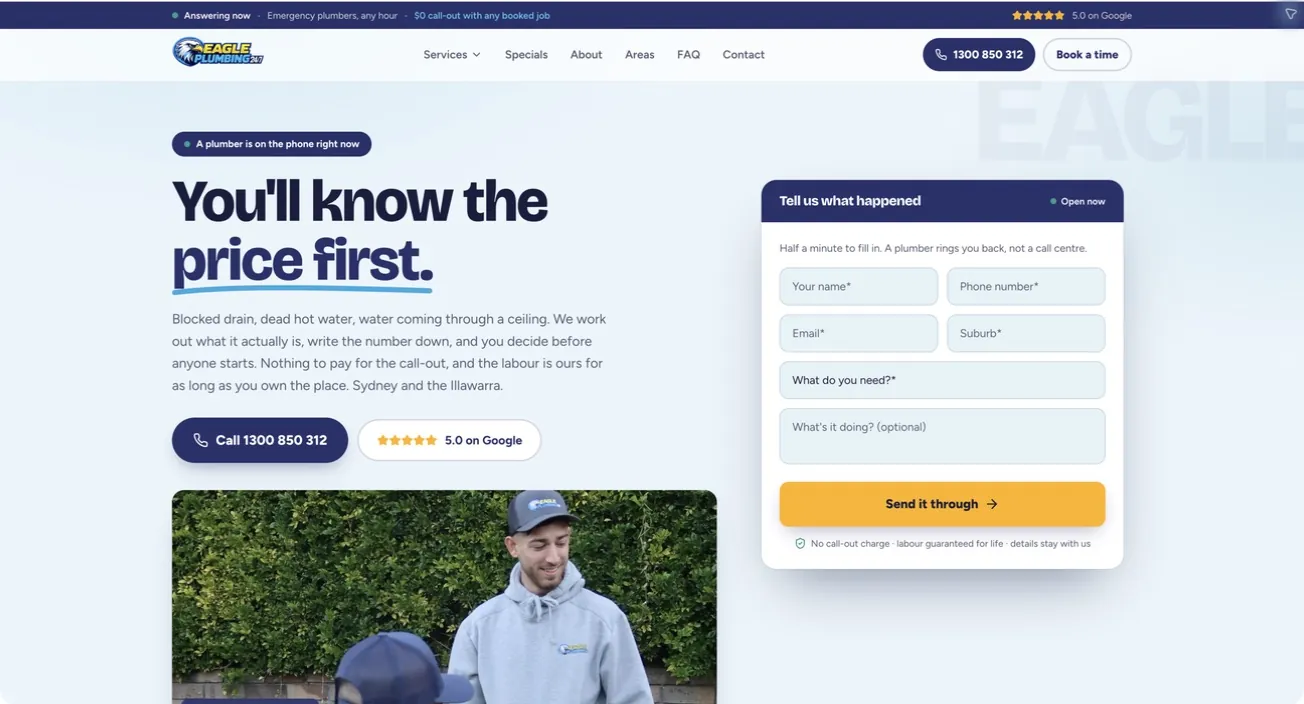
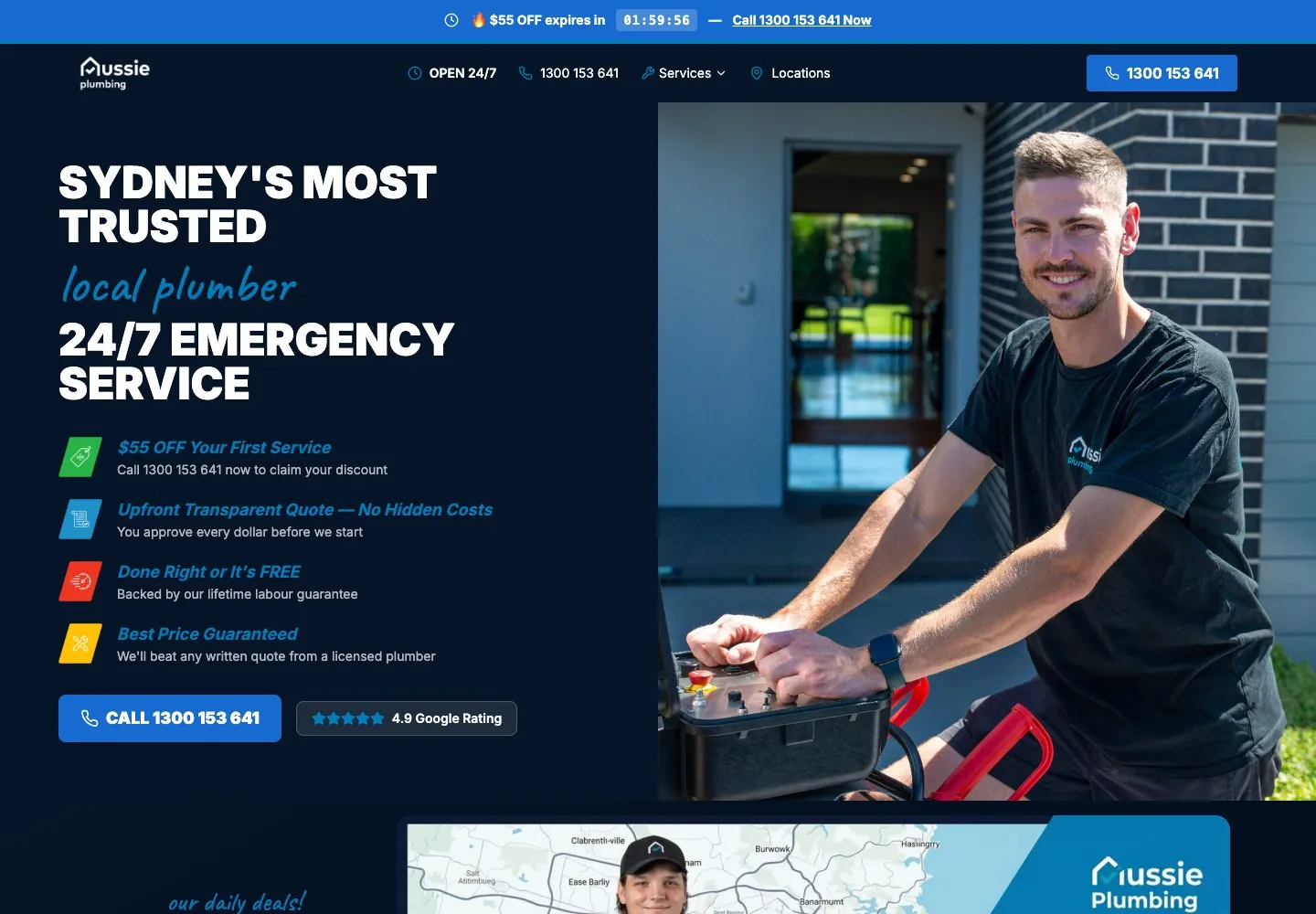
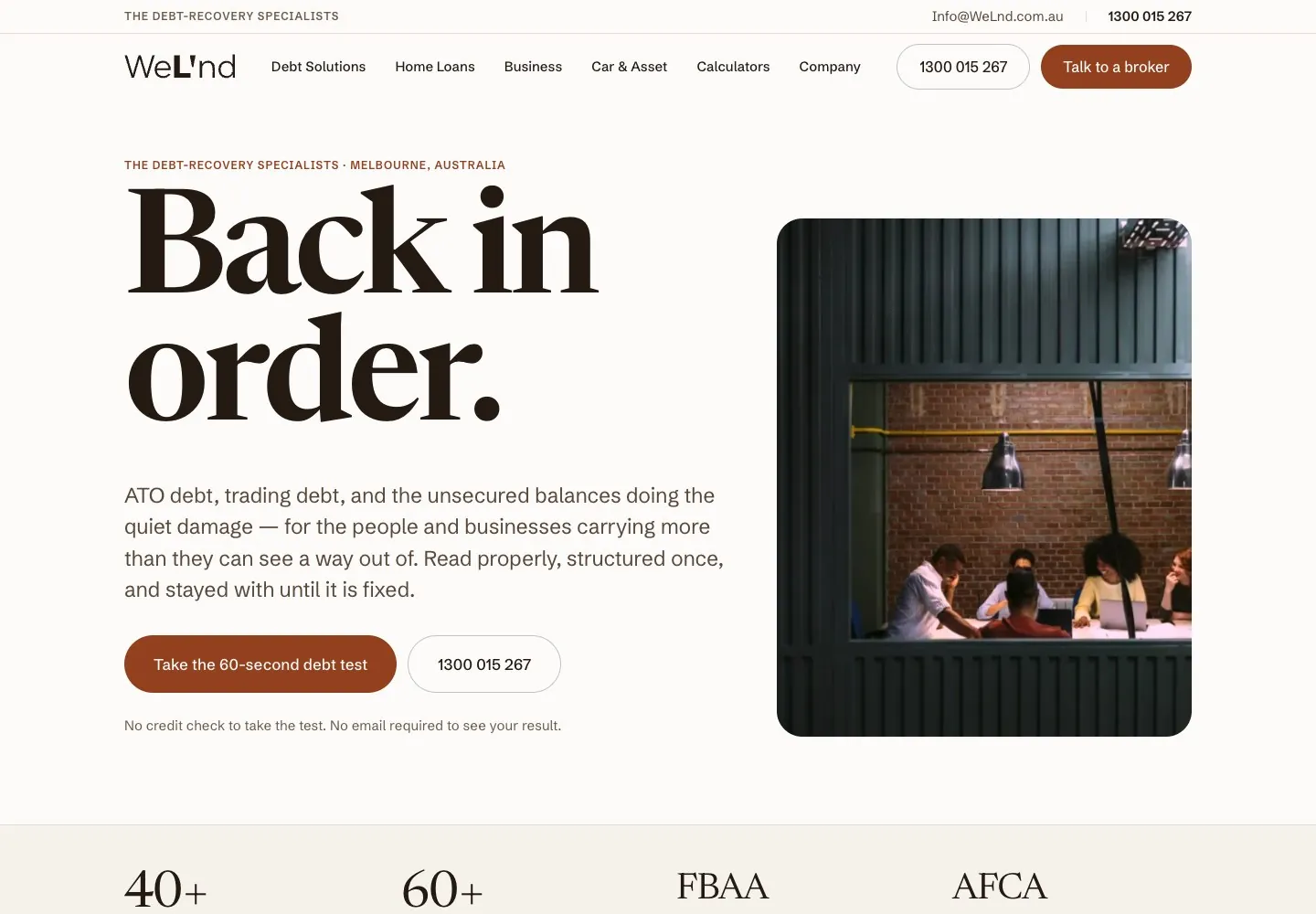
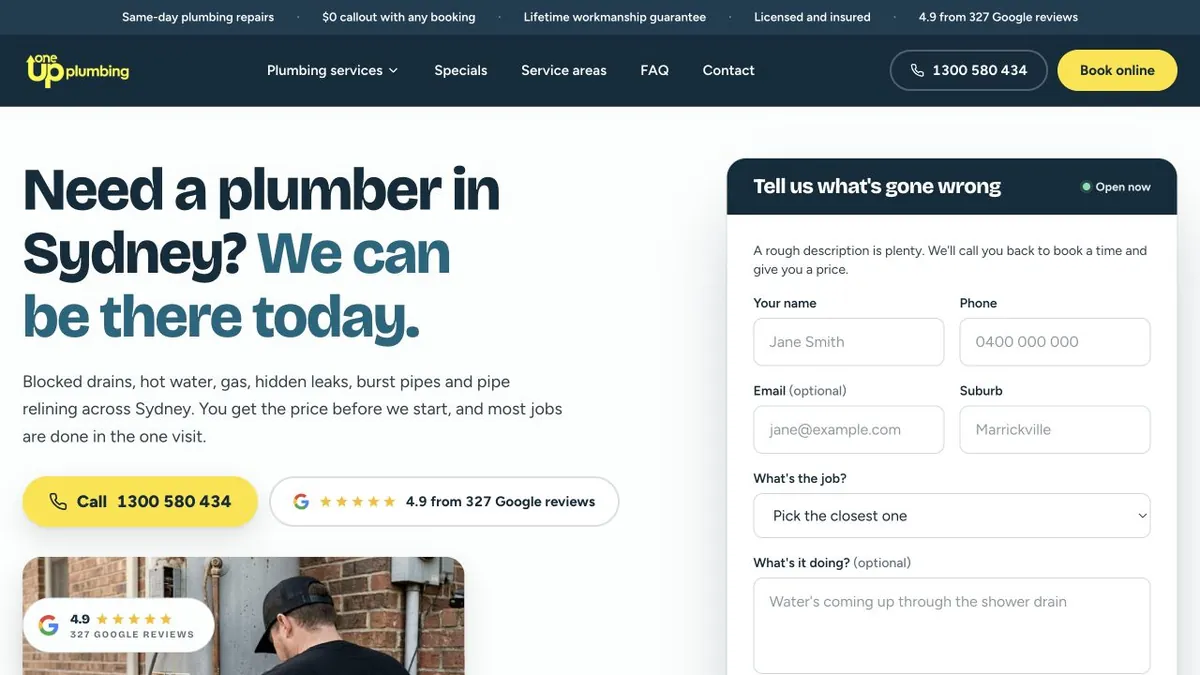
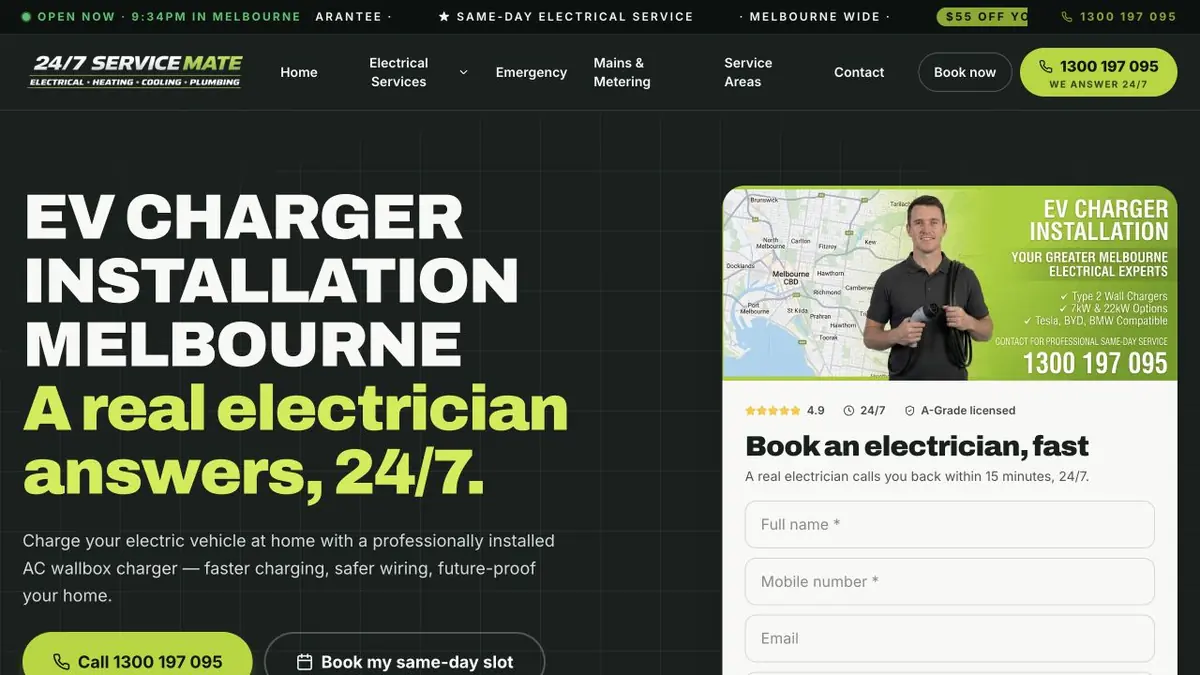
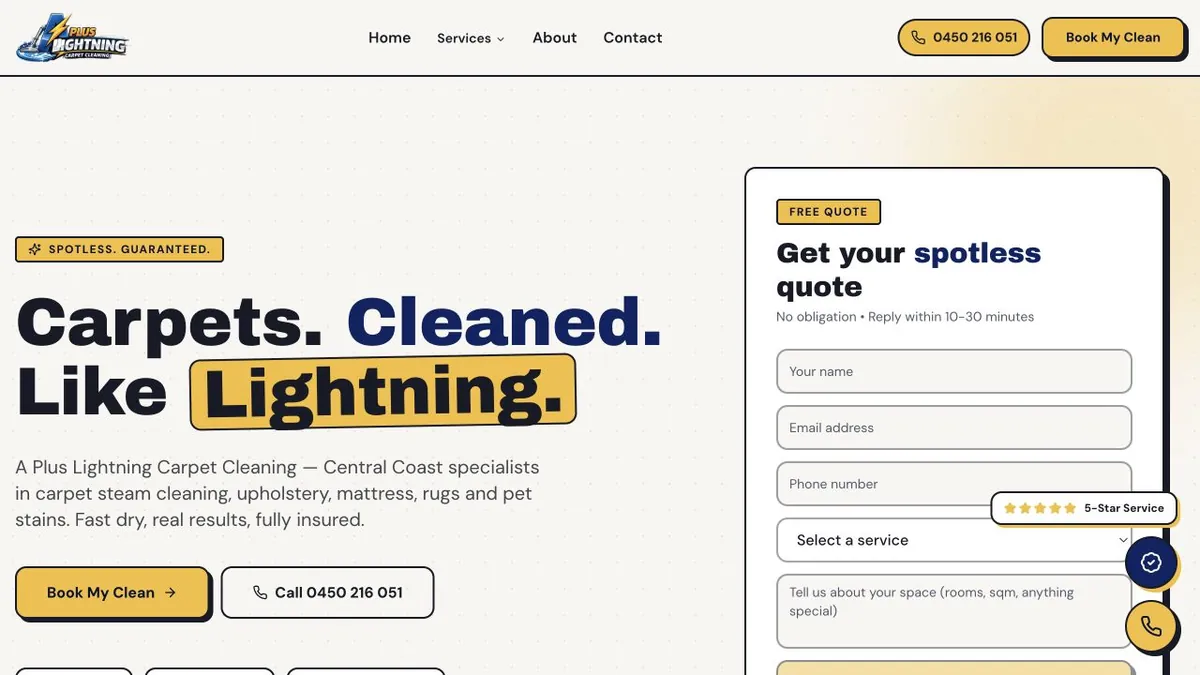
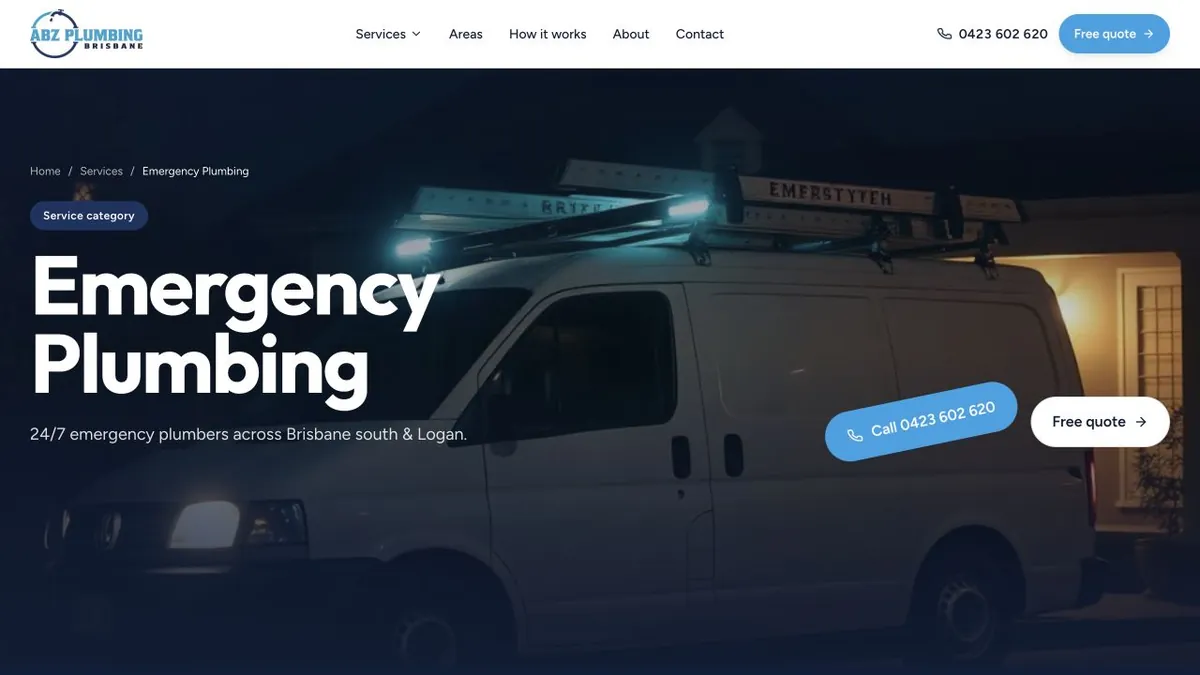
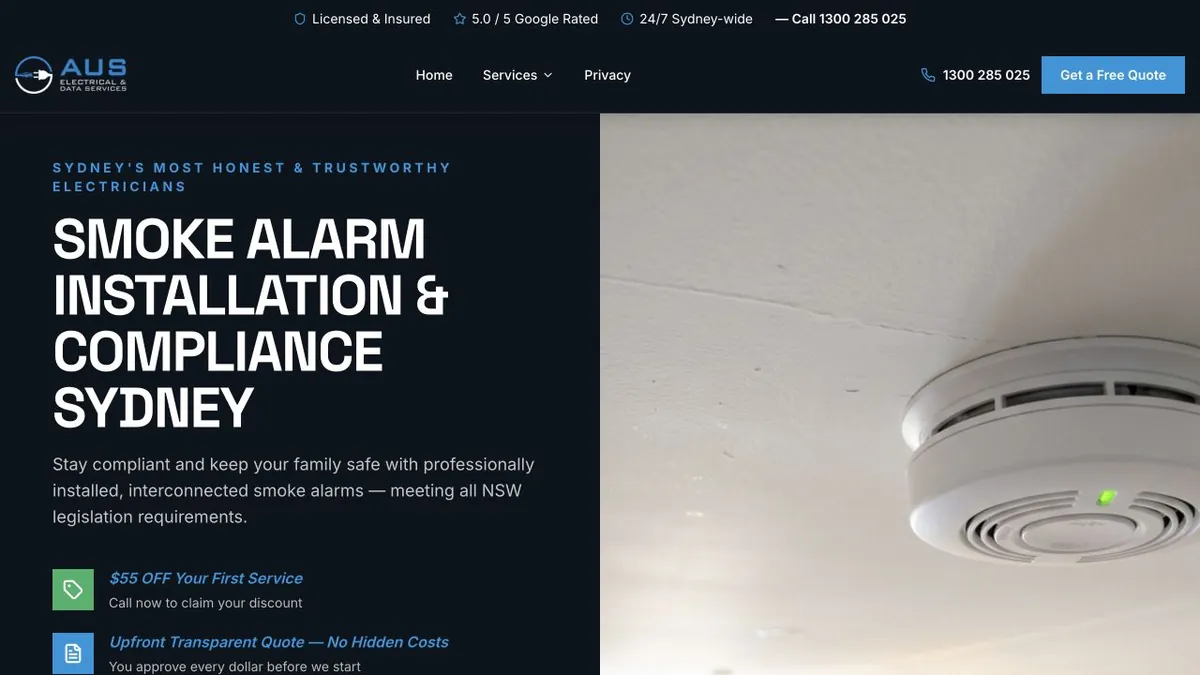
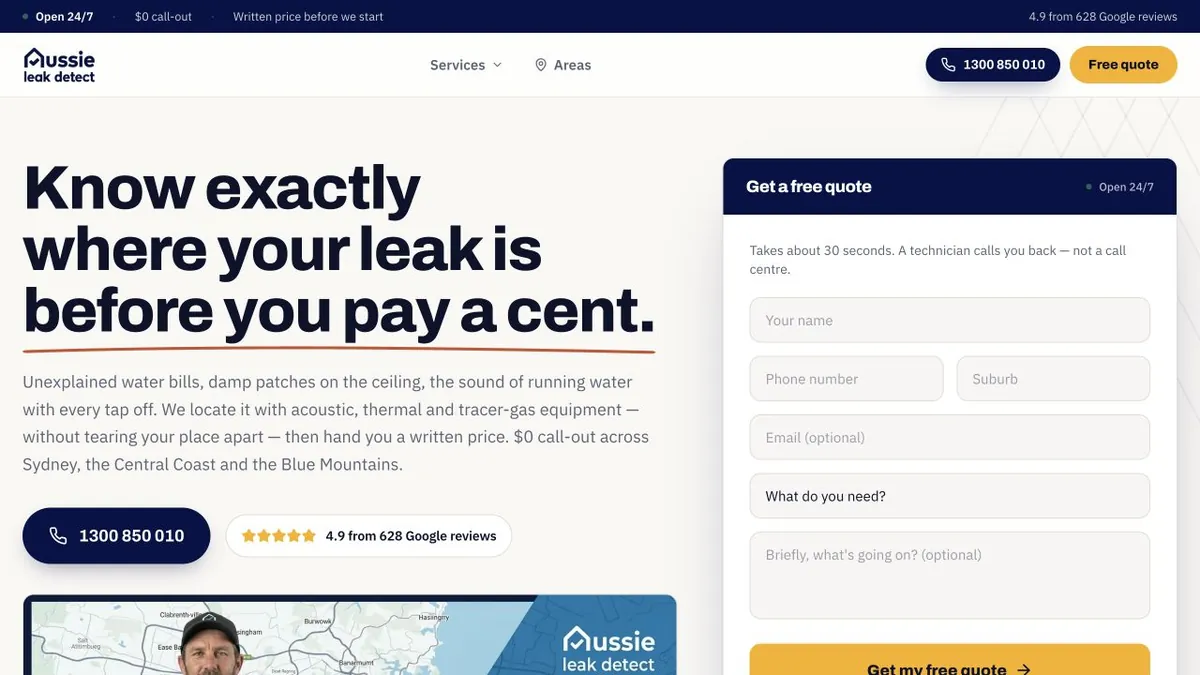
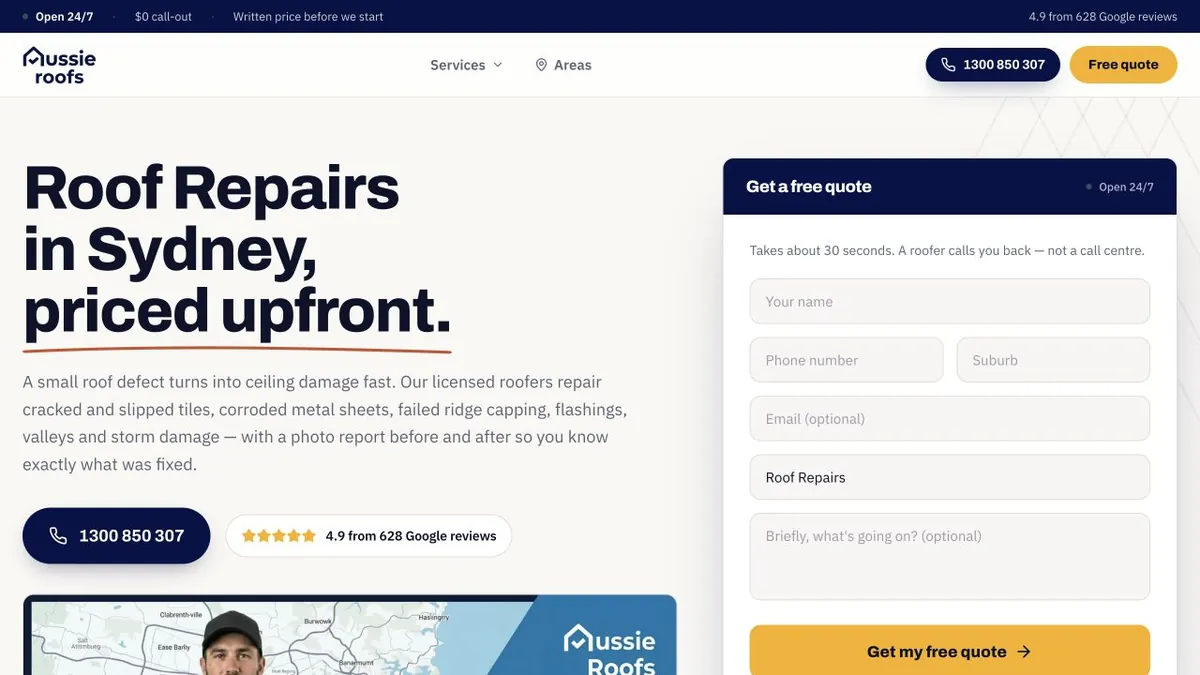
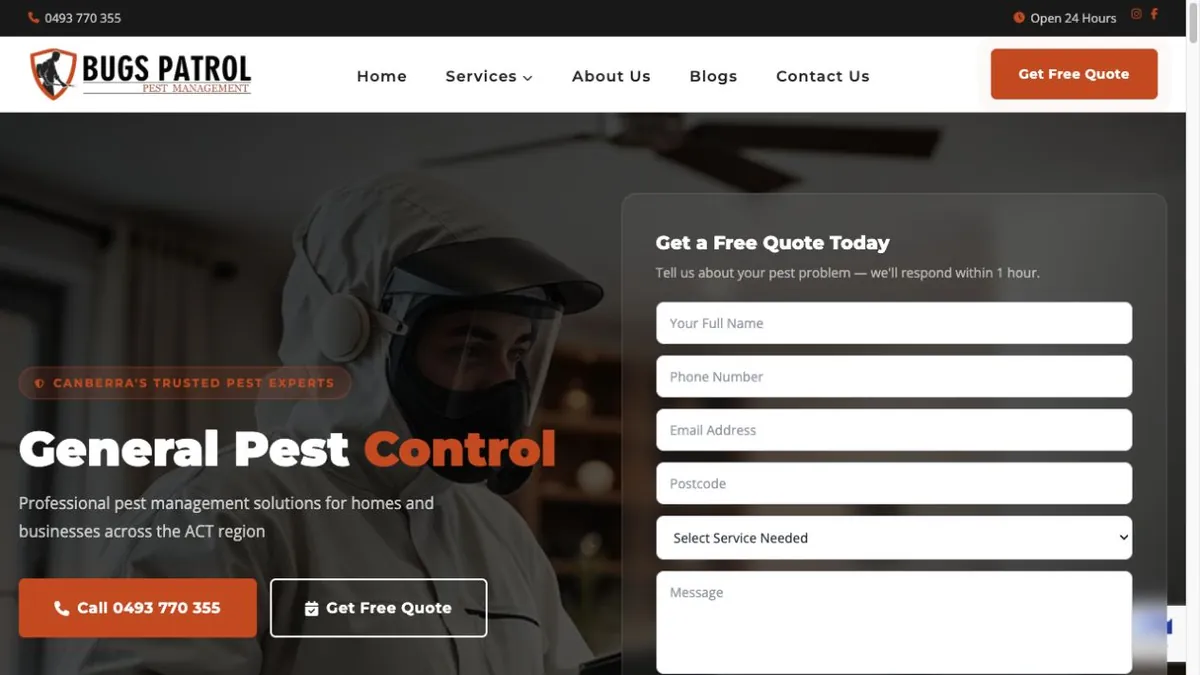
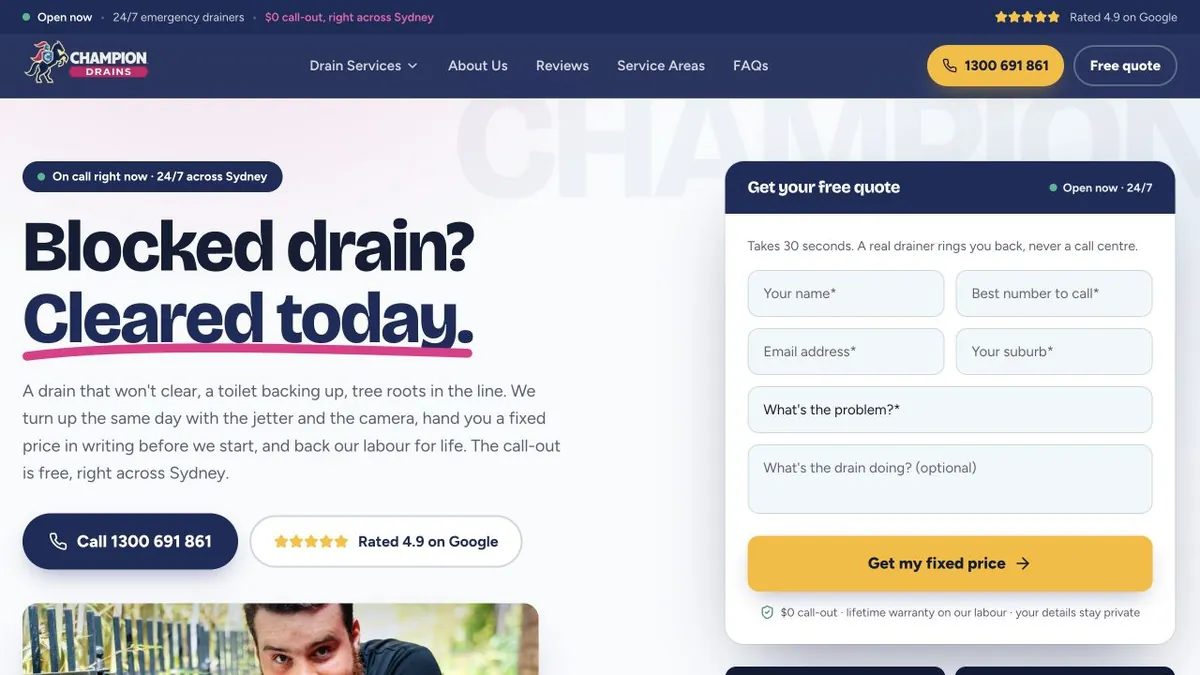
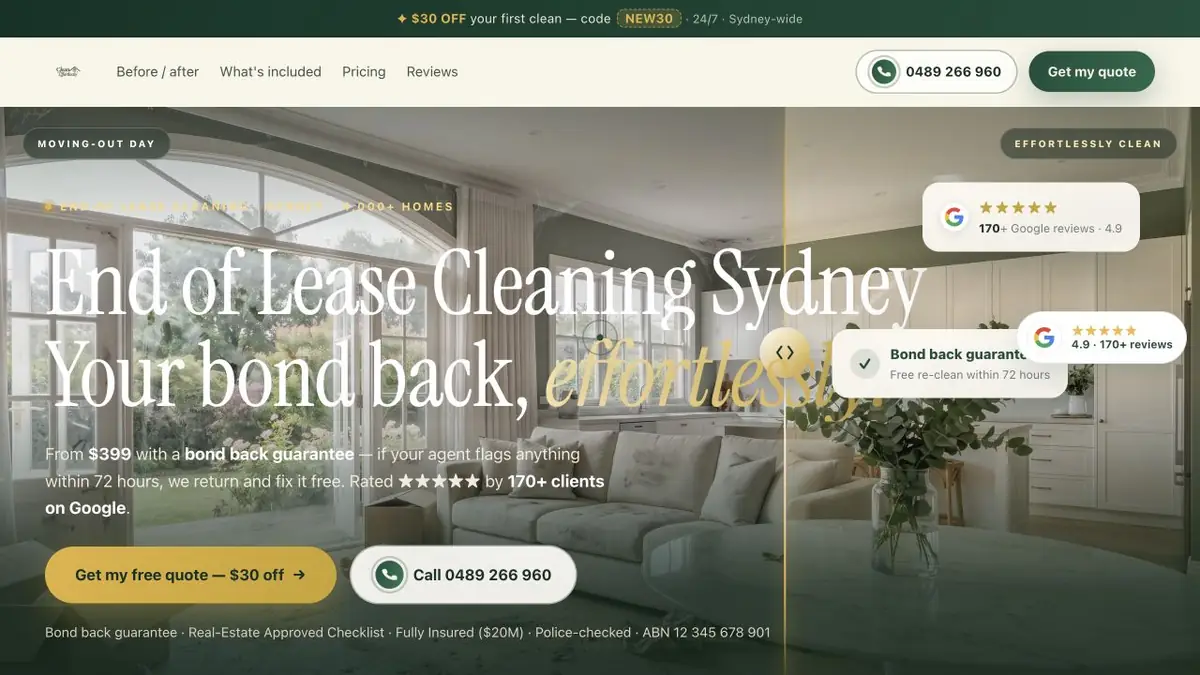
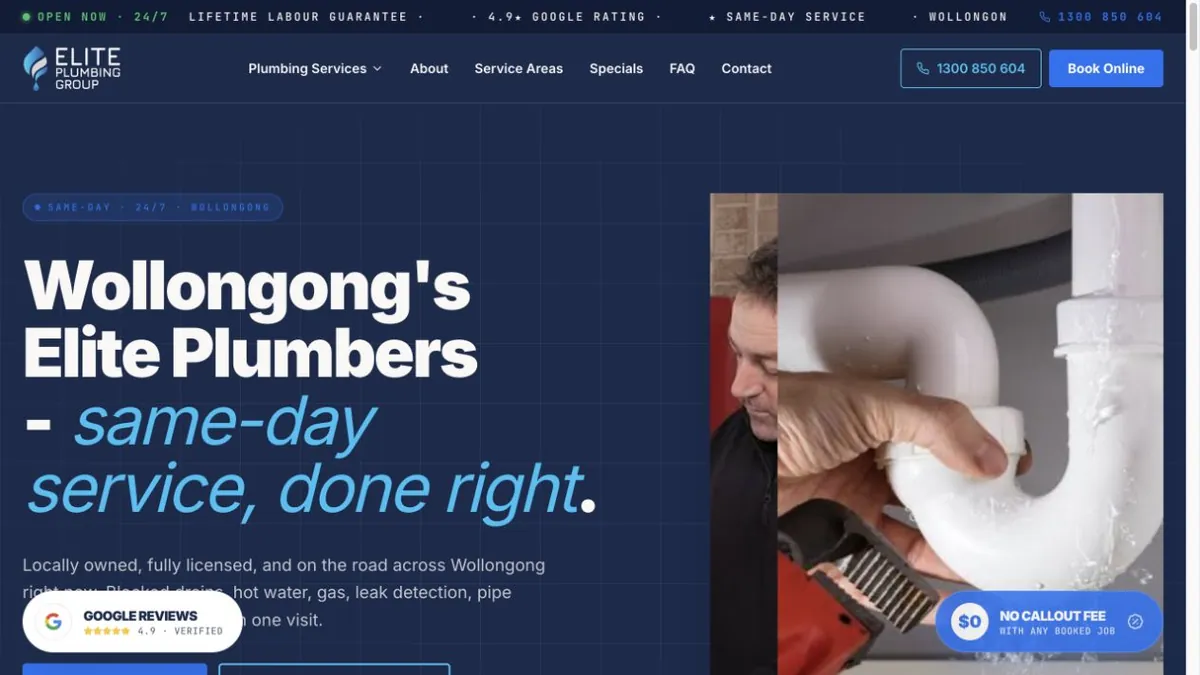
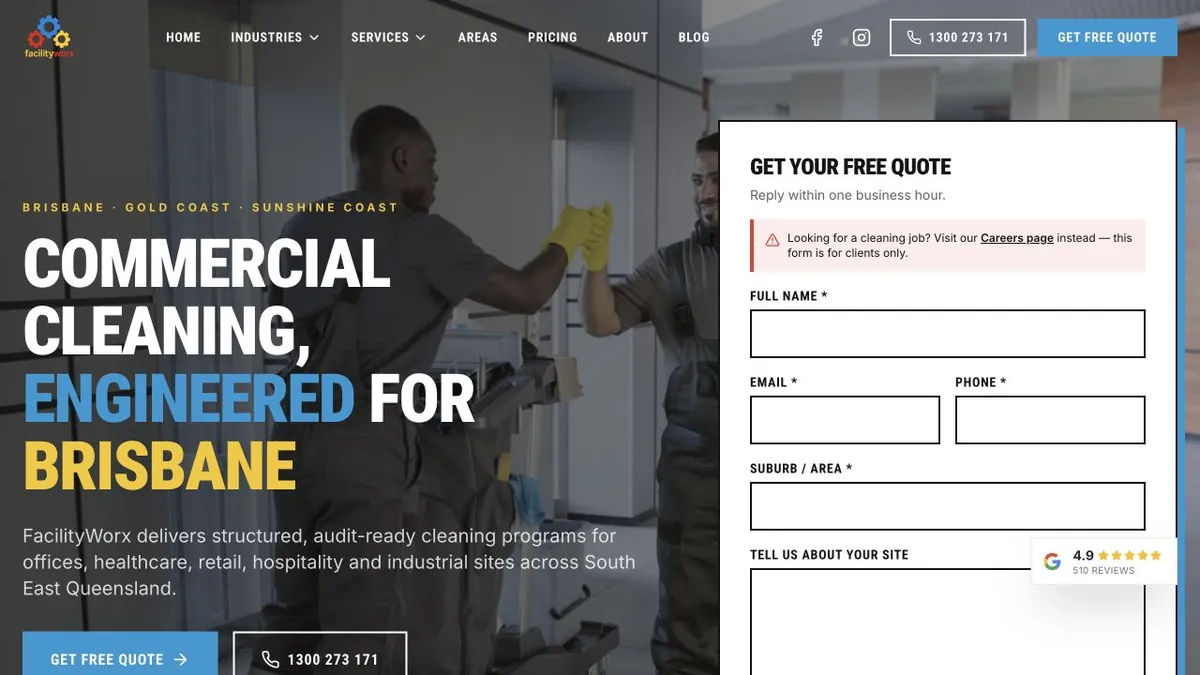
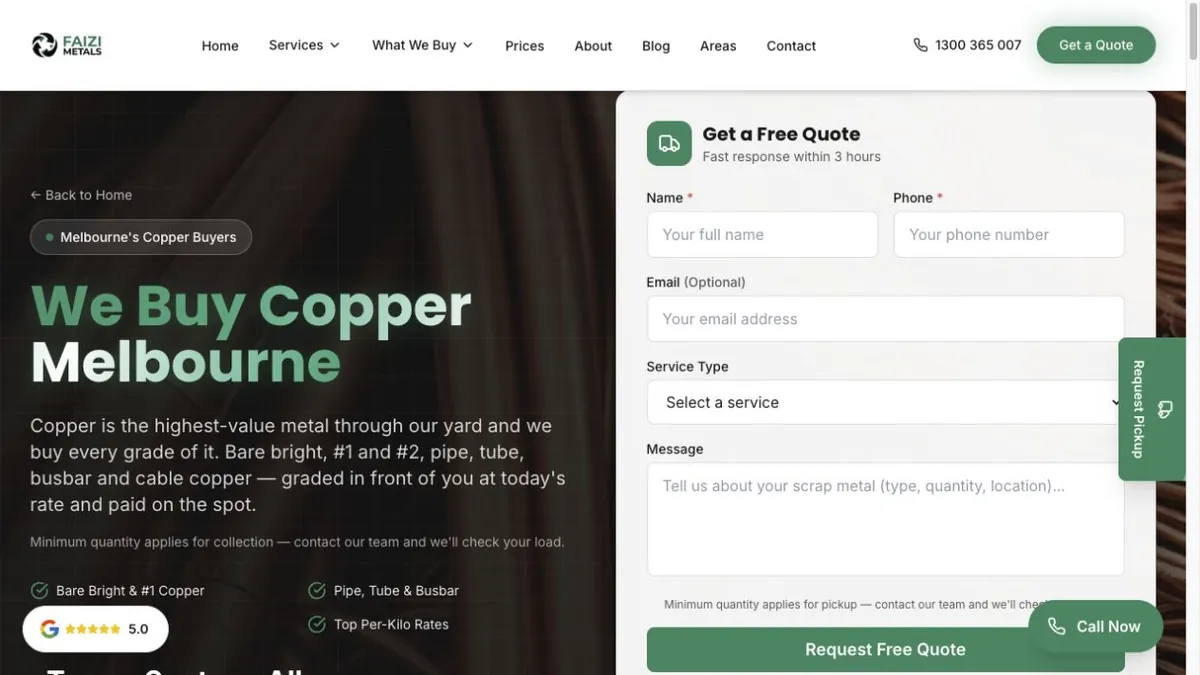
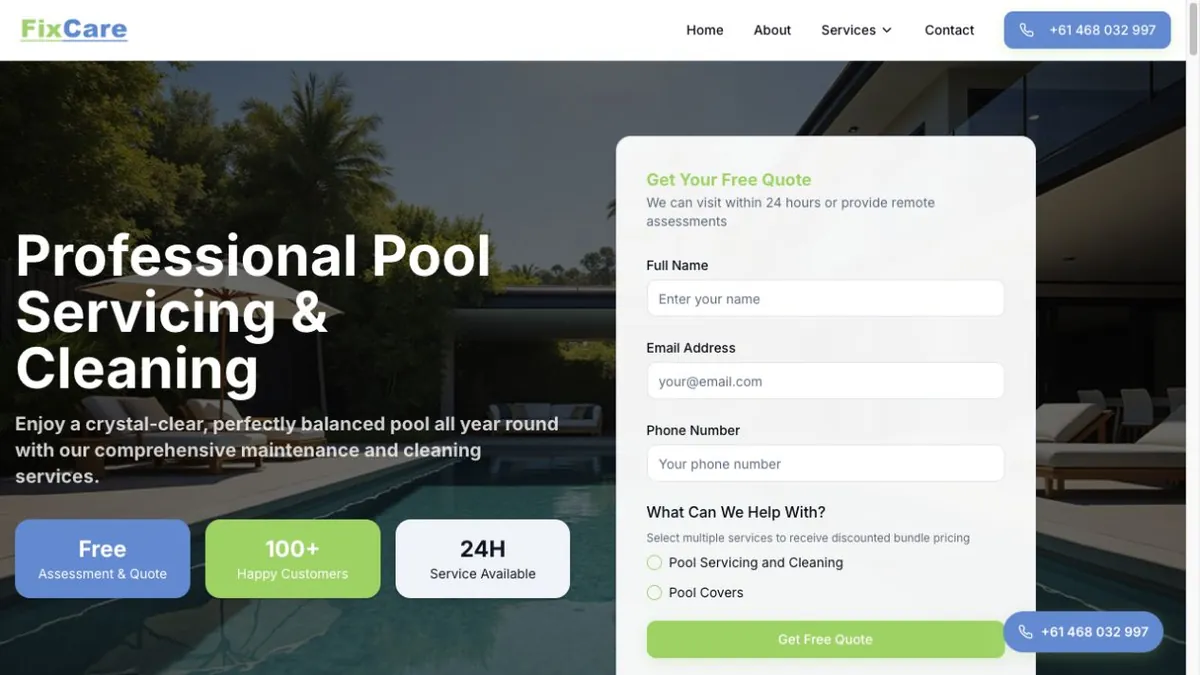
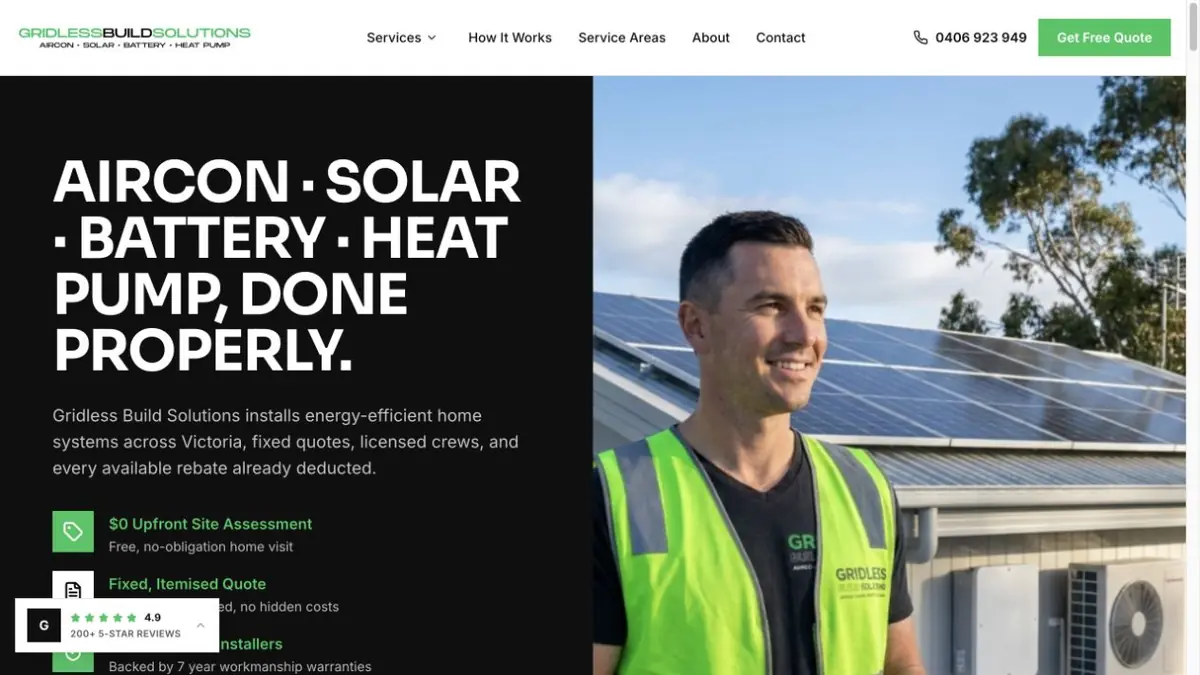
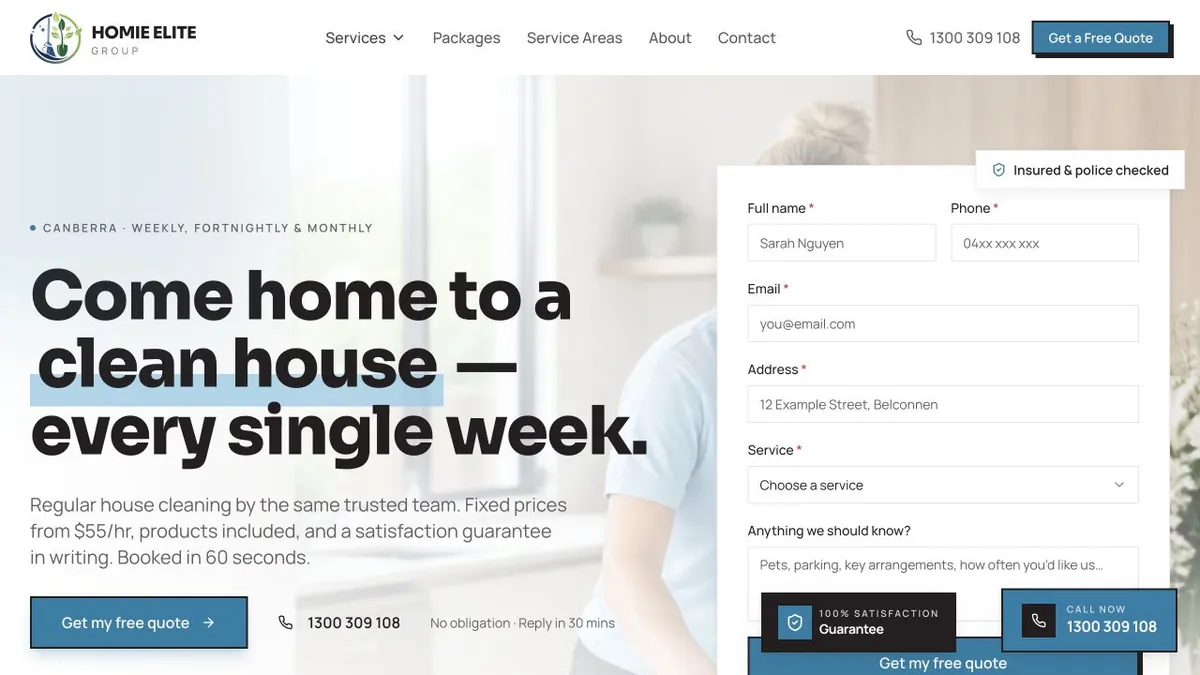
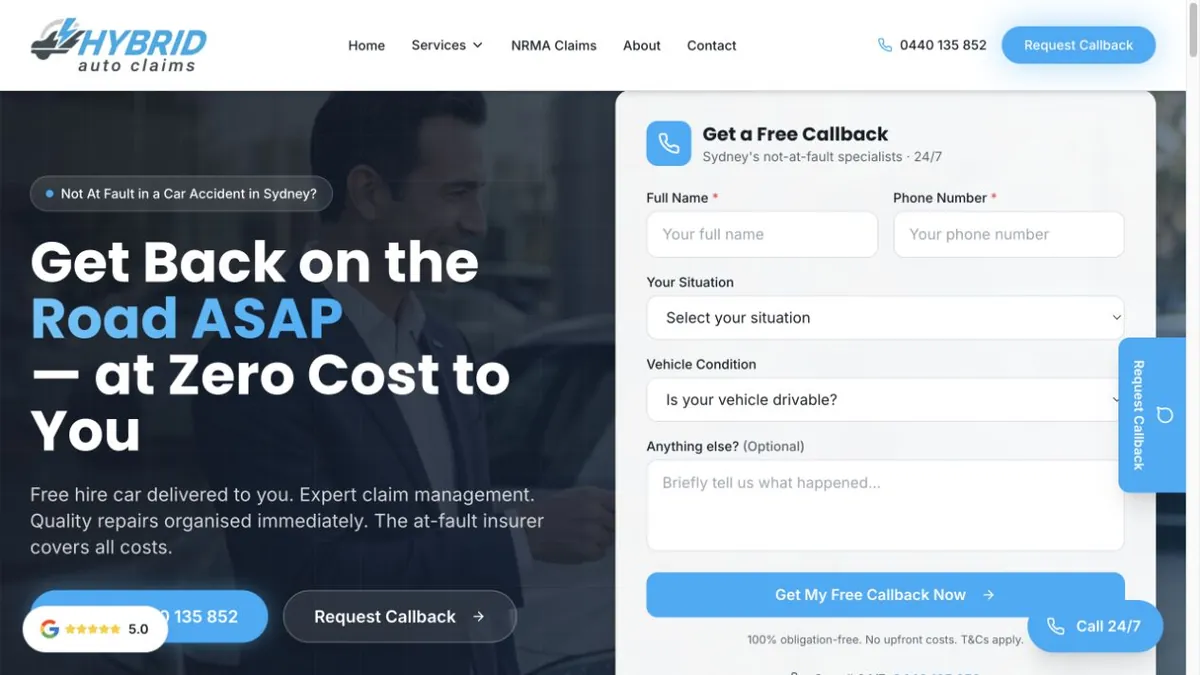
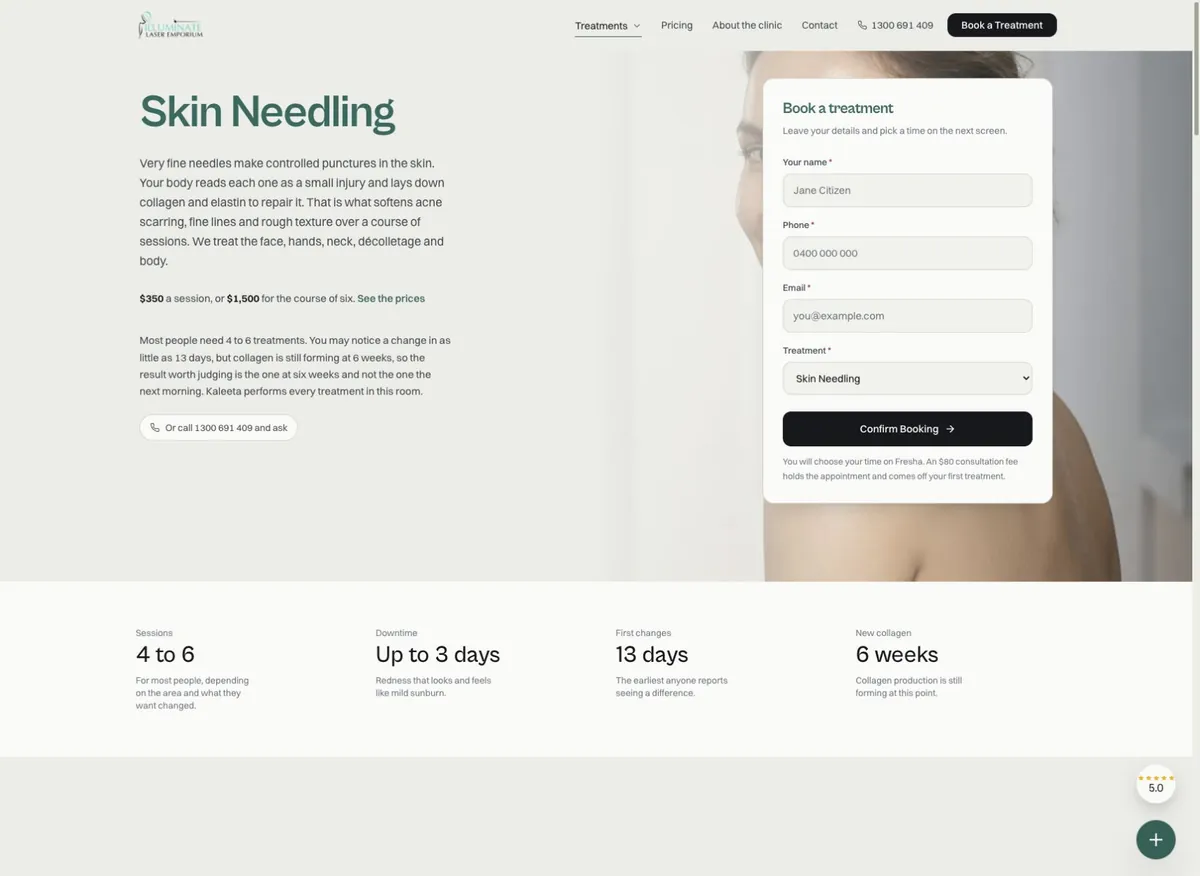
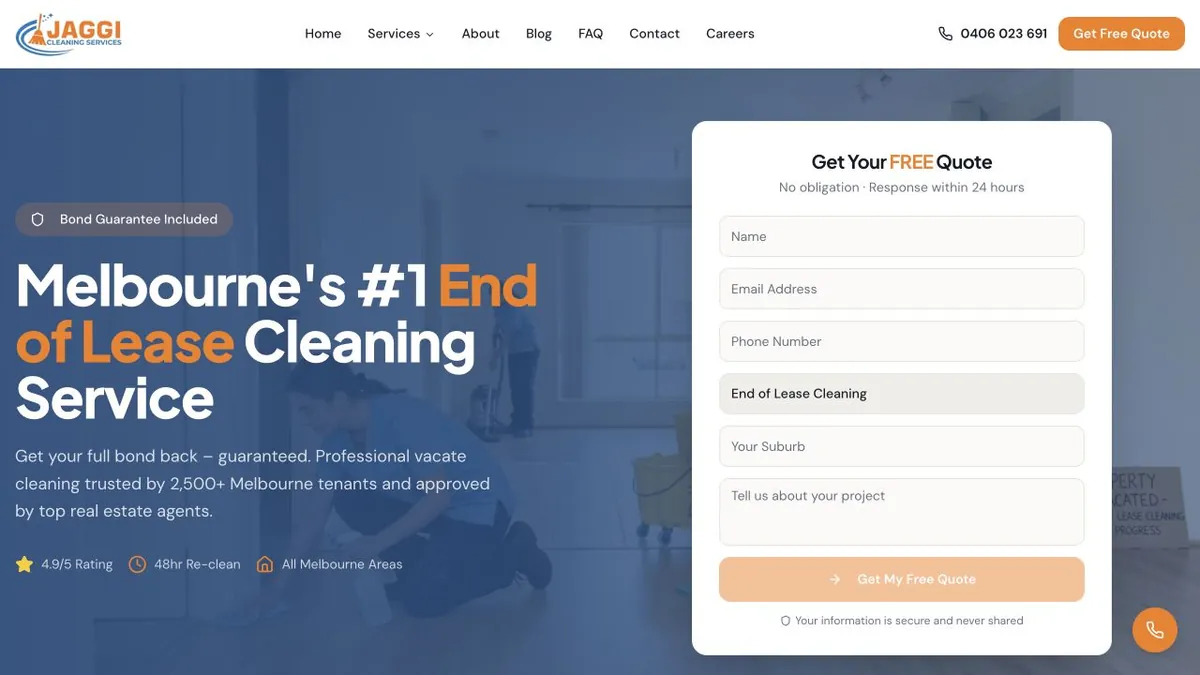
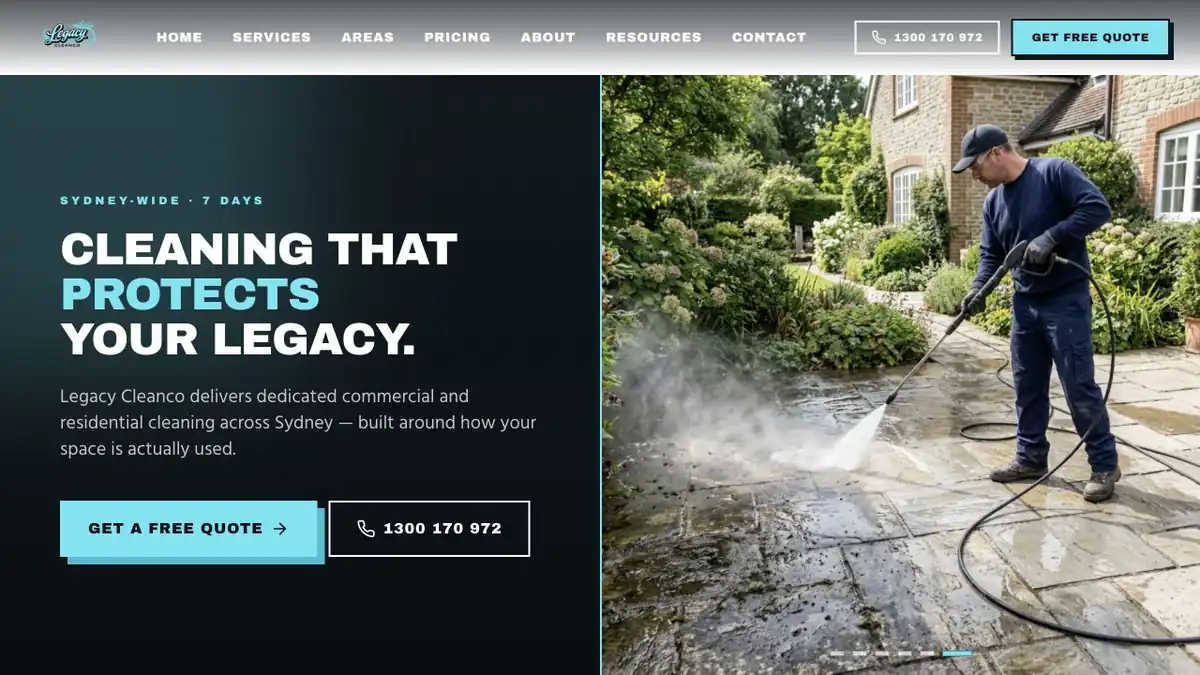
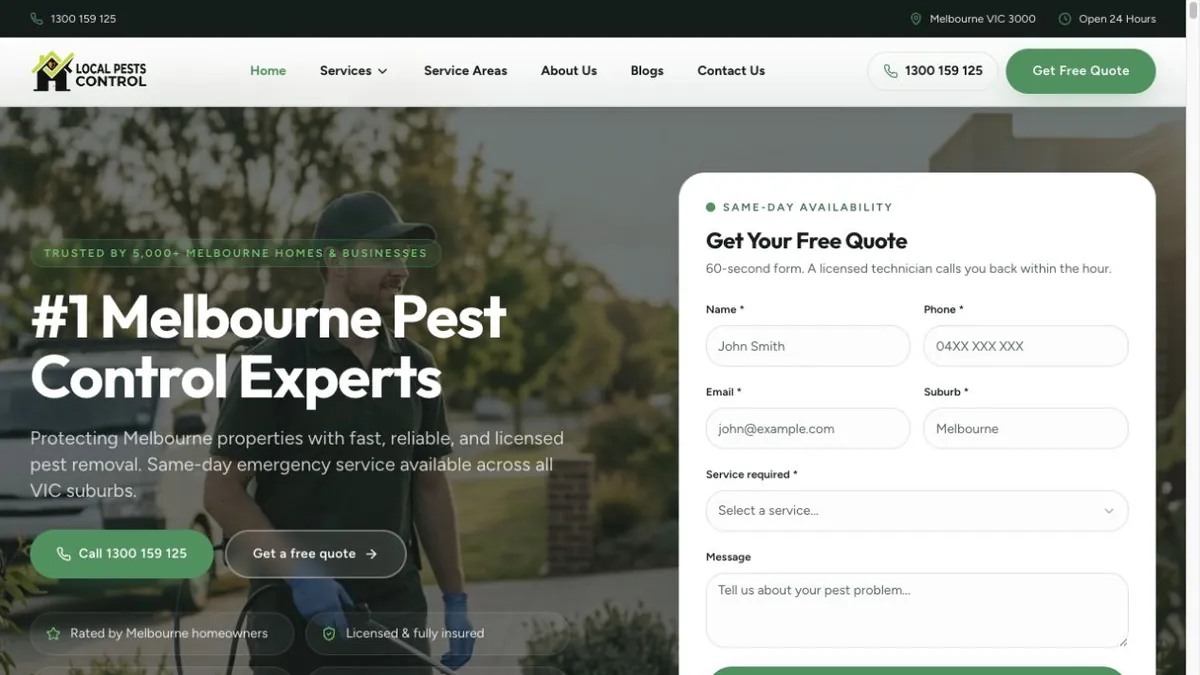
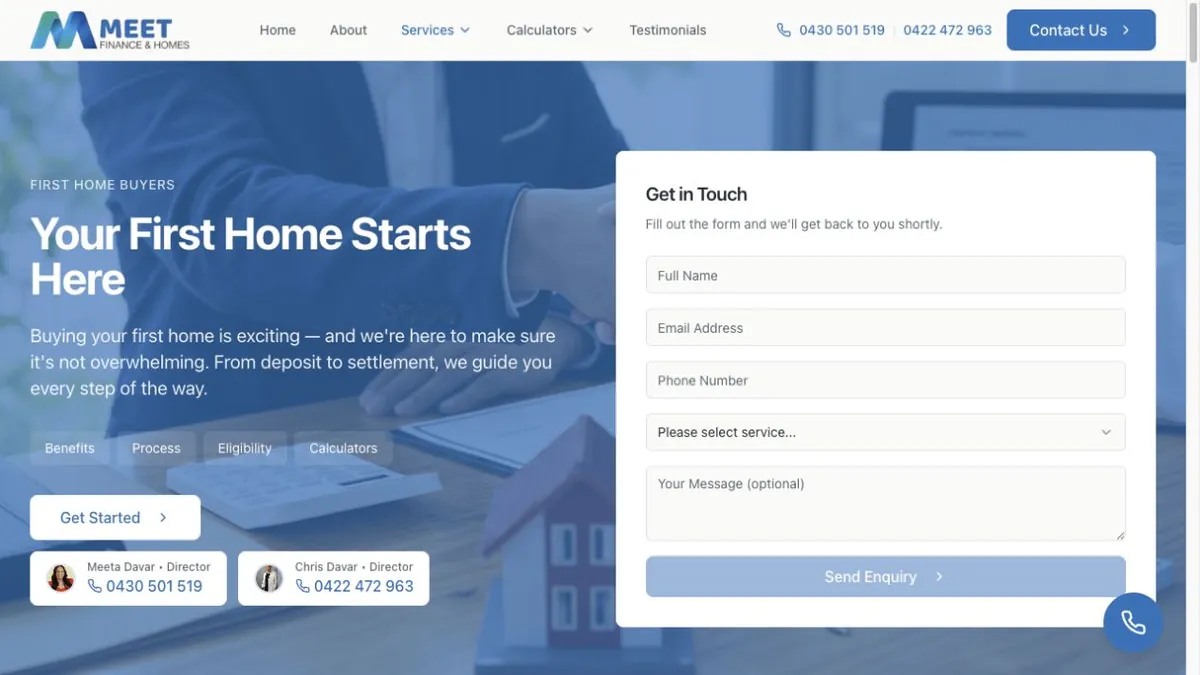
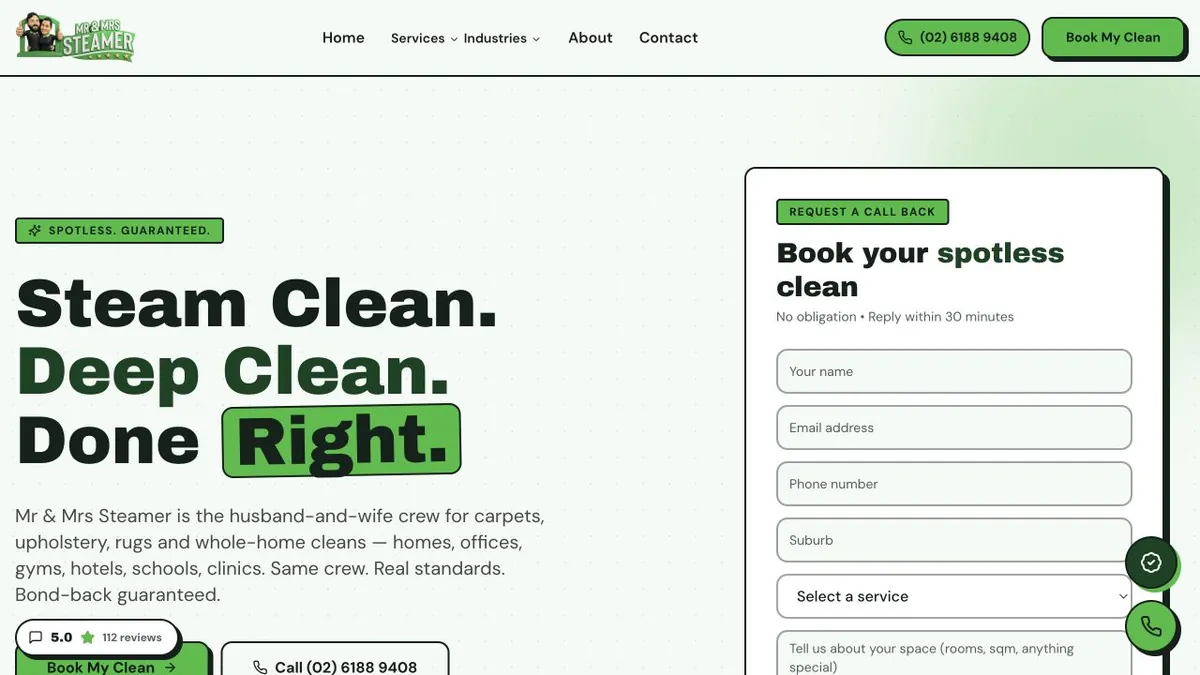
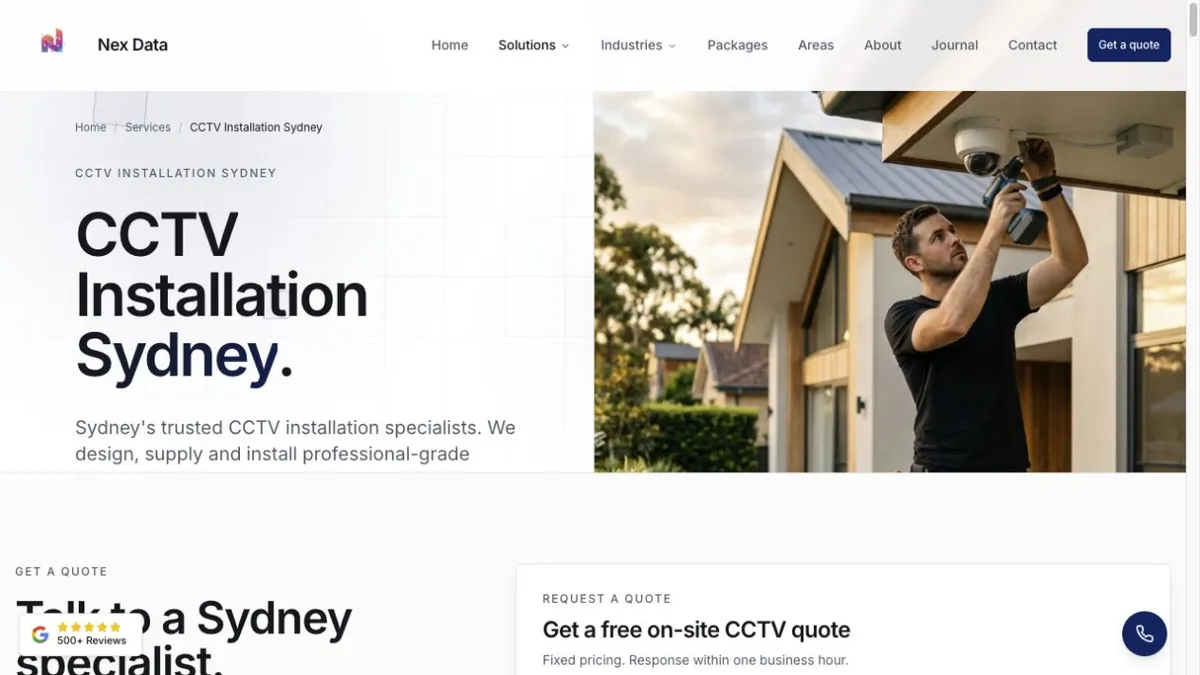
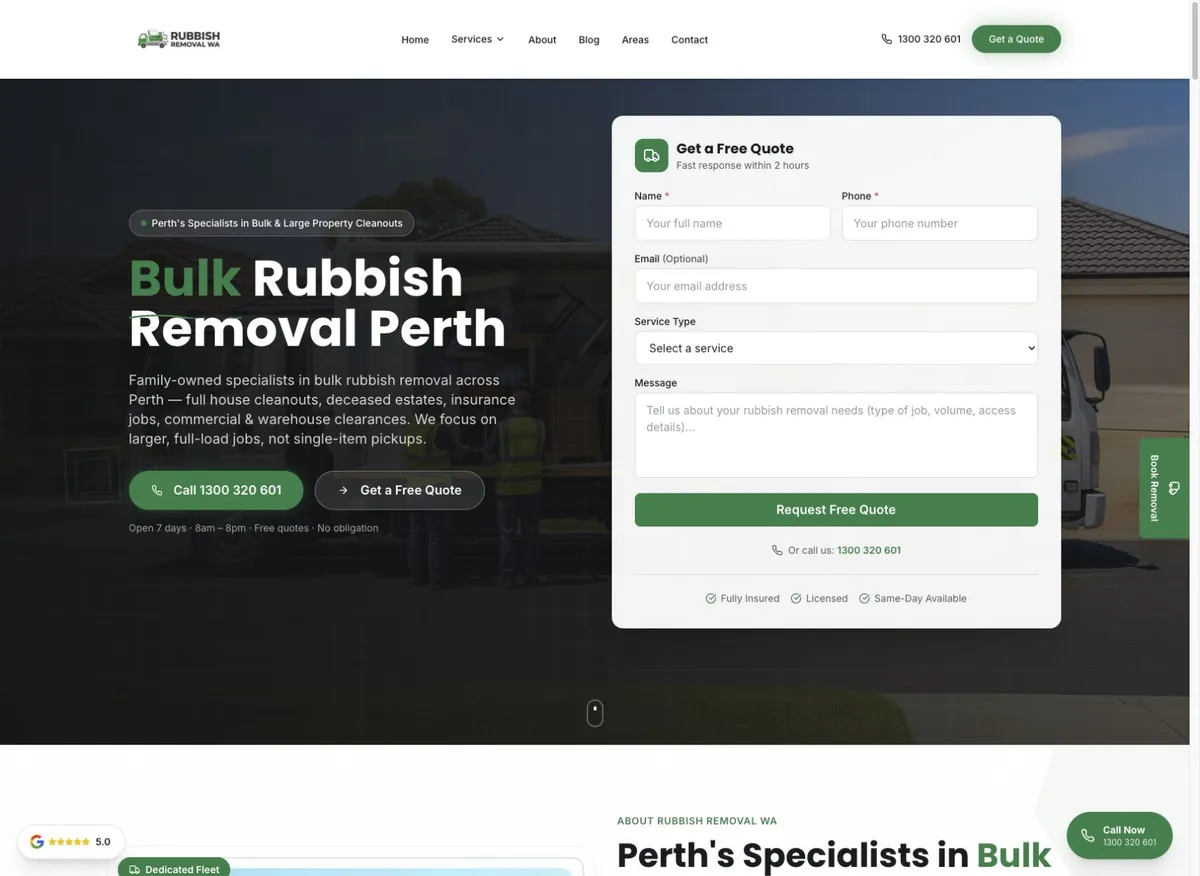
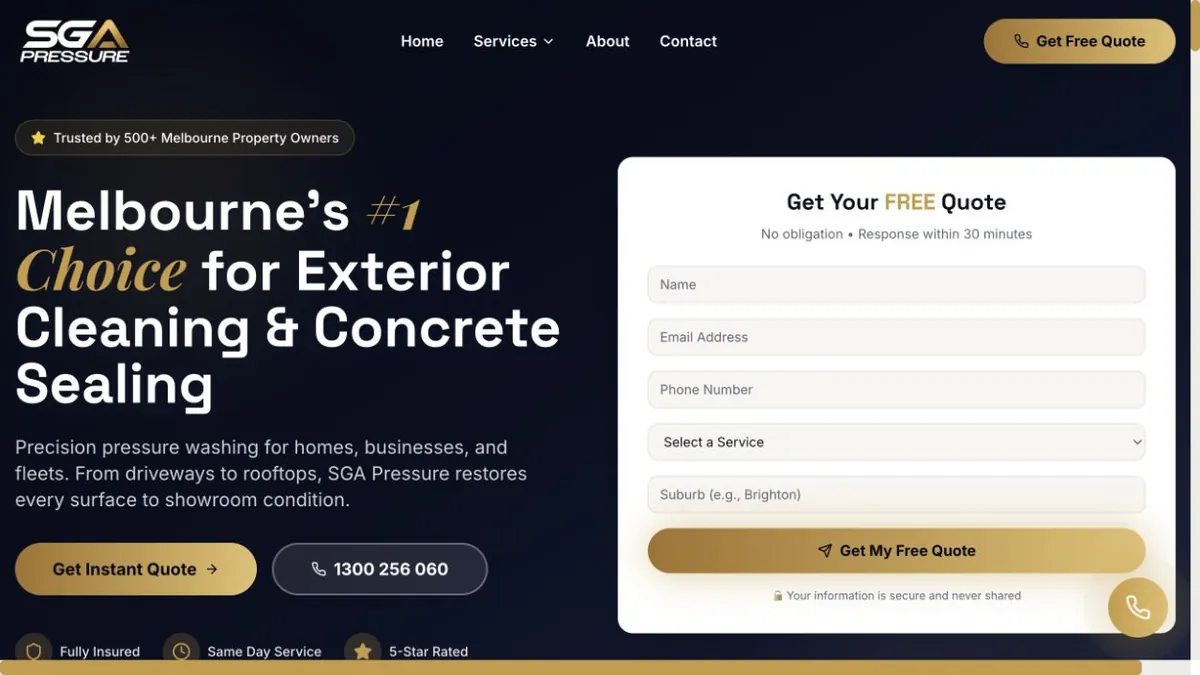
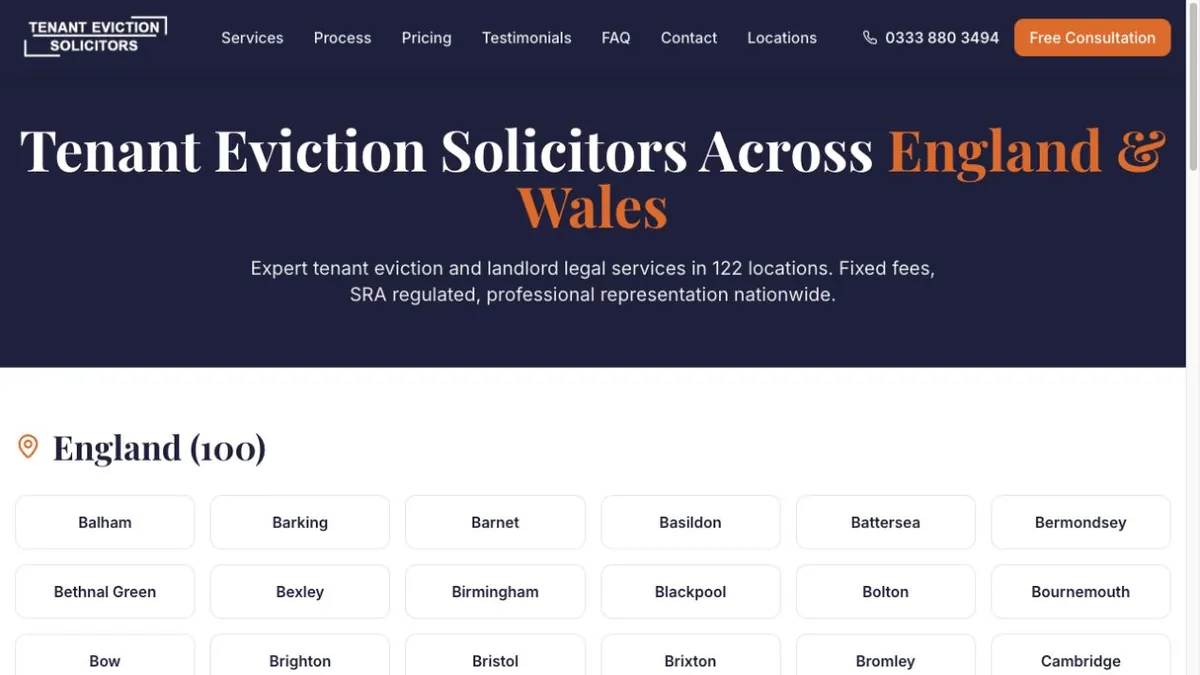
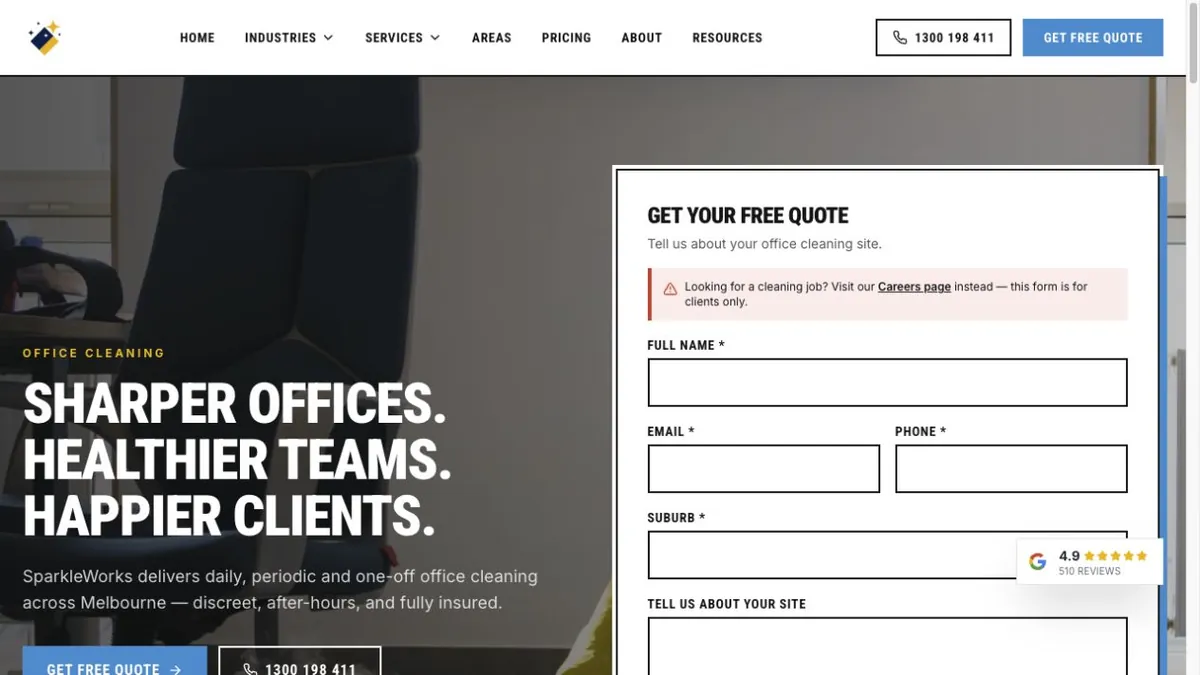
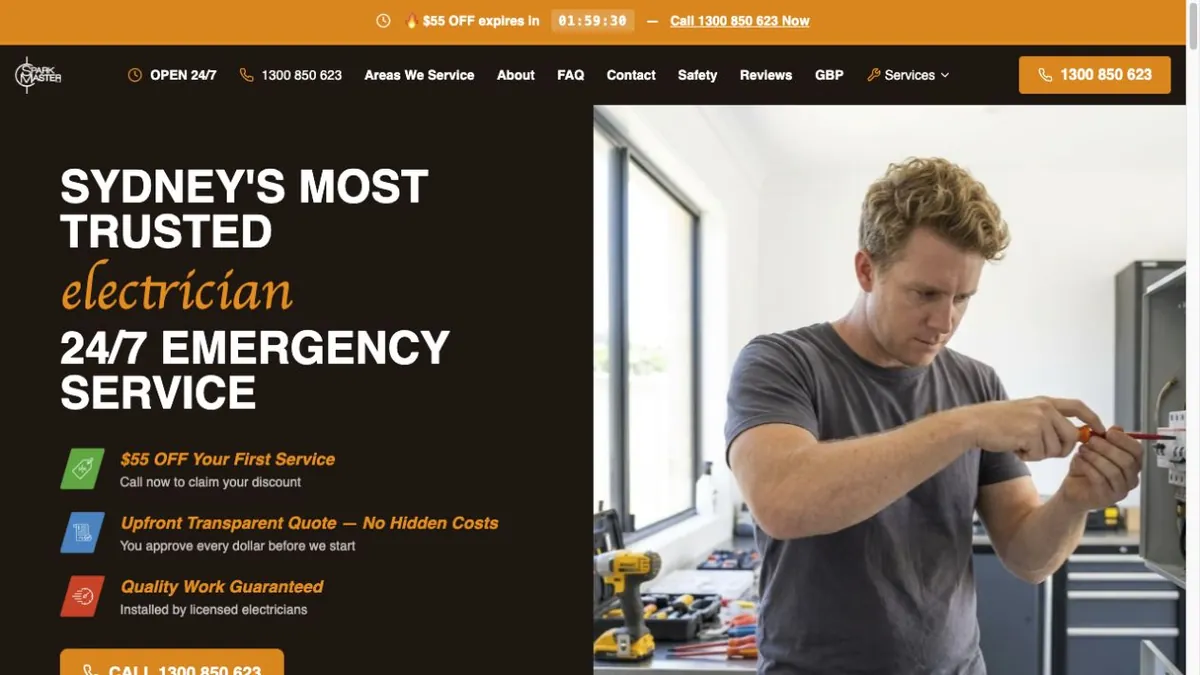
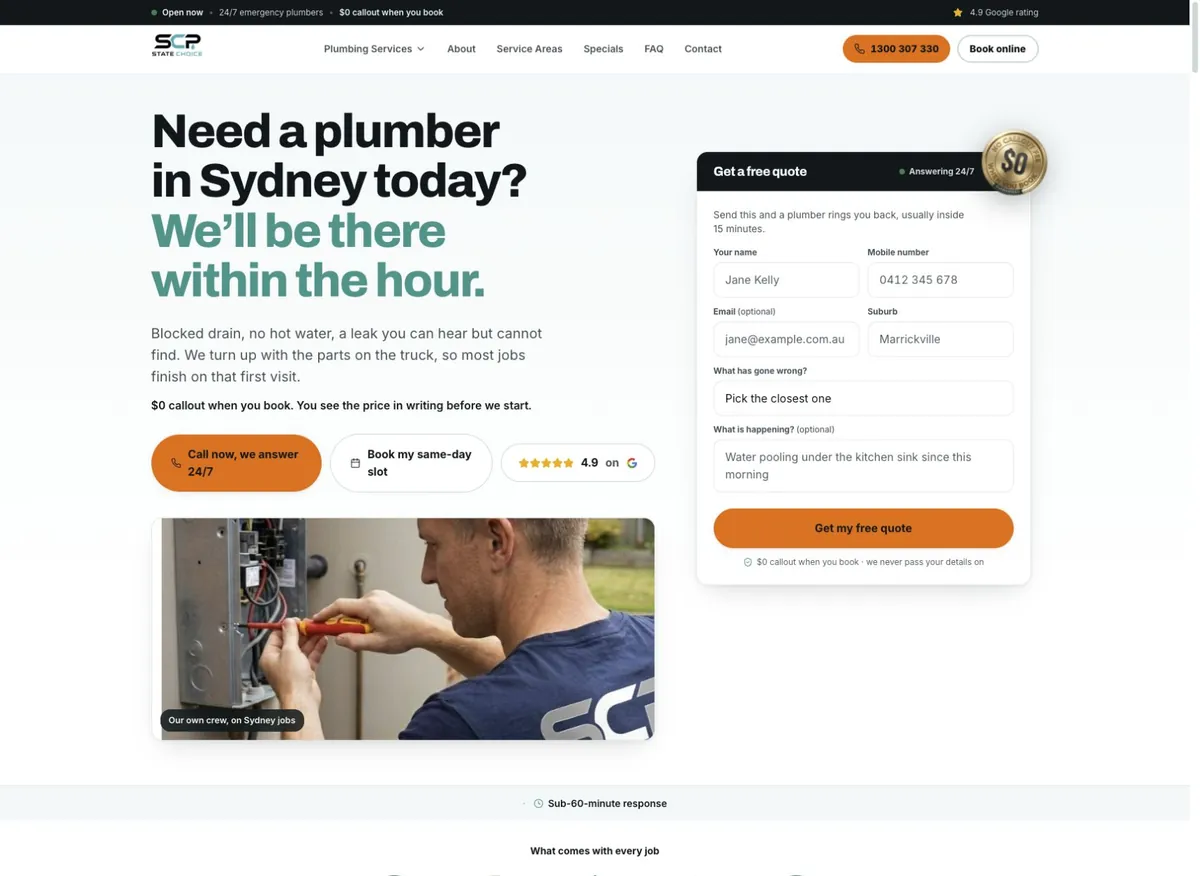
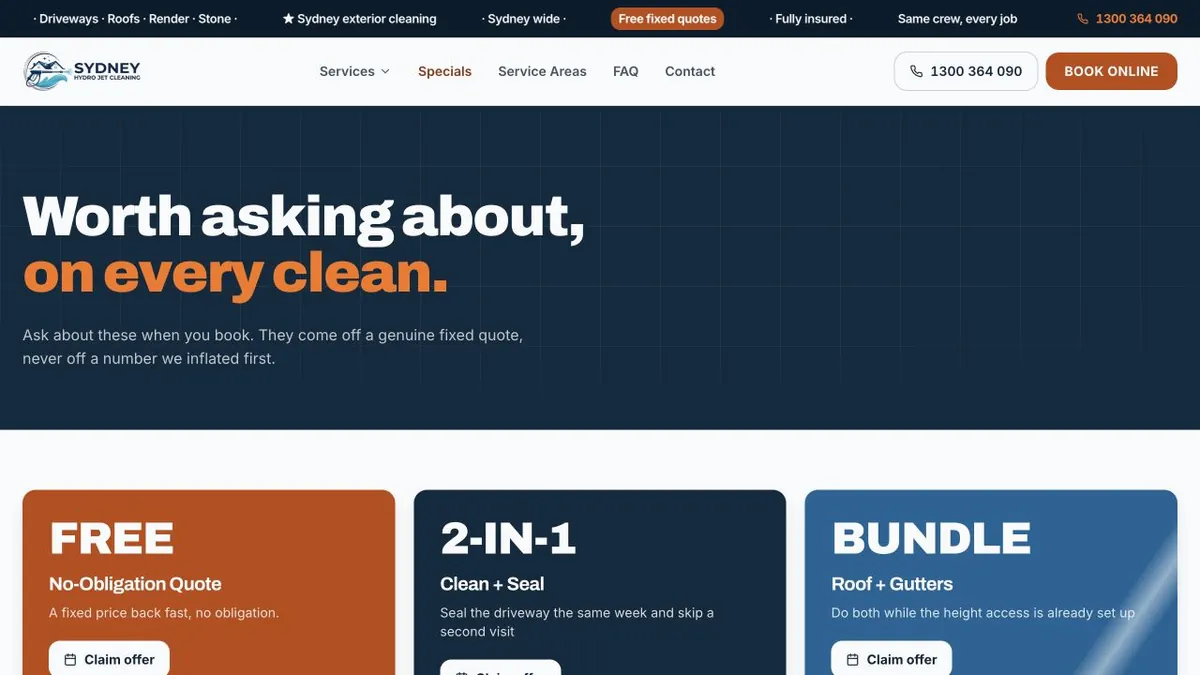
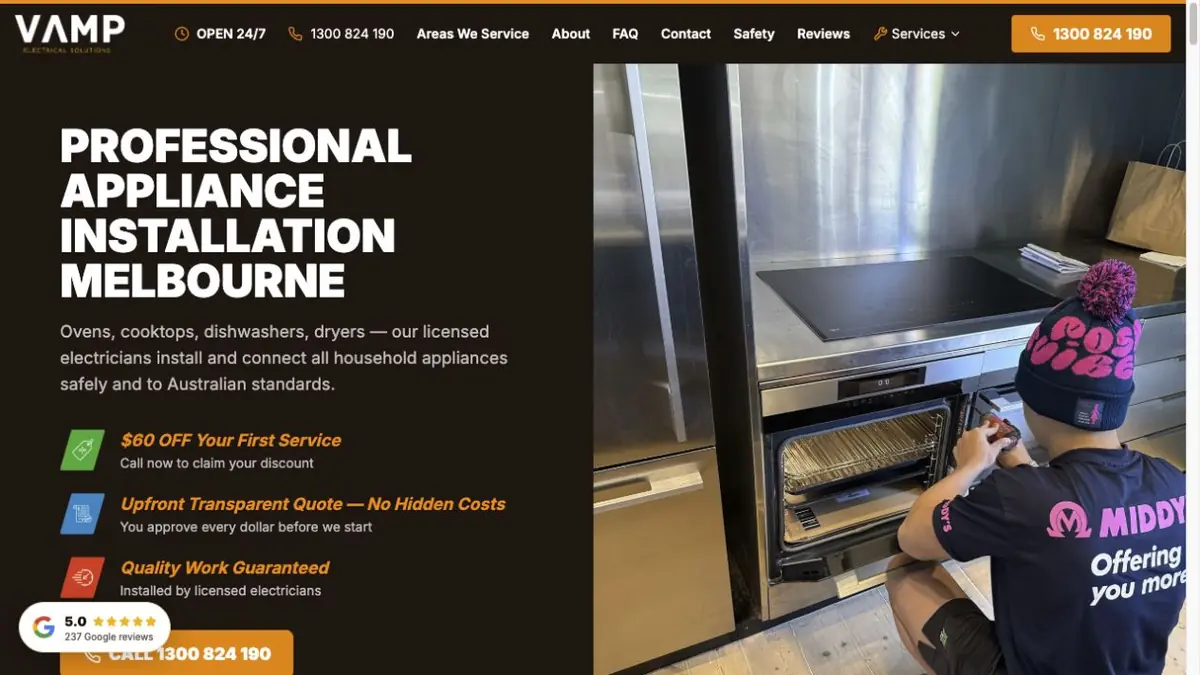
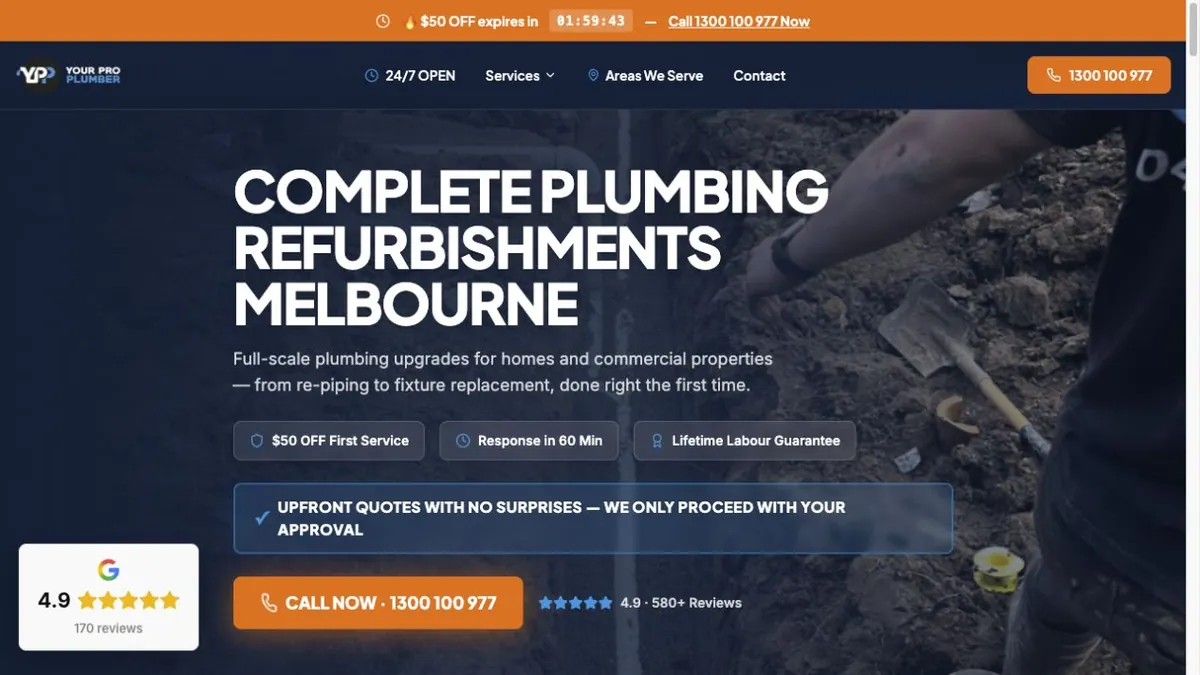
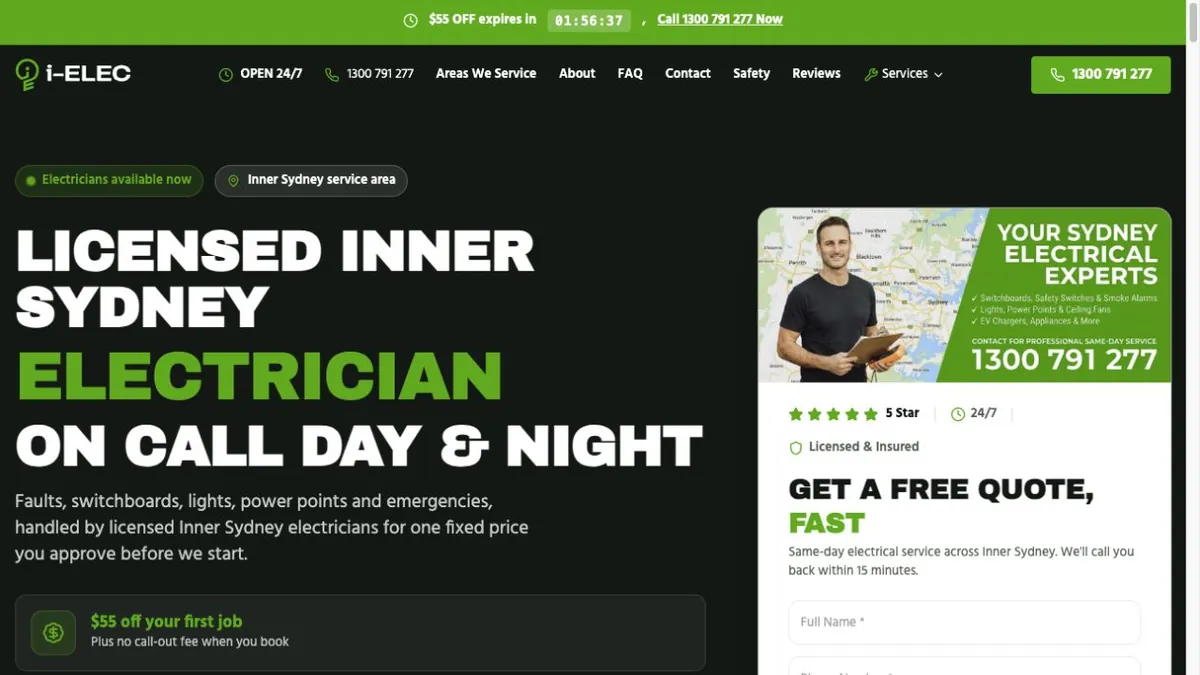
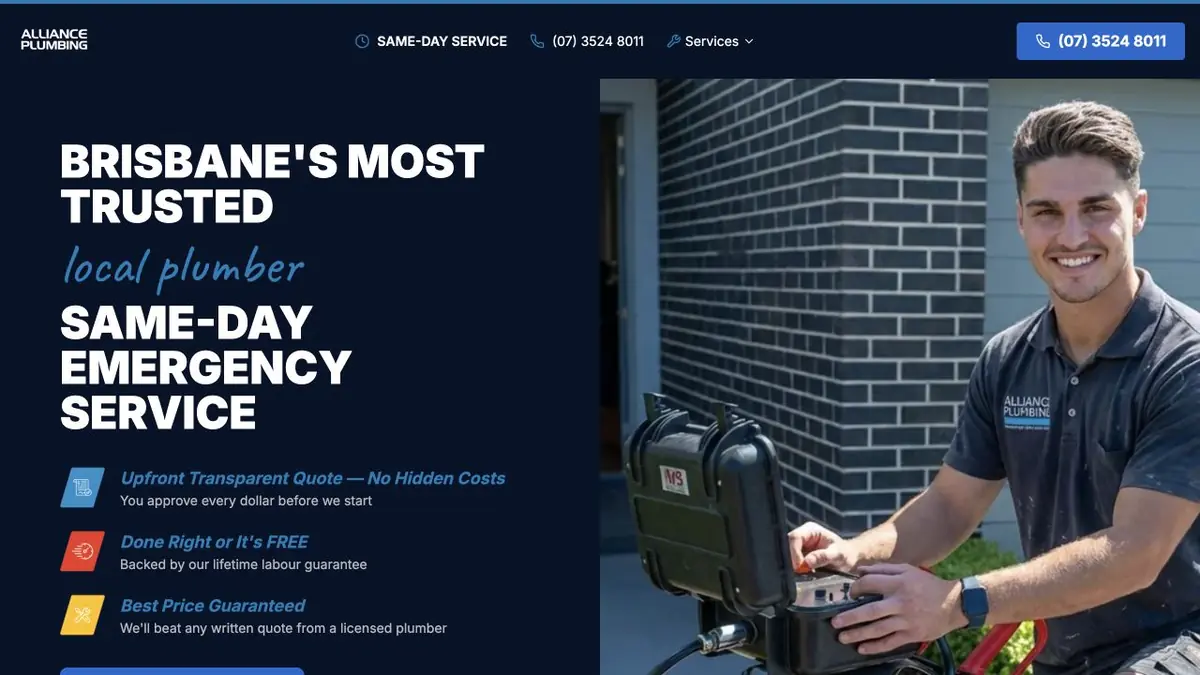
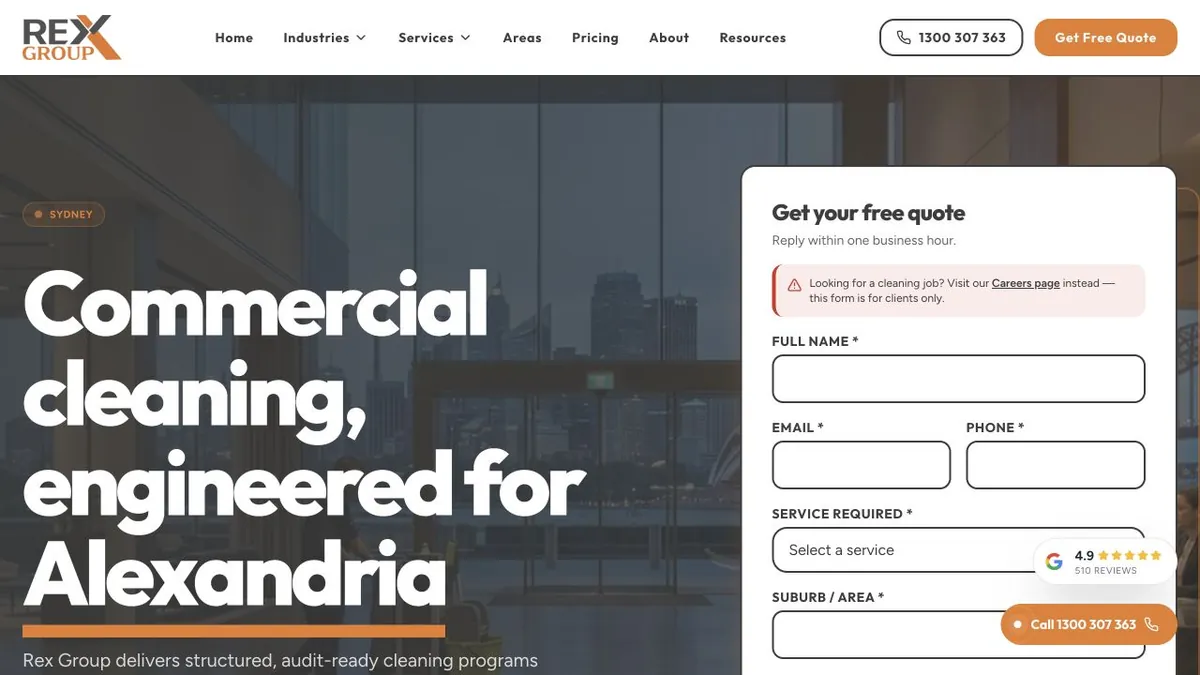
    Impress Blinds — cost per enquiry down 62.63%, $23.6 to $8.82SLS Solicitors — cost per enquiry down 58.48%, $84.64 to $35.14FixCare Property — cost per enquiry down 56.36%, $35.24 to $15.38Rubbish Removal WA — cost per enquiry down 53.18%, $71.02 to $33.25Floral Cakery — cost per enquiry down 49.82%, $13.83 to $6.94ILLUMINATE Laser Emporium — cost per enquiry down 48.54%, $138.65 to $71.35Aussie Plumbing — cost per enquiry down 41.96%, $117.75 to $68.34Sydney Fence Painting — cost per enquiry down 33.68%, $136.62 to $90.61Alliance Plumbing — cost per enquiry down 29.6%, $81.26 to $57.21Gridless Build Solutions — cost per enquiry down 29.16%, $78.16 to $55.37FacilityWorx — cost per enquiry down 23.62%, $157.13 to $120.01Cornerstone Roofing — cost per enquiry down 20.47%, $41.71 to $33.17A council finance platform — 194 of 194 requirements metA council finance build — 14 weeks to UAT, −34% 10-yr costA cultural institution — $634K of $750K kept workingA council platform — $470,106 built vs $503,262 SaaSA federal agency — n=5,000 prevalence survey at ±1.4%A civic mural — 36 concepts for a 71m × 9m wallA regional shire — 32-page visitor guide, 3 weeks earlyA shire council — one platform retiring 8 of 9 vendorsA pressure washing business — 138 jobs at A$20.43 eachA pressure washing business — 21.20% conversion rateA carpet cleaner — 53 jobs in 15 days at A$24.92 eachA roofing company — 68 quote requests in 35 daysA CCTV installer — 39 qualified leads in 15 daysA fence painter — 36 jobs in 24 days, quotes by day 3A maintenance business — live in 8 weeks, 3 stacks gone41 numbered clauses, published in full5.0 across every Google review$120M+ in media under management250+ active engagements across five countries

    Website design A website that turns clicks into enquiries.

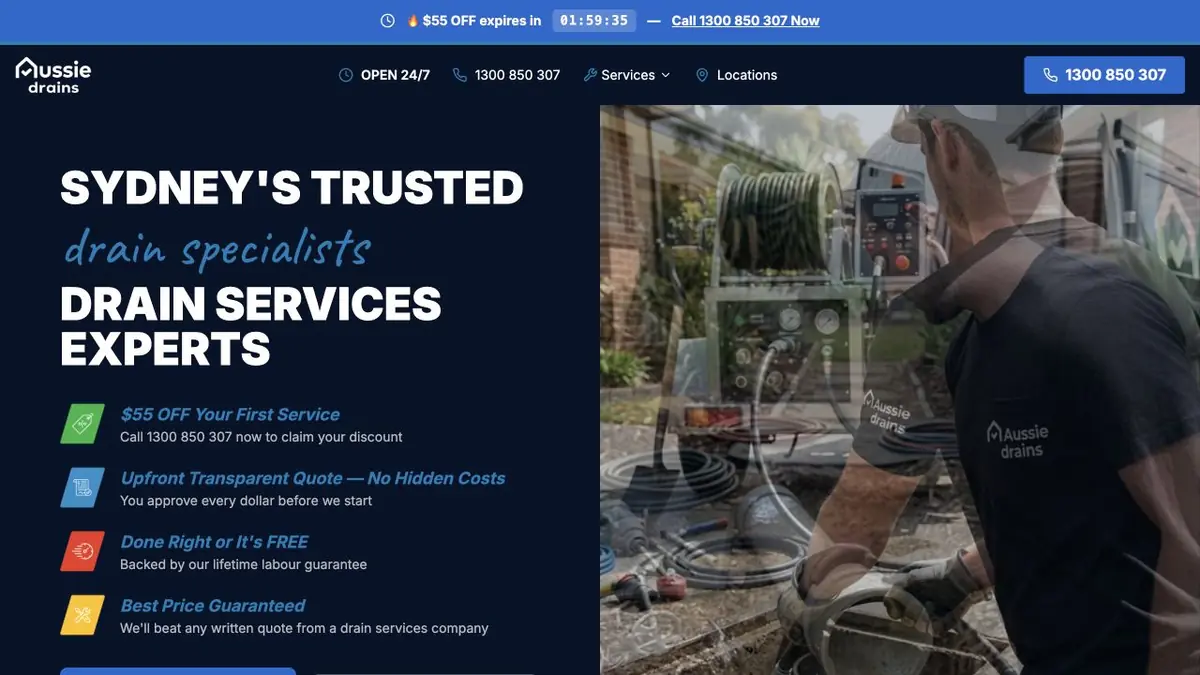
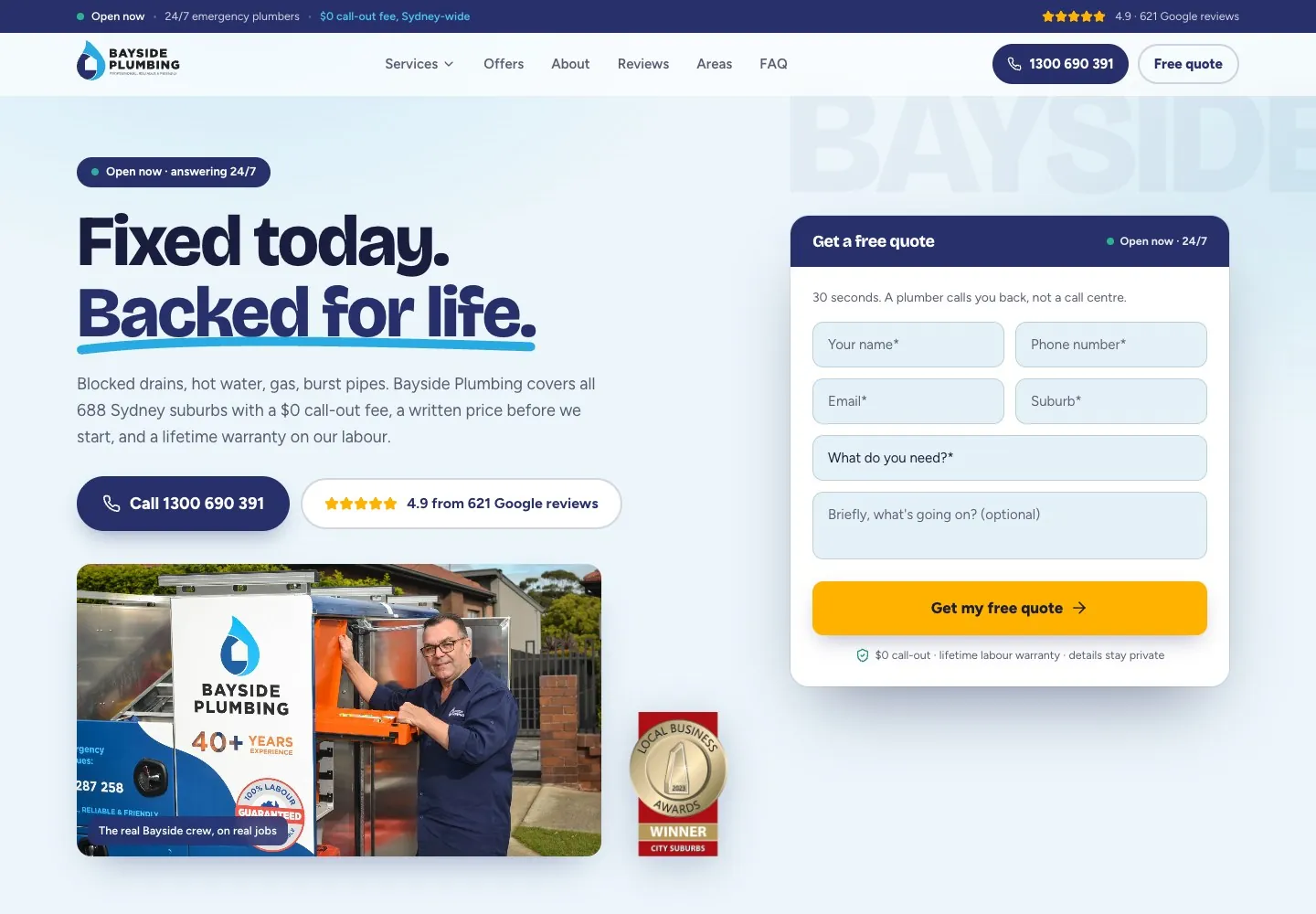
    Most sites are built to be looked at. Yours has a job: take a stranger who clicked an ad, tell them in four words that they are in the right place, and make it easy to call you. We build the page around that, then measure whether it worked.

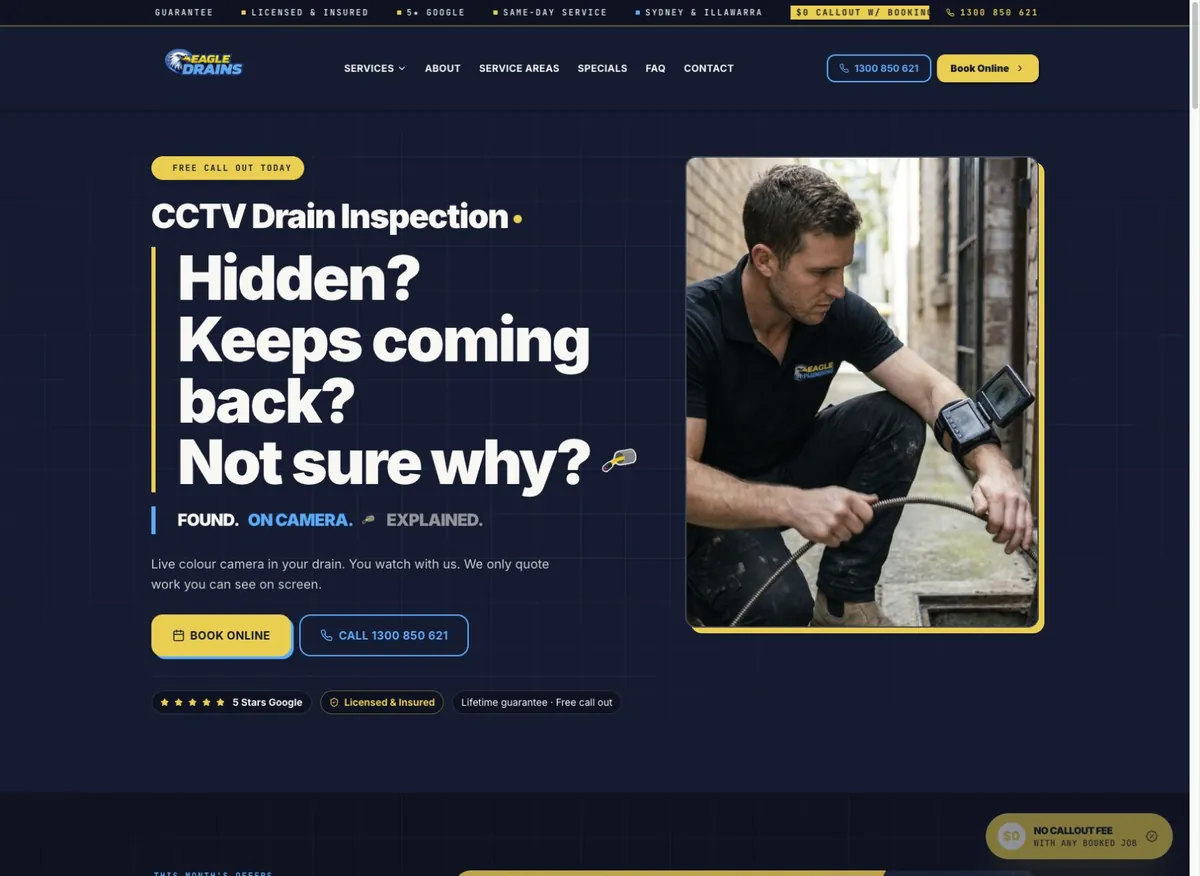
    Pink Flamingo's enquiry form was rebuilt to a single mobile screen · 138 jobs booked in 41 days at A$20.43 each · Full breakdown in the case study

    Website and acquisition, together

    A new website and Google Ads account launched by one team.

    This is not presented as a web-design-only result. The case study records the combined launch, the measured enquiries and the limits of what can be attributed to each layer.

    Inside the average site

    Seven ways a
    website leaks money.

    None of these are exotic. They are what we find on almost every site we are asked to fix, and not one of them shows up in a traffic report.

    • The homepage is doing the landing page's job

      An ad for gutter cleaning lands on a page selling nine services. The visitor has to find their own way to the thing they searched for, and most of them do not bother.

    • The first screen says nothing

      A stock photo, a slogan and a scroll arrow. No service, no suburb, no proof, no way to call. Three seconds in and the reader still cannot tell whether they are in the right place.

    • The form asks eleven questions

      Company size, budget range, how did you hear about us. Every extra field is another reason to leave. The only fields that matter are the ones you need in order to ring them back.

    • Nothing to tap

      On a phone, a large share of enquiries want to call rather than type. If the number is not a tap target on the first screen, that call goes to whoever made theirs one.

    • The hero image is four megabytes

      Uncompressed photography, render-blocking fonts and six third-party scripts. The page is technically live and practically blank for the first few seconds, which is the whole decision.

    • The proof is on a page nobody opens

      Reviews, licence numbers, guarantees and real job photos sitting on an About page, instead of beside the button you are asking a stranger to press.

    • Nothing is measured

      No events, no call tracking, no server-side data. The site might be converting brilliantly or not at all, and there is no honest way to tell which.

    The shape you build into

    Two and a half seconds to be useful.

    A web page is judged against thresholds somebody else published. They are not opinions and they are not negotiable, so we design to them from the brief rather than discovering them at launch.

    • 2.5

      seconds — LCP threshold

      Largest Contentful Paint. Past it, Google stops calling the page good — and the reader stopped waiting earlier than that.

    • 200

      milliseconds — INP threshold

      How long the page takes to answer a tap. Above it, a phone feels broken rather than slow.

    • 0.1

      maximum layout shift

      The published Cumulative Layout Shift ceiling. It is why the button must not move under a thumb that is already reaching for it.

    • 24

      CSS pixels — minimum target

      WCAG 2.2 AA sets the floor for a tap target. We build to a considerably larger one, because thumbs are not styluses.

    • 4.5

      : 1 minimum text contrast

      WCAG AA for body text. It is also the difference between a price a customer can read outdoors and one they cannot.

    • 1

      index, and it is the mobile one

      Google indexes the mobile version of your site. A desktop-first build is being judged on the version nobody designed.

    So the design starts with what has to be on the first screen.

    The service, the area, one piece of proof, and two ways to act. That is the whole brief for the top of the page, and everything else is arranged around it — including the photography, which is chosen for what it says rather than for how large it can be.

    Then the page is tested on a real phone on a real connection, because a build that only ever gets opened on a designer's laptop is a build nobody has actually seen.

    Does your first screen do any of that?

    Send us the URL. We will open it on a phone, read it the way a visitor does, and tell you what the top of the page is actually saying.

    Three real engagements

    Pink Flamingo · 41-day period

    21.20%

    Click-to-job conversion rate

    Measured on booked jobs, after a single-screen form rebuild

    Pink Flamingo · Melbourne

    A$20.43

    Cost per job booked

    138 jobs from A$2,819.92 of ad spend

    FixCare · NSW

    8

    Weeks, greenfield to live

    Customer portal, tradie app and admin console in one build

    Figures are from live client engagements and are dated in each case study. They are what those builds did, in those markets, at those budgets — not a forecast for yours.

    Ten things happen on every build. Here they are, in order.

    This is the part most agency pages keep vague, and it is the only part that decides whether the page earns its keep. So it is written down.

    1. One page per promise

      A campaign for bond cleaning gets a page about bond cleaning. Same words, same suburb, same offer as the ad that brought them. That match is most of what makes a page convert, and it is the cheapest thing on this list.

    2. Make the first screen do the work

      What you do, where you do it, the one piece of proof that settles it, and two ways to act. Everything below the fold is for the people who are already interested.

    3. Compress the form to one screen

      Name, phone, suburb, job. Anything else can be asked on the call. Pink Flamingo's form was rebuilt to a single mobile screen as part of that engagement, and the enquiry rate is in the case study.

    4. Make the phone number a tap target

      Click-to-call in the header, in the first screen and at the end of every section, tracked as its own conversion so you can see which half of your enquiries never touched the form.

    5. Put the proof beside the button

      Reviews, licence and insurance numbers, guarantees, before-and-after photos of real jobs. Proof three screens away from the decision is proof that was not read.

    6. Set a speed budget before design starts

      A target for the page weight, the image formats, the font loading and the number of third-party scripts allowed. It is agreed at the brief, not negotiated after launch when someone has already fallen in love with a carousel.

    7. Write semantic, accessible markup

      Real headings, real labels, real landmarks, visible focus states and readable contrast. Search engines and screen readers want the same thing, which makes accessibility the least controversial SEO work there is.

    8. Let the brand do its job without getting in the way

      Distinctive typography, colour and photography, held to the same conversion rules as everything else. A site can be handsome and still tell a stranger what you do in four words.

    9. Wire the tracking on day one

      Events for calls, forms, bookings and purchases, with values attached, plus call tracking and server-side events where they earn their place. Nothing on this page means anything without it.

    10. Hand it over so you can change it

      A content system you can use, documentation written for your team rather than for us, and a second person on our side who checks the whole build before it goes live.

    Item nine is the one people skip. Tracking and analytics explains what gets wired and why a phone call is the hardest conversion to count properly.

    How a build runs

    Brief to launch, week by week.

    1. Week 0

      Discovery and the brief

      What you sell, who buys it, what a customer is worth and what the page has to beat. We also read what your competitors are doing, because that is the page you are actually up against.

    2. Week 1

      Wireframe and journey

      Low-fidelity layouts mapping the route from ad to enquiry, before a single colour is chosen. This is the cheapest week to change your mind, so we spend real time in it.

    3. Weeks 1–2

      Visual design

      High-fidelity screens in your brand — type, colour, photography, the lot — reviewed on a phone as well as a laptop, because that is where most of the traffic will read it.

    4. Weeks 2–4

      Build, test and instrument

      Development against the speed budget, cross-browser and device testing, accessibility checks, and the analytics and call tracking wired in before launch rather than after.

    5. Launch

      Go live, then keep working

      The site goes up with tracking already reporting. Then we read what real visitors do and change the page accordingly, which is the part most projects skip.
    Landing pages run one to two weeks, business websites three to five, and store or platform builds five to ten. The variable that moves those dates most is how fast feedback comes back, so we tell you at the brief which weeks we need you in the room.

    The brief is where those dates get set.

    Tell us what the site has to do and who it is for, and we will come back with the shape of the build and where you sit in it.

    The platform question

    We do not have a favourite platform to sell you.

    The right answer depends on who edits the site, how often, how fast it has to be and what it has to connect to. Here is how we actually choose.

    • WordPress

      The right answer when you want a large content site your team edits daily and a plugin ecosystem you already know. It needs maintenance to stay fast and safe, and we quote that honestly rather than pretending it is free.

    • Webflow

      Good for design-led marketing sites where the team wants to move pages around without a developer. Clean output, predictable hosting, fewer moving parts to patch.

    • Shopify

      Where we build online stores. Products, checkout, payments and a product feed that agrees with your Shopping campaigns rather than fighting them. E-commerce is very much part of what we do.

    • Custom React

      For landing pages that must be fast, and for sites that are really the front door to a platform. Full control of the speed budget and of everything the page loads.

    • Managed hosting and maintenance

      Security updates, backups, uptime monitoring and minor content changes on a retainer, if you would rather not think about it. Optional, priced separately, and never a condition of building the site.

    Three things people ask us for, and what each one is really for.

    Most engagements are one of these. If yours sits between two of them, the discovery call is where we work out which side of the line it belongs on — and we will tell you if the cheaper one is enough.

    • Landing pages

      One page, one promise, built for a campaign that is already running. This is the fastest thing we make and usually the one that changes a cost per job the most.

      • Custom design against the ad
      • Single-screen enquiry form
      • Click-to-call instrumentation
      • Speed budget agreed at brief
      • Built for A/B testing
      • Event tracking from launch
    • Business websites

      The site your whole business points at — services, areas, proof, careers and a blog — with a content system your team can actually run without ringing us.

      • Five to fifteen pages
      • Content system and training
      • Blog and case-study templates
      • Service and suburb pages
      • Analytics and call tracking
      • SSL, hosting and backups
    • Online stores and operations platforms

      Shopify and custom stores, plus the internal side — bookings, quoting, dispatch, intake and CRM sync. When the build is bigger than a website, it becomes a platform engagement.

      • Shopify or custom storefront
      • Product feed that matches the ads
      • Booking and quoting workflows
      • CRM and API integrations
      • Role-based dashboards
      • Purchase and lead tracking
    SoudCoh Compound™

    A website build leans on two of the six stages.

    Compound is how our team works on any engagement — six stages every change passes through. A build puts most of its weight on these two.

    • Meter

      If it can't be measured, it doesn't get bought.

      A page goes live with its measurement already working — events, values, call tracking — because a site nobody can measure is a site nobody can improve. This is the stage that decides whether the next three months of changes are informed or guessed.

    • Countersign

      Nothing reaches a live account with one name on it.

      Every build is checked by a second person before launch: the tracking, the forms, the redirects, the mobile layout and the speed budget. A broken form is the most expensive bug on the internet, and it is silent.

    FAQ

    Web design, answered.

    Cost, timing, contracts, who owns the site, reporting, and what happens when a page is not converting.

    The first call is free and there is no deck.

    Book a free project call

    It is priced per scope, and you get a fixed number in writing before anything starts. A single campaign landing page and a fifteen-page business site with a content system are not the same job, and neither is a store or an operations platform. The discovery call is free and its output is a real number for your situation rather than a range designed to get you on a second call. Hosting and maintenance, if you want them, are quoted separately so you can see what is build and what is ongoing.

    Landing pages take one to two weeks, business websites three to five weeks, and operations or AI-agent platforms five to ten weeks. Timelines depend on complexity, the number of pages, the integrations involved and how quickly feedback comes back — that last one is genuinely the biggest variable, and we will tell you at the brief which weeks we need you in the room.

    No long-term lock-in on the build. It is a scoped project with a fixed price and a fixed set of deliverables. Managed hosting and maintenance are a separate, optional monthly arrangement, and you can leave it without losing the site. We would rather keep the work because it is producing than because a clause says you have to stay.

    Ownership and handover are written into the proposal before work starts, in plain English, and that covers the domain, the hosting account and the code. If you are on our managed hosting and later want to move, it is a documented migration rather than a negotiation. You will never be in a position where you cannot find out what you own.

    We tell you, in the reporting, and we change it. Because the tracking is wired from launch we can usually see where people are stopping — a form field, a price, a missing piece of proof, a slow first screen — and fix that rather than redesign the whole thing on a hunch. If the honest answer is that the problem is the offer rather than the page, we would rather say so than sell you another build.

    A fixed cadence, good news or bad. What the site did, where visitors came from, which pages produced enquiries, what we changed and why, and what happens next — written in the language you use about your own business rather than platform jargon. You can also see live performance yourself at any time.

    We build on whichever platform suits your needs — WordPress, Webflow, Shopify or custom React. We recommend the right one during discovery based on who will edit the site, how often, how fast it has to be and what it has to connect to. Nobody here has a favourite platform they are trying to sell you.

    Yes. Shopify and custom builds, including the product feed that has to agree with your Shopping campaigns, category and product page structure, and purchase tracking that reports revenue rather than form loads. E-commerce is part of what we do, and the store, the ads and the SEO are handled by one team rather than three suppliers.

    We offer managed hosting and maintenance packages covering security updates, backups, uptime monitoring and minor content changes. It is optional and quoted separately. If you would rather host it yourself or keep an existing arrangement, that is fine and we will document what the site needs to run.

    Yes. Every site we build ships with proper meta data, semantic HTML, structured data, fast load times and a mobile-first layout, because Google indexes the mobile version. Those are the foundations, not a ranking strategy — if you want to compete for specific searches, that is an SEO engagement on top, and we will tell you which of the two you actually need.

    Yes. Retainer arrangements cover ongoing development, design updates and performance work, and most clients keep them running long after launch because a site that never changes stops earning. What we will not do is charge a retainer for a site nobody is touching.

    Yes — refresh the current design, move it to a different platform, or rebuild from scratch. We audit what you have first, including what is already ranking and what is already converting, so a redesign does not quietly throw away the pages that were working. If a refresh is enough, we will say so.

    Further reading

    Before you commission anything, it is worth knowing how far a local business gets with no website at all — for some trades the honest answer changes the brief. The look and the story are handled by the creative division, and if the budget is genuinely small, the small-business plan sets out what to spend it on first.

    Get the page review

    We open your site on a real phone, time the first screen, walk the enquiry form, and write down every place a customer is being asked to work harder than they should. Yours to keep either way.

    No pitch deck. No upsell. A real conversation and a written list of leaks.