Small business marketing Every dollar has to come back.
You built this from nothing and there is no safety net behind it. So the advertising has to produce enquiries you can trace, at a cost you can live with, starting in the first fortnight. That is a narrower job than most agencies are set up to do, and it is the one we are describing here.
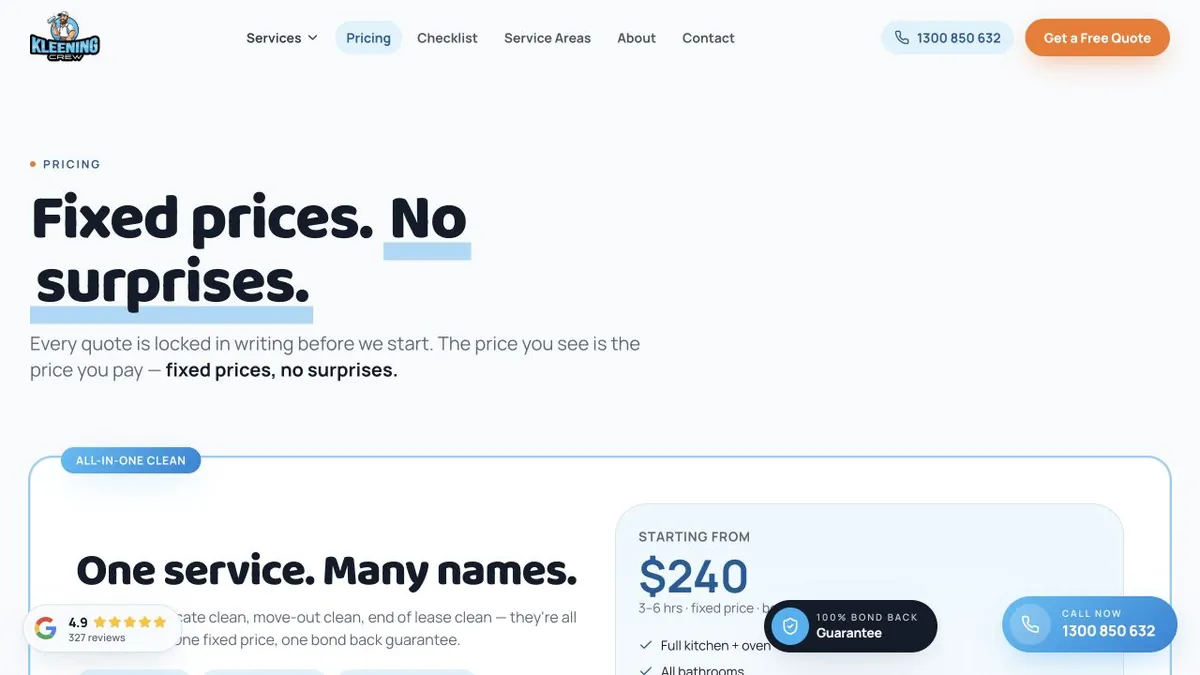
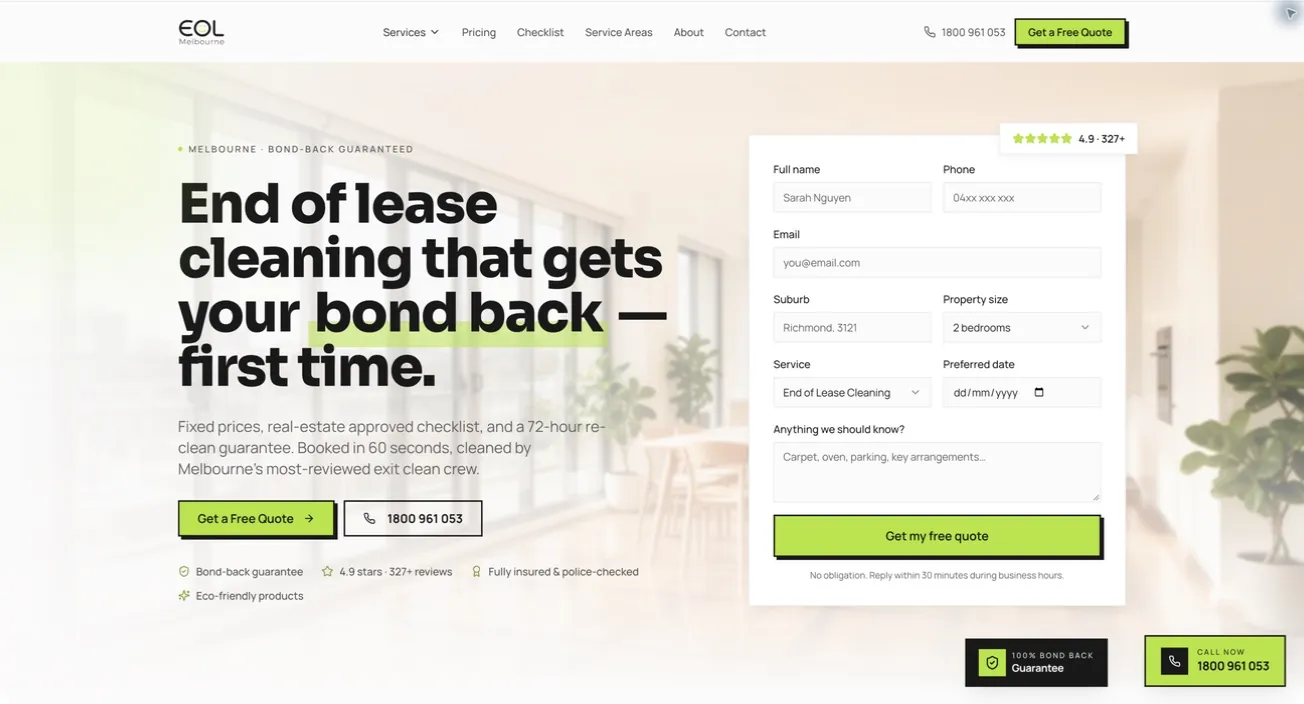
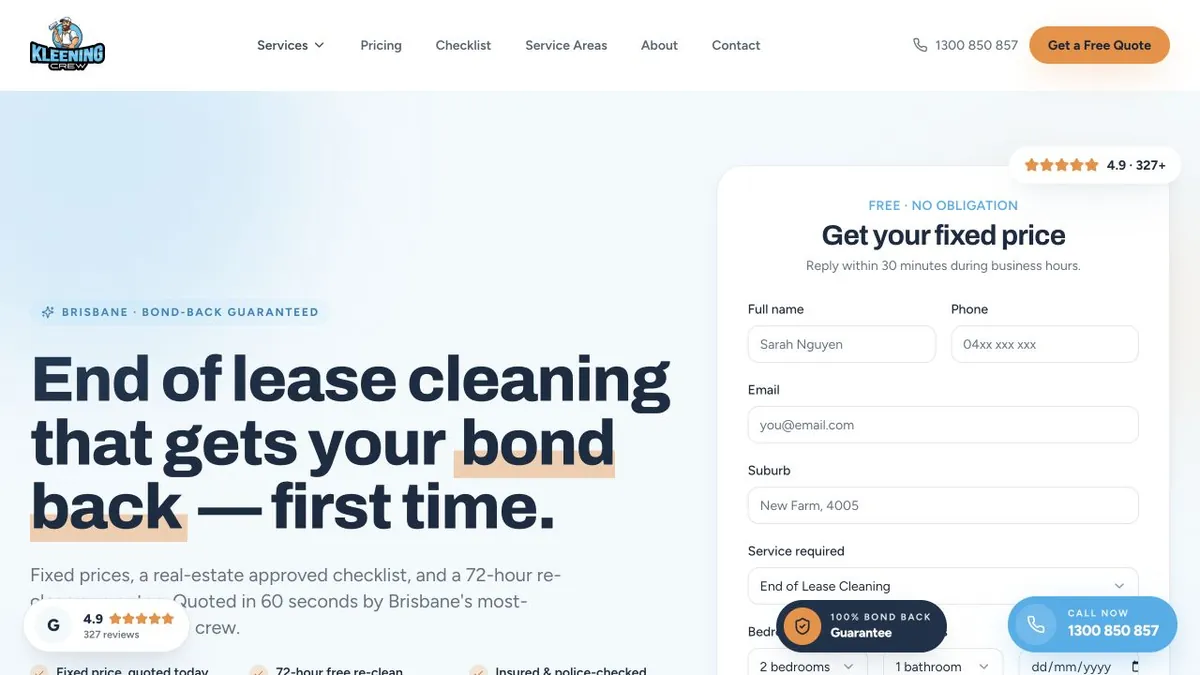
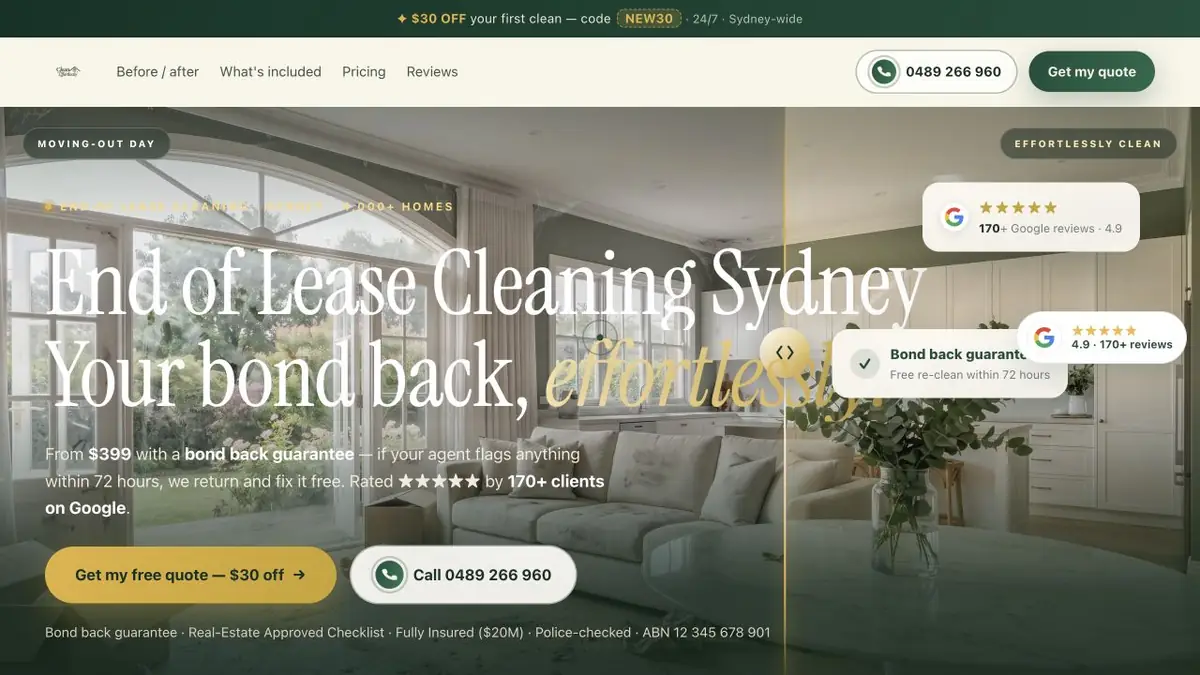
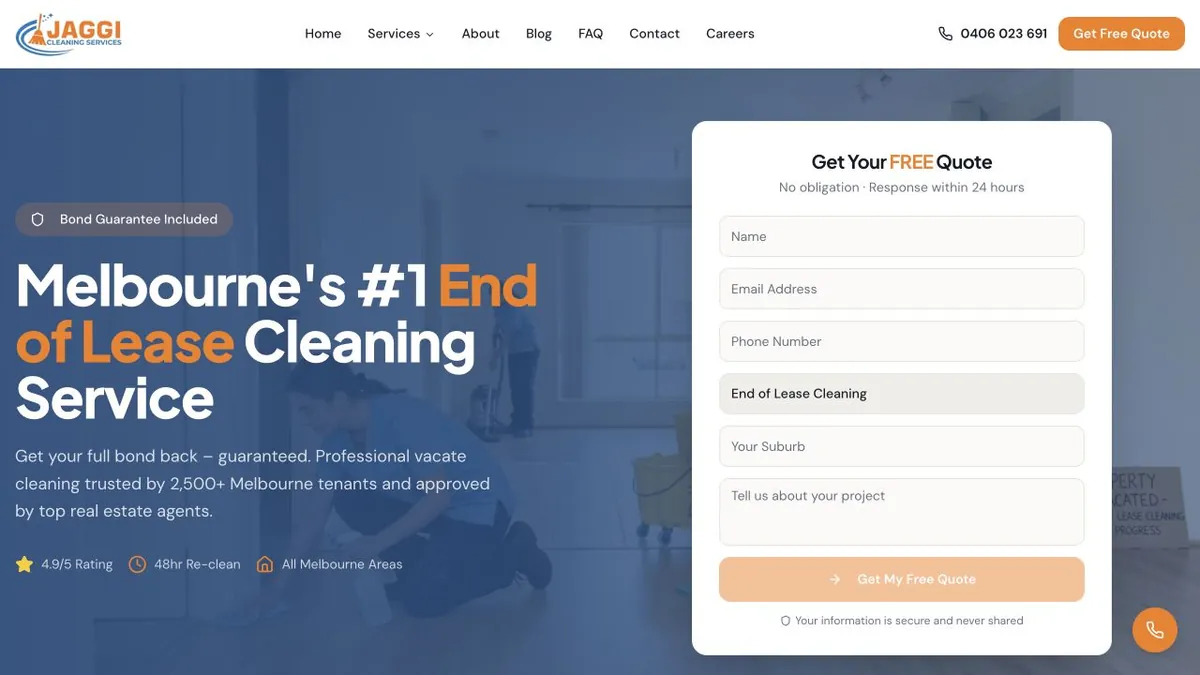
138 jobs in 41 days at A$20.43 each · Pink Flamingo, an end-of-lease cleaning business in Melbourne · Full breakdown in the case study
See how we did it for businesses like yours.
Seven things
nobody puts in the pitch.
We hear these every week from business owners, in almost exactly these words. None of them are unusual, and none of them are your fault.
There is no safety net
A bad month does not just waste budget. It is rent, wages and the supplier who wants paying on Friday. Marketing has to earn its keep from the first fortnight, not the second quarter.
You are the owner, the marketer and the admin
You are quoting, invoicing, answering the phone and somehow expected to run advertising as well. There is no marketing team. There is you, between jobs, at nine at night.
You are up against businesses ten times your size
Your competitors have departments and six-figure budgets bidding on the same words. That is not a fair fight, and it is not meant to be — which is exactly why structure has to do the work budget cannot.
You needed the phone to ring last week
You cannot wait twelve months for organic search to build. You need enquiries now, from people who are already looking, which is why paid search is almost always where we start.
You have been burned before
Maybe an agency that overpromised. Maybe a boosted post that produced nothing but likes. You are sceptical, and honestly you should be — most of what is sold to businesses your size is sold on hope.
Nobody explains what is actually happening
Reports full of acronyms and a dashboard you never asked for. You want one thing answered: is this working, and how do you know? Anything that cannot survive that question should not be in the report.
The money leaks where you cannot see it
Wrong suburbs, wrong hours, people searching for jobs rather than services, DIY videos, the trade next to yours. None of it shows up in a cost-per-click report, and all of it is on your card.
Four steps between a stranger and an invoice.
This is the whole machine. Everything we do sits inside one of these four steps, and when a campaign is not working it is because one of them is broken — usually the third.
Somebody has a problem
A drain backs up, a lease ends, a car will not start. They pick up their phone and type it, usually with a suburb attached.
They see your ad, not the category
Your ad has to repeat their words back to them. Not your business name three times — the exact job, the exact area, and one reason to choose you.
They call or fill in the form
One screen, one question, one phone number that works with a thumb. Most enquiries are lost between the click and the form, not in the auction.
You get paid, and we count it
A call over sixty seconds, a booking, a quote request — each counted as itself with a value attached, so the bidding chases the job rather than the cheapest click.
And this is what actually lands in your account.
- Your own Google Ads campaigns, worked on daily rather than checked monthly
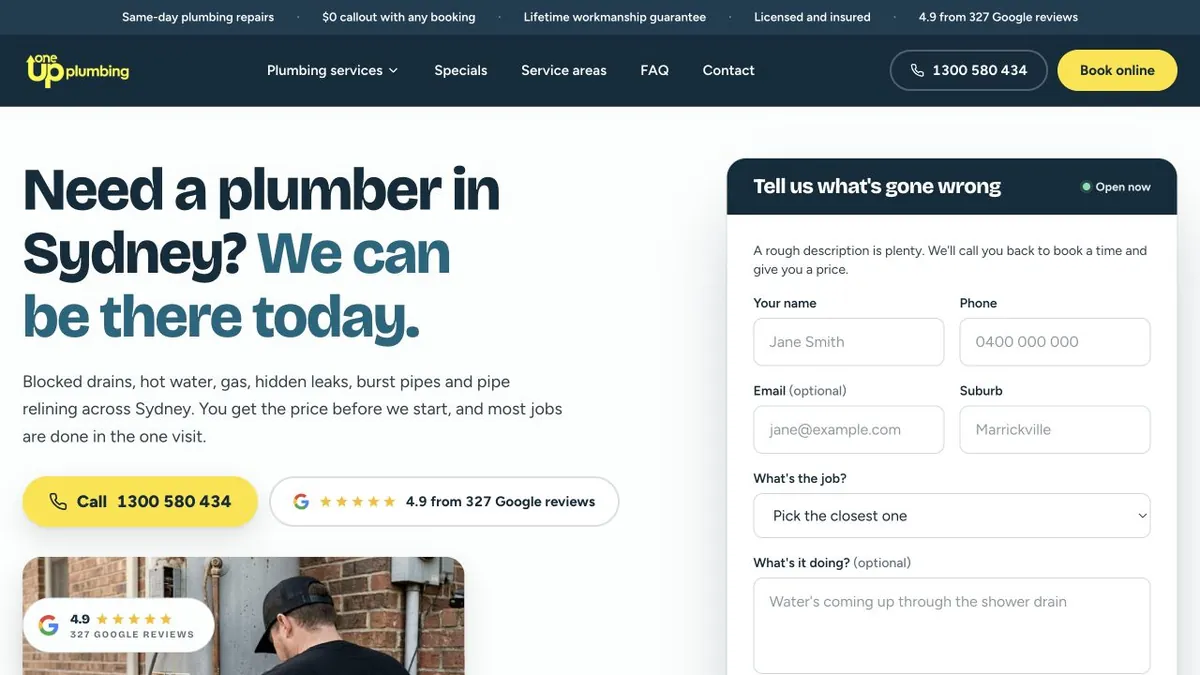
- A landing page written for the service you are advertising, not your homepage
- Google Business Profile filled in properly — categories, services, areas, photos
- Call tracking, so an enquiry is a number rather than a feeling
- A negative-keyword bank for your trade, applied before the first dollar is spent
- Competitor ad analysis: what they are bidding on and what they are claiming
- Ongoing testing on the ads that are actually being served
- A monthly report in plain English, and a person to ask about it
Pink Flamingo · 41-day period
A$20.43
Cost per job booked
138 jobs from A$2,819.92 of ad spend
Cleanetic Perth · 15-day period
53
Jobs from a brand-new account
A$24.92 cost per job · no conversion history at launch
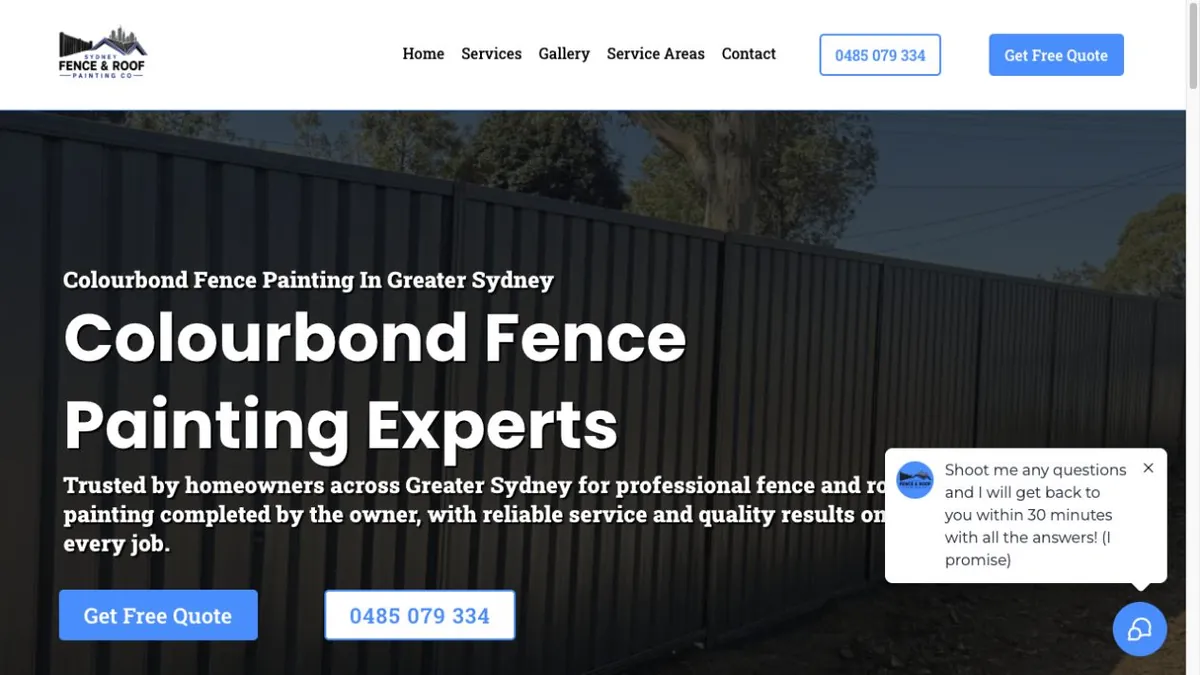
Sydney Fence Painting · 24-day period
36
Jobs booked
First quote requests returned by day three
Figures are from live client accounts and are dated in each case study. They are what those campaigns did, in those markets, at those budgets — not a forecast for yours.
Ten things happen on a small account. Here they are, in order.
This is the part most agency pages keep vague, and it is the only part that decides whether the money works. So it is written down.
Work out what a job is worth to you
Average job value, how many you can service in a week, and what you are willing to pay to win one. Every other decision — which channels, how much, which suburbs — falls out of those three numbers, and nobody can make them for you.
Start where demand already exists
Paid search first, because you are meeting people who have already decided they need what you sell. Awareness channels come later, once there is something producing to fund them.
Refuse the searches that waste money, up front
Plumbing, electrical and cleaning each have a negative-keyword bank our team maintains by hand, built from the accounts that came before yours. A new account in that trade inherits it on day one, so you are not paying to learn what we already know.
Split by job, not by business
Blocked drains, hot water and gas fitting are three different customers with three different urgencies. One campaign covering all three runs one ad that suits none of them, and the click price says so.
Target the area you actually drive to
Suburb, postcode or a radius around you, with presence targeting so you pay for people who are there rather than people reading about it. And an ad schedule that matches the hours somebody answers the phone.
Fix the page before blaming the ad
Paid traffic sent to a homepage converts badly at any budget. The page has to answer the ad's promise in its first screen, on a phone, in one thumb-scroll. If your site cannot do that yet, we build the page.
Fill in the free real estate
Sitelinks, callouts, structured snippets, call and location assets. Each one is more of the results page occupied by you and less by the business bidding against you, at no extra cost per click.
Read the search terms every working day
The actual words people typed. Waste gets negated, and the terms that produced customers get a place of their own. It is the least glamorous job on the account and the biggest single lever on cost per job.
Sort out the Google Business Profile
For a local service business the map pack often produces more calls than the website. Categories, service areas, service list, photos and a review habit — unglamorous, free, and routinely left half-finished.
Report it in the language you use
Enquiries, cost per enquiry, what changed and why, what happens next. If a line in the report needs a glossary, it does not belong in the report — and you can ring the person who wrote it.

No mystery. Here is the whole thing.
- The first call
Thirty minutes, and no pitch deck
Your goals, your budget, your frustrations. We tell you on that call whether we think we can help — including when the honest answer is that your money is better spent elsewhere right now.
- Week 1
The quick-wins audit
Google Business Profile gaps, local search gaps, wasted ad spend, broken tracking, competitor positioning. Things that can move this month. You keep the document either way.
- Weeks 2–3
The build
Campaigns, keywords, negatives, ad copy, assets, the landing page and the tracking. A second person checks all of it. Nothing is live and nothing has spent.

- Day one
You press go
Campaigns are created paused so you can read the whole build first. You activate when you are ready, not when we are. That is a rule we hold ourselves to, not a favour.
- Days 1–14
The clean
The busiest fortnight the account will ever have. Search terms read daily, waste negated, early winners promoted, ads iterated against what is actually being served.
- Month 2 onward
Rhythm and review
Weekly optimisation, monthly reporting on a fixed date whether the news is good or bad, and an honest conversation about whether to hold, scale or stop.
Campaigns are created paused, every time. You read the build before a dollar moves — that is a rule we hold ourselves to, not a favour.
A small account gets the same standard as an eight-figure one.
Compound is how our team works on any account — six stages every change passes through. Two of them carry most of the weight when the budget is lean.
Meter
If it can't be measured, it doesn't get bought.
Call tracking, form tracking and conversion values go in before the first dollar of spend. At a small budget this matters more, not less: there is no room to fund a channel on a hunch, and an untracked phone call is indistinguishable from no phone call at all.
Sweep
Waste is found daily, named, and priced.
The daily search-term clean is this stage, on your account. Waste is negated, winners are promoted, and both land in a dated record — so “we optimised the campaign” is a list you can open rather than a sentence in an email.
Four owner-run businesses.
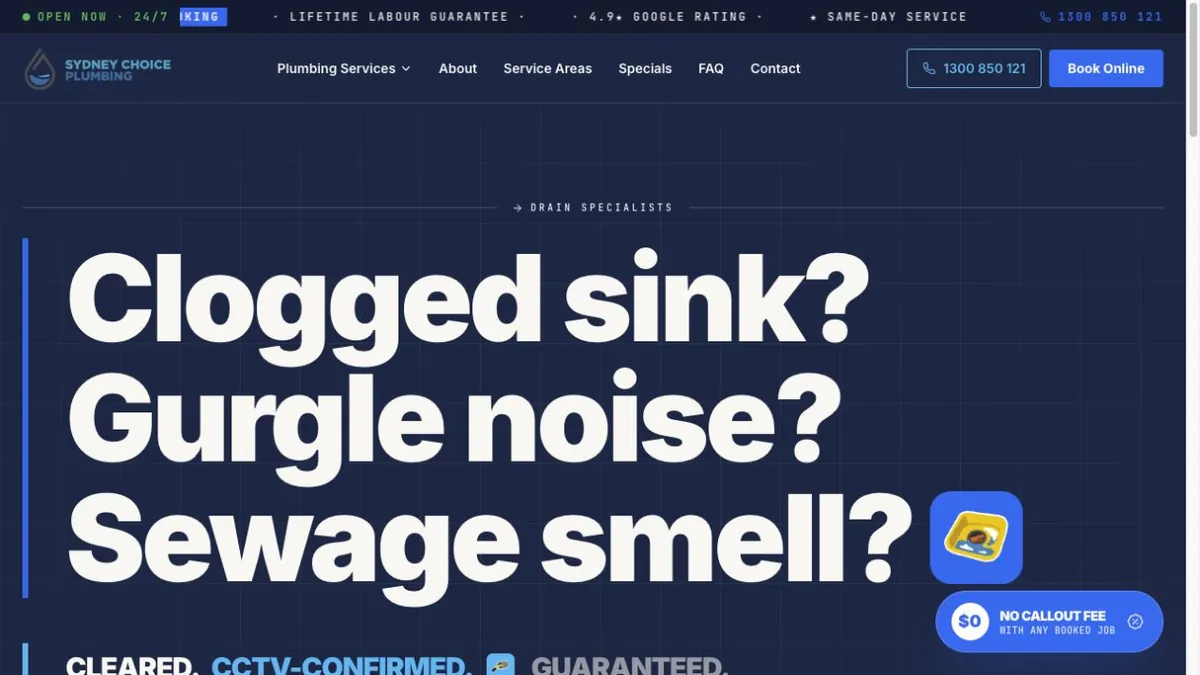
Not enterprise accounts with enterprise budgets. Local service businesses, with the spend behind every number in the case study.
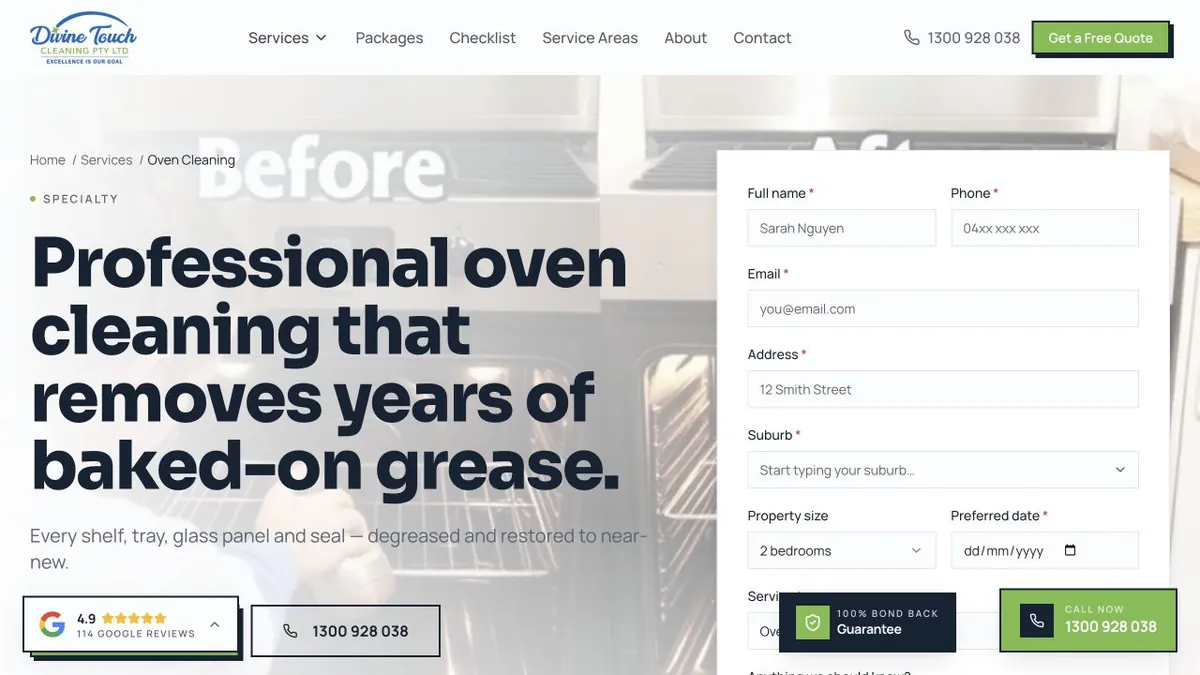
- End-of-lease cleaning · Melbourne138jobs booked in 41 daysA$20.43 cost per job · 21.20% conversion rate · A$2,819.92 ad spendPink Flamingo
- Carpet cleaning · Perth53jobs in the first 15 daysA$24.92 cost per job · brand-new account, no conversion history at launchCleanetic
- Fencing and painting · Sydney36jobs booked in 24 daysJob-type campaign split · first quotes returned by day threeSydney Fence Painting
- Roof restoration · Melbourne68quote requests in 35 daysReady before the storm · insurance-literateCornerstone Roofing
Before you ask us anything
Here is what everybody asks first.
Honest answers.
Budget, timing, contracts, who owns the account, reporting, and what happens when a campaign is not working.
The first call is free and there is no deck.
Ask us anythingThe smallest companies we work with invest a minimum of A$3,000 a month in ad spend, and our management fee sits on top of that. Below that level a search account usually cannot gather enough conversion data to be optimised properly, and we would rather tell you that on the first call than take the money and hope. If your budget is not there yet, the honest first move is often Google Business Profile, reviews and local search — slower, but it does not need a monthly cheque to keep working.
Paid search can produce calls and form submissions within hours of going live, because you are meeting demand that already exists rather than creating it. The first two to four weeks are an optimisation period while we cut waste out of the account. Local search improvements usually show over four to eight weeks. Pink Flamingo booked 138 jobs in 41 days and Cleanetic booked 53 in its first 15 days on a brand-new account — your trade, your competition and your budget all move that timeline.
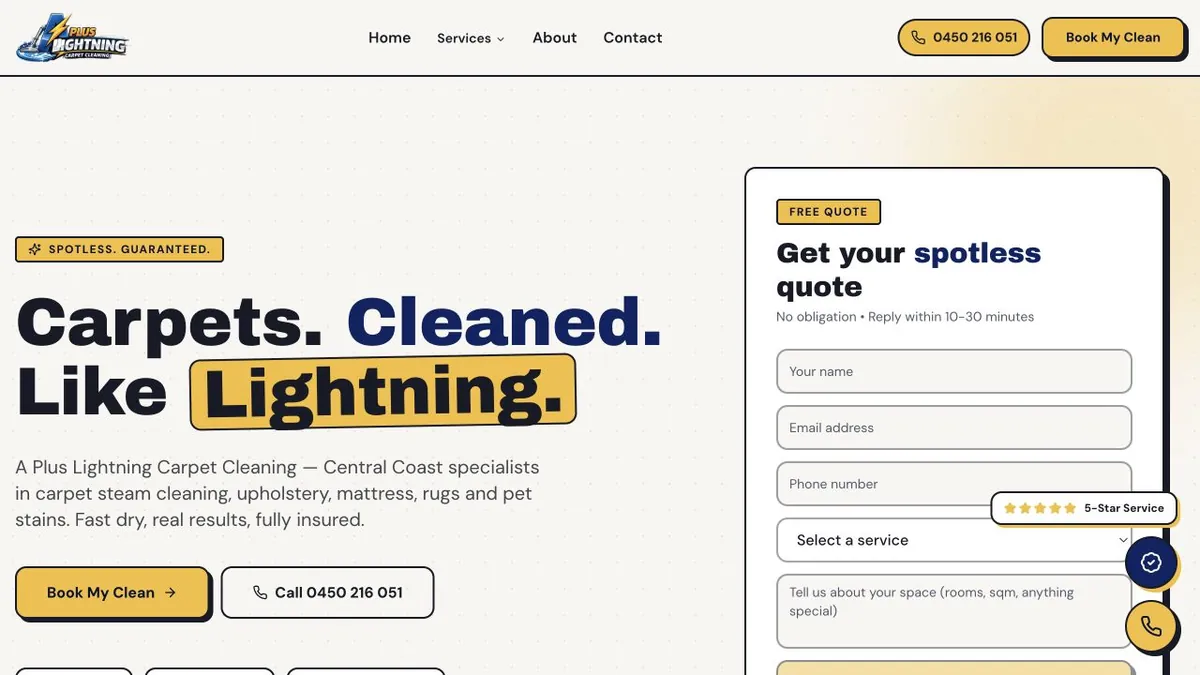

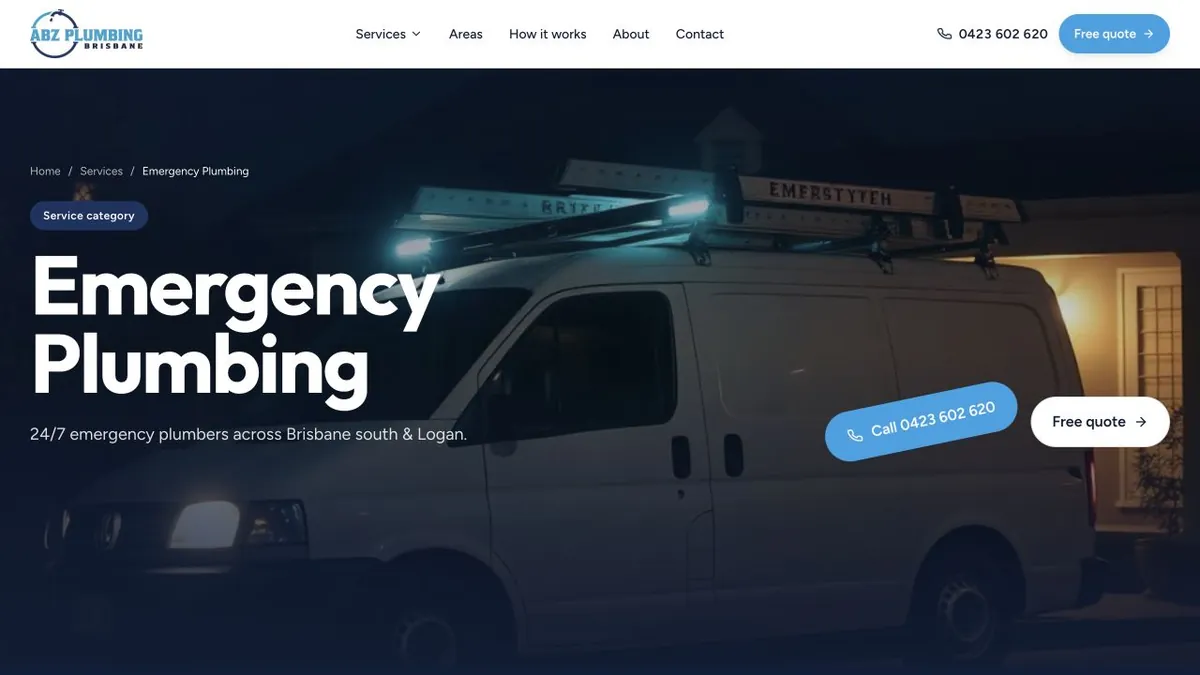
Not necessarily. We can build a focused landing page as part of the campaign setup, and for a single service a dedicated page often converts better than a full website does. What you do need is somewhere the ad's promise is answered in the first screen on a phone. If you already have a site that cannot do that, the page is usually the cheapest thing to fix in the whole account.
We hear it constantly, and the answer is structural rather than reassuring. There is no long lock-in. Campaigns are built paused so you read the whole thing before a dollar moves. The person you meet is the person on the account. Reports are in plain English, on a fixed date, good news or bad. And if it is not working we say so and change it — none of that requires you to trust us in advance, which is the point.
No long-term lock-in. We would rather keep the work because it is producing than because a document says you have to stay. What we do ask for is enough runway to be fair to the account — a campaign judged on its first ten days is being judged during the fortnight we are still cutting waste out of it. The terms are put in front of you in plain English before anything is signed.

We own and run the account, because the build is proprietary methodology refined across 250+ engagements — campaign architecture, negative-keyword libraries and conversion tracking. You get full-visibility reporting on performance and spend at all times, and on long-term agreements ownership and handover options are available to discuss. You will never be in the dark about what is in the account or what it is doing.
We tell you, in the report, in plain English, and we change what we are doing. A campaign that is not producing gets restructured, repointed at a different set of searches, or stopped. If the honest answer is that paid search is not right for your business at this budget, we would rather say so than keep billing you for it. What we will not do is let it run quietly and hope it comes good.

Enquiries, cost per enquiry, what we changed and why, and what happens next — on a fixed date each month whether the news is good or bad. You can see live performance and spend at any time as well. If a line needs a glossary it does not belong in the report, and you can ring the person who wrote it rather than an account inbox.
We have run campaigns across 50+ industries, from trades and cleaning to health, automotive, hospitality, property and education. Ten trades have a dedicated page on this site with the searches, the objections and the client numbers behind them. Before any campaign we do the industry research anyway — the language your customers actually use is rarely the language the industry uses about itself.
Yes. Shopping campaigns, product feeds, e-commerce SEO and conversion work on the store itself are all in scope. A small store usually runs Shopping alongside Search rather than instead of it, and the search term data decides where the budget sits. The same rule applies as anywhere else here: the tracking goes in first, so revenue rather than sessions is what the bidding chases.
Yes — that is the arrangement, not an upgrade. You deal directly with the person working on your account rather than an account manager relaying messages. At this size it is also the only structure that makes sense: the details that decide whether a small account works are the ones that get lost in a handover.
Yes — by suburb, by postcode, or by a radius around your premises, and we use presence targeting so you pay for people who are physically in your area rather than people reading about it from elsewhere. Combined with an ad schedule matched to the hours somebody can answer the phone, it is usually the fastest reduction in wasted spend available on a local account.

Where a small business usually starts.
Most owner-run accounts we build use two of these, not six. Marketing for compares the three size segments side by side, if you are not sure this is the right page for you.
- Google Search campaignsThe channel almost every small business starts on, explained properly — keywords, negatives, ad copy and what a job actually costs.
- Winning the map pack in your own suburbsThe map pack and the Google Business Profile. Slower than ads, and for a local service business often the cheapest calls you will ever get.
- Every channel, priced for a small budgetWhat happens between the click and the booked job — the part that decides whether the advertising was worth it.
- Website designA page written to answer one ad, on a phone, in one thumb-scroll. Usually the fastest fix in the whole account.
- Facebook and Instagram adsReaching your local area cheaply once search is producing. Good for staying in mind, poor as a first channel.
- Knowing which fifty dollars workedHow a phone call becomes a number. Nothing on this page means anything without it.
- Growing companiesIf you have already got one channel working and the question is now how to add a second without the cost per lead climbing.
Three briefings cover the ground small businesses ask about most: ranking a service area with no shopfront to list, where a small contact list loses warm leads, and how to tell whether your current agency can explain its own work.
Thirty minutes, no deck
Tell us what you do, where you work and what a job is worth. We will price the waste in what you are running now and tell you honestly whether we can help.
No pitch deck. No upsell. A real conversation and a written list of leaks.