
Identify the premises before discussing the arrangement
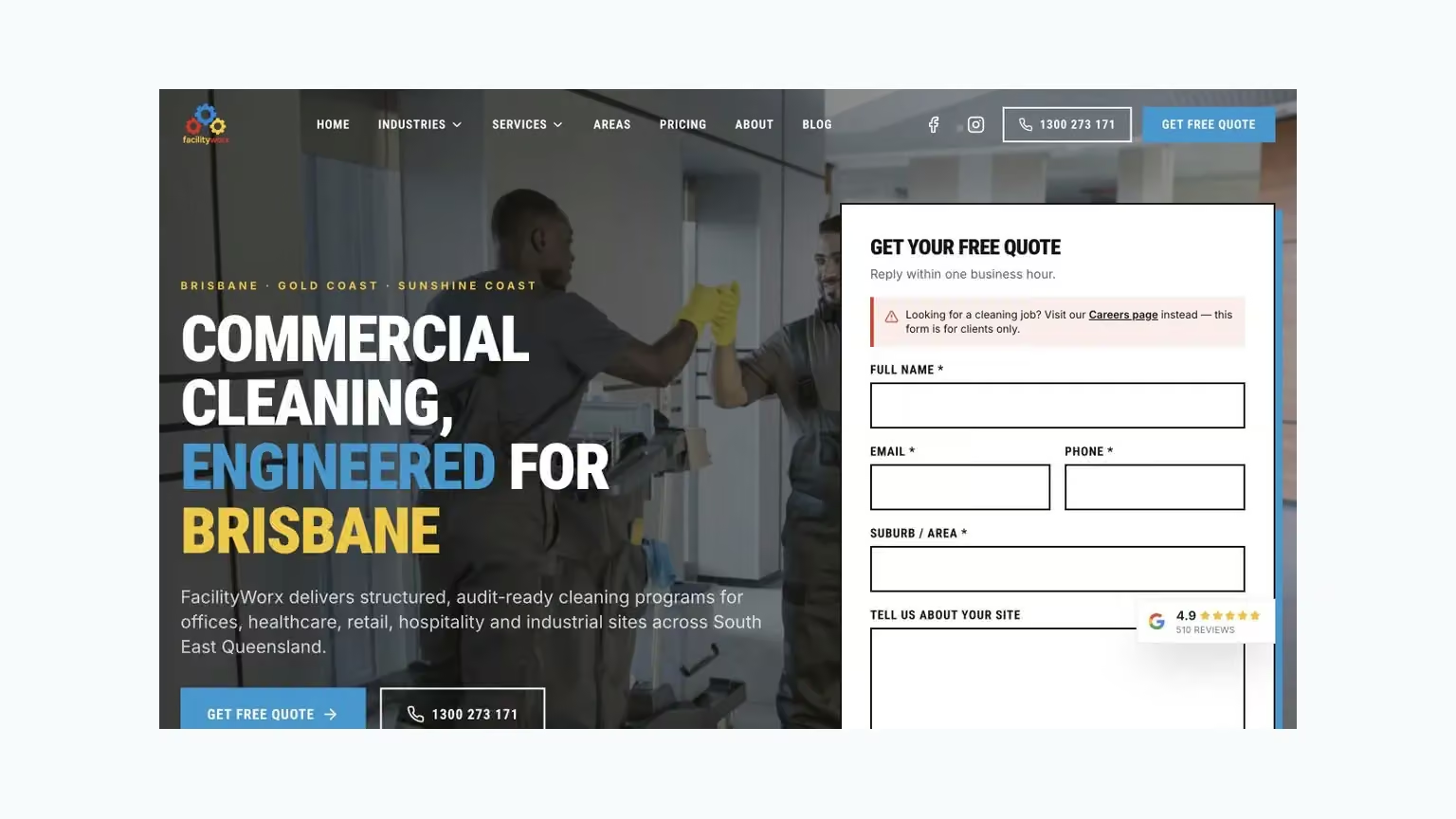
The FacilityWorx website brings together commercial service information for Brisbane, the Gold Coast and the Sunshine Coast with a site-brief form. The Perth Commercial Cleaning Services website similarly asks for suburb and premises details. Both give the physical site a central place in the enquiry.
For a new brief, useful starting points include the type of premises, approximate size, occupied hours and desired frequency. These are not interchangeable questions. A venue open late, a shared office and a site with restricted access may need very different arrangements even when their floor areas are similar. Ask what changes the delivery plan, rather than collecting detail merely because a form has room for it.
Use the customer's setting to organise the message
The Retro WC Cleaning website includes a hospitality page with venue-specific information. It shows how a general cleaning brand can give one commercial setting a more focused explanation without abandoning its visual identity or quote journey.
That approach can help a business describe office, hospitality or other work it actually offers. Each page should explain the relevant tasks and practical considerations. Do not invent specialist certifications, access arrangements or sector experience to make a page sound authoritative. If a site visit is needed before committing to the scope, make that part of the next step.
Explain how pricing is arranged
FacilityWorx and the Perth website use separate pricing arrangements rather than one unexplained figure. This can help customers distinguish an hourly arrangement from area-based work or a recurring contract. It gives them a vocabulary for the quote discussion without pretending every premises can be accurately priced from a headline.
The important question is what the arrangement covers. Frequency, tasks, consumables, access and changes in scope may affect a proposal. Put the explanation near the relevant option and give the customer a way to provide context. A clear pricing structure is useful even when the final amount requires inspection or further questions.
Make recurring work visible in the enquiry
A form designed solely for a one-off clean may not capture the information needed for a recurring service. Give a customer room to explain preferred days, frequency and the reason for seeking a provider. Keep these fields easy to understand, and distinguish required information from details that can be discussed later.
This can also improve the first conversation. The team can prepare questions about access and the scope rather than begin by discovering whether the request concerns an office or a home. Use those details to prepare the site discussion and identify any access or scheduling questions before quoting.
Review quality over a suitable decision period
Commercial requests may involve inspections, proposals and several people before a decision is made. Reviewing only immediate bookings can overlook work still being considered. Keep a simple distinction between unsuitable requests, proposals in progress and accepted arrangements.
The FacilityWorx campaign case and PCCS campaign case provide relevant service examples. When assessing your own activity, agree a review period that allows proposals to progress and record why opportunities did or did not proceed.
Give the site manager a clear next action
After reading the service page, a customer should know whether to request a site discussion, send a brief or arrange an assessment. Choose wording that describes the actual next step. A button promising an instant confirmed quote is confusing if the team needs to inspect the premises first.
Ask a person unfamiliar with the site to read the proposed enquiry form and explain what kind of premises it suits. If they cannot distinguish a recurring commercial request from a household clean, the opening questions may be too general. Conversely, a form full of procurement terminology can discourage a small office manager. Use labels that match the customers the business serves, and provide a free-text option for a site that does not fit the standard choices.
A practical commercial cleaning marketing brief connects the message, the site questions and the proposal process. The resulting website can remain concise. Its depth comes from asking the right questions about a real workplace, not from adding long lists of industries the business might theoretically serve.