
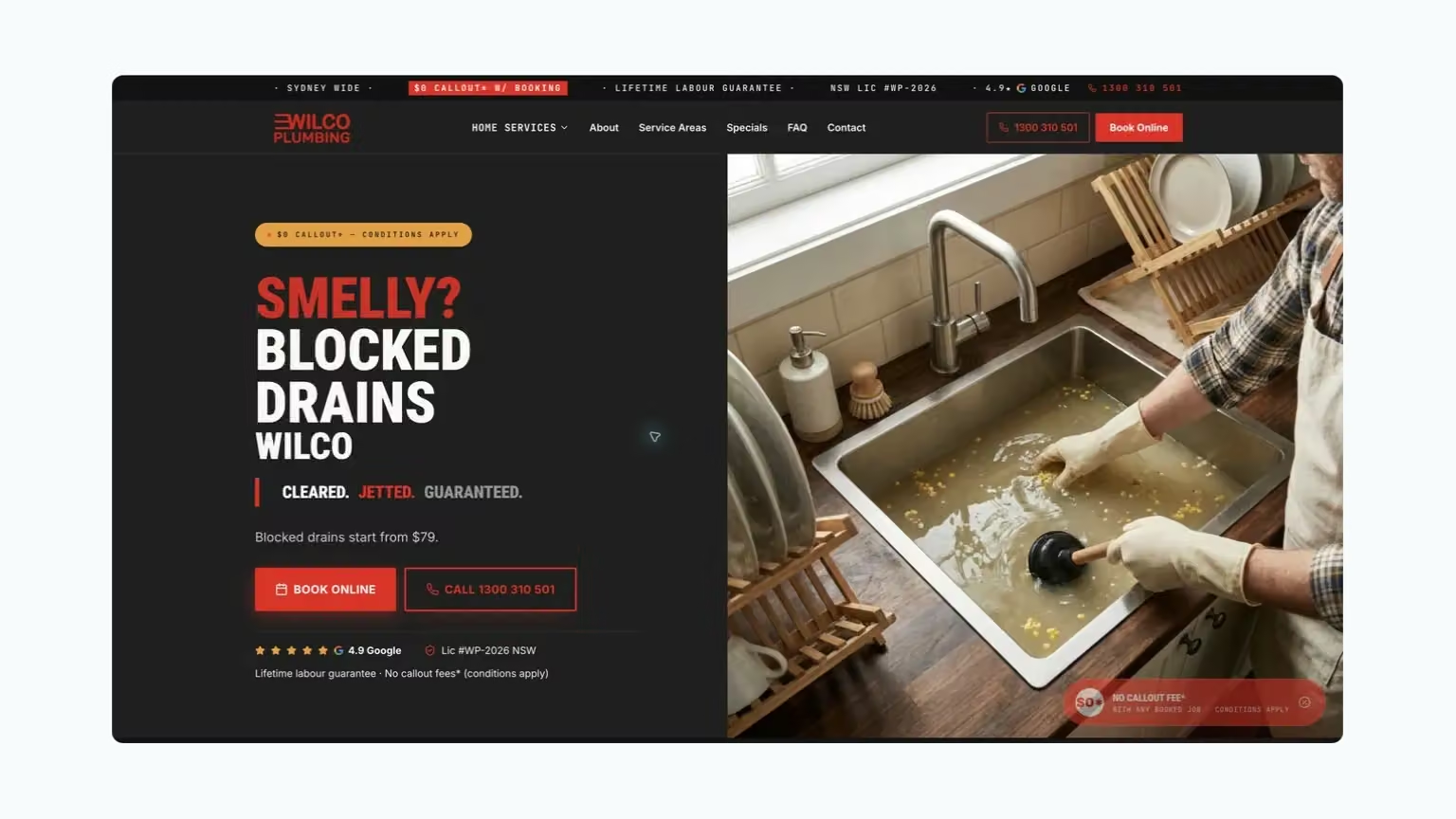
Present the service the customer came to find
The Wilco campaign case describes residential plumbing coverage including blocked drains, hot water, leak enquiries and general plumbing across Sydney. The website case study documents separate service pages and Sydney and Newcastle coverage.
Those facts support a useful design principle: a large range needs clear entry points. A person searching for a blocked drain should be able to begin with drainage, while someone comparing hot-water options needs a different explanation. The breadth of the business can support both pages without requiring every visitor to read the full service catalogue before making contact.
Change the explanation, not just the headline
Wilco’s captured blocked-drain and hot-water pages use different opening messages, supporting information and service imagery. The distinction gives each page a reason to exist beyond a different search term. It helps customers recognise the subject quickly and continue into information relevant to their job.
For another plumbing business planning similar work, start with the questions the office hears about each service. Drain customers may describe recurring symptoms. Hot-water customers may be uncertain about repair or replacement. Write the page around the decision they need to make next, while leaving diagnosis and technical recommendations to the plumber.
Keep contact choices familiar across the range
The website places separate booking and phone actions within a consistent black, white and red identity. Customers can recognise the next step even when they move between services. This matters because researching a plumbing problem is not always a straight path from one page to one call.
The wording should explain what each action does. A phone option starts a conversation; a booking request may require the team to confirm details and availability. Make that distinction clear. Familiar placement helps navigation, but it does not justify promising immediate attendance or confirmed appointments unless the business can deliver those commitments.
Keep location statements tied to real coverage
The website includes Sydney and Newcastle. Give each area a clear service explanation and contact route. Confirm coverage and availability with the team so that a customer knows whether their job can be arranged.
Owners can use the same discipline when planning new location content. Ask whether the area is genuinely served, which services are offered there and what customers need to know before enquiring. A page should help a resident decide whether to contact the business. Merely repeating a suburb name many times contributes little to that decision.
Review the service range in parts
A broad campaign should still be understandable by service. Review which kinds of enquiries arrive, whether they fit the advertised work and which become suitable jobs. A weak result in one category does not automatically mean the entire company needs a new message or website.
This also makes changes easier to explain. If customers repeatedly misunderstand one hot-water offer, improve that page and the related advertising. If drainage enquiries concern areas the team does not serve, review the local coverage. The useful action depends on the reason for the mismatch, rather than the combined number of enquiries across every plumbing service.
Use the established brand to make choices simpler
An established business has a reason to present its experience and service breadth. The website should make that information accessible without crowding the first screen with every possible claim. Relevant working images, clear service navigation and a recognisable contact pattern can do more for comprehension than a wall of badges.
One useful review is to give a colleague a service name and ask them to find the corresponding information from the homepage on a phone. Observe the labels they choose and where they hesitate. Repeat with a different service rather than assuming one successful route proves the whole navigation works. The exercise can reveal whether the company's broad capability is actually accessible to a customer who does not know its service names or the exact wording used in the menu.
A plumbing marketing plan can follow the same structure: decide the services, confirm the areas, explain each customer problem and keep the next action consistent. Wilco’s work shows that breadth and clarity can sit together. Review each service against the enquiries and accepted jobs it brings, then improve the parts that need attention.