
Explain the choices before asking for a decision
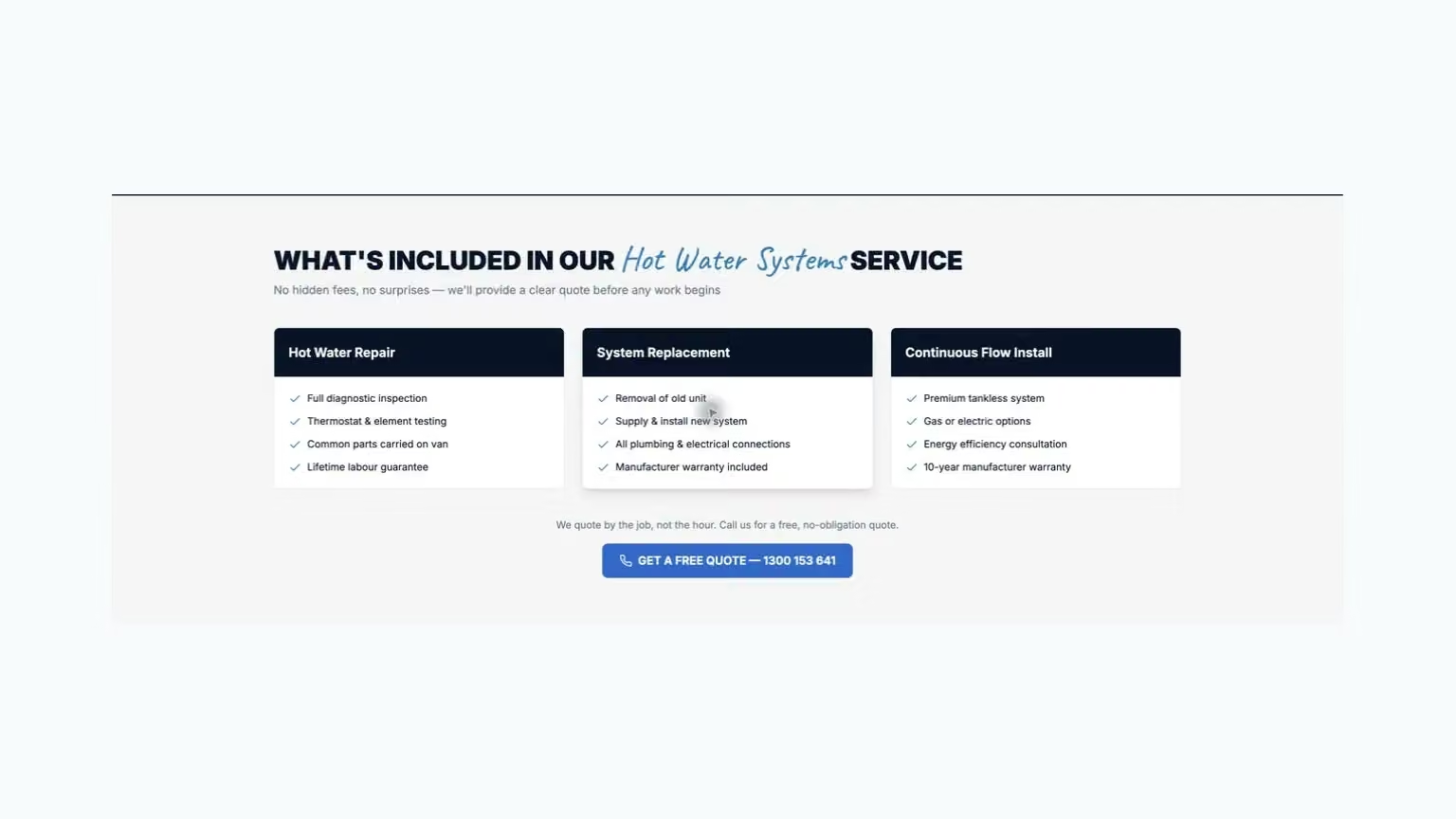
The Aussie Plumbing website separates hot-water repairs, full system replacement and continuous-flow installation into short service lists. This gives the visitor a way to compare the kinds of work being offered. It does not require them to know which technical solution is appropriate before making contact.
That distinction is useful when planning content. Describe what each service concerns, the questions a customer might have and what the team needs to assess. Avoid making equipment selection sound like a simple marketing preference. The appropriate system depends on the property and a qualified assessment, so the website should support that discussion rather than substitute for it.
Use the customer's circumstances as context
A useful request might say that the water is not heating, that an existing unit is leaking or that a household is planning a replacement. Ask for the suburb and any details the customer can readily identify. A photograph or model description can be optional if the team finds it useful.
Do not encourage people to inspect unsafe equipment or attempt repairs to complete a quote form. The enquiry should work with information they already have. A clear option to call gives the customer another route when they cannot describe the system. The marketing task is to make asking for assistance straightforward, not to transfer technical responsibility to the visitor.
Match the page to the message being advertised
The RAKS website case documents a hot-water page with relevant equipment imagery and a form beside the explanation. The Wilco website also gives hot water its own introduction and contact actions. These are concrete examples of a service having a distinct destination.
If an advertisement discusses replacement, the page should make that option easy to find. If it discusses repairs, the first screen should not appear to sell only new installations. A consistent message reduces the amount of interpretation expected from someone who may be contacting several businesses to understand their options.
Give offers their practical boundaries
An offer can help a customer decide to enquire, but it needs to be clear what the amount or inclusion relates to. Equipment, installation circumstances and additional work may change the scope. Keep relevant conditions beside the offer and explain when the team can confirm the price.
Champion’s website includes separate hot-water offer cards within its service and specials presentation. Any business using an offer should verify the current terms, availability and the work it is prepared to deliver before promoting it.
Review repair and replacement requests separately
These enquiries may involve different decisions and timeframes. Someone with a failed system needs a prompt conversation, while a household planning an upgrade may be comparing alternatives. Combining both into a single verdict about lead quality can hide what is happening.
Review whether each request matches the advertised service, whether the team could assess it and what work was accepted. If suitable repair enquiries do not become replacements, that alone does not make the campaign unsuccessful. Judge the campaign against the service it promised and the commercial objective agreed beforehand, rather than changing the definition of success after enquiries arrive.
Make the next conversation easier
A strong hot-water page answers a small number of important questions: does the business handle this kind of work, does it serve the area, and how can the customer explain the situation? It can then provide supporting detail for people who want to read further.
Check whether a customer researching a future replacement and someone asking about a failed unit can both identify the appropriate next action. They do not need identical page journeys, but neither should feel that the business only handles the other kind of request. Use the heading and short introduction to establish the service, then let the visitor choose a call or request according to the options actually available. Review the wording with the people who handle those conversations every day.
For a plumbing marketing brief, ask the service team which information repeatedly saves time and which phrases create misunderstandings. Use those answers to shape the copy, image and form. The result should help a person reach a qualified conversation with realistic expectations about what can be decided before the property or system is assessed.