
Begin with the service the business actually provides
The RAKS campaign case describes work on Sydney’s North Shore including CCTV drain inspections, pipe patching, leak detection, tap replacement, leaking showers and roof plumbing. The range contains distinct reasons to enquire, rather than one interchangeable plumbing request.
For a campaign brief, name the intended service and the kind of customer problem it addresses. Confirm any area or availability claim with the business. This keeps the advertising specific without making it narrower than the work actually delivered. It also provides a reference when someone later asks whether the campaign is generating the right requests.
Give the destination its own opening message
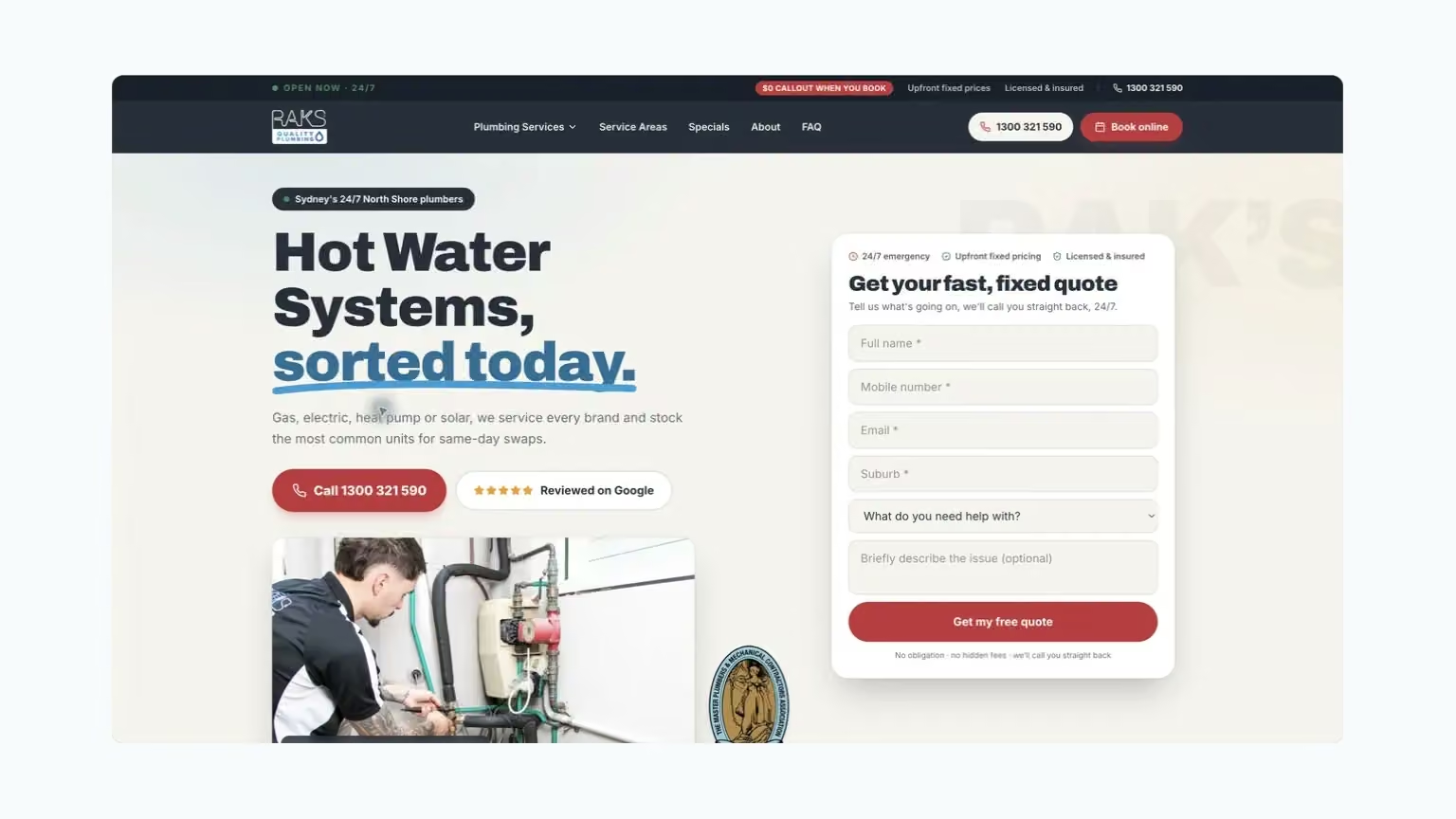
The RAKS website case includes separate blocked-drain and hot-water pages with different headlines, explanations and photographs. The visitor can immediately recognise the subject they came to investigate, while the underlying layout stays familiar.
This is the useful balance for a service business. Consistency makes the site easy to navigate; relevant content makes each page worth opening. Reusing a layout is reasonable, but copying the same explanation under a new service name can leave important questions unanswered. Ask what a customer needs to know about this particular job before they decide to call.
Let the enquiry retain that context
The RAKS forms ask for the customer's suburb and plumbing issue. Those details connect the request with the local service brief. A customer can explain what they are experiencing without being expected to choose a technical solution before speaking with the plumber.
When reviewing another website, look for places where context is lost. A service button might open an unrelated general form, or a page might make the customer select the same service repeatedly. Fix those interruptions where they create unnecessary work. Keep the form understandable on a phone and leave room for someone to say they are unsure what the problem is.
Make the phone option useful on a small screen
The RAKS mobile example includes a fixed bottom call panel while the service content becomes a single column. This keeps a contact route available as the customer reads. The customer can keep reading and call when they are ready to discuss the job.
For a similar page, check the control at the smallest practical screen size. It should not hide form fields, conditions or the next paragraph. Its message should also agree with the business's actual availability. A prominent phone button helps someone make contact; it does not by itself establish how quickly a plumber can attend.
Audit the promises as a sequence
Read the ad, headline, service explanation, offer and confirmation message in order. Look for changes in meaning. A page that begins with specialist investigation should not imply that every enquiry qualifies for an identical repair. An offer with conditions should not lose those conditions when condensed into a banner.
This exercise is especially useful when different people create the advertising, website and reception script. Each may be accurate in isolation while using different terms for the same work. Agree the plain-language description of the service and the next step, then use it consistently. That gives the customer fewer assumptions to correct later.
Review what customers understood
Ask the team which questions or expectations repeatedly appear in enquiries. If customers misunderstand the offer, revise the source of that misunderstanding rather than simply asking reception to explain it every time. If the requests are relevant but dates are unavailable, the issue is different from unclear service copy.
A simple handover check is to ask the person answering enquiries to read the proposed service page before it goes live. They can flag terms customers use differently, offers that need explanation and questions that would make the first call more productive. It helps the advertising, website and spoken explanation describe the same work in terms a customer is likely to understand.
Plumbing website design and enquiry-quality improvement meet at this point. RAKS provides a concrete example of service-specific pages, local questions and visible phone contact. The broader method is to make each step reinforce the same service promise, then judge the result from the work and conversations the business actually receives.