
Use symptoms to help people recognise the subject
The Elite Plumbing Group website introduces its drain category through recognisable symptoms. The Champion Plumbing website uses a focused blocked-drain page and keeps that service selected in the enquiry form. Both help a visitor move from a problem they can describe to a relevant next step.
Symptom-led copy should remain careful about diagnosis. Several problems can cause a slow drain or a recurring blockage, so leave the diagnosis and repair recommendation to the plumber. The page can explain the kinds of work available while making assessment part of the conversation. This keeps the marketing useful without asking a headline to do a plumber's job.
Give drainage its own explanation
A general plumbing homepage can demonstrate breadth, but it may not answer the questions behind a drain enquiry. A dedicated page has room to discuss investigation, clearing and relevant repair options in plain language. Use the services the business actually offers and avoid implying that every job requires the most extensive solution.
The RAKS campaign case includes CCTV inspection and pipe patching among its services. Those are useful examples of why drainage can involve more than one task. A customer needs to understand the purpose of a service, not receive a list of equipment names without a connection to the problem they are trying to solve.
Preserve the service context in the enquiry
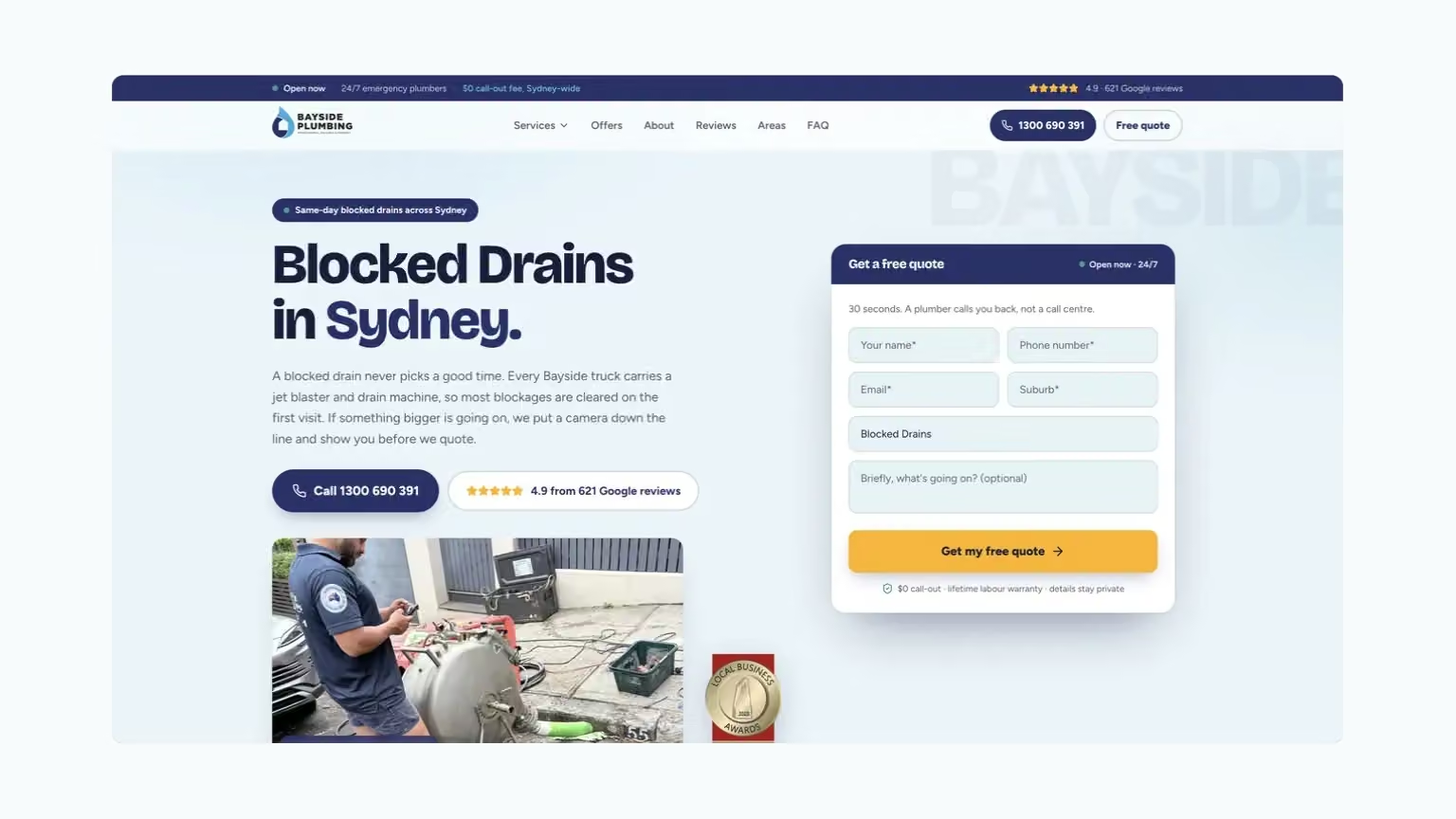
The Bayside website case shows a blocked-drain form already set to the service. That small design choice means the visitor does not have to start again by selecting general plumbing after reading a specific page.
Other useful details include the suburb, the affected fixture and a short description of what is happening. Make room for uncertainty. A customer may not know whether an issue concerns a sewer or stormwater line. The form should help them describe what they can observe, with the team deciding what further questions or assessment are appropriate.
Keep calling easy without covering the explanation
Drain problems are often researched on a phone. The Bayside and RAKS website examples include mobile phone controls that remain available while the visitor reads. The practical benefit is access to the next action; the control should still leave the page and form readable.
A phone button is only part of the promise. Its surrounding text should reflect actual availability and the kind of response the business provides. State attendance times only where the business can deliver them. A clear invitation to discuss the problem is more useful than an urgent claim that creates the wrong expectation before the call begins.
Review unsuitable requests by cause
When a drain campaign brings the wrong work, identify why. The request may come from an unsupported area, concern a service outside the business's scope, or be based on a misunderstood offer. Those are different problems requiring different changes to the page or advertising.
Look at the request in the context of the page the person reached. If visitors regularly expect a quoted price to cover every possible repair, the offer may need clearer boundaries. If they cannot tell whether the business handles their type of drain, the service explanation may be too broad. Listening to the first conversation can reveal issues that a headline alone does not show.
Make the whole journey agree
Read the advertisement, opening service copy, offer conditions and form as one sequence. Each should describe the same work and the same next step. The business should not promise a confirmed repair in the ad and then offer only an initial discussion on the page.
Keep a short list of the questions that customers ask before agreeing to the next step. These might concern the area served, how the initial assessment works or what an advertised inclusion covers. Use recurring questions to improve the page in plain language. Do not turn the list into speculative diagnosis instructions or a promise about every property. The most valuable addition is often a clear explanation of the next conversation rather than another paragraph describing the company in general terms.
Plumbing Google Ads and service-page design are connected decisions here. The relevant outcome is a customer who can explain the problem and a team that can respond with the right questions. Review whether requests reach the right team with enough detail to discuss the job, and follow suitable enquiries through to accepted work.