
A roofing enquiry often starts with a problem the homeowner can see: a ceiling mark, a damaged section or a roof that needs attention. The business still needs to understand the property, arrange an assessment and prepare the appropriate quote. Advertising works best when those steps form one clear customer journey.
The Aussie Roofing campaign connects service-specific ads with pages, tracked enquiries and job records. That provides a useful starting point for reviewing what happens between the first click and an accepted roofing quote.
Start with the question the homeowner has
A request about an active roof leak needs a different first conversation from a planned restoration or replacement. Write those starting points into the campaign brief. Identify the service, the area covered and the action the team can take after the enquiry.
Aussie Roofing gives repairs, restoration, replacement and other roofing work their own messages. The purpose is practical: a visitor can recognise the problem or project they came to discuss. Use the customer's description in the opening copy, then explain how the business establishes the work required through an assessment.
Carry the selected service into the request
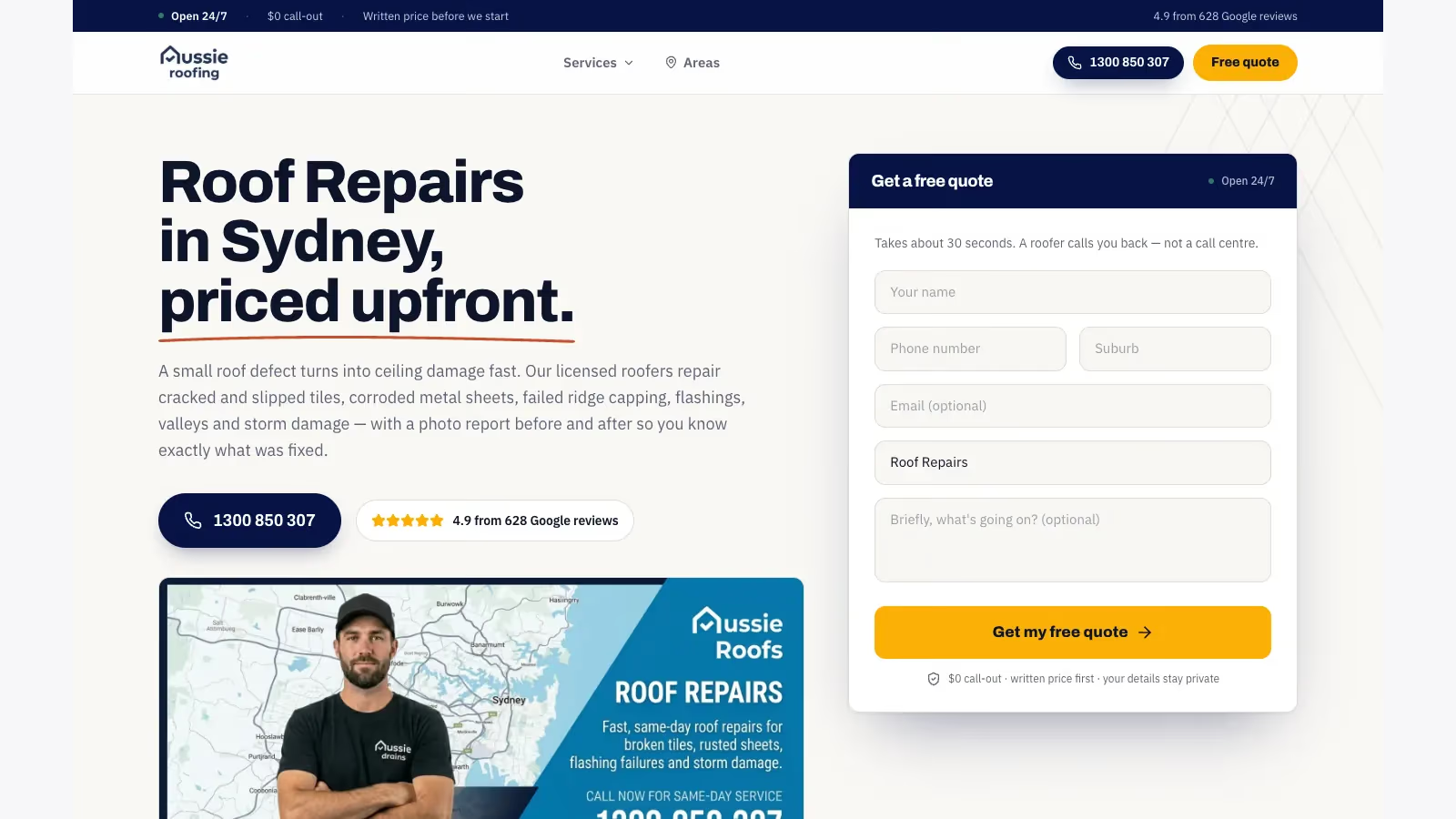
The Aussie Roofing website has a dedicated repair page with Roof Repairs already selected in its quote form. The enquiry starts with context because the page and the form describe the same task.
Apply that principle to each important roofing destination. Keep the service selected when a customer opens the form, allow them to correct it and send the page context to the office. A homeowner should not have to repeat a service choice simply because they moved from reading the page to contacting the business.
Collect a useful assessment brief
Start with the property suburb, contact details, a short description of the concern and the customer's preferred contact time. For planned projects, ask what they hope to change and whether there is a particular timing requirement. Let the office clarify access and appointment arrangements in the follow-up.
Photographs already available to the customer can provide context, but the form should work without them. Keep the questions about what they have observed and what they want done. The roofing team establishes the condition, scope and appropriate solution through its own assessment process.
Make the next step explicit
After a form is sent, tell the customer what happens next in terms the office can reliably deliver. If the team will call to arrange an inspection, say that. If more information is needed before a visit can be scheduled, explain who will ask for it.
The same wording should guide the person answering calls. Confirm the requested service, the property location and the agreed next action. An enquiry becomes easier to manage when the customer and the team finish that conversation with the same understanding of what is booked and what still needs arranging.
Give every open quote an owner and a next action
A useful roofing pipeline distinguishes an enquiry received, an assessment arranged, a quote being prepared, a quote sent and work accepted. Assign someone to the next action at each stage. This helps the business see where attention is needed while the customer considers the work.
When following up, refer to the actual project. Ask whether the customer needs an inclusion explained, a scheduling question answered or an alternative scope discussed. Record that answer with the quote. It prepares the next conversation and avoids repeatedly asking whether they have made a decision without helping them make one.
Follow one restoration enquiry through the process
Take a customer asking about restoration before a planned property sale. Record the goal and timing with the service request, then arrange the appropriate assessment. When the quote is prepared, the follow-up can explain the proposed work and discuss scheduling against that goal. Keeping the original context visible gives each person involved a useful reason for the next conversation.
Review roofing demand at the right stage
Compare services using the enquiries that have had time to progress through their normal quote process. A replacement project and a repair request may reach a decision on different schedules. Report assessments and open quotes alongside accepted work so the owner can see both current demand and completed decisions.
For campaigns, our Google Ads service for roofers connects the search with the quote journey. For customers researching options over several visits, SEO for roofers develops service information that helps them understand the offer and return when they are ready to enquire.
Questions and answers
Should roof repairs and restorations have different pages?
Separate pages are useful when they need different explanations, examples and quote details. Keep the contact process consistent while making the service and next step specific.
How should an owner review enquiries that are still being quoted?
Show them as open work at the appropriate stage. Compare completed decisions separately and give newer quotes enough time to follow the usual assessment and decision process.