
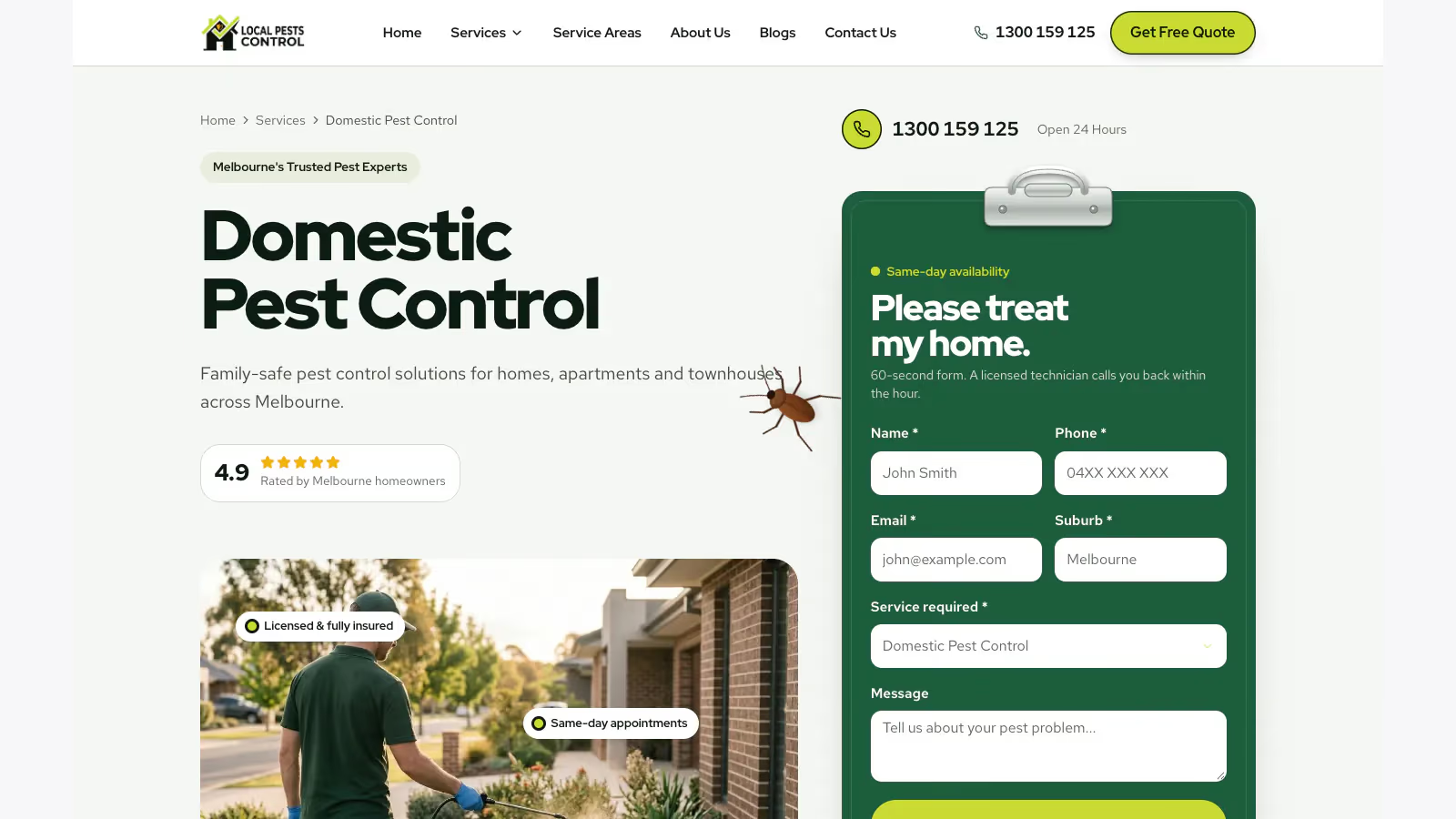
A pest-control customer may know exactly which insect they have seen. They may also be searching about a smell, noises in the roof or birds around the property. A useful campaign makes room for both kinds of enquiry and helps the customer explain what they have noticed.
The Local Pest Control campaign uses ads and pages for individual pest problems and local searches. Its structure shows how a broad service list can become a set of clear starting points for customers.
Turn the service list into customer questions
Start with the work the business actually offers, then write the language customers use when asking for it. A customer may describe rats, wasps or bed bugs directly. Bird proofing or an unexplained smell may need a short explanation before the person knows which service to choose.
Local Pest Control's campaign covers individual pests alongside possums, birds, proofing and dead-animal removal. These services have their own destinations. The lesson is to make each important request recognisable in the advertising, then explain the next professional step without asking the customer to identify the full cause themselves.
Separate the property context from the pest
A household and a business may ask about the same pest while needing different appointment arrangements. The first conversation can establish the property type, affected area, suburb and access requirements. A business enquiry may also need an appropriate contact person and an agreed time to discuss the site.
The Local Pest Control website includes domestic service content and a business version of its quote form. That makes the customer context visible early. It also gives the office a clearer starting point than a message containing only a name and number.
Help the visitor describe what they have noticed
A useful form asks for observations in ordinary language: what the person has seen or heard, where it is happening and how to contact them. Offer a service selector, with an unsure option or an open message field for people who cannot confidently choose.
Keep any photograph request optional. The visitor should be able to begin a conversation with the information they already have. These details help route the enquiry; the pest professional decides what further assessment is needed. Marketing copy can make that process reassuring by clearly explaining how the first contact will work.
Make local coverage useful
Local Pest Control pairs suburb searches with local messages and, where available, a relevant suburb page. A useful local page confirms coverage and the services offered there, with a direct route to contact the team.
Review location content against actual delivery. Are appointment arrangements accurate? Can the office explain how the property will be booked? Does a specialist problem still lead to information about that service? The suburb gives the enquiry a place; the service information gives it a purpose. Both need to remain clear as customers move through the site.
Use specialist pages to explain specialist work
Bird control, proofing and removal work deserve enough room to explain the offer. A general pest-control headline may get a visitor's attention, but a relevant page can explain what the business assesses, what information it needs and how the customer requests that assessment.
Choose examples and imagery that match the service being discussed. Describe the work the business provides without promising a treatment outcome before the property has been assessed. Our marketing for pest-control businesses brings those service distinctions into the campaign and the website.
Test the journey with a customer description
Consider a property owner asking about birds around solar panels. Follow the relevant search destination and check that the page explains the service, confirms coverage and offers a clear enquiry route. The request should carry that concern to the office, where the team can establish the property details and arrange the next conversation. Use the same exercise for a named pest and for an enquiry from a business.
Review the enquiries by problem and property
Keep the requested service and property type with the enquiry through to its outcome. Review which requests became appointments and won work, which needed a different service and which came from outside the area covered. Ask the team what information repeatedly needed clarifying.
Use that review to improve the page or form for the relevant problem. A useful specialist service may deserve clearer copy or a dedicated budget, while a familiar household service may already have a straightforward journey. Our Google Ads management uses that service-level view to plan the next campaign decision.
Questions and answers
Does every pest need a separate page?
Prioritise services that need their own explanation, attract distinct enquiries or matter commercially to the business. A page should contain useful service information and a relevant next step.
What if the customer cannot identify the pest?
Let them describe what they have noticed and where. Explain how the team will follow up and establish what assessment is needed, with a straightforward way to request contact.