
A made-to-measure blinds customer may compare styles, colours and rooms before they are ready to discuss a quote. The home appointment gives that research a practical next step: see suitable options, discuss the windows and understand the proposed work.
Impress Blinds in West Yorkshire uses product-specific campaigns and pages to invite those appointments. Its project offers a useful lesson for businesses selling fitted products: explain the value of the visit as carefully as the product itself.
Give each product search a useful place to land
Impress Blinds has separate search campaigns and destinations for products such as vertical, roller and Venetian blinds. That lets a customer continue the product conversation they started in search.
A useful product page explains what the range looks like, where to explore options and how the next step works. Show enough relevant imagery for the visitor to recognise the product. Keep terminology consistent between the ad, page and booking route so the customer can ask about the option that first caught their attention.
Explain what the home appointment does
For Impress Blinds, an advisor visits with samples, measures the windows and prices the job. That is a concrete offer: the customer understands why a visit is useful and what it helps them decide.
Describe your own appointment in the same practical way. Explain who attends, what will be discussed and how the quote is prepared. If the business offers a free measure, state the actual scope and conditions clearly. Keep the appointment description consistent with what the advisor will deliver when they arrive.
Support browsing before asking for a booking
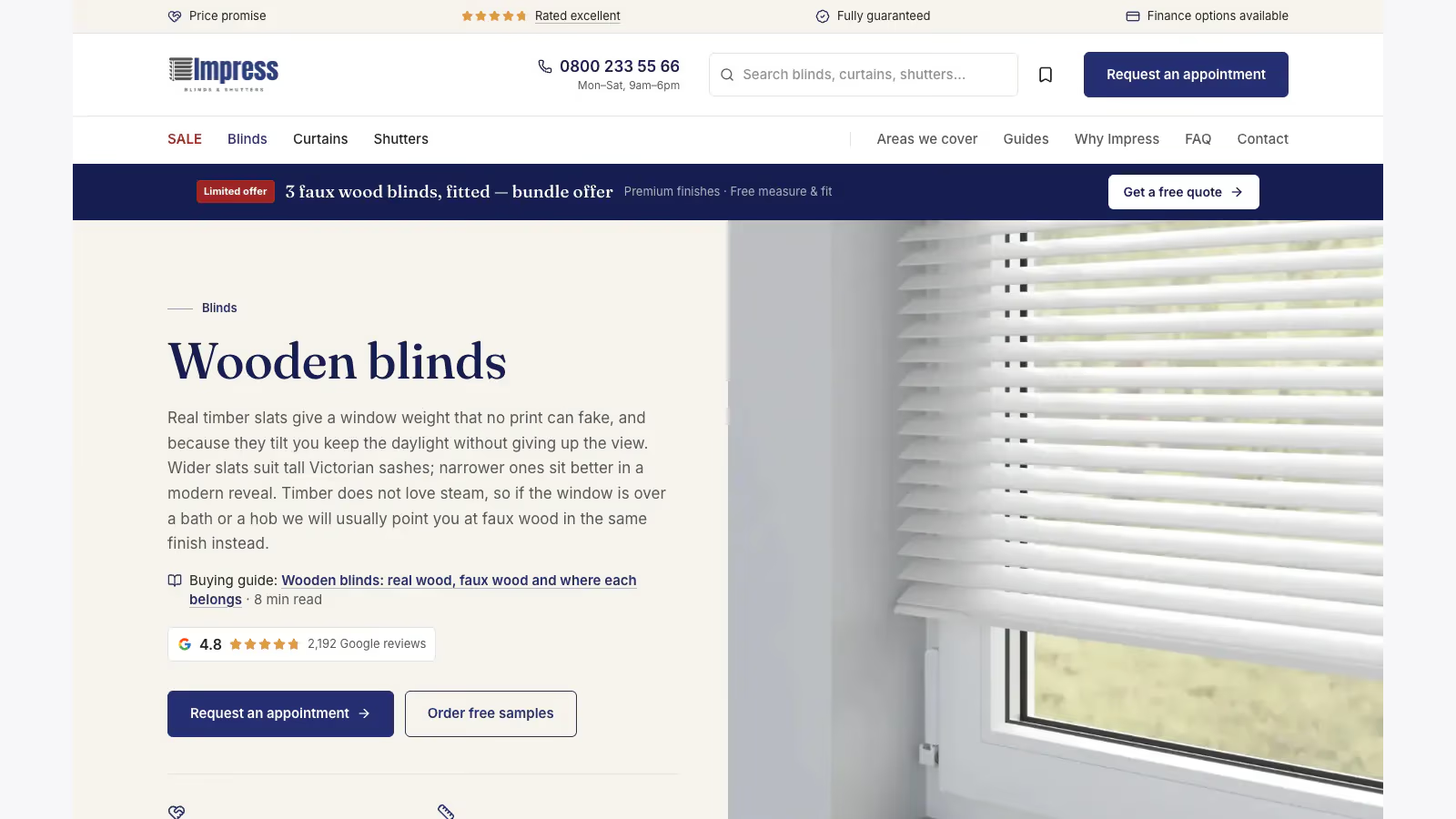
The Impress Blinds website gives visitors product pages, range information, style routes and guides. Its wooden-blinds page includes appointment and sample choices alongside the product explanation.
These routes serve different points in the buying decision. Someone selecting a style may want to explore materials or colours, while a homeowner preparing a project may be ready to arrange a measure. Keep the appointment option easy to find as they browse. A visitor should be able to take the next step once the information has answered their question.
Ask for an appointment brief the advisor can use
Useful first details include the postcode or suburb, rooms involved, product interest and a suitable contact time. Let the customer say they are still comparing options. They may be ready for advice even when they have not chosen a blind type.
For example, a homeowner may be considering roller blinds for bedrooms and a different product for a living area. Capture both interests with the appointment request. The advisor can then prepare for a conversation about the whole project rather than treat it as a single-product order.
Make the form comfortable on a phone
A customer browsing room photographs on a phone should be able to request contact without losing their product interest. Carry the relevant product into the enquiry where possible and make any required fields easy to understand.
Impress Blinds keeps call and appointment choices available on its mobile pages. Review the same journey on your own site: can the visitor browse, ask about a product and understand what happens after sending the form? Test the acknowledgement as well as the submission. It should explain how the appointment will be arranged.
Review booked and completed appointments
Record the product interest, enquiry source, appointment arranged, visit completed, quote sent and eventual decision. This helps a fitted-product business understand the work between a form submission and an order.
A product group may generate plenty of interest while another produces appointments that progress more readily. Compare the actual outcomes, available fitting capacity and the work involved in the visit. Our Google Ads management uses that commercial brief to plan the products and areas a campaign will promote.
Use appointment questions to improve product pages
Ask the advisors what customers most often want clarified before a visit. Add those explanations to the appropriate product page. Keep the answers specific enough to help the customer, while leaving choices that depend on the windows for the appointment.
Our website design service connects browsing and enquiries around those decisions. The result should be a product page that helps someone choose a useful next step and gives the advisor enough context to continue the conversation.
Questions and answers
Should every product page ask for an appointment?
Make the appointment route easy to find alongside relevant product information. Visitors may also need a range, sample or guide before they feel ready to book.
Can appointment enquiries be reported as sales?
Record them as enquiries or appointments until an order is confirmed. Track the later stages separately so the business understands how product interest develops into completed work.