
A security and data installer may offer cameras, cabling, alarms, intercoms and access systems. Each can involve a different customer, site and quoting process. Choosing what to advertise starts with deciding which work the business wants and how it can deliver it.
The Nex Data campaign separates services and reviews quote requests by the work searched for. It is a useful example of why an installer needs more than one combined enquiry total when deciding where the next advertising budget belongs.
Write the commercial brief service by service
List the services you want to promote, the sites you work in and the areas you cover. Beside each service, note who prepares the quote, what a site visit needs and the type of job the team is best placed to accept.
A home-camera installation, office cabling project and intercom request may share an installer but have different requirements. Set those requirements out before choosing keywords or writing ads. This gives the campaign a clear purpose and makes it easier for the office to identify a suitable enquiry when it arrives.
Give the search a clear destination
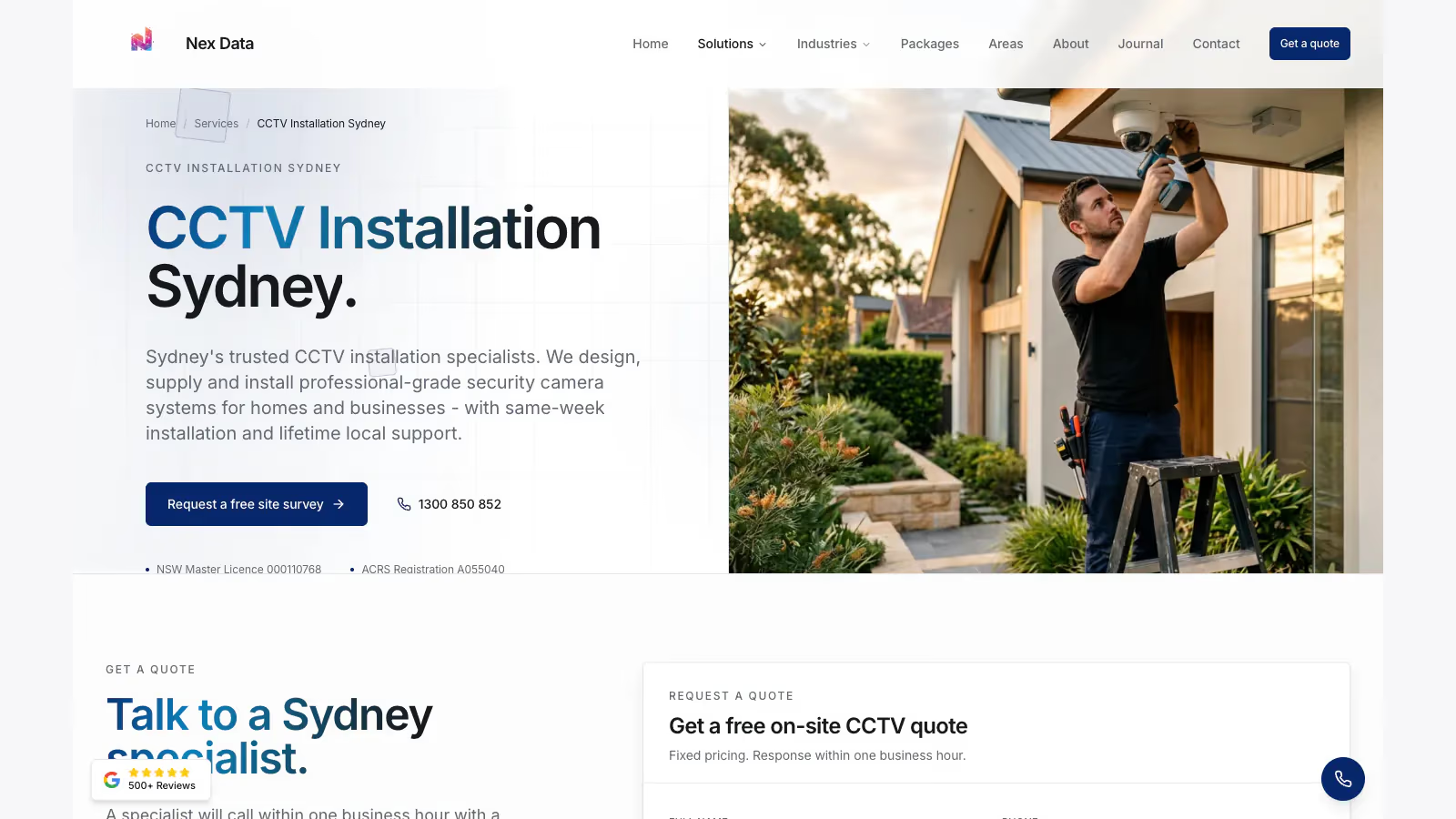
Nex Data's campaign includes separate groups for CCTV, data cabling and other installation services. Its website gives visitors a service route and a site-survey action. A person researching cameras can therefore begin with camera information, while someone planning cabling can find the relevant service.
The Nex Data website case study shows this across solution and industry pages. Use the same principle for your own site: a page should explain the service, the property context and the next conversation. Make it easy to understand what the business will assess before proposing a system.
Ask about the site and the intended outcome
Useful first questions include the site type, suburb, whether the work is new or an upgrade, and what the customer wants to achieve. A short message can explain a concern, an upcoming move or a change to the premises.
Keep detailed system design for the assessment. The first enquiry should collect enough information to route the request and arrange a useful discussion. If the visitor cannot specify equipment or cable requirements, they still need a clear way to ask for help. Explain who will follow up and what information may be discussed then.
Compare the enquiries that reach a quote
The Nex Data campaign case reports quote requests by service. That comparison can show where people are taking the next step, but the business still needs its own record of assessments, quotes and accepted work to judge commercial value.
Review each service on the same sequence: enquiry received, relevant to the business, assessment arranged, quote sent and work accepted. Include the reason where a request cannot progress. A busy service group may need more office time, while a smaller group may produce projects that fit the team particularly well.
Include the work needed to deliver the job
Before increasing a service budget, check the team and schedule behind it. Consider the time required for the assessment, the scope of installation, travel and any coordination with the site contact. Ask the delivery team which projects they can take on next.
Put those answers beside the advertising results. The decision becomes more practical: which service can the business quote well, deliver well and follow up consistently? Our Google Ads management uses a service brief to keep the campaign aligned with the work the business wants.
Use an upcoming office move as a working brief
A business moving premises may enquire about data cabling with an intended occupancy date. Record that timing, the site and the person coordinating the move. The installer can then establish the scope and arrange an assessment with the right contact. This is a more useful review example than an enquiry total: it shows the kind of project the campaign introduced and what the team needed to progress it.
Keep the enquiry source attached to the job
Record the original service and advertising source when a request arrives, then keep them with the quote as it develops. If a camera enquiry becomes a wider installation, preserve both the initial request and the final scope. That explains what the advertising introduced and what the customer ultimately needed.
Our enquiry tracking work connects those first contact details with reporting. Review forms, recorded calls and customer outcomes as distinct stages. With that structure in place, the next budget discussion can focus on a real mix of projects, available capacity and clear next actions.
Questions and answers
Should CCTV and data cabling share one campaign brief?
They can sit within one marketing plan, but define the customer, page and quoting needs for each service. That lets the business review their contribution separately.
Is a higher quote-request rate enough to choose a service?
It is a useful input. Also review suitability, quote value, accepted work and the time needed to deliver it before deciding where to invest more.