
A customer with a hidden leak may start by describing what they can see: a mark on a ceiling, a damp wall or unexplained water use. They may not know which inspection service to request. Good leak-detection marketing helps them recognise a relevant service and understand how to begin an assessment.
The Aussie Leak Detect campaign uses both symptom language and named leak services. Its connected pages and enquiry forms show how a specialist business can guide that first conversation.
Map customer descriptions to the services you provide
Start with the inspection services the business offers. Beside each one, list the ordinary descriptions customers use on the phone. A person may ask directly for water-leak detection, or describe dampness without knowing where it comes from.
Aussie Leak Detect's campaign includes water, roof, shower and pool leak services alongside descriptions such as damp walls and ceilings. The purpose is to connect the language of the customer with a relevant professional conversation. The ad can recognise the concern and invite an assessment while the team establishes its cause.
Explain the inspection in plain language
A useful service page tells the visitor what the business investigates, how the assessment is arranged and what the customer can expect afterwards. Explain the service before introducing technical equipment. Customers need to understand what the inspection will help them decide.
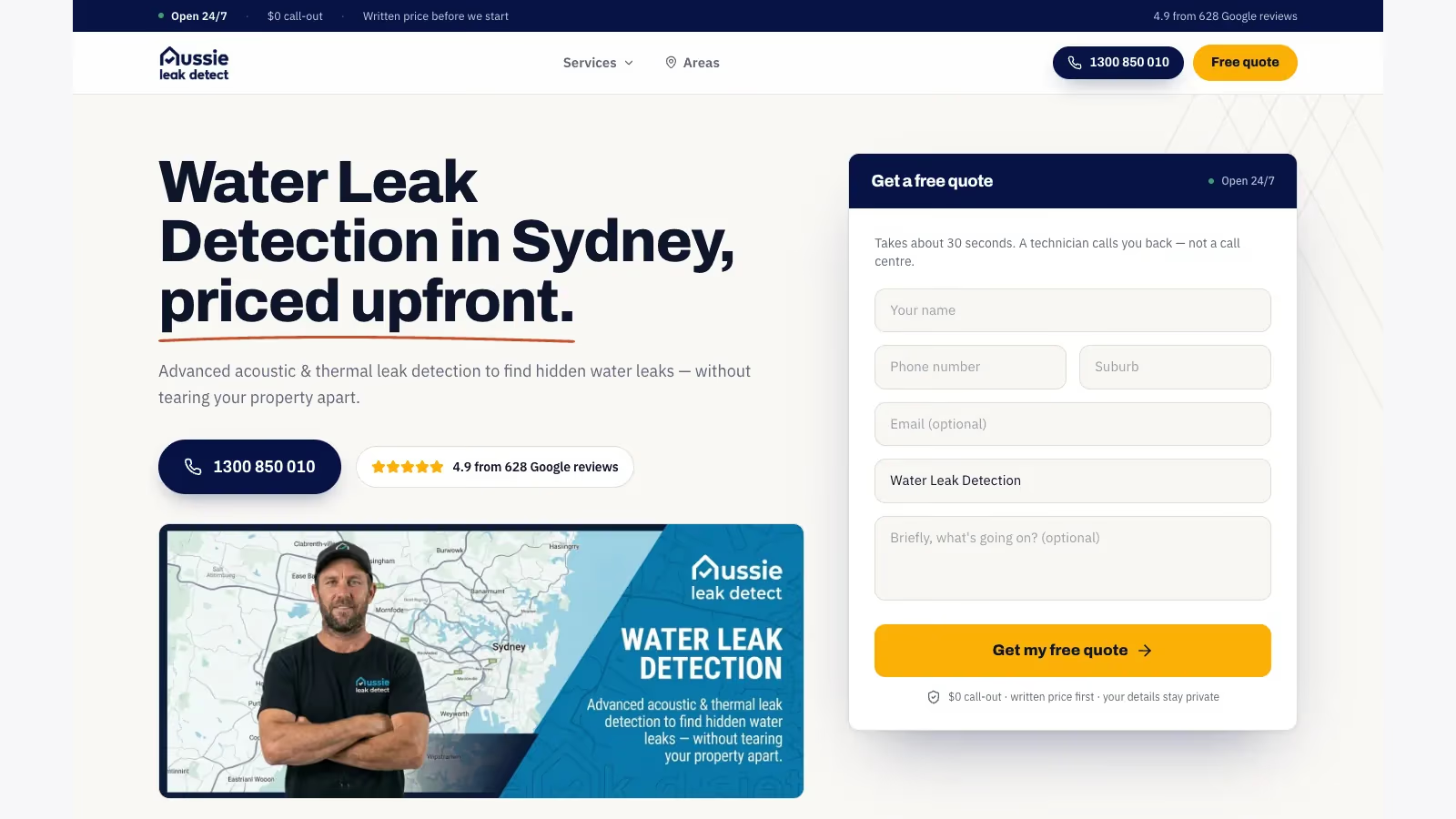
The Aussie Leak Detect website provides individual service pages, process explanations and quote forms. This gives each inspection its own space. The customer can recognise their concern and see a clear path to asking about it.
Ask for observations rather than a diagnosis
For the first enquiry, collect the suburb, property context and a description of what the customer has noticed. An optional message can explain where the issue appears and when they became aware of it. Let someone who is unsure choose a general enquiry.
A customer describing a damp ceiling should be able to make contact without selecting the exact source of the leak. The professional assessment establishes the cause and appropriate next step. Keep the form focused on information that helps the team route the enquiry and prepare a useful conversation.
Preserve the service and suburb context
Aussie Leak Detect's water-leak page carries the service into its quote form, and its local pages can carry the suburb. This saves the customer from repeating choices and gives the office context for its reply.
Check that those details reach the person following up. Keep the requested service, page and location with the enquiry, and allow the team to update the service once the customer has explained the problem. Preserve both the original request and the confirmed scope when they differ; that distinction can improve future content.
Make the first response useful
Consider a customer who has submitted a request about a ceiling mark. The office can confirm the location, ask what they have observed and explain how the relevant assessment will be arranged. It can also establish who can provide property access and how the customer prefers to be contacted.
Record the agreed next action with the enquiry. If an appointment is being arranged, make that clear. If the team needs to discuss scope first, explain that step. The customer should finish the conversation knowing how the request will progress.
Let specialist pages support search visibility
A focused inspection page gives ads a relevant destination and gives organic visitors useful information about the service. Include the questions customers ask, the areas genuinely covered and a clear route to contact the team. Update the explanation when the office repeatedly clarifies the same issue.
Our SEO for plumbers applies that service focus to plumbing and related specialist pages. The content should help a visitor choose a next step based on the work offered. Individual customer symptoms are a starting point for that explanation, with technical conclusions left to the inspection.
Review the work behind each type of request
Keep the original service interest with the enquiry through to the appointment, quoted work and outcome. Review which descriptions lead to relevant requests and where customers need a clearer explanation before booking.
Aussie Leak Detect links calls and forms with job records, making that follow-through part of the campaign. Our Google Ads service for plumbers uses a practical service brief to connect searches, pages and enquiries. For a specialist business, that means advertising the inspections it can deliver and giving each request a clear next step.
Questions and answers
Should symptom searches lead to the home page?
A relevant service page is useful when it explains the concern, the inspection offered and the next step. Keep a general route available for customers who are unsure which service they need.
What should a leak-detection form ask first?
Ask for location, contact details and what the customer has observed. Use those details to prepare the first conversation and arrange the appropriate assessment.