
Mobile detailing sells a service and a convenient way to receive it. A customer wants to know what can be done to the car, whether the detailer comes to their location and how to arrange the visit. The booking journey should answer those questions together.
The Monza Detailing campaign combines at-home and mobile messages with individual detailing services. Its approach offers a useful starting point for matching an enquiry to the vehicle, the work and the place where it will happen.
Lead with the convenience you can deliver
Monza details vehicles at customers' homes and workplaces across Sydney. Its mobile and at-home advertising makes that service model prominent. Customers can recognise the convenience before exploring the detailing options.
Describe your own coverage and appointment process just as clearly. Explain how a customer confirms whether a location is suitable and how the team arranges a time. Keep any arrival or availability promise aligned with what the business can deliver. A convenient offer becomes credible when the next step is easy to understand and the office can follow it through.
Let the customer choose by the work they want
Interior cleaning, a full detail, paint correction and a pre-sale detail begin with different priorities. Give each important service a clear description, relevant imagery and a straightforward contact route. The visitor should understand which option is worth discussing.
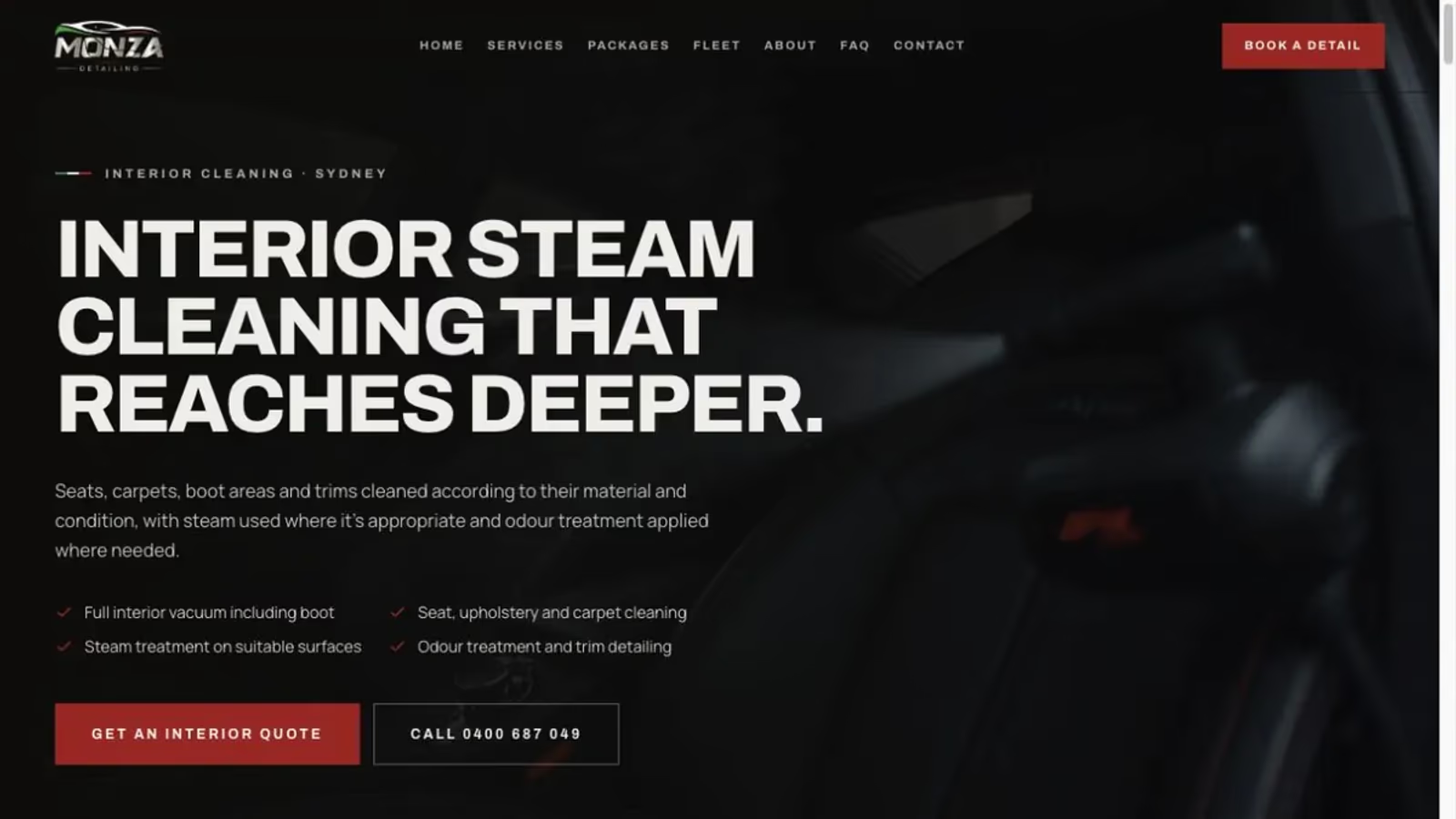
The Monza website includes focused service pages, including interior steam cleaning with cabin imagery. That makes the service tangible. Explain what a package includes and what needs assessment, while leaving room for customers who know their concern but are unsure which package fits it.
Collect vehicle context before recommending a package
A useful request can include the vehicle type, the service or concern, the suburb and the intended appointment location. An optional message or photo helps describe the condition. Ask only for information the team uses to prepare its response.
Keep package selection flexible. A customer asking for help before selling a vehicle may need advice about the work that suits its condition. The form can start that conversation without making a fixed promise about the result. The detailer establishes the appropriate service and scope before the booking is confirmed.
Make the location part of the booking conversation
A mobile appointment needs an agreed place as well as a date. Use the follow-up to clarify access, where the vehicle will be and any setup requirements the business has. Publish those requirements in language the customer can easily check.
For example, someone enquiring from work may need to confirm arrangements with the site contact before choosing an appointment. Record that as the next action. A clear process helps the customer prepare and gives the detailing team the context it needs when allocating the visit.
Keep phone and written requests equally useful
Some customers want to explain the vehicle over the phone; others want to read the service options and send a request. Monza's project includes both tracked calls and quote or booking forms. Keep both routes visible wherever the visitor is choosing a service.
The office should receive the service interest and respond with an appropriate next step whichever route is used. A form acknowledgement can confirm receipt and explain how the team will follow up. A phone conversation should leave the customer clear on the quote, location and booking arrangements still to be agreed.
Review the appointment mix behind the enquiries
Record the requested service, quoted scope, suburb and whether the booking proceeds. Group the work by the time and travel it requires as well as the service name. That gives the owner a useful view of what the advertising is adding to the schedule.
When a particular service draws interest, review the quality of those requests before expanding it. Our Google Ads management can reflect the work you want more of, with campaigns built around services the team has capacity to deliver.
Check the journey with a real booking scenario
Choose a customer situation, such as an interior detail at a workplace. Follow the ad to the page and check whether the service, coverage and request process answer the likely questions. Submit a test enquiry and confirm the office receives the selected service and location context.
Then review the response the customer would receive. Our website design work connects the service explanation, enquiry and follow-up so a good first impression carries through to an appointment the team can deliver.
Questions and answers
Should a customer choose a detailing package before enquiring?
Give them that choice, along with a route to ask for advice. People who are unsure can describe the vehicle and concern so the team can establish the appropriate scope.
How should at-home detailing be described in an ad?
State the mobile service and the areas you cover clearly. The destination page should explain how location suitability, quote details and appointment arrangements are confirmed.