
Write separate ideas that can stand together
Google’s responsive search ad documentation explains that headlines and descriptions can appear in different orders and combinations. Headlines support up to 30 characters and descriptions up to 90. Google also notes that not every headline or description is guaranteed to appear in every format.
That makes independence important. A line that only makes sense after another line may become unclear when shown elsewhere. Read each asset on its own, then in several combinations. Look for duplicated ideas, incomplete sentences or claims that become broader than intended when a qualification is absent.
Give each line a useful role
A practical writing brief can separate the service, the area, a supported reason to choose the business and the next action. These roles help prevent a collection of headlines that all repeat the same keyword without adding information. Use the language customers understand rather than abbreviations invented to fit the space.
The Wilco campaign case covers several plumbing services. The Hi-Tech campaign case covers specialist cleaning. Their different service ranges call for different ad messages. A blocked-drain message and a leather-cleaning message need different useful facts even when the same writing method is applied.
Side by side
Give each ad line a different job
A copy-planning example for a local service advertisement.
Repeated ideas
- Several lines saying the business is the best
- Location or service left unclear
- A qualification that depends on another line appearing
Complementary ideas
- A line identifying the service
- A useful location or service detail
- A clear next action with accurate qualifications
Every combination should make sense on its own. The landing page should explain the service the ad names.
Keep important qualifications attached to the promise
If a claim depends on conditions, do not rely on an unrelated optional line to carry its entire meaning. Rewrite the claim so it remains accurate in the combinations that can appear. Google describes pinning for text that must appear in a particular position, but pinning should be a deliberate decision rather than a substitute for coherent writing.
Review availability, coverage and offers especially carefully. A broad phrase such as same-day service needs a factual basis and an appropriate scope. A concise ad should still represent the actual offer accurately. If the truth cannot fit into the short format without becoming misleading, choose a different promise or make the next action a discussion of availability.
Match the destination to the subject
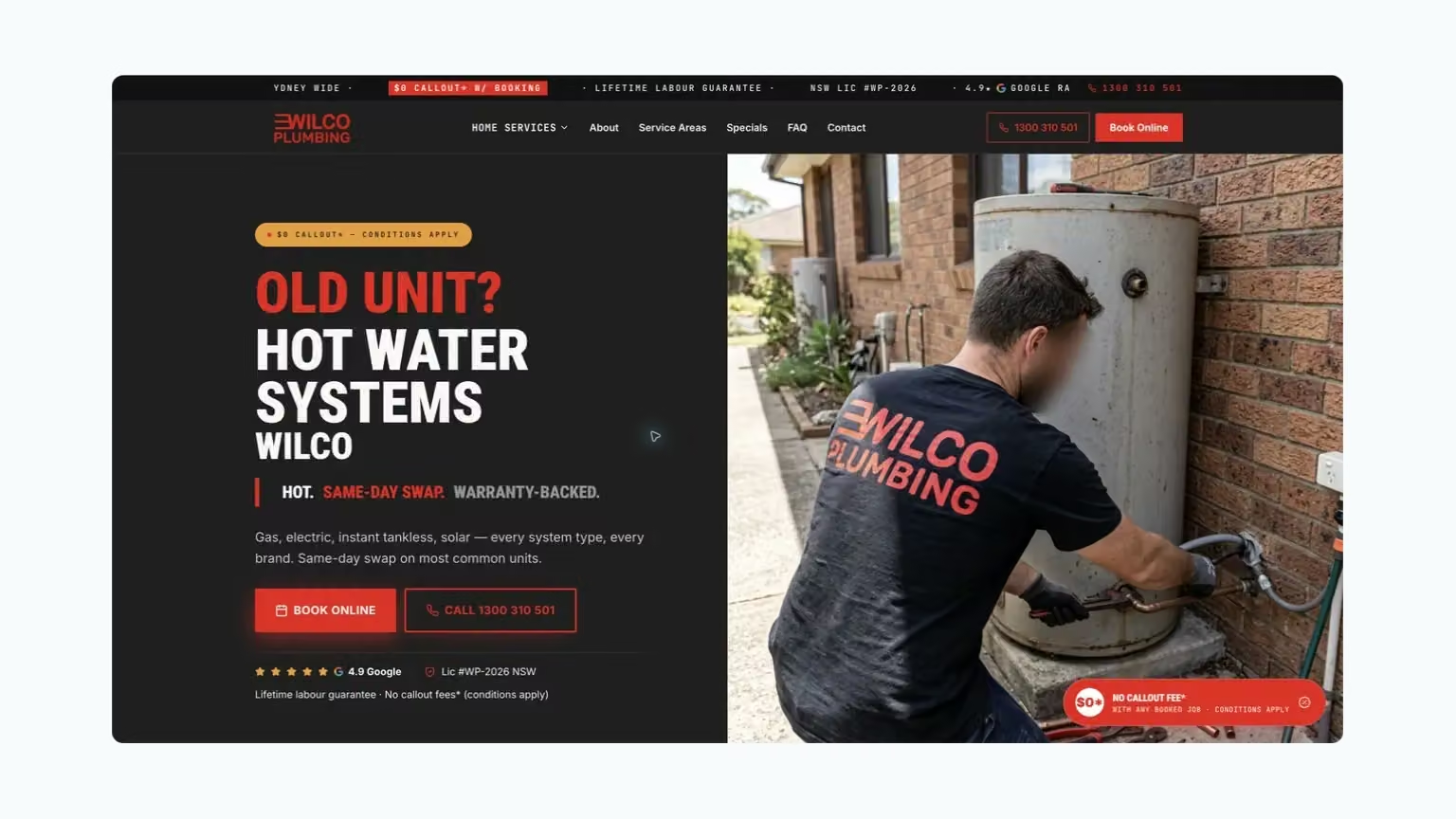
The Wilco website separates blocked-drain and hot-water pages. The Hi-Tech website distinguishes carpet cleaning and leather restoration. These are useful examples of giving different services different explanations after the click.
When reviewing copy, open the intended destination and compare its first screen with the ad brief. The customer should recognise the service and understand the next step. Sending every specific message to a broad homepage can make the visitor repeat the task of finding the relevant information. A dedicated page is useful when it answers real questions about that service.
Review the message as a customer would
Read a sample combination aloud without the account structure or planning notes beside it. Ask what service is being offered, where it applies and what the reader is expected to do. Have someone unfamiliar with the draft describe what they think the offer means.
This often reveals problems that a character-count check misses. Two lines may repeat the same idea, an abbreviation may be confusing or a claim may sound more definite than the business intended. Revise the underlying message before debating minor word choices. The purpose is a clear and accurate advertisement, not simply filling every available text field.
Judge the enquiries as well as the copy
After the advertising is reviewed, assess whether the enquiries match the service being promoted. Repeated misunderstandings can indicate that a phrase needs clarification. Suitable enquiries that do not become work may have another cause, such as timing or scope, so avoid blaming wording without looking at the conversation.
Keep a plain-language claim register beside the draft: which service is offered, which areas are supported and which statements require confirmation from the business. Use it to review every asset combination, especially after offers change. This avoids relying on the copywriter's memory of a conversation from weeks earlier. It also makes approvals more concrete: the owner can assess the accuracy of the promise as well as whether the wording sounds like the business.
Search campaign planning connects service choice, clear language and a relevant destination. The strongest writing brief gives each line a useful purpose and tests the combinations for meaning. The commercial result still needs to be reviewed from actual enquiries and accepted work, rather than assumed from the number of headlines entered.