
Agree what the programme must produce
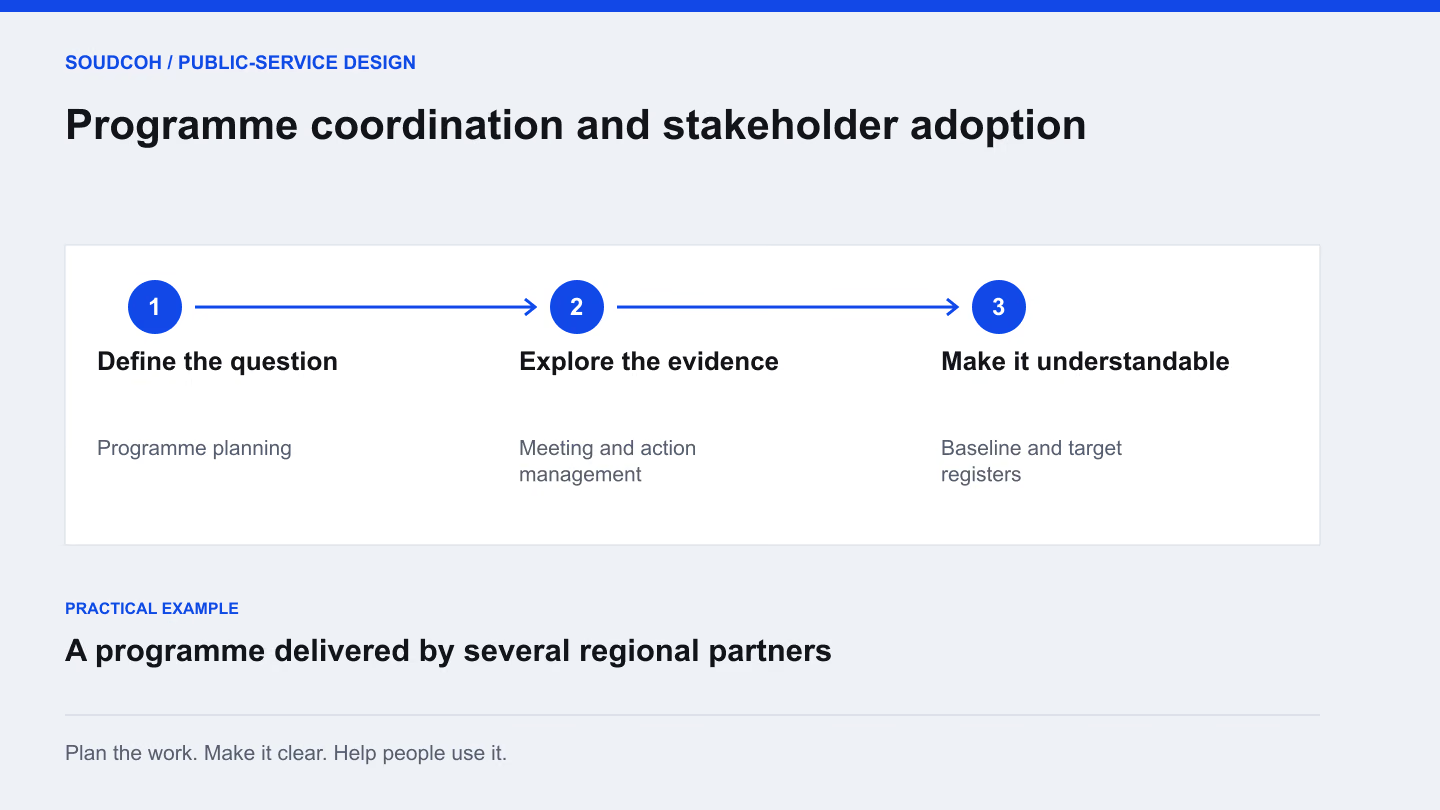
Begin with the outputs, the people who need them and the decisions they support. Clarify which work belongs to each partner and which work needs coordination across the programme. An unclear division of responsibility can produce both duplicated effort and overlooked tasks.
For a regional programme, local teams may gather information in different settings while the programme lead needs a consistent view of progress. Agree the common questions early. Keep room for local explanation so a standard reporting format does not erase the differences that matter.
Use a meeting rhythm tied to decisions
Give each meeting a purpose. A working session might resolve a delivery problem; a programme review might confirm priorities or examine progress against agreed outputs. Share the relevant information before the meeting and record the decision afterwards.
Maintain a short action record with an owner and a clear next step. Review unresolved items rather than repeatedly describing them. Coordination becomes useful when a participant can see what changed because people met, what they now need to do and where an issue still requires a decision.
A practical guide
Make the next shared action visible
Partners describe progress differently
Agree a small shared reporting format
Use common questions while leaving room for each partner's setting and work.
A decision or action is outstanding
Name an owner and the next review
Keep open decisions and dependencies visible in the shared action record.
Findings are ready for wider use
Prepare practical resources and training
Have the relevant specialists review the material before others are asked to use it.
Turn information into shared knowledge
Different reports can be difficult to compare even when they describe related work. Agree simple definitions and submission formats for the information the programme genuinely needs. Check incoming material and resolve gaps with the originating team.
Build a knowledge library around how people will use it. Organise reviewed findings, practical resources and current guidance so another partner can find and understand them. A large folder of documents is not automatically a shared learning resource. Each important item needs enough context to explain what it is useful for.
Plan how people will adopt the work
Publishing a resource is only one part of helping others use it. Consider who needs a briefing, a workshop, a practical example or support to apply the findings in their setting. Match the format to the work those people are expected to do.
Specialist functions remain with qualified partners. Scientific advice, clinical decisions, safeguarding and technical assessment need the appropriate expertise. A coordination team can arrange contributions and maintain the programme record, but should not replace the professional judgement that makes those contributions reliable.
Evaluate the programme without overclaiming
Agree a baseline and a reasonable set of progress questions. Distinguish activities completed from changes in practice and from longer-term outcomes. A workshop attendance count shows participation; it does not by itself demonstrate adoption.
The useful outputs are a programme plan, shared templates, a working action record, communication resources and an evaluation framework. Review them with the partners during delivery. When circumstances change, update the plan and explain the effect on priorities instead of letting the original document become disconnected from the actual programme.
Explore our Programme coordination and stakeholder adoption, related services and Turn a service review into a practical improvement plan.