
A couch collection, an office clear-out and a deceased-estate clearance all involve removing items. The customer circumstances, access and amount of work can be very different. A useful enquiry gives the removal team enough context to choose the next step and helps the customer understand what the quote needs.
The Rubbish Removal WA campaign organises advertising around the clearance job. Its service pages and enquiry tracking offer a practical example of connecting a search with a more useful job brief.
Name the clearance the customer is planning
Rubbish Removal WA has separate messages for household and garage clear-outs, rental and end-of-lease work, offices, storage units and deceased estates. These distinctions give customers a recognisable starting point.
Describe each service using the situation the customer is in. Someone handing back a rental property needs to discuss a deadline and what is left behind. An office contact may need to coordinate access and business hours. A family clearing an estate may need time to agree the scope. The page can explain how the team handles the enquiry without assuming every customer is ready for an immediate collection.
Collect the load and access details together
Ask what needs collecting, where it is located and how the team can reach it. A short item description and optional photographs can begin the conversation. Access details such as stairs, lifts or the distance from the items to the loading area help the team understand the job.
These are suggested questions for a clearance brief; adapt them to how your own business quotes. Keep the first form short and let the team clarify details on the call. A customer with a whole-property clearance needs a way to describe the scale without counting every object before making contact.
Carry the service into the quote request
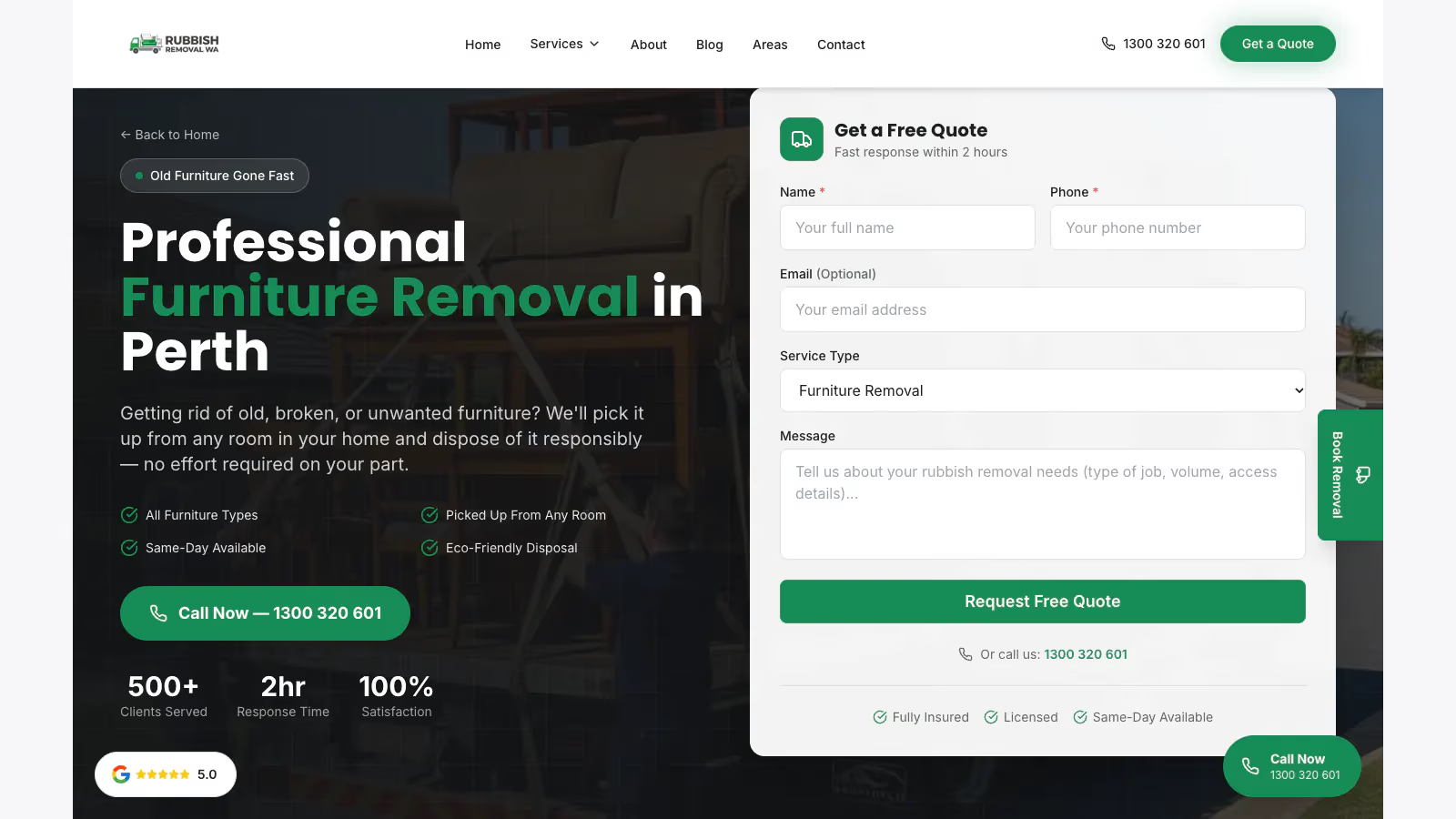
The Rubbish Removal WA website gives specific jobs their own pages and carries the chosen service into the quote form. A furniture-removal visitor can ask about furniture removal directly.
Check that the office receives that context. Include the page or requested service with the enquiry, then keep the additional details in the same record. When the team calls back, it can start by confirming the job instead of asking the customer to reconstruct everything they have just submitted.
Separate a requested date from a confirmed booking
A customer may have a handover date, an office move or a preferred day at home. Ask for that timing and explain how availability is confirmed. The business needs to review the scope and arrange the collection before the customer can rely on a booking.
Consider a rental clear-out with a fixed handover approaching. A useful response confirms the address, remaining items, access and required completion date, then explains the available next step. That conversation connects the customer's deadline with a job the team can actually schedule.
Make the quotation easy to discuss
Explain how the business prepares a quote and what information could change the scope. Where photographs help, tell the customer what view would be useful. Where a larger clearance needs a discussion or visit, make that route easy to understand.
Keep the language practical and respectful. A family dealing with an estate may want to decide which rooms or items are included before arranging removal. An office manager may need an itemised proposal to approve internally. The right next action follows the situation the customer describes.
Review service fit and travel together
Keep the clearance type, suburb, quoted scope and outcome with each enquiry. Review the work by both service and area. A campaign's value depends on the jobs it produces and how they fit the team, vehicles and daily schedule.
Rubbish Removal WA's project combines service campaigns with local targeting and job records. Our Google Ads management uses that kind of brief to connect advertising with delivery. When a service attracts suitable work, the next question is whether there is capacity to take on more of it.
Use the office questions to improve the page
Ask the person quoting jobs which details they most often need to chase. Add a helpful sentence, example or optional field where it makes the request easier to understand. Review the form again after the team has used it on real enquiries.
Our website design service connects those questions with the service page. A useful clearance page tells the customer what the team can remove, where it works and how to start a quote. The enquiry then arrives ready for a focused conversation.
Questions and answers
Should photos be compulsory for a rubbish-removal quote?
They can help establish scope, but give customers a simple way to start a conversation without them. Explain when the team needs more detail before confirming the quote.
Should estate and end-of-lease clearances use the same wording?
Their service process may overlap, but the customer circumstances differ. Explain the relevant scope, timing and next conversation in language appropriate to each situation.